Executive Overview
The landscape of consumer and professional technology in the United States is undergoing a seismic shift. What began as targeted restrictions on telecommunications infrastructure has evolved into a sweeping regulatory campaign against foreign-manufactured electronics, creating an unprecedented supply-chain crisis for video production professionals, drone operators, and consumer tech markets.
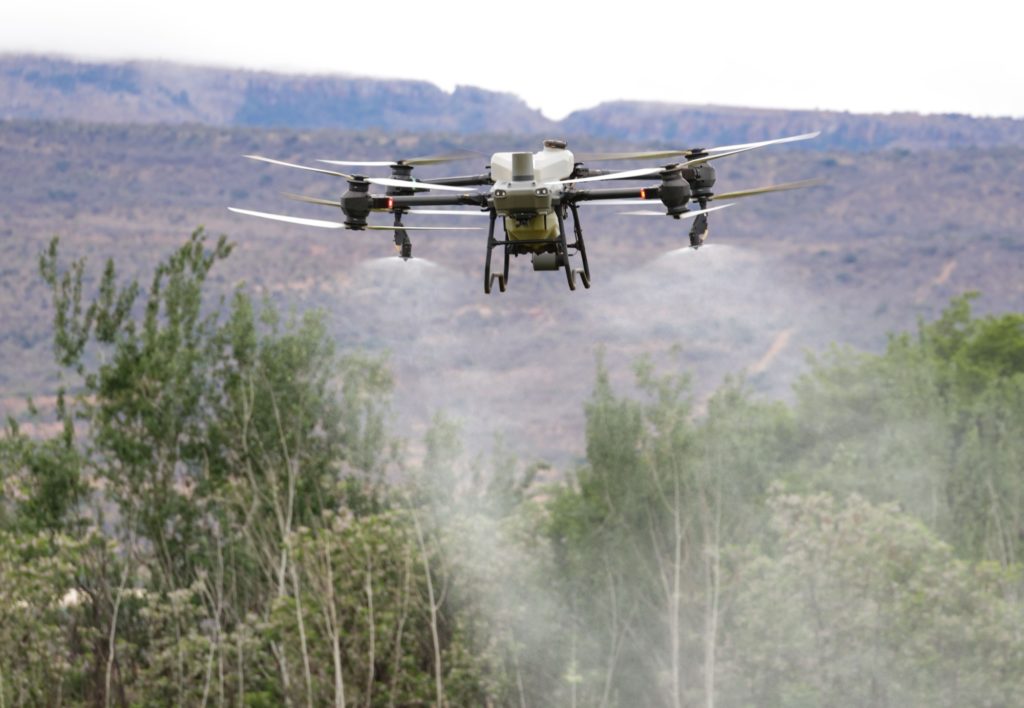
At the center of this geopolitical storm is Da-Jiang Innovations (DJI), the world’s dominant drone manufacturer, alongside a growing list of foreign hardware producers. Through a combination of legislative acts and Federal Communications Commission (FCC) regulatory maneuvers, the United States has systematically choked the pipeline of new foreign-made wireless devices entering the country. By utilizing the FCC’s "Covered List"—a registry of equipment deemed to pose unacceptable national security risks—regulators have effectively bypassed traditional tariff structures to enact outright bans on new product certifications.
The consequences of these actions extend far beyond hobbyist drone pilots. From cinematic filmmakers and independent videographers to first responders, agricultural surveyors, and industrial miners, American industries are facing a rapidly contracting technological horizon. While international markets continue to adopt cutting-edge tools, U.S. professionals are increasingly isolated, forced to rely on aging fleets, navigate complex border-importation loopholes, or pay premium prices for high-end, domestic enterprise solutions that lack consumer-grade versatility.
This investigative report details the chronology of the restrictions, analyzes the regulatory mechanisms at play, examines the cascading impacts across various sectors, and projects the long-term outlook for a market rapidly decoupling from global supply chains.
Detailed Chronology (2021–2026+)
[2021: Infrastructure Precedent] -> [2024: Countering CCP Drones Act] -> [Dec 2025: The FCC Covered List Cutoff] -> [2026: Accessory Bans & The LiDAR Threat]The Genesis (2021): Huawei, ZTE, and the Infrastructure Precedent
The blueprint for the current wave of tech bans was established in 2021 under the Biden administration. Citing severe national security and espionage concerns, the U.S. government enacted bans on the sale and import of new telecommunications equipment from Chinese giants Huawei and ZTE.
This move set a critical precedent: the U.S. government was willing to use national security mandates to completely sever market access for foreign tech firms. Key international allies, including the United Kingdom and Australia, quickly implemented parallel restrictions. Because Huawei and ZTE primarily operated in the enterprise telecommunications space rather than consumer electronics, the immediate impact on average consumers and creative professionals was minimal, masking the disruptive potential of the regulatory mechanism.
The Legislative Crucible (2024): The Countering CCP Drones Act
In 2024, the geopolitical focus shifted from telecommunications towers to the skies with the introduction of the Countering CCP Drones Act. Unlike the Huawei ban, this bill directly targeted consumer and prosumer markets. DJI, which controls an estimated 70% to 80% of the global drone market, found itself in the legislative crosshairs.
The Act mandated a strict one-year deadline for DJI to undergo a comprehensive security audit to clear its name of data-harvesting allegations. However, the legislation failed to designate or fund a specific federal agency to conduct the evaluation. According to corporate statements and public filings from DJI, the company made multiple attempts to secure an auditing body, but no U.S. federal agency was willing or authorized to undertake the task. This regulatory impasse set the stage for automatic punitive measures.
The Decisive Cutoff (December 2025): The FCC Covered List Ensnaring DJI
With the audit deadline passing unfulfilled, the regulatory hammer fell on December 23, 2025. The FCC officially placed DJI and all other uncertified foreign drone manufacturers on its "Covered List."
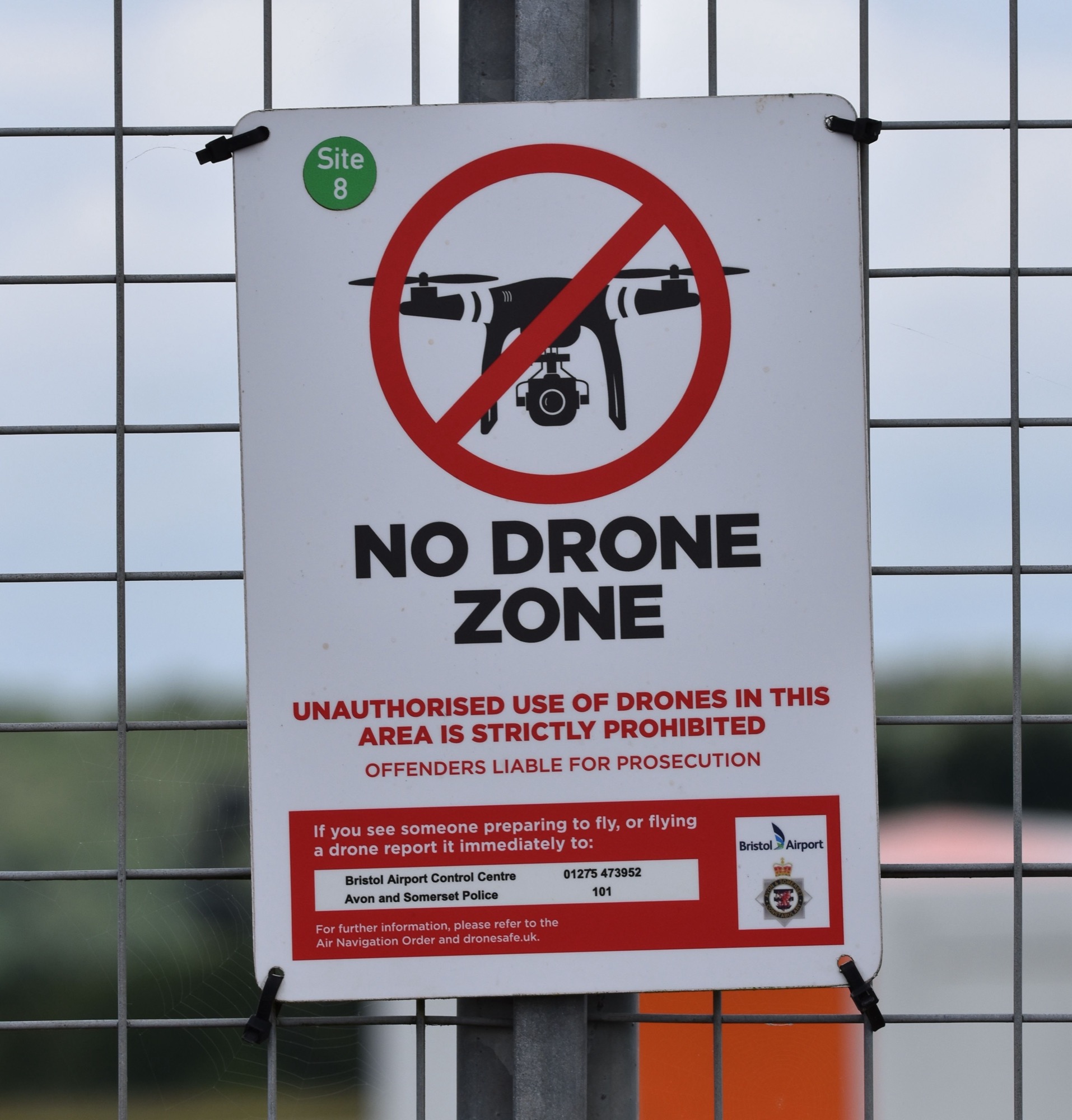
Placement on the Covered List does not immediately criminalize the possession or operation of existing devices purchased prior to the deadline. However, it permanently bars the FCC from issuing new equipment authorizations for any product manufactured by the listed entities. Because almost all modern electronics utilizing radio frequencies (RF), Wi-Fi, or Bluetooth require FCC certification to be legally imported, marketed, or sold in the U.S., this action effectively froze DJI’s product pipeline at the border.
The Present Reality (2026): Customs Friction, Accessory Bans, and the Broadening Net
As of 2026, the market reality is highly fragmented and increasingly difficult for U.S. consumers to navigate:
- The "Legacy" Loophole: Products that secured FCC certification prior to the December 23, 2025 cutoff—such as the DJI Avata 360, Mini 5 Pro, and Mavic 4 Pro—remain legally permissible for sale. However, retail availability in the U.S. has become highly erratic due to aggressive customs inspections and administrative delays at major ports of entry.
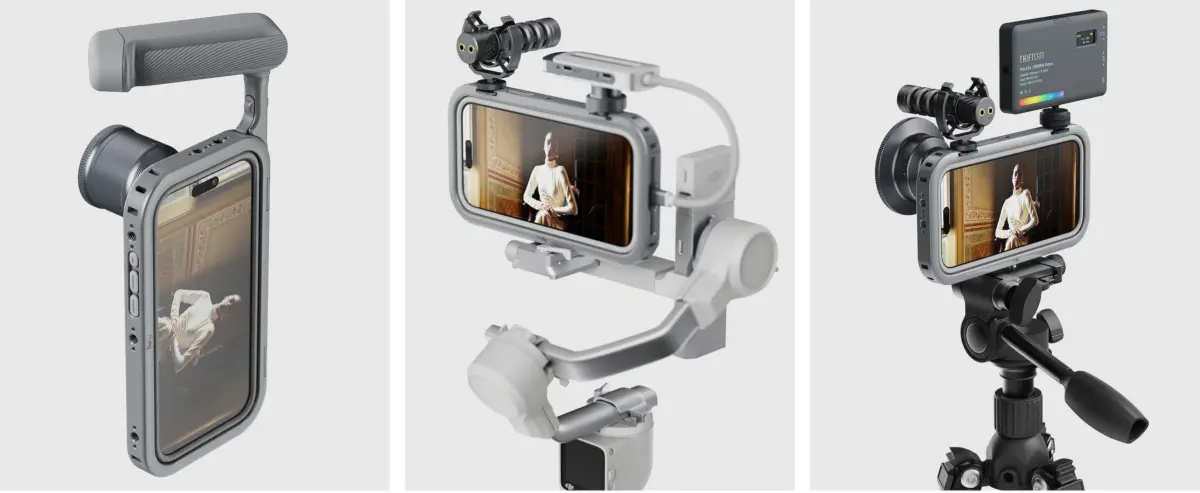
- The Accessory Blackout: Because the ban applies to all wireless-transmitting devices from blacklisted manufacturers, non-drone DJI products have become collateral damage. Highly anticipated filmmaking tools like the DJI Pocket 4, Pocket 4P, and the Mic Mini 2S wireless microphone system cannot secure FCC certification due to their integrated Wi-Fi and Bluetooth modules, rendering them illegal for commercial sale in the U.S.
- Alternative Brand Suppression: The restrictions have swept up competing Chinese manufacturers. Innovative consumer drone brands such as HoverAir and Potensic have also been blocked from securing new FCC certifications, closing off alternative avenues for budget-conscious creators.
Supporting Context & Metrics
The Mechanism of the FCC "Covered List"
To understand the permanence of these bans, one must understand the regulatory power of the FCC’s Covered List. Established under the Secure and Trusted Communications Networks Act of 2019, the list serves as a national security gatekeeper for RF devices.
+-------------------------------------------------------------+
|               FCC EQUIPMENT AUTHORIZATION PROCESS           |
+-------------------------------------------------------------+
                               |
                               v
               Is the manufacturer or equipment
                  on the FCC "Covered List"?
                               |
              +----------------+----------------+
              |                                 |
           [ YES ]                           [ NO ]
              |                                 |
              v                                 v
   Authorization Denied              Standard RF & Safety Testing
              |                                 |
              v                                 v
  *BANNED FROM IMPORTATION*             Approved for U.S. Sale
  *BANNED FROM U.S. SALE*
Any device that transmits radio waves—ranging from a simple Bluetooth earbud to an advanced industrial drone—must receive an FCC grant of equipment authorization under Title 47 of the Code of Federal Regulations before it can be imported or sold. By placing a company on the Covered List, the FCC is legally prohibited from processing or granting these authorizations. There are no administrative waivers or fast-track appeals once a company is listed.
The Domestic Market Void
The sudden removal of foreign drone manufacturers has exposed a massive structural deficit in the domestic hardware sector. Currently, there is no U.S.-based manufacturer producing consumer-grade or budget-friendly prosumer drones.
| Market Segment | Leading Foreign Brands (Banned/Restricted) | Domestic U.S. Alternatives | Price Point Comparison |
|---|---|---|---|
| Consumer / Hobbyist ($100 – $1,000) | DJI Mini series, HoverAir, Potensic | None viable | N/A (Complete Market Void) |
| Prosumer / Cinematic ($1,000 – $5,000) | DJI Mavic Pro series, Inspire series | None viable | N/A |
| Enterprise / Industrial ($10,000+) | DJI Matrice series | Freefly Systems, Skydio | Domestic options cost 3x to 5x more for comparable specs |
While domestic companies like Freefly Systems produce exceptional, high-end cinema platforms (such as the Alta X), these systems are designed for Hollywood-scale budgets and are entirely impractical for independent documentary filmmakers, wedding videographers, or local news crews.
The Expanding Dragnet: Routers, Robotics, and Power Inverters
The regulatory framework used to ban DJI is rapidly expanding to cover other segments of the consumer technology market.
In March 2026, the FCC added foreign-made Wi-Fi routers to the Covered List, granting narrow exemptions only to approved Western brands like Netgear, Eero, and Adtran.
This was followed in July 2026 by an amendment adding mobile robotic devices (including consumer robot vacuums) and connected solar power inverters to the list. Under these new rules, unless a manufacturer can conclusively prove to the Department of Defense (historically referred to in legacy defense acts as the Department of War) that their devices are free of data-exfiltration vulnerabilities, they are barred from receiving FCC authorization.
Official Statements & Industry Reactions
The sweeping nature of these bans has polarized the technology, cybersecurity, and creative sectors, prompting fierce debate over the balance between national security and market protectionism.
The Regulatory and Legislative Stance
Proponents of the bans, led by the FCC and congressional sponsors of the Countering CCP Drones Act, frame the restrictions as an existential necessity for national security. In a press release titled "Unleashing American Drone Dominance," the FCC asserted:
"We cannot allow foreign adversaries to control the eyes and ears of our domestic airspace. Drones equipped with high-resolution cameras, GPS tracking, and advanced sensor suites represent a massive data-harvesting risk. By securing our wireless spectrum and restricting untrusted hardware, we are safeguarding American sovereignty and forcing the revitalization of our domestic manufacturing sector."
The Cybersecurity Critique
However, independent cybersecurity analysts and industry experts have questioned the broad-brush approach of using factory geography as a proxy for security. Jason Pearce, Field Chief Technology Officer at the IoT security firm Claroty, offered a critical perspective on the parallel router and hardware bans:
"The current measures undoubtedly have a credible supply-chain security rationale, but they are far broader than the public evidence shown so far. A hardware device is secure because of its architecture, software-maintenance discipline, and support lifecycle—not because of the passport of the factory."
Pearce and other network engineers argue that by focusing entirely on the country of origin, regulators are ignoring the deeper, systemic issues of firmware vulnerabilities that affect Western and Eastern hardware alike.
The Creative and Enterprise Backlash
For video production professionals, the bans are viewed as an existential threat to their livelihoods. Organizations representing independent filmmakers and commercial drone pilots have pointed out that without access to DJI’s rapid innovation, American creators will fall behind their international peers.
"We are being forced to fight with one hand tied behind our backs," says one commercial aerial cinematographer. "If I cannot buy a DJI Pocket 4 or a new Mavic drone, but my competitors in Europe, Canada, and Asia can, my production value instantly falls behind. There is no American alternative to buy. We are simply being left in the dark."
Future Outlook
As the industry looks toward the end of the decade, the friction between national security policy and consumer demand is set to intensify, with several critical flashpoints on the immediate horizon.

The September LiDAR Countdown
The next major disruption is scheduled for late 2026. The FCC is currently reviewing a proposal to classify any drone equipped with LiDAR (Light Detection and Ranging) sensors as "military-grade." Crucially, this classification would carry a retroactive ban.
+-------------------------------------------------------------------+
|               ESTIMATED LiDAR BAN IMPLEMENTATION TIMELINE         |
+-------------------------------------------------------------------+
  [Early Sept 2026]  -->  [Oct - Feb 2027]         -->  [March 2027]
  Proposal Approved       180-Day Grace Period          Retroactive Ban Enforced
  & Countdown Begins      Retailers Clear Inventory     LiDAR Drones De-certified
If approved, a strict 180-day countdown is expected to commence in early September 2026. Once finalized, this rule would retroactively revoke the FCC certifications of several highly popular consumer and prosumer models currently on the market, including:
- DJI Neo 2
- DJI Avata 360
- DJI Mini 5 Pro
- DJI Air 3S
This retroactive de-certification would force retailers to pull existing stock from shelves and could legally ground commercial operators who rely on these specific platforms for obstacle avoidance and high-precision mapping.
The "Gray Market" and Border Smuggling
The restriction of consumer tech has already begun to trigger gray-market workarounds. U.S. citizens living near the Canadian or Mexican borders have reportedly begun purchasing uncertified DJI gear internationally and driving it back across the border.
However, this practice is fraught with long-term complications:
- Zero Warranty Support: DJI and other restricted manufacturers cannot legally ship replacement parts or honor warranties within the United States.
- Geofencing and Software Locks: Modern smart devices rely on constant app updates and GPS geofencing. There is a high probability that future firmware updates will lock out devices detected operating within U.S. borders without valid FCC registration.
- Customs Enforcement: U.S. lawmakers are already moving to close these border loopholes. Proposed legislation, such as the Protecting America from Chinese Cars Act, demonstrates a growing appetite to block foreign-manufactured smart vehicles and high-tech hardware from even crossing the border temporarily.
The 2029 Horizon
With the current FCC administration deeply committed to its "American Drone Dominance" agenda and broad bipartisan support for tech decoupling in Congress, industry analysts do not project any softening of these policies until 2029 at the earliest.
For the next several years, the American tech landscape will remain highly insulated. While the rest of the world experiences the next generation of automated robotics, advanced imaging tools, and integrated wireless ecosystems, U.S. consumers and professionals must prepare to operate in a highly restricted, high-cost domestic bubble. For anyone requiring small, affordable, and highly capable wireless technology, the message from market analysts is clear: secure your hardware now, maintain your existing fleet, and prepare for prolonged turbulence.