Executive Overview
Three years after Unity Technologies sent shockwaves through the global video game development community with its contentious and ultimately revoked runtime fee policy, the landscape of game engines has fundamentally shifted. What initially registered as a sudden corporate misstep is now recognized as a watershed moment—a historic inflection point that permanently decentralized the game engine duopoly historically shared by Unity and Epic Games’ Unreal Engine.
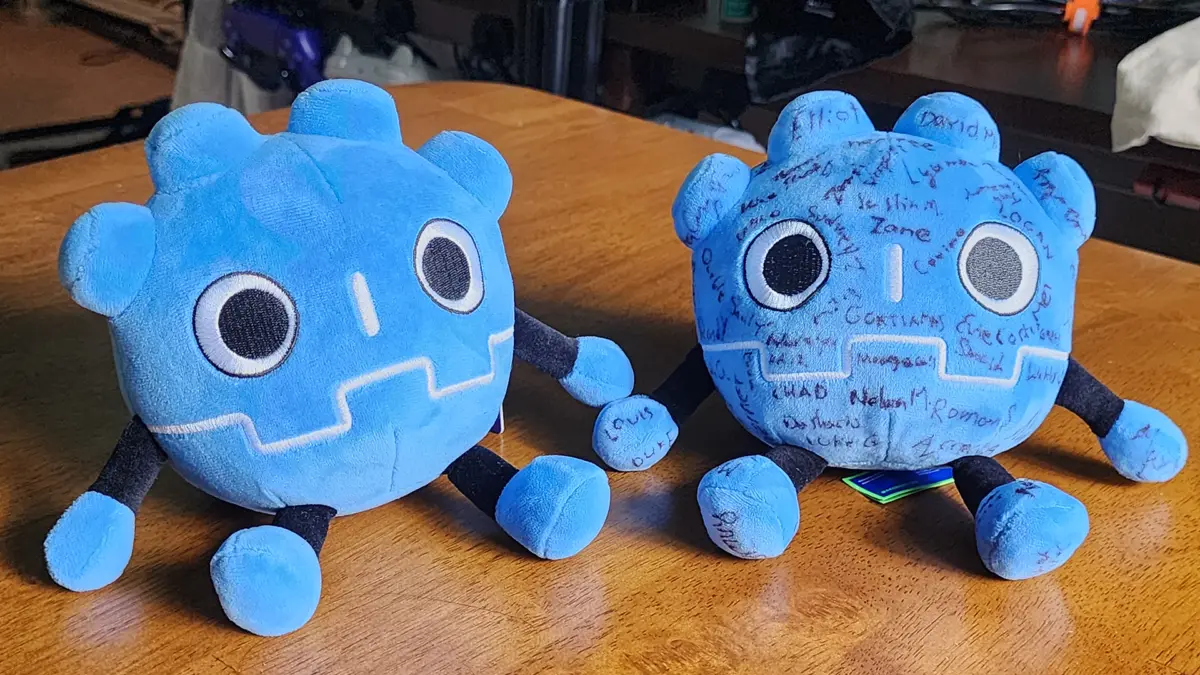
Amidst this structural realignment, a lightweight, community-driven challenger has quietly captured the hearts, minds, and pipelines of developers worldwide: Godot. Named after the enigmatic, perpetually awaited character in Samuel Beckett’s existential play Waiting for Godot, the open-source engine has transformed from an underdog curiosity into a powerhouse tool for commercial game production.
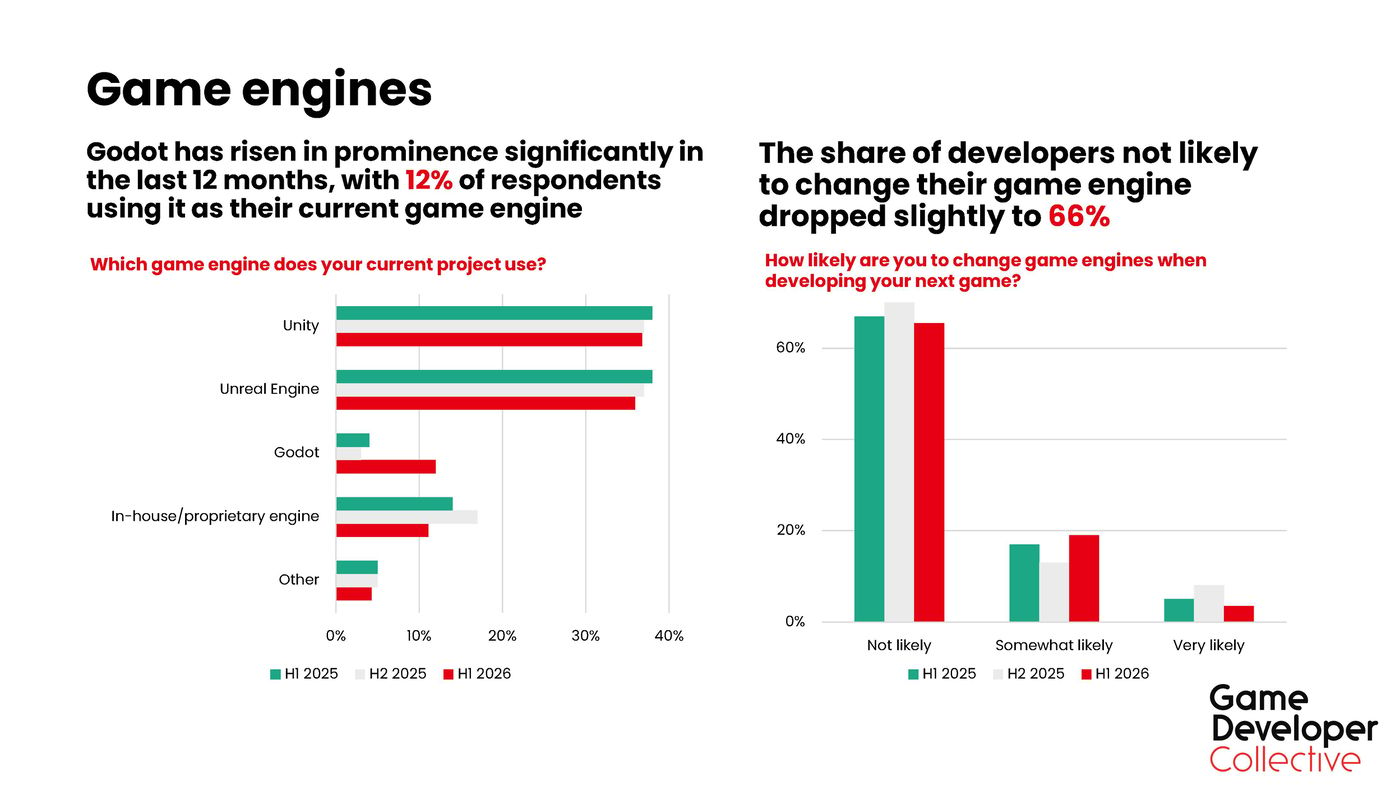
Recent data underscores this meteoric rise. According to the Game Developer Collective, sourced via market intelligence firm Omdia, 12 percent of surveyed game developers now identify Godot as their engine of choice—representing an impressive eight percent year-over-year increase. Concurrently, statistics from the prominent YouTube channel and community incubator Game Makers Toolkit (GMTK) revealed that Godot was selected by a staggering 47 percent of entrants in its latest annual game jam. This milestone decisively shattered Unity’s nine-year reign as the dominant platform for the event.
To understand what is driving this mass migration, industry observers attended Godotcon, where hobbyists, studio veterans, toolmakers, and industry newcomers gathered to dissect the engine’s appeal. While minor debates persist regarding specific implementation choices—such as its custom scripting language, GDScript—a unifying consensus emerged. Developers are flocking to Godot not merely out of lingering resentment toward legacy enterprise platforms, but because of the engine’s inherent technical merits: its remarkably lightweight architecture, rapid iteration speeds, and uncompromising open-source transparency.
Detailed Chronology: From Industry Disruption to Grassroots Momentum
The Catalyst: The Unity Runtime Fee Saga
The narrative of Godot’s ascent cannot be separated from the crisis that befell Unity in September 2023. Unity Technologies announced a radical overhaul of its business model, introducing a "runtime fee" that would charge developers every time a game was installed by an end-user. The announcement triggered swift, universal condemnation from independent developers and triple-A studios alike.
The backlash was not just financial; it was existential. Developers felt blindsided by retroactive pricing terms that threatened the viability of commercial projects, particularly free-to-play titles and games distributed via subscription services like Xbox Game Pass. High-profile defections quickly followed. Notably, MegaCrit, the development studio behind the breakout indie hit Slay the Spire, publicly announced it was abandoning Unity, swiftly pivoting development resources to alternative technologies for its highly anticipated sequel, Slay the Spire 2.
Although Unity rapidly backpedaled, issuing public apologies and restructuring its policies under new leadership, the psychological damage was done. Trust had been fractured. Developers who had spent years locked into proprietary ecosystems began actively seeking out alternatives that offered long-term stability, predictable governance, and freedom from arbitrary corporate decree.
The Turning Point: Proving Commercial Viability
As developers began experimenting with open-source alternatives during and immediately after the runtime fee crisis, Godot transitioned from a secondary hobbyist tool to a primary candidate for commercial production. Early adopters proved that the engine was capable of supporting shipping games without performance bottlenecks or unexpected legal hurdles.
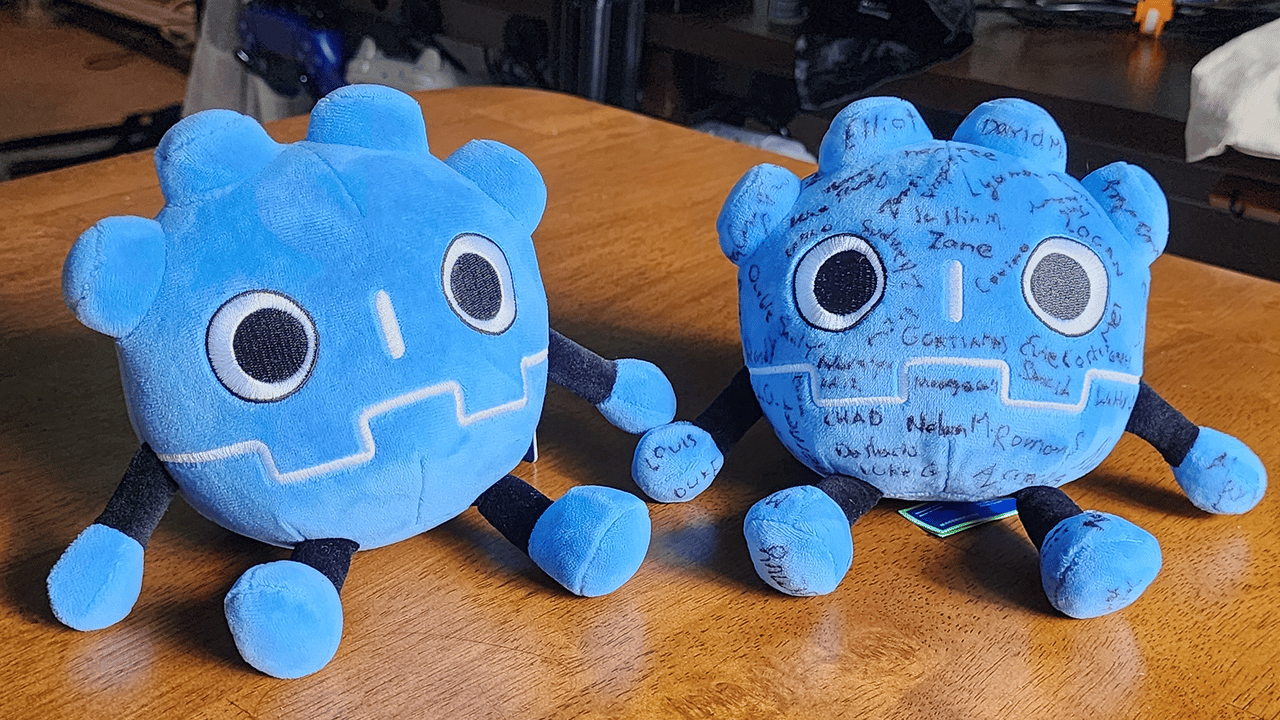
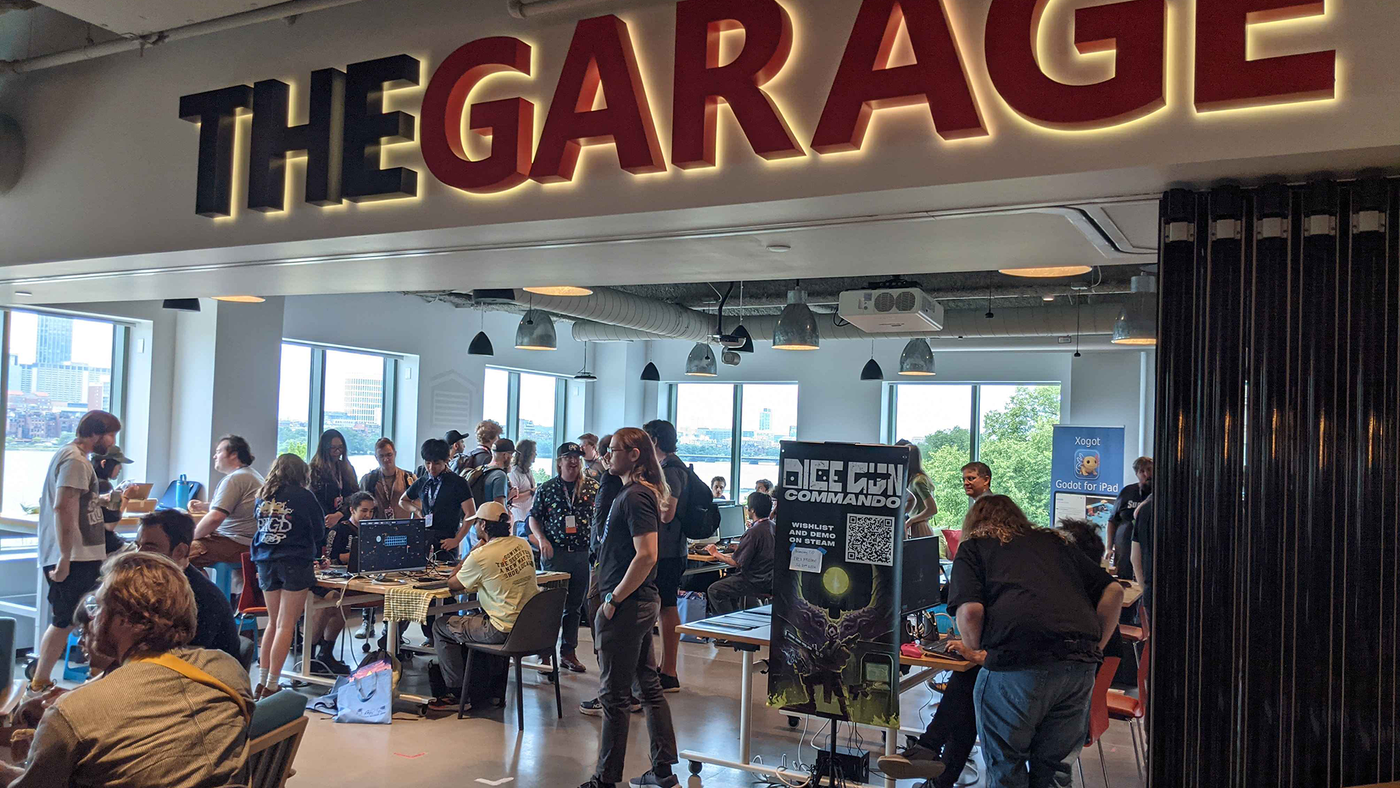
This momentum was captured vividly in community-driven events. By the time Godotcon convened, the narrative surrounding the engine had evolved from cautious optimism to unreserved validation. Developers were no longer testing the waters; they were building sustainable commercial enterprises on top of Godot’s foundation, signaling a mature ecosystem ready to compete directly with commercial engines backed by multi-billion-dollar corporations.
Supporting Context & Metrics: Hard Data on Industry Adoption
The anecdotal enthusiasm observed at community gatherings is robustly supported by empirical data compiled across multiple industry barometers.
The Omdia and Game Developer Collective Insights
Data collected by Omdia via the Game Developer Collective—a panel tracking industry trends—highlights a steady, compounding upward trajectory. With 12 percent of surveyed developers now utilizing Godot as their primary engine, the platform has solidified a secure third-place market position, steadily chipping away at the historical dominance held by Unity and Unreal Engine.
More importantly, the year-over-year growth rate indicates that this is not a temporary spike driven by social media outrage, but a structural shift in pipeline adoption. Studios that transitioned a single prototype or smaller project to Godot over the last three years are now standardizing the engine for upcoming multi-year developments.
The Game Makers Toolkit Game Jam Phenomenon
Perhaps no single metric better illustrates the generational shift among emerging developers than the GMTK game jam statistics. For nearly a decade, Unity dominated the event as the undisputed tool of choice for participants racing against a 48-hour clock to prototype and build functional games.
When Godot captured 47 percent of the jam’s entrants, it marked a symbolic passing of the torch. For students, hobbyists, and indie developers entering the industry today, Godot is no longer the alternative choice—it is the default starting point.
Official Statements and Developer Perspectives: Inside Godotcon
What exactly makes Godot so magnetic to professionals spanning diverse technical backgrounds? To find out, interviews with creators at Godotcon illuminated several core pillars of the engine’s design philosophy.
The Power of Being "Lightweight"
The term "lightweight" echoed through nearly every panel, workshop, and hallway conversation at the conference. For veteran game designer Joey Yeo, showcasing her team’s project Ruffed Up, the appeal lies directly in the elimination of friction during daily development tasks.
"When you make a new Unity project right now, it takes like forever to open," Yeo explained. "Meanwhile Godot just starts up and you start editing. That [slowness] really turned me off of using Unity for my personal projects."
This responsiveness is rooted in technical architecture. Miguel de Icaza, co-founder of Xogot—a company building versions of Godot for iOS and Mac devices—explained how the engine’s debugger implementation fundamentally alters the programming feedback loop. Unlike compiled environments that frequently require suspending the entire engine core during debugging routines, Godot isolates the suspension to the user script alone.
"When you’re running your game and the game is suspended on the debugger, the engine is not suspended," de Icaza noted. Because developers do not have to wait for heavy system reloads to test incremental changes, "the feedback loop is incredible."
Running on a "Potato" and Atomic Programming
For recent graduates and emerging developers like Thomas Gelman, co-creator of Apocalypse Approaches, technical accessibility is equally vital. Having learned Unity and Unreal Engine during his formal education, Gelman and his peers turned to Godot for rapid prototyping before adopting it for commercial work.
"It can run on a potato," Gelman remarked, referencing the remarkably modest hardware requirements needed to run the editor smoothly. Furthermore, he praised the engine’s object model: "It has a very composition-focused object model, which as a programmer I really enjoy because you can run things very atomically." This design allows developers to test features in complete isolation without engineering elaborate testing frameworks or mock environments.
The Open-Source Advantage
For enterprise veterans making the jump to independent development, such as Michael Grewer, head of Luna Chippy Games and former programmer at Google and Glu Mobile, the open-source nature of Godot provides unmatched operational freedom.
Grewer, who began working on the indie title Iron Village just one day before Unity’s runtime fee announcement, emphasizes that complete visibility into the source code is a game-changer for debugging complex issues.
"The documentation is really good, but [has] a couple of gaps," Grewer observed. "But I can look at the source code. It’s really well written as far as I could tell, and it just really helped understand what was going on."
Future Outlook: Challenges and the Road Ahead
Despite its explosive growth and widespread industry goodwill, Godot’s journey is far from complete. As the engine scales to support larger teams and increasingly complex commercial productions, developers and community leaders acknowledge that critical architectural hurdles must be addressed.
Feature Requests and Ecosystem Maturity
Professional adoption brings heightened expectations. During conversations at Godotcon, developers voiced constructive critiques alongside their praise. For instance, Thomas Gelman articulated a widespread technical request directed at the Godot Foundation: the integration of native multi-pass 2D shaders.
Currently, developers wishing to apply multiple shader effects to a single 2D object must resort to workarounds involving SubViewport nodes or manually bake multiple passes into a monolithic shader file. Resolving such workflow friction points will be crucial as Godot courts artists and technical directors working on visually demanding 2D and 3D titles.
The Competitive Horizon
As legacy giants like Unity scramble to modernize their pipelines—evidenced by Unity’s recent roadmap announcements surrounding Unity 7 and promises of non-breaking update paths—the competitive pressure on Godot will only intensify. Unreal Engine, too, continues to evolve, with plans to merge Unreal Engine 5 and UEFN into a unified ecosystem.
Yet, Godot’s unique positioning as a non-profit, open-source foundation free from predatory monetization models or shareholder pressures gives it an enduring structural advantage. As computer engineer and developer Morgan Schneiss observed:
"You can make a real, serious game out of this that people will spend money on and like, feel passionate about. This isn’t a toy. This is a real tool now."
With community adoption climbing, institutional support expanding, and a proven track record of shipping commercial hits, Godot has definitively graduated from its metaphorical waiting room. The industry is no longer waiting for Godot—Godot has arrived, and it is actively reshaping the future of interactive entertainment.