Executive Overview
The modern media and entertainment ecosystem is undergoing a relentless, technology-driven transformation. As traditional broadcast models give way to a hyper-fragmented digital universe dominated by Free Ad-Supported Streaming TV (FAST) channels, Video-on-Demand (VOD) services, and direct-to-consumer platforms, the complexity of content distribution has skyrocketed. Behind every seamless stream, localized subtitle track, and instantly available boxset lies a sophisticated, high-stakes digital supply chain.
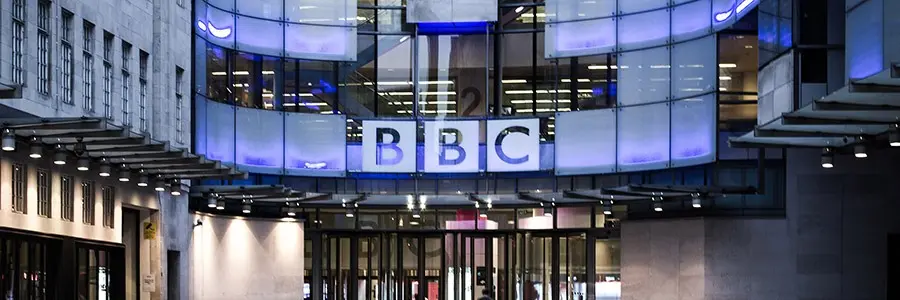
At the bleeding edge of this operational evolution is BBC Studios, the commercial arm of the British Broadcasting Corporation. This week, BBC Studios’ Global Content Operations team announced a high-profile career opportunity: a search for a Media Operations Coordinator based out of the iconic Broadcasting House in London. This pivotal role sits at the intersection of media asset management (MAM), workflow engineering, and cross-platform distribution.
This article provides an in-depth exploration of this career opportunity, examining the core responsibilities required to manage content delivery across emerging and established platforms. Furthermore, we contextualize this hiring initiative within the broader macroeconomic and technological trends shaping Digital Asset Management (DAM), cloud-based media logistics, and the exponential rise of FAST channels in the global television market.
Detailed Chronology & Role Breakdown
The recruitment drive for the Media Operations Coordinator position reflects the accelerated pace at which global content distributors must operate to satisfy international audiences. To understand the gravity of the role, one must examine the day-to-day lifecycle of a digital media asset within BBC Studios’ vast inventory.
The Lifecycle of Content at BBC Studios
- Ingestion and Asset Creation: When a program or film is finalized, it enters the global supply chain. The Media Operations Coordinator works directly with production teams, external vendors, and internal stakeholders to ensure that high-resolution master files and associated components—such as alternate audio mixes, closed captions, and artwork—are successfully ingested.
- Quality Control and Specification Compliance: Ensuring that files meet the rigorous technical specifications of disparate platforms is paramount. Whether a file is destined for a linear broadcast partner, a global subscription VOD (SVOD) provider, or an ad-supported FAST channel, it must adhere to strict video and audio codecs.
- Metadata Enrichment and Localization: Content value is directly tied to its discoverability. The coordinator oversees metadata tagging, structural organization, and localization processes, ensuring titles can be seamlessly searched, recommended, and translated for international markets.
- Platform Onboarding and Distribution: Once an asset is polished and cataloged, the coordinator manages its delivery to external platforms, onboarding new streaming partners and verifying that live or on-demand feeds function without disruption.
- Performance Tracking and Continuous Improvement: The operational loop closes with data analysis. The coordinator tracks operational performance metrics—such as delivery success rates, ingestion latency, and error logs—to optimize future workflows.
This comprehensive operational scope requires an individual who can navigate both the technical minutiae of file-based workflows and the interpersonal dynamics of client relationship management.
Supporting Context & Industry Metrics: The Rise of FAST and Cloud MAM
To fully appreciate the strategic significance of BBC Studios’ Global Content Operations team, one must analyze the broader macroeconomic shifts currently redefining the media industry.
The FAST Revolution and Content Distribution
Over the past three years, Free Ad-Supported Streaming TV (FAST) has transitioned from a niche alternative to a mainstream powerhouse. Driven by consumer subscription fatigue and a renewed appetite for linear-style lean-back viewing experiences, FAST channels have exploded across smart TVs and aggregation platforms.
For major content titans like BBC Studios—home to world-renowned brands like Doctor Who, Planet Earth, and Top Gear—monetizing libraries through FAST channels requires an agile, highly automated content supply chain. Unlike traditional scheduled broadcasting, FAST platforms often demand dynamic ad insertion (DAI) compatibility, specific slate placements, and rapid playlist rotations. A Media Operations Coordinator is the linchpin that ensures these complex operational requirements are met at scale without compromising quality.
The Evolution of Digital Asset Management (DAM) and Cloud Workflows
The traditional model of relying on physical tape archives and on-premise servers has been thoroughly disrupted by cloud-native computing. Modern media operations rely heavily on sophisticated MAM systems, cloud storage buckets (such as Amazon S3 or Google Cloud Storage), and automated transcoding pipelines.
- Cloud-Based Environments: Modern media teams rarely touch physical media. Operations are executed via remote, cloud-based interfaces where assets are accessed, reviewed, and approved across continents in real time.
- Metadata as a Strategic Asset: In an era of infinite choice, metadata is king. Clean, standardized metadata powers recommendation engines, algorithmic curation, and automated compliance reporting.
- Localization at Scale: Translating content for dozens of global territories requires synchronized workflows involving translation agencies, voice-over artists, and subtitle generators.
Candidates who possess fluency in these cloud-first paradigms are no longer just "nice-to-haves"—they are essential personnel for media organizations striving to maintain a competitive edge.
Official Insights & Industry Perspectives
The announcement of this recruitment drive highlights a broader industry sentiment regarding the increasing complexity of media logistics.
In a statement released alongside the job posting, industry insiders associated with the initiative emphasized the multifaceted nature of contemporary media operations:
“This role offers exposure to a broad range of media operations activities, from asset delivery and workflow management through to metadata, localisation and platform onboarding. It is an excellent opportunity for someone looking to build on existing media operations experience within a fast-paced, international environment.”
This sentiment underscores a structural shift in how media companies value operational talent. Historically siloed into repetitive technical tasks, modern media operations professionals are strategic enablers. They bridge the gap between creative production and digital monetization, ensuring that intellectual property reaches global audiences efficiently, securely, and profitably.
Future Outlook: The Next Decade in Media Operations
As we look toward the remainder of the 2020s, what can we expect from the fields of Global Content Operations and Digital Asset Management? Several key trends are poised to shape the horizon:
1. Artificial Intelligence and Automated Metadata Tagging
While human oversight remains critical—especially regarding editorial context, sensitive localization nuances, and creative quality control—artificial intelligence (AI) and machine learning (ML) are rapidly integrating into the media supply chain. Automated speech-to-text transcription, facial recognition for cast tagging, and predictive quality control algorithms will alleviate the burden of routine operational tasks, allowing coordinators to focus on higher-level workflow optimization and vendor management.
2. Sustainability in the Cloud
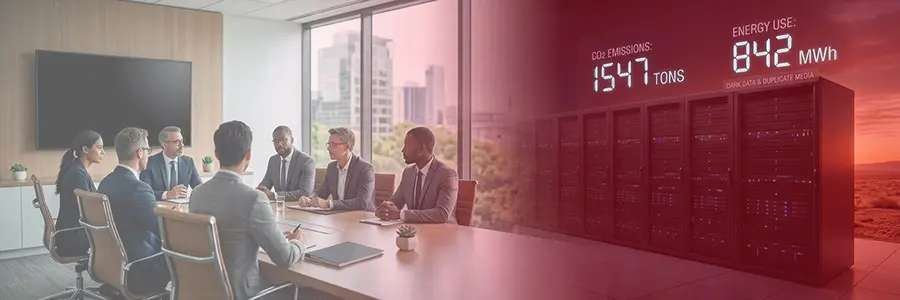
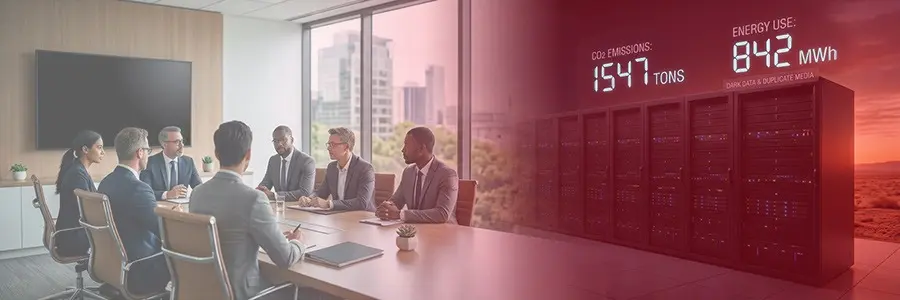
As data centers consume vast amounts of energy to power continuous global streaming and heavy cloud transcoding, sustainability is emerging as a critical metric for media operations. Future coordinators will likely need to factor carbon footprints into their workflow decisions, optimizing file storage tiers and selecting energy-efficient cloud regions to minimize environmental impact.
3. Hyper-Personalization and Modular Content
Content is increasingly being distributed in modular formats—alternate endings, interactive scenes, dynamic aspect ratios for mobile devices, and targeted ad breaks. Managing these complex matrixes of derivative assets will require even more advanced MAM systems and highly skilled operational teams capable of tracking millions of discrete digital components.
Conclusion
BBC Studios’ search for a Media Operations Coordinator is more than just a routine job vacancy; it is a window into the inner workings of 21st-century media logistics. As consumer demands for instant, high-definition, localized content across an ever-growing array of platforms continue to surge, the professionals who manage the digital supply chain will remain the unsung heroes of the entertainment industry.
For media professionals with a background in file formats, delivery specifications, and MAM systems, roles like this represent the gateway to a dynamic, high-impact career at the very forefront of global broadcasting and digital streaming.
For full details regarding application requirements, qualifications, and submission guidelines for the Media Operations Coordinator position, interested candidates can visit the original DAM News job posting. Industry professionals and organizations interested in posting similar opportunities can utilize free standard subscriber accounts available via the DAM News Subscriptions portal.