







Executive Overview
As the global digital economy accelerates, the mechanisms governing content creation, management, and deployment are undergoing a radical transformation. Organizations are no longer evaluated solely on the volume of marketing materials they produce, but on the agility, precision, and governance underpinning their digital workflows. Against this high-stakes backdrop, the industry turns its attention to Munich as it prepares to host the flagship Content Creation Conference on October 27, 2026.
Positioned as this week’s premier industry event, the conference serves as a critical nexus for over 100 senior marketing and content executives from the DACH region (Germany, Austria, and Switzerland). The roster of attendees boasts C-suite leaders—including Chief Marketing Officers (CMOs), Vice Presidents of Marketing, and Content Directors—who are directly responsible for steering enterprise-level brand strategies.
The 2026 agenda moves far beyond surface-level creative discussions, diving deep into the technical foundations of modern marketing operations. Key topics slated for dissection include the practical applications of artificial intelligence (AI) in automated content generation, the symbiotic relationship between Digital Asset Management (DAM) and Content Management Systems (CMS), advanced narrative storytelling, visual asset optimization, comprehensive content marketing frameworks, social media strategies, and rigorous brand compliance protocols.
Underpinning the event’s commercial and technical gravity are industry-leading sponsors and speakers, notably major DAM heavyweights such as Bynder and Papirfly. With tiered registration pricing set at €1,400 for corporate content marketing professionals and €2,500 for technology vendors and solution providers, the conference filters for high-intent decision-makers capable of influencing enterprise software adoption.
Concurrently, the digital curation ecosystem is preparing for the virtual DLF Forum 2026, scheduled for October 14–15. Serving the Galleries, Libraries, Archives, and Museums (GLAM) sectors, the DLF Forum highlights the cross-pollination between commercial enterprise DAM and cultural heritage archiving. Together, these events underscore a unified industry mandate: the efficient, secure, and intelligent management of digital assets is no longer a backend administrative luxury, but a core driver of competitive advantage.
Detailed Chronology of Upcoming Industry Milestones
The autumn 2026 conference calendar reflects a packed schedule for information professionals, archivists, and marketing technologists alike. Understanding the timeline of these events provides crucial context for how industry standards are shifting across both commercial and non-profit sectors.
[October 14–15, 2026] ───────────────────────── [October 27, 2026]
Virtual DLF Forum 2026                          Content Creation Conference
- Focus: GLAM Sector Innovation                 - Focus: DACH Enterprise Marketing
- Virtual Networking & Archival Trends          - Venue: Munich, Germany
October 14–15, 2026: The Virtual DLF Forum
Opening the mid-autumn calendar next week, the DLF (Digital Library Federation) Forum 2026 brings together practitioners from the GLAM sectors. Designed as a fully virtual gathering, the forum circumvents geographical barriers to allow international experts in galleries, libraries, archives, and museums to convene. Sessions will heavily feature discussions on digital preservation standards, metadata interoperability, and the ethical management of cultural heritage collections. For DAM professionals operating in the commercial space, the DLF Forum offers valuable insights into long-term digital preservation, granular metadata tagging, and institutional access control—methodologies that enterprise organizations increasingly look to adopt as their asset libraries scale into the millions.
October 27, 2026: The Content Creation Conference (Munich)
Two weeks following the DLF Forum, the focus shifts sharply to the commercial sector in Munich. The Content Creation Conference represents a high-density, single-day immersive experience tailored explicitly for the DACH region’s marketing elite.
- Morning Sessions (09:00 – 12:30): The day initiates with keynote addresses unpacking the state of AI-powered content engines. Industry analysts and brand leaders will explore how generative AI tools interact with centralized DAM repositories to automate version control, tagging, and localization. This is followed by technical deep-dives into headless CMS architectures and how they integrate seamlessly with enterprise DAM software to power omnichannel campaigns.
- Afternoon Workshops (13:30 – 17:00): Post-lunch programming splits into specialized tracks. Track one focuses on brand compliance and regulatory frameworks, addressing the legal complexities of global asset usage rights, digital rights management (DRM), and AI-generated copyright considerations. Track two concentrates on human creativity, visual storytelling, and data-driven content marketing plans designed to cut through market noise.
- Evening Networking (17:00 onwards): The event culminates in structured networking sessions, connecting corporate buyers directly with enterprise solution providers such as Bynder and Papirfly.
Supporting Context & Metrics: The State of DAM and Content Operations in 2026
To fully grasp the significance of the Munich conference, one must examine the macro-economic and technological pressures currently shaping the digital asset management landscape.
The Exponential Growth of Digital Footprints
Enterprise organizations are generating visual, audio, and textual assets at an unprecedented velocity. According to recent enterprise technology benchmarks, the average mid-to-large enterprise manages a digital asset library exceeding 5 million discrete files. Without a sophisticated DAM infrastructure, organizations face severe operational bottlenecks:
- Asset Redundancy: Studies indicate that up to 30% of marketing assets are recreated from scratch simply because teams cannot locate existing files within legacy storage systems or shared drives.
- Brand Inconsistency: Fragmented asset storage often leads to the deployment of outdated logos, incorrect typography, or unapproved imagery across localized marketing channels, resulting in costly compliance breaches.
- Time-to-Market Delays: Manual search, approval, and distribution workflows consume up to 35% of a creative team’s working hours, delaying campaign launches.
The Integration of AI and Intelligent Automation
The 2026 enterprise landscape demands real-time personalization at scale. Consequently, DAM platforms have evolved from static digital filing cabinets into intelligent, AI-driven hubs. Modern systems leveraged by leaders in the DACH region utilize machine learning algorithms for:
- Automated Metadata Tagging: Instantly recognizing objects, colors, text, and facial features within images and videos to generate rich search tags without human intervention.
- Smart Cropping and Resizing: Automatically formatting master assets to fit diverse social media and digital advertising specifications instantly.
- Predictive Content Analytics: Analyzing historical performance data of specific digital assets to guide creative teams on which visual styles yield the highest engagement rates.
DACH Market Dynamics
The DACH region represents one of Europe’s most stringent regulatory and economic environments. Strict data privacy laws (such as the GDPR and Swiss nFADP), combined with a high premium on linguistic and cultural localization across German, French, Italian, and Romansh markets, make efficient content operations paramount. Enterprises in Munich, Frankfurt, Zurich, and Vienna cannot afford sloppy content workflows. They require bulletproof brand compliance, secure multi-tenant access controls, and flawless integration between localization engines and central asset repositories—themes that form the bedrock of the Munich conference’s curriculum.
Official Statements and Industry Perspectives
In the lead-up to the event, organizers and participating vendors have emphasized the transformational potential of the conference for marketing leaders seeking tofuture-proof their operations.
Articulating the core mission of the gathering, event organizers released an official statement highlighting the multifaceted benefits for attendees:
"Attend our conference to stay informed on the latest marketing and content creation trends, network with peers and experts, boost your creativity, and build your personal brand recognition. Enhance your skills and stay ahead of the curve. Learn how efficiently organizing your digital assets can boost productivity and streamline workflows. Experience the benefits of seamless collaboration and get ahead in the game by learning about digital asset management from experts."
This sentiment resonates deeply with industry analysts who note that modern CMOs are increasingly evaluated on their operational efficiency. By bridging the gap between creative vision and technical execution, the conference addresses the primary friction points reported by marketing directors across Europe.
Furthermore, the active participation of tier-one vendors like Bynder and Papirfly signals a collaborative approach to solving enterprise challenges. Representatives from these solution providers are slated to lead masterclasses demonstrating how cloud-native DAM architectures dismantle departmental silos. By bringing together software creators and enterprise users, the conference fosters a feedback loop that directly influences the roadmap of next-generation marketing technology.
Future Outlook: Where Content Creation and DAM Converge
Looking beyond the immediate horizon of October 2026, the convergence of content creation, artificial intelligence, and digital asset management is set to accelerate further. Several emerging trends will likely dominate executive agendas over the next three to five years:
1. Autonomous Content Pipelines
The boundary between content creation tools and DAM systems will continue to blur. Future workflows will feature autonomous pipelines where AI agents, triggered by real-time consumer data, pull approved brand elements from the DAM, generate targeted localized variations, secure automated compliance approval, and deploy campaigns across channels with minimal human intervention.
2. Decentralized Governance with Centralized Control
As remote and hybrid work models solidify across the DACH region, enterprises require robust cloud infrastructure that empowers local marketing teams to customize content while maintaining strict, automated adherence to global brand guidelines. DAM platforms will serve as the single source of truth that enforces these boundaries dynamically.
3. Sustainability in Digital Storage
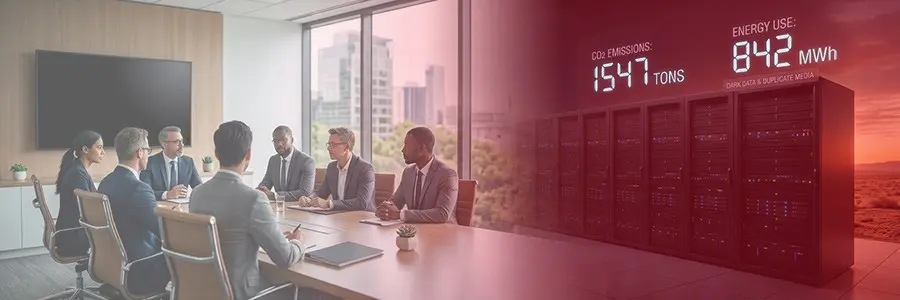
With the environmental footprint of data centers coming under intense regulatory and corporate scrutiny, enterprise DAM strategies will increasingly prioritize storage efficiency. Deduplication algorithms, intelligent asset archiving, and carbon-aware cloud infrastructure will become key evaluation criteria for CMOs and IT directors selecting DAM vendors.
Engaging with the Community
For professionals looking to stay connected with these unfolding developments, opportunities extend well beyond physical attendance. Industry platforms like Digital Asset Management News continue to provide open collaboration spaces. Practitioners, vendors, and researchers are encouraged to contribute event listings, case studies, and thought leadership articles to the community calendar—accessible via a free standard subscriber account registration.
As Munich prepares to welcome the DACH region’s foremost marketing minds on October 27, the message is clear: mastering the science of digital asset management is no longer optional for organizations striving for market leadership; it is the vital infrastructure upon which the future of digital storytelling is built.