Executive Overview
As generative artificial intelligence accelerates past simple text generation into hyper-realistic video production and instantaneous voice cloning, the global digital ecosystem faces an unprecedented existential crisis. The upcoming webinar, "Deepfakes, Disinformation, and the Battle for Digital Trust," scheduled for August 26 at 5:00 PM BST, arrives at a critical juncture. Featuring two of the world’s foremost authorities on synthetic media and information integrity—Henry Ajder of Latent Space Advisory and Renee DiResta of Georgetown University, author of Invisible Rulers—the free-to-attend event tackles the monumental challenge of rebuilding societal trust in an online world saturated with synthetic media.
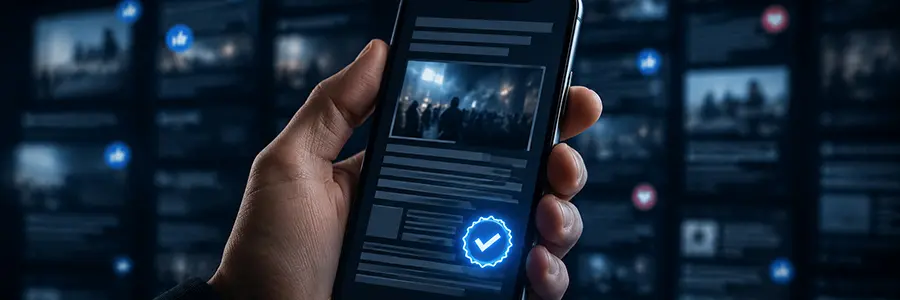
The proliferation of AI-generated video, cloned voices, and manufactured viral moments has severely compromised the foundational currency of the internet: trust. Today, bad actors can deploy deceptive content faster than traditional journalism, platform moderators, or technical verification systems can debunk it. This article explores the multifaceted dimensions of this crisis, examining the technical mechanisms behind media provenance (such as C2PA Content Credentials), the socio-political implications of unchecked disinformation, and the structural reforms required to construct a resilient digital trust infrastructure for the twenty-first century.
Detailed Chronology: The Evolution of Synthetic Deception
To understand how the digital landscape arrived at this crossroads, it is essential to trace the rapid technological trajectory that transformed deepfakes from a fringe hobbyist novelty into a sophisticated geopolitical weapon and commercial threat.
Phase 1: The Novelty and Open-Source Boom (2017–2019)
The term "deepfake" entered the public lexicon around late 2017 when an anonymous Reddit user utilized open-source machine learning algorithms to superimpose the faces of celebrities onto adult film actors. Initially powered by generative adversarial networks (GANs), these early iterations were noticeably uncanny. Faces flickered around the edges, lighting mismatched the background, and outputs required hours of computational processing on high-end graphics cards. However, the open-source nature of the code meant that capabilities democratized rapidly. Within months, toolkits became accessible to anyone with basic programming knowledge, setting off early warning bells among national security experts and cybersecurity professionals.
Phase 2: Commercialization and Voice Cloning (2020–2022)
As deep learning architectures evolved—moving from basic GANs to complex diffusion models—the barrier to entry plummeted. By 2021, software developers no longer needed extensive datasets or days of rendering; commercial startups began offering text-to-video and voice-cloning applications marketed toward marketing agencies, game developers, and filmmakers. Unfortunately, these same tools were weaponized by fraudsters. High-profile incidents emerged where malicious actors used AI-generated audio clones of corporate executives to authorize fraudulent wire transfers running into the millions of dollars. The focus shifted rapidly from manipulated celebrity videos to targeted financial and corporate espionage.
Phase 3: Generative Scale and Real-Time Deception (2023–Present)
We now live in an era where generative AI can produce photo-realistic video, synthesize emotional speech from a mere three-second audio sample, and manufacture synthetic viral moments before verification mechanisms can even flag them. Platforms designed to connect humanity are routinely exploited to peddle counterfeit products, legitimize fringe conspiracy theories, and manufacture artificial consensus on polarizing political issues. The velocity of creation has outpaced human cognitive defenses, leading to a phenomenon known as the "liar’s dividend"—where powerful figures can dismiss genuine video evidence of wrongdoing simply by claiming it is an AI-generated deepfake.
Supporting Context & Metrics: The Scale of the Crisis
The mechanics of modern disinformation rely heavily on the psychological vulnerabilities of internet users and the structural incentives of social media algorithms.
The Amplification Architecture
Modern social media platforms are optimized for engagement. Algorithms prioritize content that evokes high-arousal emotions—such as outrage, fear, or profound validation—regardless of its factual accuracy. When an AI-generated viral moment hits the web, it frequently exploits these psychological triggers.
According to data compiled across cybersecurity and digital asset management monitoring networks, synthetic media shares several dangerous characteristics:
- Speed of Production: What once required a dedicated visual effects studio and weeks of labor can now be generated on consumer hardware in minutes.
- Volume of Deception: Automated bot networks can deploy thousands of deepfake videos and cloned-voice audio clips across multiple platforms simultaneously, overwhelming human fact-checking operations.
- Economic Disruption: Enterprises face billions of dollars in potential losses through brand impersonation, fraudulent transactions, and market manipulation driven by synthetic press releases or CEO interviews.
The Metadata and Provenance Gap
The core vulnerability of our current digital infrastructure is the absence of native verification. Historically, a photograph or video carried inherent proof of its origin through physical film stock or proprietary camera hardware. In the digital age, files are stripped of metadata, compressed, altered, and re-uploaded endlessly. Without a transparent chain of custody, consumers have no reliable way to distinguish between an authentic piece of photojournalism and a meticulously crafted synthetic fabrication.
Official Statements and Expert Insights
The upcoming webinar brings together two leading voices in the fight for information integrity. Their research and commentary offer a profound window into the systemic changes required to fix our broken information architecture.
Henry Ajder: Navigating the Latent Space
Henry Ajder, founder of Latent Space Advisory and a globally recognized pioneer in deepfake research, has long warned about the societal impacts of generative AI. Reflecting on the current state of technology, Ajder notes:
"AI can now generate convincing photo-realistic video, clone a voice with just a few seconds of sample, and manufacture a viral moment before anyone can verify it’s real. The same platforms people rely on to connect and share can just as easily be used to peddle a counterfeit product, legitimize a fringe conspiracy, or make a marginal opinion look like consensus. Faced with these challenges, how do we rebuild trust in what we see, hear, and believe online?"
Ajder’s work emphasizes that technological threats cannot be solved by technology alone; they require a holistic approach that bridges technical standards, media literacy, and regulatory oversight.
Renee DiResta: Understanding Invisible Rulers
Renee DiResta, research manager at Georgetown University and author of the acclaimed book Invisible Rulers, brings critical sociological and structural insights to the table. DiResta’s research focuses on how online narratives are shaped, manipulated, and amplified by networked actors. In her analysis of the modern information landscape, she frequently highlights how coordinated inauthentic behavior leverages generative tools to manufacture artificial social proof.
Together, Ajder and DiResta will explore the technical promise and operational limitations of C2PA Content Credentials—an open technical standard designed to trace the provenance of media from the moment of capture to the point of consumption, embedding tamper-evident cryptographic metadata into digital assets.
Future Outlook: Building a Resilient Digital Trust Infrastructure
As we look toward the remainder of the decade, safeguarding the integrity of digital assets requires a coordinated, multi-layered defense strategy spanning technical innovation, industry standards, and regulatory frameworks.
1. Adoption of Universal Provenance Standards
The widespread implementation of C2PA (Coalition for Content Provenance and Authenticity) standards is non-negotiable for the future of digital asset management (DAM), journalism, and enterprise communications. Camera manufacturers, software developers, and social media platforms must natively integrate cryptographic credentials into their products. When consumers view an image or video, they should be able to inspect a transparent ledger detailing who captured it, what editing software was used, and whether artificial intelligence was involved in its creation.
2. Upgrading Enterprise Digital Asset Management (DAM)
Organizations can no longer rely on static asset storage. Modern DAM platforms must evolve into intelligent verification hubs capable of ingesting, analyzing, and verifying the provenance of incoming media assets. Enterprises must deploy automated detection tools and metadata validation protocols to protect their internal workflows from poisoned data and deepfake-based social engineering attacks.
3. Fostering Societal and Media Literacy
Technical solutions alone will fail if end-users lack the critical frameworks to evaluate digital content. Educational institutions, governments, and civic organizations must prioritize digital media literacy, teaching citizens how to recognize the psychological triggers of disinformation and how to seek out verified sources of information.
4. Regulatory Accountability and Platform Governance
Social media platforms and generative AI developers must be held accountable for the societal externalities of their products. This does not mean stifling innovation; rather, it demands that platform operators implement robust watermarking, clear labeling of synthetic media, and swift removal mechanisms for malicious deepfakes targeting individuals, elections, and public safety.
Conclusion
The battle for digital trust is arguably the defining information challenge of our era. Events like "Deepfakes, Disinformation, and the Battle for Digital Trust" provide a vital forum for industry leaders, technologists, and researchers to chart a course toward a safer, more transparent digital future. By embracing technical provenance standards like C2PA, modernizing enterprise digital asset management, and fostering a culture of rigorous verification, society can reclaim the integrity of its shared digital reality.
To register for the free webinar on August 26 at 5:00 PM BST, or to explore more events addressing the future of digital trust, visit the official Digital Asset Management News Calendar.