The grand strategy genre has long held a distinct, albeit intimidating, allure for PC gamers. Titles like Sid Meier’s Civilization, Hearts of Iron, and Crusader Kings offer an awesome sense of scale. They invite players to construct sprawling civilizations from the ground up, manage intricate resource economies, and exert geopolitical influence over centuries or millennia. For seasoned veterans, these complex sandboxes provide unparalleled moments of dynamic storytelling and absolute agency. However, for newcomers, the barrier to entry can be profoundly daunting. The sheer weight of historical data, number-crunching UI elements, and unforgiving mechanics often alienates casual players before they can even grasp the core gameplay loop.
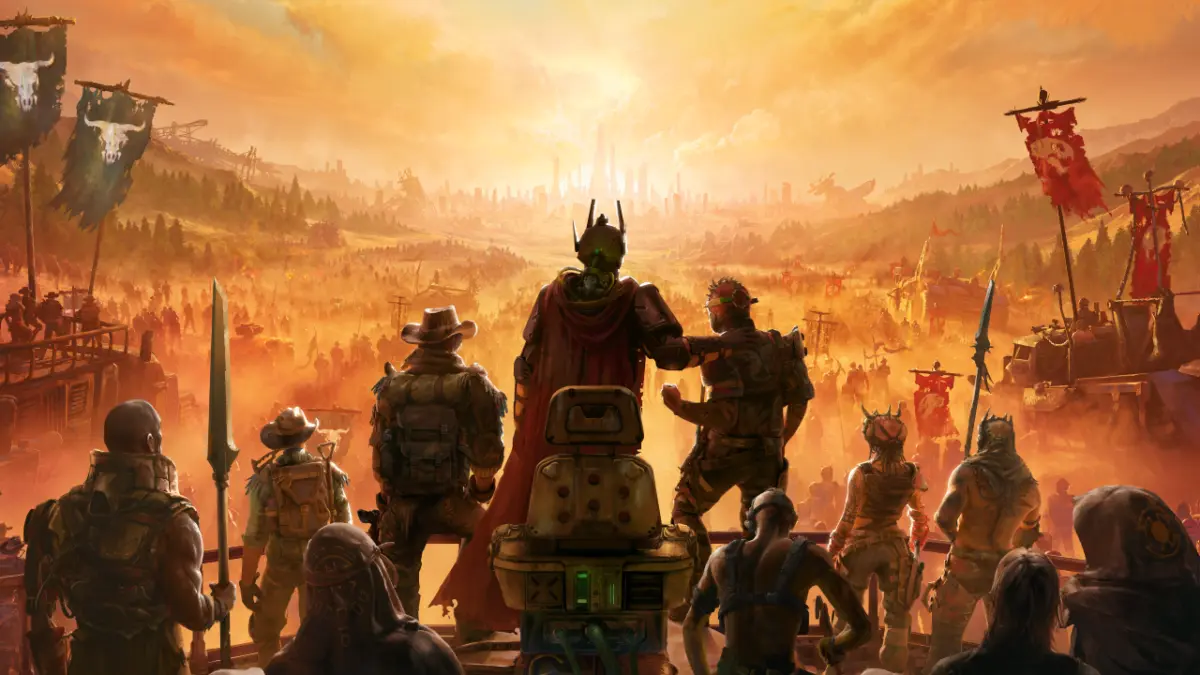
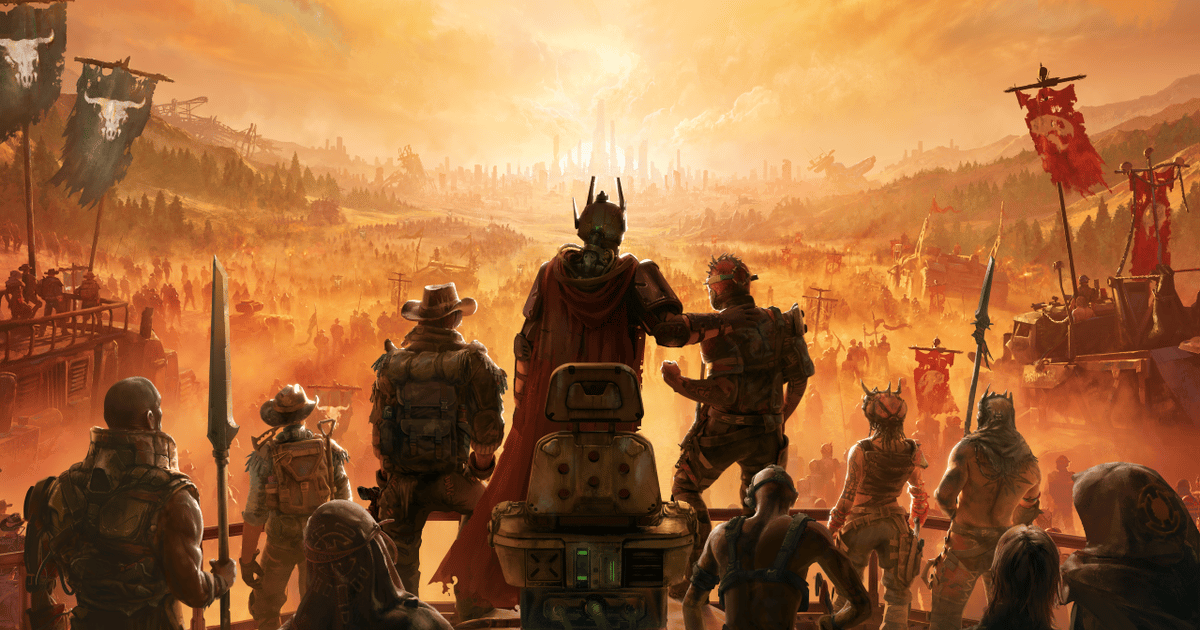
Enter Afterworld, the upcoming grand strategy title from veteran developer Paradox Interactive. Spearheaded by Game Director Dan Lind—whose past credits include heavyweights like Hearts of Iron IV and Crusader Kings III—Afterworld is engineered to shake up the genre. While it retains the core 4X pillars of exploring, expanding, exploiting, and exterminating, it transports these mechanics into a bleak, post-apocalyptic North America.
Instead of stepping into the middle of established human history, players guide fragmented tribes through a world desperately trying to rebuild itself from the ashes. By marrying traditional grand strategy with deep role-playing elements, narrative-driven discovery, and a focus on cultural evolution rather than endless spreadsheet management, Paradox Development Studio is attempting to open the genre to an entirely new audience. This comprehensive preview explores the design philosophy, gameplay mechanics, and long-term vision behind what may be Paradox’s most experimental title to date.
Detailed Chronology: From Concept Backlog to Reality
The genesis of Afterworld stretches back far further than most fans might realize. For Dan Lind, the foundational concept of a post-apocalyptic grand strategy game predates his work on Hearts of Iron IV. For years, the idea existed merely as a collection of rough sketches, notes, and conceptual blueprints tucked away in the studio’s internal backlog.
[Pre-Hearts of Iron IV Era]
       │
       ▼ (Concept Inception: Too experimental for immediate production)
[Development of Stellaris]
       │
       ▼ (Proved sci-fi and alternative settings could attract new audiences)
[Leadership on Hearts of Iron IV & Crusader Kings III]
       │
       ▼ (Gained studio trust, capital, and design expertise)
[Greenlighting Afterworld]
       │
       ▼ (Current Phase: Opening grand strategy to RPG and narrative fans)
During the early stages of his career at Paradox Development Studio, Lind recognized that pitching a post-apocalyptic grand strategy game was simply too big of a gamble. The studio was heavily invested in historically grounded simulations, and traditional management systems dominated their portfolio. At the time, shifting focus toward a radically different, entirely speculative setting felt too risky.
The turning point for the studio’s design philosophy arrived with the launch of Stellaris. By stepping away from strict terrestrial history and embracing a sci-fi 4X framework, Paradox successfully captured a demographic of gamers who had never touched their historical titles. This proved that alternative settings could lower the barrier to entry while retaining the depth Paradox fans expect.
Following the critical and commercial success of Hearts of Iron IV and Crusader Kings III, Lind finally found himself in a position of sufficient creative capital and leadership security to resurrect his long-dormant project. Armed with the lessons learned from decades of crafting complex political and social simulations, the development team officially greenlit Afterworld. Today, the project represents a calculated evolution for Paradox: a bridge designed to guide narrative-focused RPG players into the rich, systemic depths of grand strategy without overwhelming them with historical data and numerical optimization.
Supporting Context & Metrics: The Post-Apocalyptic Sandbox
Set centuries after total global ruin, Afterworld casts players across a radically altered North America. The remaining clusters of human civilization are heavily isolated. Some communities have spent generations hiding away in subterranean bunkers, others eke out a meager existence in makeshift surface towns, and some serve bizarre, tech-worshiping cyborg billionaires who rule over protected techno-cities like neo-feudal deities.
The Gameplay Loop and the "Shelterborn" Experience
During early hands-on previews, players step into the shoes of the Shelterborn, a faction of vault-dwellers suddenly forced to leave their decaying subterranean home. True to the game’s survivalist theme, the player’s initial vault structure has a hard expiration date—it inevitably explodes after a set number of game phases. This forces the faction out into the unfamiliar, irradiated surface world, initiating what Lind describes as a "strategic road trip."
Evacuation & Initial Survival: Players must quickly establish safe havens, forage for scarce resources, and map out the immediate surroundings before their shelter collapses.
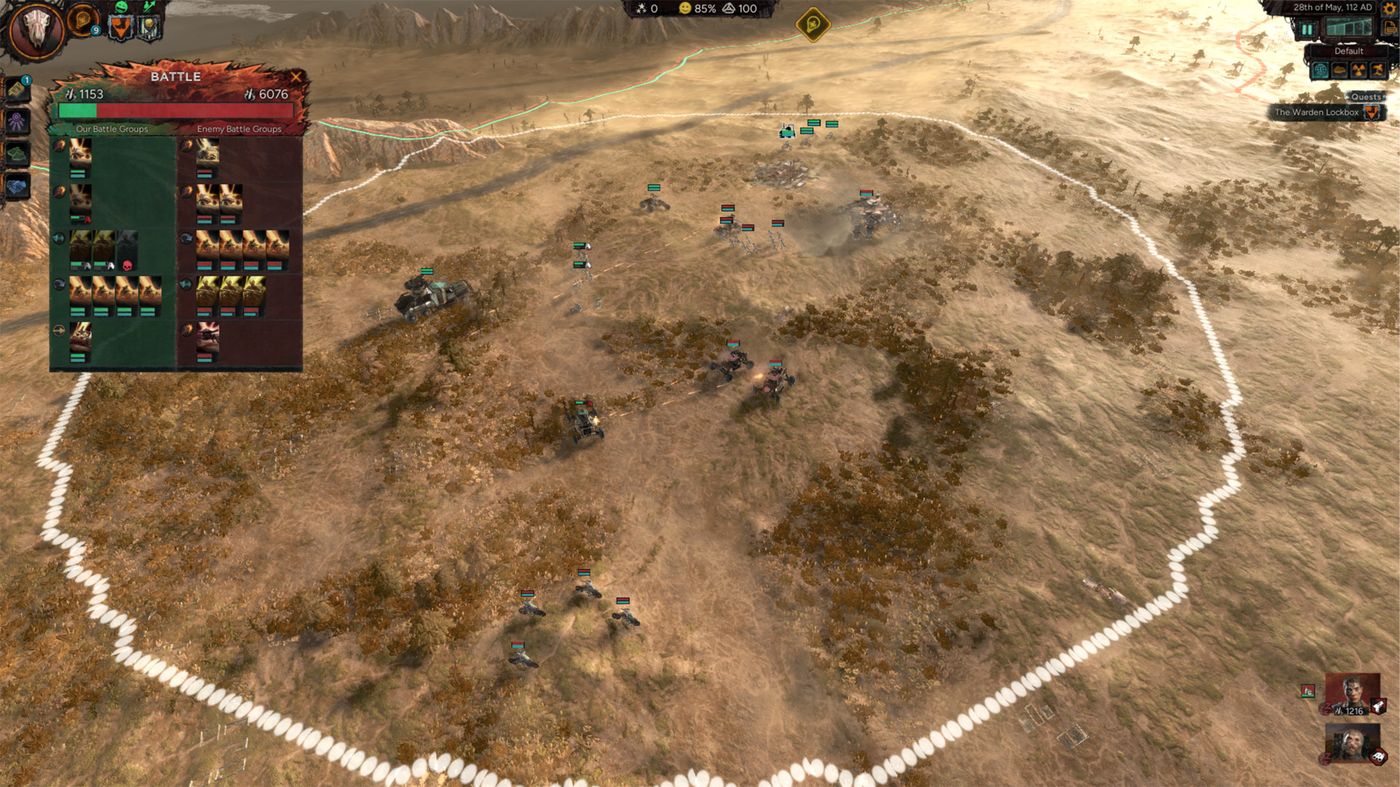
Expansion & Diplomacy: As territory grows, the tribe encounters roaming rival groups, mutated beasts, and aggressive regional warlords demanding tribute or fealty.
Cultural Evolution: Rather than focusing solely on military conquest or technological tech-trees, the ultimate goal is guiding the tribe’s philosophical and societal evolution.
The Disco Elysium-Inspired Ideology System
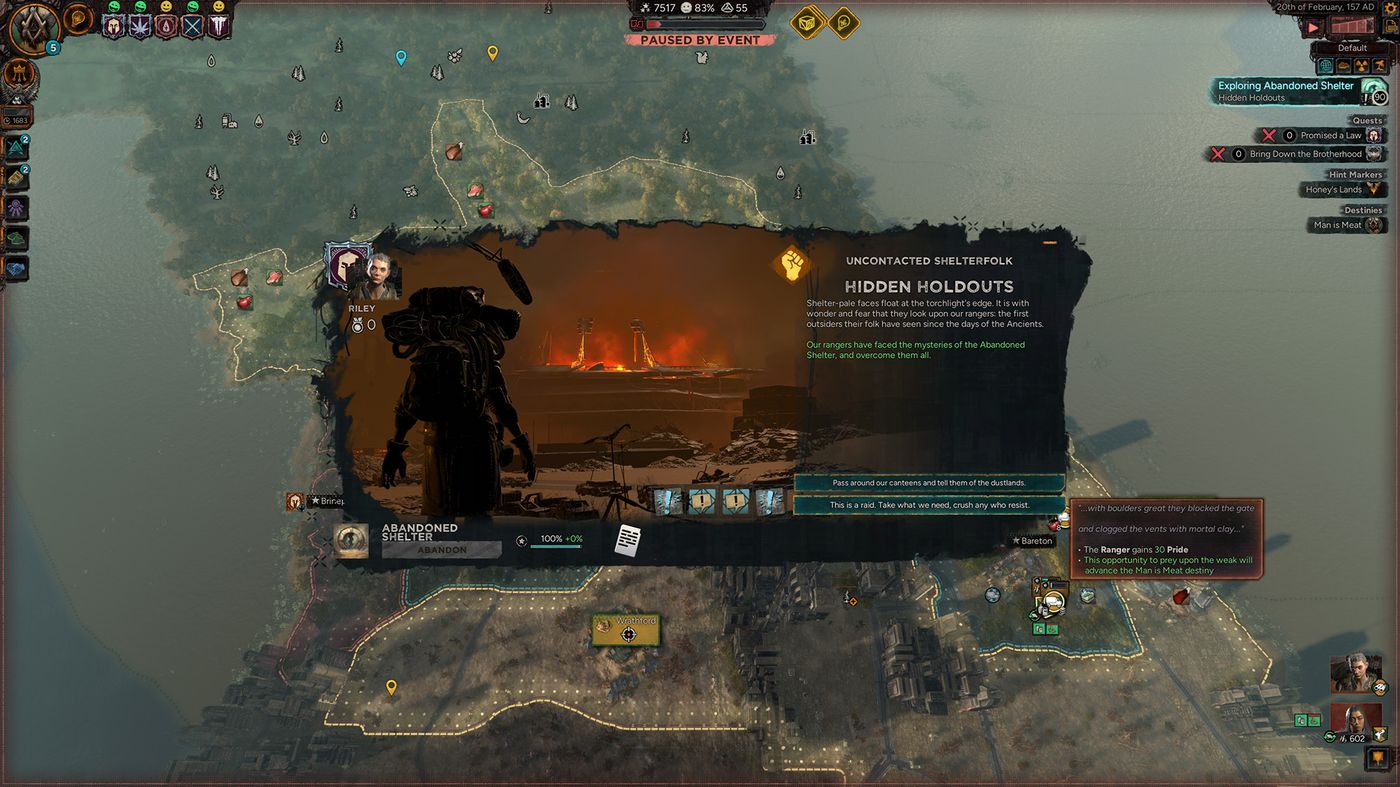
One of the most innovative mechanics showcased in Afterworld is its approach to culture and ideology. Eschewing the standard, rigid tech trees typical of the 4X genre, Afterworld utilizes an expansive menu system reminiscent of the abstract, internal-dialogue skill trees found in narrative RPGs like Disco Elysium.
As a tribe explores the wasteland, encounters remnants of old-world technology, and survives various trials, its members adopt core ideas. These ideas dynamically shift the makeup and ethos of the faction. Players can choose to steer their civilization down vastly different moral paths:
The Communal Path: A sheltered community can evolve into a cooperative society that actively dismantles historical injustices, slavery, and inequality.
The Techno-Worship Path: Factions can obsessively collect and revere old-world machinery, slowly mutating their bodies and belief systems to mirror their cyborg overlords.
The Survivalist/Cannibalistic Path: Pushed to the brink of starvation, tribes can embrace grim philosophies, developing a distinct taste for human flesh that alters their diplomatic standing across the wasteland.
This system ensures that no two playthroughs feel identical. The choices a player makes do not merely adjust floating statistical modifiers; they fundamentally rewrite the narrative identity and cultural destiny of their people.
Official Statements: Bridging Genres and Demographics
Paradox Development Studio has long prided itself on catering to a dedicated, hardcore niche. However, the studio’s recent growth has sparked an internal desire to broaden its demographic reach. In interviews following the initial reveal of Afterworld, Game Director Dan Lind elaborated on the core philosophy driving the project.
"We have always been very focused on the audience that we have with our games, and I hope all of them will like this too, but since we’ve grown as a company, we want to broaden the audience more as well," stated Lind.
Addressing the inherent challenges of traditional grand strategy titles, Lind pointed out why a historical setting like Hearts of Iron presents a massive hurdle for new players:
"When it comes to games like this, it’s always about that 4X experience of starting small and expanding as a necessity, but making that easy for all players to get into can be a challenge. I’m not sure how I would do this with Hearts of Iron, honestly, because it’s like you’re starting in the middle of history. But that’s why I like this version of a post-apocalyptic setting [with Afterworld], it’s like we’re restarting history and putting all players in that space forging that path into the unknown."
Lind also emphasized that Afterworld is designed to alleviate the anxiety of open-ended goal setting, a common stumbling block for players unfamiliar with sandbox strategy titles:
"Instead of going the Stellaris route where it’s a lot of settings to tune, we’re gonna try to ease you into playing a role-playing game with your tribe, essentially. I think for people who are not used to how a grand strategy game works, it can be quite hard to understand that you can do anything and to find out what your own goal is. With Afterworld, it’s gonna make you adapt and stay in the moment. I think at some point you’ll realize you’ve actually set goals for yourself and you’re able to do stuff. So I’m hoping we’ll be able to attract people who are invested in [the] story and won’t have to think too much about number crunching."
Reflecting on the long journey of bringing his long-held vision to life, Lind acknowledged the immense responsibility attached to the project:
"I’ve had this concept for Afterworld in the backlog for some time, even before I started work on Hearts of Iron IV. I had sketches of this game, but it felt too experimental for us to dare gamble on. I had to deliver on some games before someone lets me do a totally different grand strategy game like this, right? You don’t work on something like this without being passionate about it for a long time. It’s a huge commitment and a big responsibility to take on, right?"
Future Outlook: A New Horizon for Paradox Interactive
As Afterworld continues its development cycle at Paradox Development Studio, the gaming industry is watching closely. The title represents more than just a new intellectual property; it is a stress test for how traditional grand strategy mechanics can be packaged for modern narrative-driven gamers.
By blending the macro-management of territory expansion with the intimate, consequence-driven storytelling of a role-playing game, Paradox is attempting to dismantle the intimidating reputation that has kept casual strategy fans at arm’s length. If successful, Afterworld could serve as a vital gateway drug—introducing a fresh wave of players to systemic simulation design while offering seasoned veterans a deeply atmospheric, highly replayable sandbox.
For a studio built on the simulation of complex historical epochs, hitting the reset button on human civilization might just be the boldest, most brilliant move Paradox Interactive has ever made. As we await further updates on release dates, closed betas, and deeper mechanic deep-dives, one thing remains certain: the wasteland is coming, and how we choose to rebuild it will define the next generation of grand strategy gaming.