Executive Overview
As federal policy shifts toward resource extraction and infrastructural expansion, the ecological integrity of America’s remaining wild public lands hangs in the balance. Expected to be formally enacted in 2026, a proposed rollback of the landmark 2001 Roadless Rule by the incoming Trump administration threatens to fundamentally alter the American landscape. For over two decades, this federal policy has served as an invisible yet formidable shield, safeguarding millions of acres of pristine national forest lands from commercial logging, mineral leasing, and road construction.
Proponents of the repeal argue that opening these areas will stimulate local economies, improve forest management, and expand access. However, conservation scientists, ecologists, and millions of citizens are sounding the alarm. Dismantling the Roadless Rule is not merely a bureaucratic adjustment; it is an irreversible fracture of critical ecological buffers. These roadless zones do not exist in isolation. They form the foundational scaffolding of larger ecosystems, directly interlocking with iconic national parks and federally designated wilderness areas.
The stakes extend far beyond the preservation of remote vistas. Roadless areas provide irreplaceable core habitat for an array of imperiled species—ranging from California’s relictual slender salamander to the Mount Pinos lodgepole chipmunk—while acting as vital nurseries for biodiversity where the median tract supports up to 10 species of conservation concern. Furthermore, these undisturbed landscapes serve as pristine hydrological sponges, filtering the drinking water supply for approximately 47 million Americans. Compromising these watersheds through industrial development risks heavy downstream sedimentation, disrupted streamflows, and skyrocketing water purification costs for municipalities.
Despite overwhelming public opposition—demonstrated by analyses showing that more than 99% of public comments submitted on the rescission notice oppose the repeal—the momentum toward rescinding the rule persists. This investigative report examines the multi-faceted impacts of the proposed rollback, tracing the history of the policy, analyzing the ecological and hydrological metrics at risk, reviewing official stances, and forecasting the long-term consequences for the future of America’s public lands.
Detailed Chronology: From Conservation Landmark to 2026 Rollback
To understand the gravity of the impending 2026 policy reversal, one must trace the evolutionary history of federal forest management and the fierce political battles that forged the Roadless Rule.
The Genesis of Forest Protection (Late 20th Century)
For decades following the passage of the National Forest Management Act and the Wilderness Act, the U.S. Forest Service struggled to balance timber production with conservation. By the late 20th century, the expansion of logging roads into remote national forests had begun to fragment contiguous habitats, accelerate soil erosion, and degrade water quality. Constructing and maintaining these industrial roads also created a massive financial and environmental backlog for the federal government.
The 2001 Roadless Rule Landmark
Recognizing the escalating ecological toll, the Clinton administration enacted the National Forest System Roadless Area Conservation Rule in January 2001. Often simply called the Roadless Rule, this sweeping regulation prohibited road construction and timber harvesting on nearly 58.5 million acres of inventoried roadless areas within the National Forest System. The policy was designed to protect the last remaining large blocks of undeveloped forestland, prioritizing clean water, wildlife conservation, and primitive recreation.
Decades of Litigation and State-Specific Battles
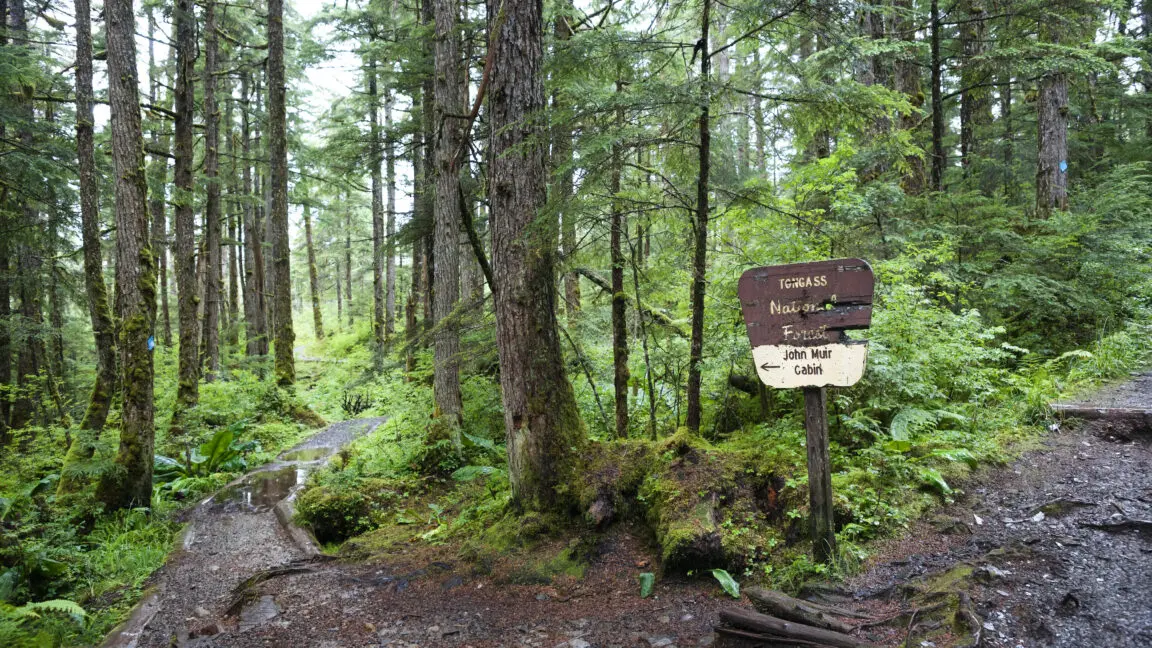
The 2001 rule immediately became a lightning rod for legal challenges, pitting conservation groups against timber industry associations and western states seeking greater local control. Over the next twenty years, the rule weathered numerous administrations, judicial injunctions, and state-specific petitions. Notably, states like Alaska and Colorado pursued tailored approaches, with Alaska seeking exemptions for its vast Tongass National Forest—protections that were subsequently reinstated and then targeted anew as political winds shifted.
The 2026 Rescission Horizon
The current trajectory represents the most aggressive legislative and administrative challenge to the Roadless Rule to date. Scheduled for formal codification in 2026, the Trump administration’s proposed rollback targets the foundational protections established a quarter-century ago. By systematically eliminating the regulatory barriers that keep heavy machinery and industrial development out of inventoried roadless areas, the administration aims to unlock access to natural resources. As federal agencies prepare the final framework for the 2026 transition, environmental watchdogs, legal scholars, and scientists are mobilizing to challenge the rollback in both the courts and the court of public opinion.
Supporting Context & Metrics: The Ecological and Hydrological Stakes
The argument for preserving roadless areas is anchored in rigorous empirical science. Decades of ecological research underscore that roads are not benign thoroughfares; they act as ecological wounds that sever habitat continuity, introduce invasive species, and alter wildlife behavior.
Buffering America’s Iconic Landscapes
Most roadless areas are not isolated geographic anomalies. They are deeply integrated parts of larger ecosystems, functioning as direct buffers to better-known national parks, monuments, and designated wilderness areas. When roadless protections are stripped away, these outer buffers are exposed to industrial encroachment, edge effects, and human-induced disturbances. This progressive fragmentation eats away at the integrity of the protected core, reducing the overall resilience of the ecosystem against climate change and severe weather events.
Sanctuaries for Imperiled Species
For many vulnerable and endangered species, roadless areas represent the final margin between survival and extinction. Consider the relictual slender salamander (Batrachoseps relictus complex), a critically imperiled amphibian native to California’s Sierra Nevada mountains. Over half of its suitable habitat exists exclusively within unprotected or inventoried roadless zones. Similarly, nearly 40 percent of the habitat for the Mount Pinos lodgepole chipmunk—an imperiled subspecies facing severe population pressures—is nestled within California’s roadless expanses.
Comprehensive landscape ecology research demonstrates that every formal roadless area provides critical habitat for at least two wildlife species of conservation concern. On average, the median roadless area acts as a sanctuary for 10 such imperiled species. In exceptionally biodiverse regions, such as specific roadless tracts in Arizona, a single area may harbor habitat for up to 62 species facing long-term survival risks. Introducing roads, traffic, and industrial development into these refuges spells structural habitat loss that cannot be mitigated or undone.
Hydrological Security and the 47 Million
Beyond biodiversity, roadless areas serve a crucial infrastructural function: they are the source of some of the cleanest drinking water in the United States. Undisturbed forest canopies and root systems regulate snowmelt, absorb heavy rainfall, and filter runoff naturally.
Research indicates that roadless areas protect vital watersheds supplying clean drinking water to 47 million Americans. While water would theoretically still flow from these lands if the rule is rescinded, the long-term hydrological sustainability of these systems would be severely compromised.
Road networks act as artificial drainage systems that collect water, accelerate runoff, and funnel sediment directly into pristine streams and rivers. This influx of silt and pollutants disrupts aquatic life—particularly cold-water fish species like trout and salmon—and clogs municipal water treatment infrastructure. Consequently, water purification costs for downstream communities inevitably rise.
This is not merely an environmental theory; it is backed by the Forest Service’s own internal metrics. The agency’s Watershed Condition Framework explicitly utilizes road density as a primary indicator for identifying conditions that disrupt natural water quantity and quality. Increasing road density directly correlates with degraded watershed health ratings across federal lands.
Official Statements & Public Sentiment
The ideological divide over the Roadless Rule reflects a broader national debate concerning the purpose of public lands: Should they be managed primarily for commodity extraction and economic yield, or preserved as natural capital for ecological health and public recreation?
The Administrative Justification
Proponents of the 2026 rollback argue that relaxing federal restrictions will empower local communities, reduce the risk of catastrophic wildfire through active forest management and timber thinning, and stimulate regional economies via mining and energy exploration. Federal officials championing the rule change frame it as a necessary correction to overreaching federal mandates, asserting that state and local stakeholders are better equipped to manage their surrounding forests than Washington bureaucrats.
The Scientific and Conservationist Outcry
In sharp contrast, the scientific community views the rollback as an ecological disaster in the making. In academic analyses published across leading ecological journals, researchers emphasize that roads often exacerbate wildfire risks by providing human ignition sources and introducing invasive, highly combustible grasses.
Furthermore, the public has made its voice unequivocally clear. When the Forest Service opened the public comment period regarding the rescission notice, citizens responded en masse. An exhaustive analysis conducted by the Center for Western Priorities revealed that over 99% of public comments submitted on the rescission notice strongly opposed rolling back the rules. This overwhelming public mandate mirrors the historic sentiment recorded in 2001, proving that American citizens continue to value quiet, wild forests as a cornerstone of their national heritage.
"Protecting these areas is not about locking people out of nature; it is about promoting healthy ecosystems on public lands so they can provide hiking, hunting, and fishing opportunities for generations to come to enjoy the tranquility of being in nature."
— Mariah Meek, Associate Professor of Integrative Biology, Michigan State University, and Travis Belote, Assistant Professor of Landscape Ecology, Montana State University
Future Outlook: What Lies Ahead for America’s Wild Forests?
As the 2026 implementation date approaches, the fate of America’s roadless areas is poised to become one of the defining environmental battles of the decade. The impending policy shift triggers a cascade of potential consequences across judicial, ecological, and socio-economic fronts.
Legal Challenges and Judicial Battles
Conservation organizations, tribal nations, and coalition states are already laying the groundwork for aggressive litigation. Legal experts suggest that any final administrative action to rescind the 2001 rule will face immediate challenges under the National Environmental Policy Act (NEPA), the Endangered Species Act (ESA), and the Administrative Procedure Act (APA). Plaintiffs will likely argue that the federal government failed to adequately account for the cumulative long-term impacts on carbon sequestration, endangered species habitat, and municipal water supplies.
Irreversible Fragmentation
Ecologists warn that once a road is cut through a previously pristine landscape, the damage is effectively permanent. Soil compaction, altered hydrological flows, and the introduction of human activity permanently fracture the ecological continuity of the forest. Species that require deep-forest interior conditions—such as migratory birds, large carnivores, and specialized amphibians—cannot simply relocate. For these populations, habitat fragmentation is a one-way street toward localized extirpation and declining genetic diversity.
The Value of Silence and Recreation
Beyond the quantifiable metrics of carbon, clean water, and species counts lies a less tangible but equally vital asset: the human experience of wilderness. In an increasingly hyper-connected, urbanized society, roadless areas represent some of the last quiet places in America. They offer citizens an escape into uncompromised nature for hunting, angling, backpacking, and quiet contemplation.
If the 2026 rollback proceeds as planned, the sound of engines, chainsaws, and heavy machinery will inevitably penetrate deeper into the backcountry. The collective decision facing the nation is whether the short-term economic gains of resource extraction outweigh the permanent loss of ecological sanctuaries that can never be restored once paved over.
This article synthesizes ongoing ecological research and policy analysis regarding the U.S. National Forest System. Original commentary and foundational findings were contributed by researchers Mariah Meek (Michigan State University) and Travis Belote (Montana State University), and have been adapted for comprehensive journalistic coverage.