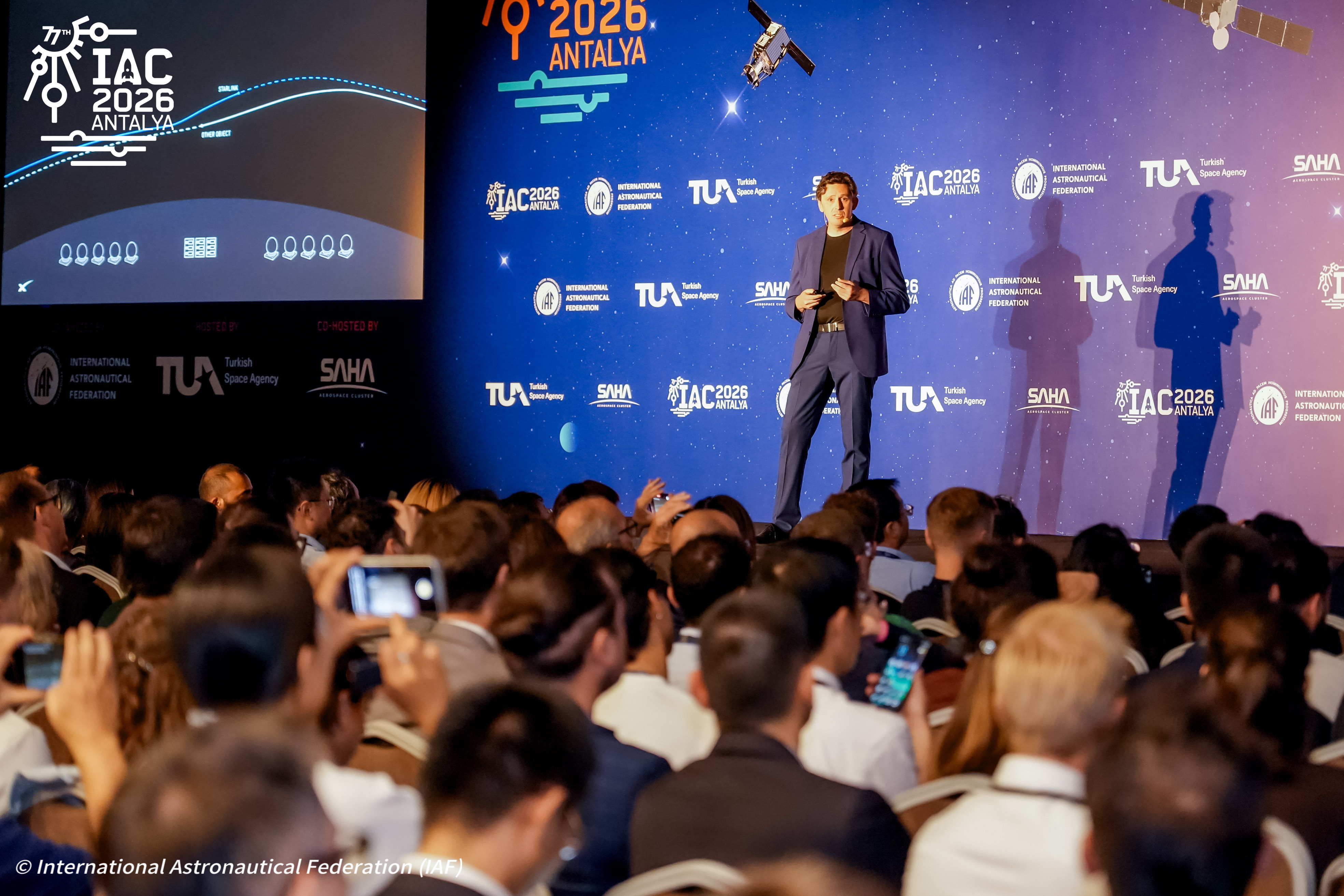
ANTALYA, TURKEY — As humanity accelerates its industrialization of low-Earth orbit (LEO), the margin for error in the heavens is shrinking to terrifying dimensions. Speaking at the International Astronautical Congress, Michael Nicolls, SpaceX’s Vice President for Starlink and President of artificial intelligence firm xAI, delivered a stark warning to the global aerospace community: the burgeoning megaconstellation era is careening toward disaster unless operators fundamentally alter their approach to space traffic management.
Highlighting a series of alarming close calls—where unannounced maneuvers by foreign and domestic spacecraft brought objects within tens to hundreds of meters of active Starlink satellites—Nicolls issued a clarion call for mandatory ephemeris sharing and radical operational transparency. With over 11,000 satellites currently swarming the skies and millions more proposed in the coming decades, the traditional laissez-faire approach to orbital navigation is no longer tenable.
Executive Overview: The High-Stakes Calculus of the Megaconstellation Era
The mechanics of low-Earth orbit are unforgiving. At an average velocity of 5 miles per second (roughly 28,000 kilometers per hour), two crossing objects do not collide; they obliterate each other, instantly generating thousands of high-speed shrapnel projectiles. This kinetic reality underpins the growing anxiety among orbital safety experts.
SpaceX currently operates the largest commercial constellation in history, commanding approximately two-thirds of all active spacecraft in LEO through its Starlink network. However, Starlink is merely the vanguard of an unprecedented orbital gold rush. Amazon is steadily deploying its Project Kuiper broadband network, while large-scale Chinese megaconstellations are rolling out at an aggressive pace. Beyond internet constellations, futuristic concepts like SpaceX’s proposed "Starmind"—an initiative to loft up to a million satellites dedicated to orbital AI computing—threaten to crowd the thermosphere to unprecedented densities.
While the probability of an individual collision on any given day remains mathematically low due to the sheer volume of empty space, the sheer volume of assets guarantees that rare events become statistical certainties over time. As Nicolls succinctly summarized during his keynote: “The law of large numbers says that if it can happen, it will happen.”
Detailed Chronology and Technical Context: Anatomy of a Close Encounter
To understand the severity of the crisis, one must examine how modern satellite constellations manage traffic. Traditionally, space tracking relied heavily on ground-based radar networks and optical telescopes operated by military entities, such as the United States Space Force’s Space Surveillance Network. However, ground-based tracking lacks the precision required to safely navigate thousands of maneuvering satellites in real time.
Recognizing this limitation, SpaceX engineered an onboard autonomous collision avoidance system supported by proprietary navigation cameras known as Stargaze. According to Nicolls, Stargaze now successfully tracks approximately 90 percent of maneuvering satellites that intersect Starlink orbital planes.
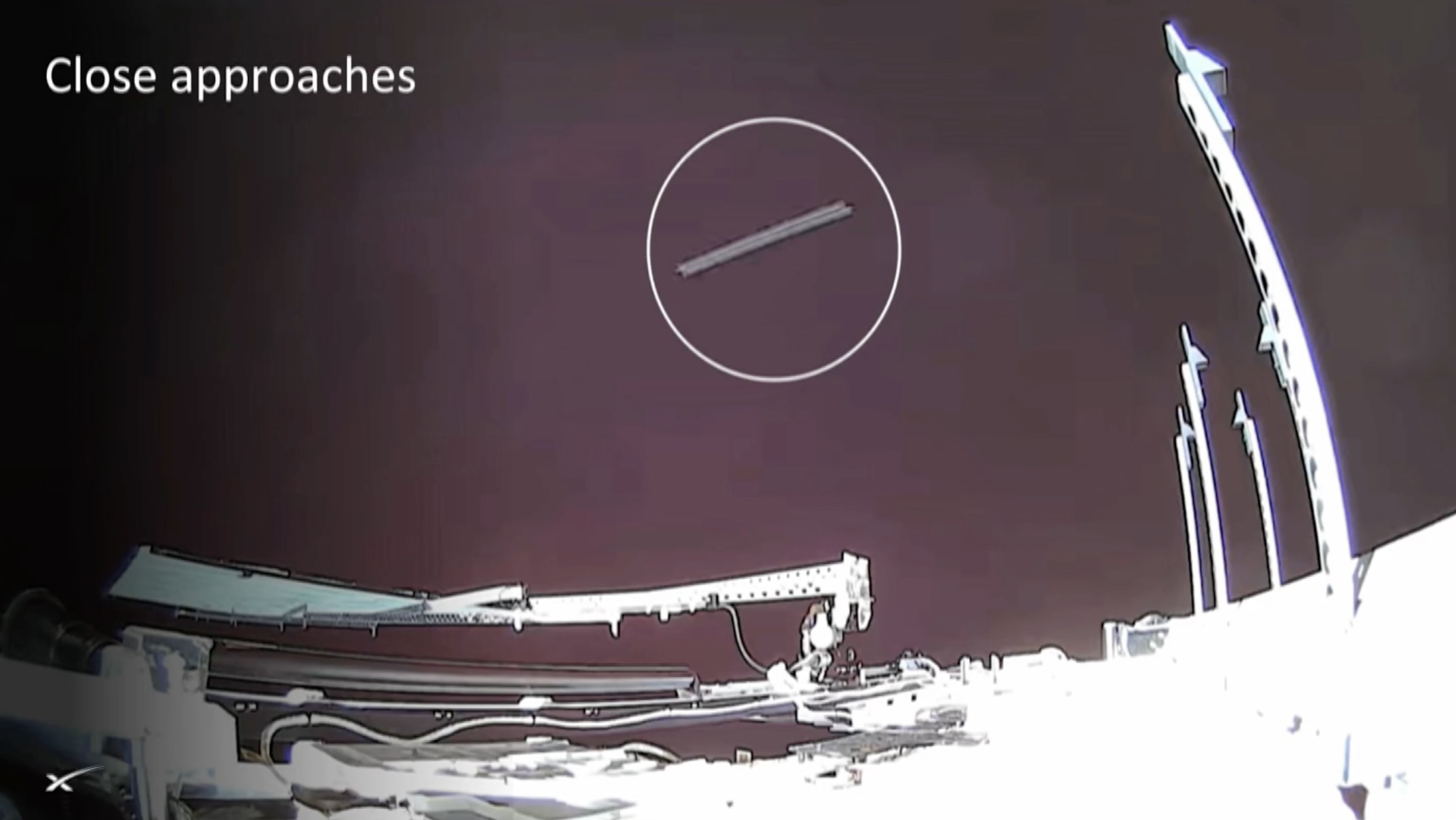
Despite these technological safeguards, autonomous systems are routinely undermined by human opacity. In recent months, Starlink satellites have executed roughly 1,000 collision avoidance maneuvers per day, steering clear of functioning spacecraft and untracked space debris alike. Most troubling, however, is a subset of these maneuvers: over the last few months, Starlink vehicles have been forced to take evasive action to avoid approximately 650 active satellites operated by external entities.
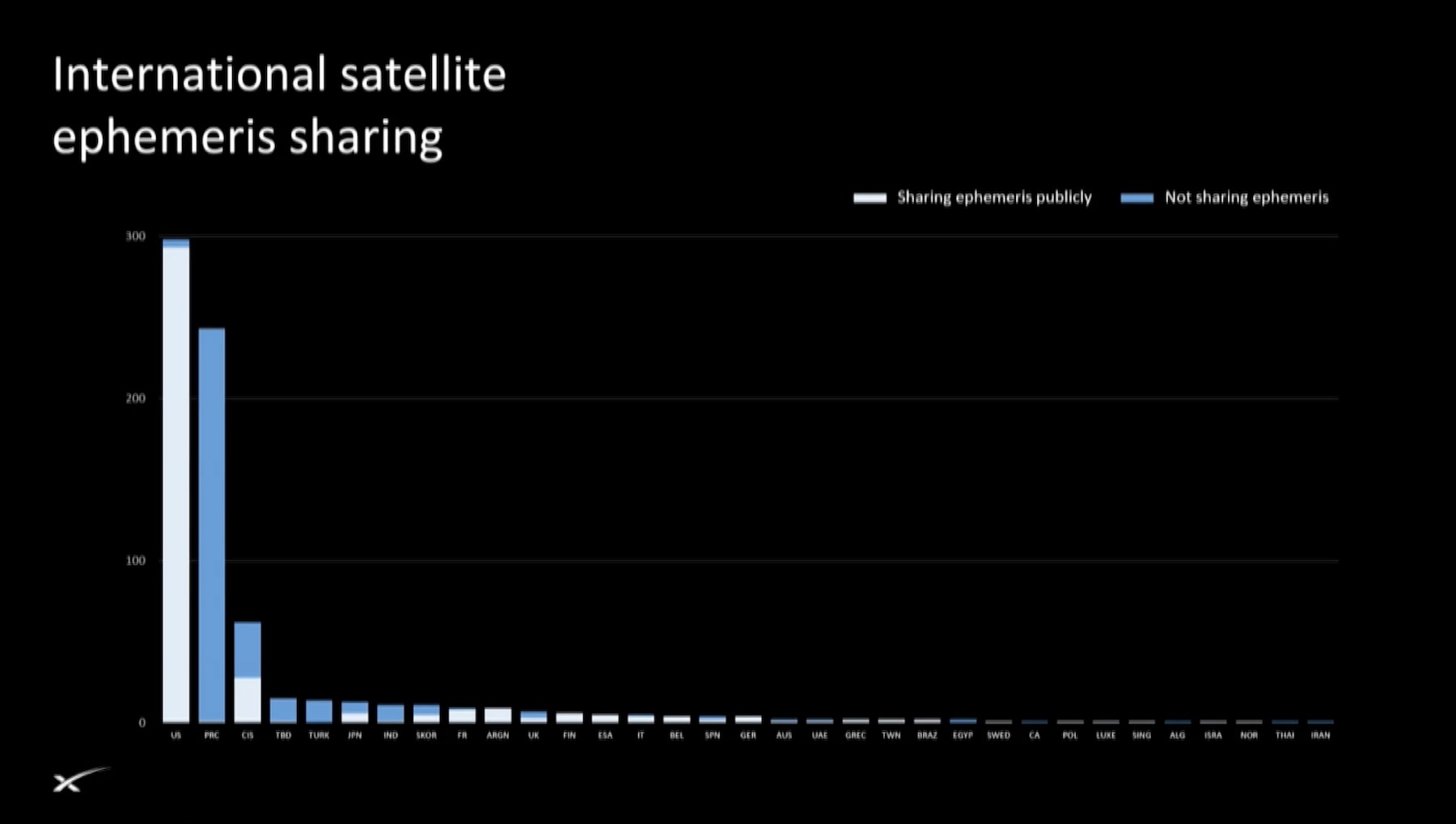
Crucially, only half of those 650 active satellites belonged to operators who actively share ephemeris data—precise mathematical tables detailing a spacecraft’s predicted position over time—with SpaceX.
"Either they were not publishing their ephemeris to us, or they were not considering the ephemeris of others when they were maneuvering," Nicolls told the assembly in Antalya. "And these led to conjunctions of tens of meters to hundreds of meters. Way too close to comfort."
When predictive data is withheld and an opposing satellite executes an unannounced trajectory change, Starlink’s onboard software must pivot to emergency protocols. If time permits, the satellite autonomously steers out of harm’s way. If a collision path is detected too late for physical displacement, the spacecraft executes "ducking maneuvers"—reorienting its physical profile to present the smallest possible cross-sectional area, thereby minimizing the physical target profile at the exact moment of maximum danger.
Supporting Context & Metrics: The Geopolitics of Orbital Secrecy
The reluctance to share orbital telemetry is rarely rooted in malicious intent. Historically, military and intelligence satellites operated under strict secrecy to protect their capabilities, orbits, and missions. Even in the commercial sector, some operators harbor lingering fears that sharing precise positional data and operational schedules could compromise proprietary business advantages or give competitors an edge.
However, Nicolls and other industry leaders argue that treating low-Earth orbit like a corporate trade secret or a theater of geopolitical posturing is a catastrophic miscalculation. A single catastrophic collision could spawn a debris cloud so dense it triggers the Kessler Syndrome—a runaway, self-sustaining cascade of impacts that could render entire orbital shells completely unusable for generations, cutting off humanity from GPS, global telecommunications, and Earth-observation science.
Data presented at the International Astronautical Congress highlighted a stark divide in global cooperation. While SpaceX has established functional communication channels with some international actors—including constructive data-sharing protocols with the Chinese space station program and select Chinese commercial operators—the vast majority of Chinese satellite operators continue to decline public ephemeris sharing. Similar reluctance, albeit on a smaller scale, was noted among certain legacy operators in the US, Europe, and Japan.
In response to these compounding risks, SpaceX has positioned itself as an industry benchmark for orbital stewardship—a posture driven as much by existential business necessity as corporate responsibility.
The company recently completed a comprehensive lowering of its active Starlink constellation, dropping operational altitudes below 500 kilometers (310 miles). This strategic downward migration yields a triple benefit:
Orbital Segregation: It physically separates the network from more heavily congested, higher-altitude orbital bands.
Accelerated Decay: It ensures that any disabled or failed satellite experiences vastly increased atmospheric drag, causing it to burn up harmlessly in the upper atmosphere much faster.
Network Performance: Lower altitudes reduce latency for broadband end-users.
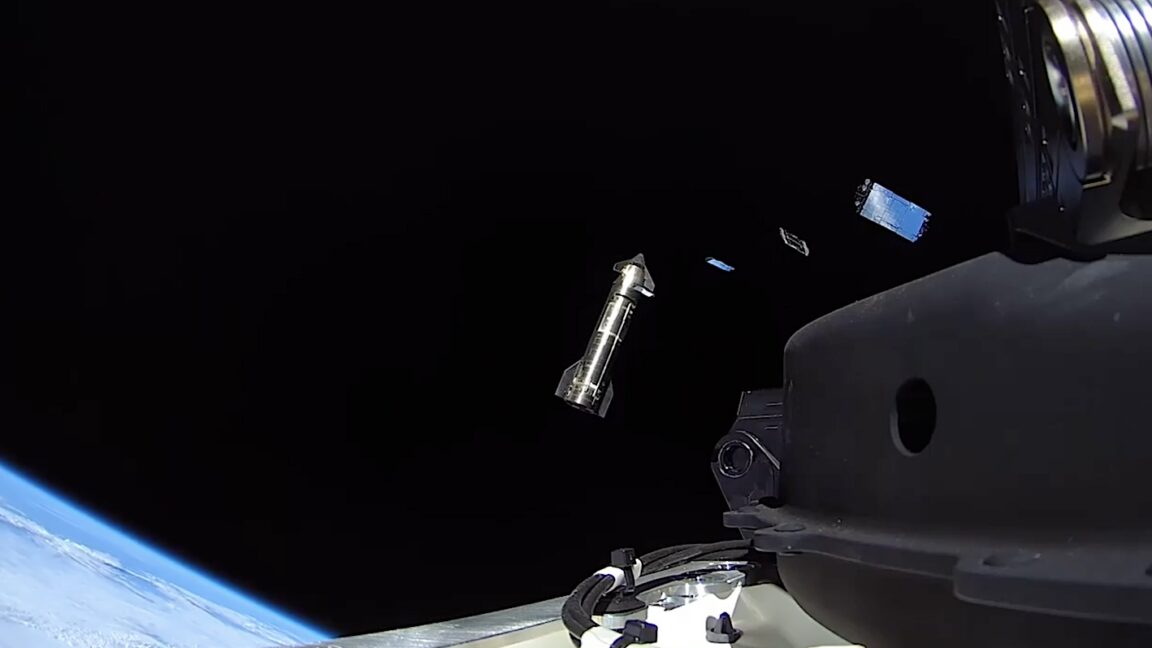
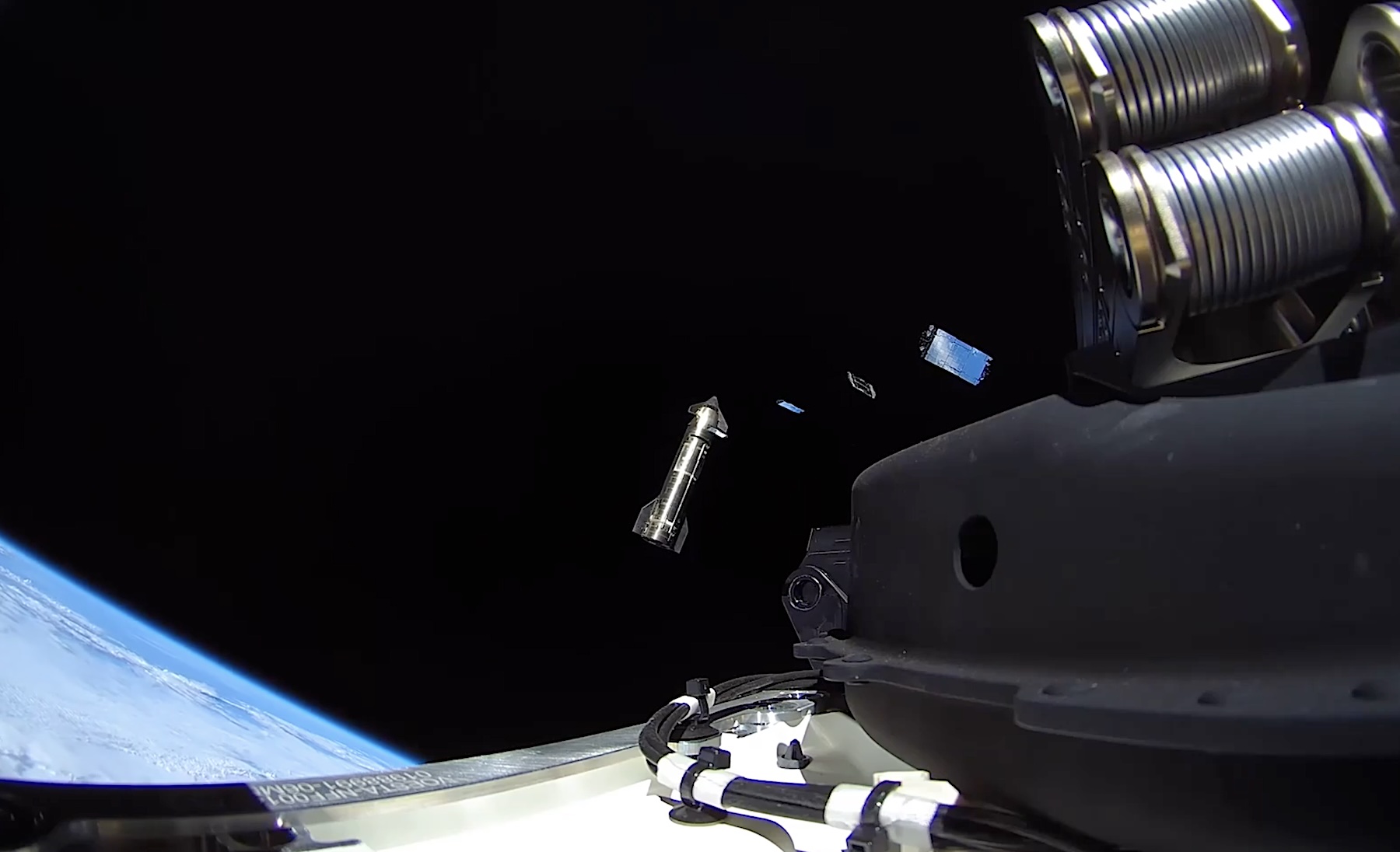
Furthermore, SpaceX’s new-generation Starlink V3 satellites, which began deployment aboard the massive Starlink-Starship architecture, are designed to operate at an even lower threshold of approximately 350 kilometers (217 miles).
Official Statements and Industry Perspectives: Amazon Weighs In
To gauge the broader industry consensus on these escalating space traffic challenges, Ars Technica reached out to Rajeev Badyal, head of Amazon Leo (Project Kuiper), Starlink’s primary American commercial competitor in the space-based broadband market. Amazon currently maintains 396 satellites in orbit, with thousands more queued for launch as soon as heavy-lift rocket availability permits.
Badyal unequivocally aligned Amazon with SpaceX’s call for transparency, dismissing the notion that ephemeris sharing should be controversial.
"Space safety is paramount to us as well," Badyal stated. "Every launch we do, we actually coordinate with SpaceX. We coordinate with others who have satellites. We let them know where we’re going to drop them off, how we’re going to orbit raise, etc. So we have regular meetings with companies like SpaceX to exchange data."
For Amazon, which holds FCC authorization for thousands of satellites in its first- and second-generation networks, open data exchange is viewed as a non-negotiable prerequisite for industry survival.
"Sharing ephemeris or sharing the information necessary for space safety is a non-issue," Badyal emphasized. "We’re big proponents of making sure that all of us operate in this domain in space in a coordinated fashion because the consequences of not doing so are significant for everybody, and there’s no reason not to."
When queried regarding the geopolitical hurdles presented by uncooperative foreign actors, Badyal acknowledged the complexity. While Amazon maintains close coordination with Western counterparts, he noted that engaging adversarial or closed-ecosystem operators remains a formidable hurdle. "Obviously, SpaceX is the largest constellation out there," Badyal remarked. "We work with them hand in hand. In terms of China and adversaries, that’s something I can’t comment on at the moment. At some point, we will have to coordinate, or it’ll end up being a negative thing for everybody, especially if they get to scale."
Future Outlook: Establishing the "Rules of the Road"
As the international community looks toward the remainder of the decade, low-Earth orbit stands at a historic crossroads. Currently, no binding global treaties or international laws mandate real-time ephemeris sharing, standardized maneuver notifications, or unified space traffic management protocols. The regulatory vacuum leaves the burden of safety squarely on the shoulders of private operators and voluntary norms of behavior.
Michael Nicolls’ parting message in Antalya was a direct plea to bridge this diplomatic and technical chasm:
"My fundamental ask here is that we need to make headway here and begin sharing data across all vehicles, from whatever country you are, with us and with others, to promote a safe operating environment."
The trajectory of human civilization increasingly depends on our digital infrastructure in space. Whether the spacefaring nations of the world can transcend geopolitical friction and commercial paranoia to establish reliable, universal rules of the road remains one of the defining technical questions of the 21st century. Until then, orbital operators will continue to navigate a cosmic game of high-stakes chicken, where a single missed transmission could darken the skies for good.