Executive Overview
In a sweeping restructuring of its interactive entertainment division, Netflix has confirmed the closure of two prominent video game development studios: Night School Studio, the acclaimed creator of Oxenfree, and Moonloot, an internal development team based in Helsinki. Alongside these studio closures, Netflix has enacted widespread layoffs across its broader games division, eliminating multiple roles as the streaming giant sharply pivots its operational focus toward specific, high-priority pillars of interactive media.
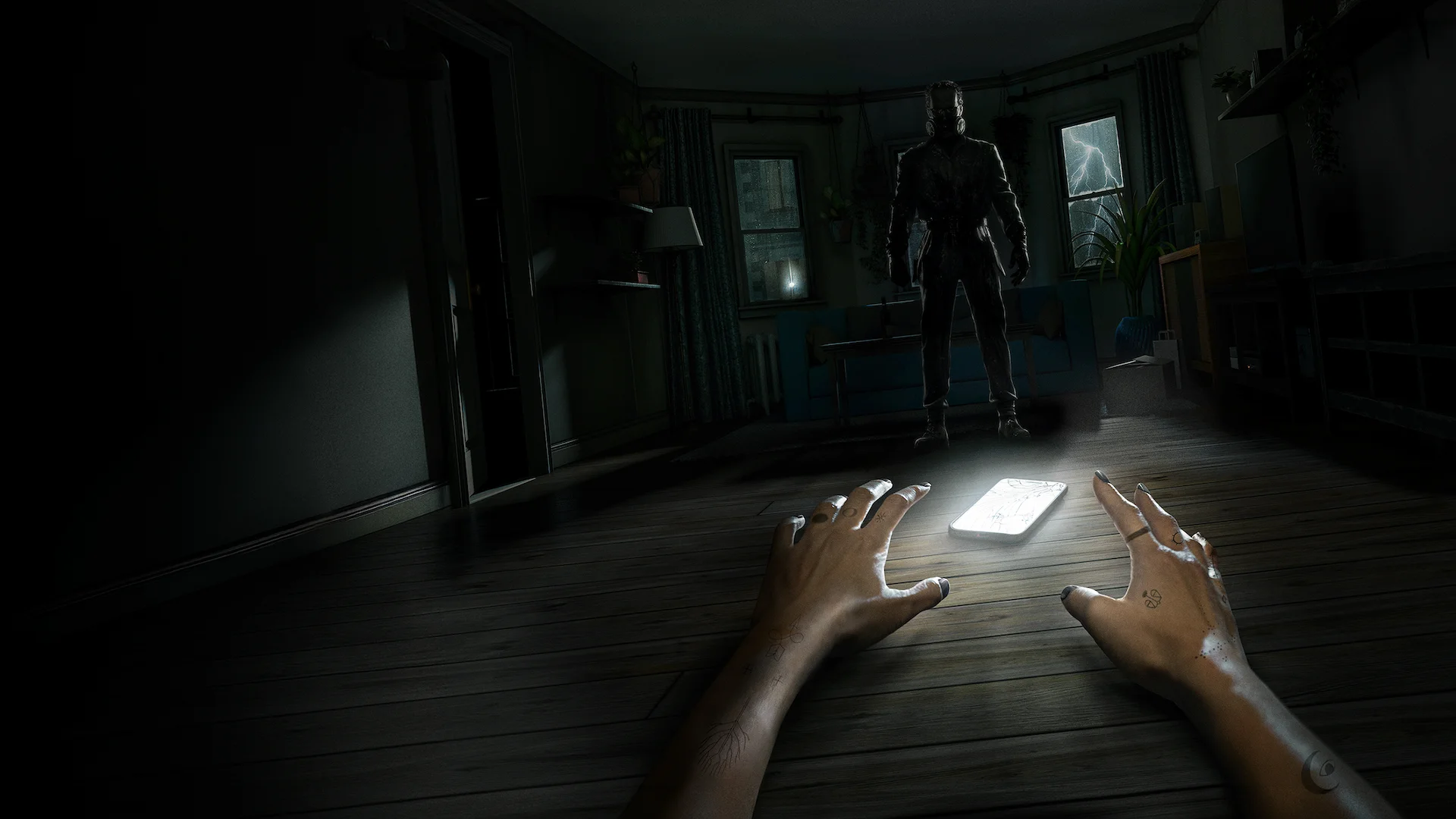
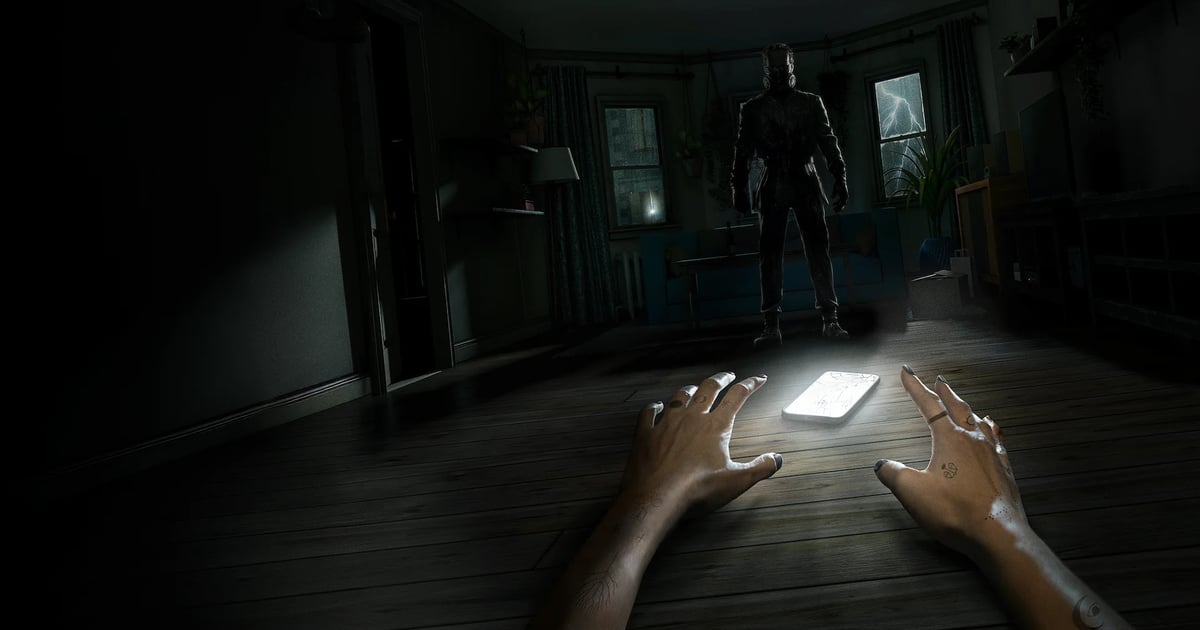
The closures mark a watershed moment for Netflix Games, which officially launched in 2021 with grand ambitions to bridge the gap between subscription streaming and high-end video gaming. Night School Studio holds a foundational place in that history, serving as Netflix’s very first studio acquisition. Yet, despite releasing its latest narrative-driven horror game, Unhinged—which boasted an all-star voice cast including Zoë Kravitz, Sadie Sink, and Troy Baker—just weeks prior to the shutdown, the studio could not escape the company’s ruthless strategic realignment. Moonloot, meanwhile, had been quietly working on an unannounced project widely reported to be an Animal Crossing-style social simulation game.
With these cuts, Netflix is systematically unwinding much of its expensive, acquisitions-heavy footprint in the gaming industry. Over the past few years, the company has dissolved or divested nearly every major game studio it brought under its corporate umbrella, leaving Next Games as the sole surviving internal acquisition. As Netflix transitions away from traditional mobile-exclusive experiences toward TV-centric party games, cloud streaming, and social titles, the industry is left to reckon with the stark realities of corporate gaming pivots and the precarious nature of employment within major tech conglomerates entering the interactive space.
Detailed Chronology: The Rise and Fall of Netflix’s Studio Portfolio
To understand the weight of Thursday’s announcement, one must trace the rapid trajectory of Netflix Games from its enthusiastic inception to its current era of contraction and cost-containment.
2021–2022: The Acquisition Spree
When Netflix officially launched its gaming initiative in late 2021, leadership signaled an aggressive intent to build a first-party development apparatus from the ground up. In September 2021, Netflix made its first-ever gaming acquisition by purchasing Night School Studio, a move celebrated by fans of the studio’s critically acclaimed 2016 supernatural mystery game, Oxenfree. The acquisition was positioned as a synergistic coup, allowing Night School to continue pushing narrative boundaries with the backing of a tech titan, eventually releasing Oxenfree 2: Lost Signals under the Netflix banner.
Buoyed by early ambitions, Netflix continued to expand its internal capabilities. In 2022, the company spun up Moonloot in Helsinki, intending to tap into the rich European development talent pool to build engaging, mainstream experiences. Other notable acquisitions followed in subsequent years, including Cozy Grove developer Spry Fox and Squid Game: Unleashed creator Boss Fight Entertainment, alongside the creation of "Team Blue," an internal AAA studio tasked with developing a high-profile first-person game.
2024–2025: The Great Unraveling
The honeymoon phase for Netflix Games proved short-lived. As economic headwinds buffeted the tech and media sectors, Netflix began critically evaluating the return on investment for its sprawling gaming studios. The dismantling of its original vision happened in swift succession:
- 2024: Netflix shut down Team Blue, effectively abandoning its short-lived pursuit of internal AAA game development.
- October 2025: Boss Fight Entertainment, the studio behind Squid Game: Unleashed, was shuttered.
- December 2025: In a rare reversal, Cozy Grove co-founders Daniel Cook and David Edery successfully bought Spry Fox back from Netflix, returning the studio to independence and exposing the deep structural friction of fitting traditional indie development into a corporate streaming model.
- June 2025: Night School Studio launched Unhinged, an innovative browser-and-television hybrid horror game controlled via personal smartphones. Featuring high-profile talent like Zoë Kravitz, Sadie Sink, and Troy Baker, the title was designed to showcase Netflix’s new interactive capabilities.
- Thursday: Just weeks after the rollout of Unhinged, Netflix pulled the plug on Night School Studio and Moonloot, while simultaneously purging additional game development roles across the organization.
Today, out of all the external studios and internal divisions acquired or built during the initial gold rush, only Netflix Mini Golf maker Next Games remains operational alongside the core internal publishing team.
Supporting Context & Metrics: A Broader Industry Crisis
The contraction at Netflix does not occur in a vacuum; it is emblematic of a broader, systemic crisis sweeping through the global video game industry. The weeks leading up to Netflix’s announcement saw a brutal wave of layoffs across multiple major studios, including CD Projekt Red, That’s No Moon, Supermassive Games, Lightspeed, and Refactor Games.
Refactor Games, notably, laid off 85% of its workforce just weeks after launching FIFA World Cup: Launch Edition in partnership with Netflix—highlighting a volatile ecosystem where external development partners bear the brunt of sudden strategic shifts.
The Pivot to the Living Room
Netflix’s internal pivot is heavily informed by changing consumer engagement metrics. Initially, the company treated mobile gaming as a value-add perk tied to its video streaming subscription, offering standalone mobile apps downloadable via the App Store and Google Play. However, data and user behavior trends prompted a fundamental redesign of the strategy.
Netflix has increasingly shifted its focus toward casual, party, and social games designed to be played directly on television screens, with players utilizing their smartphones as wireless controllers. Unhinged served as a prime technological testbed for this ecosystem, blending browser-based streaming with mobile input.
In a statement outlining its strategic evolution, Netflix categorized its ongoing gaming efforts into specific "key focus areas":
- Kids Games: Interactive experiences aimed at younger demographics and families.
- Party Games: Multiplayer, social titles meant for living room gatherings.
- Narrative Games: Story-driven experiences (the category that housed Night School Studio’s legacy).
- Mainstream Games: Broad-appeal titles designed to capture casual gaming audiences.
Despite trimming its internal development studios, Netflix leadership maintains that cloud gaming and kids’ titles retain strong momentum, justifying the painful downsizing of traditional development pipelines in favor of leaner, more focused execution.
Official Statements and Corporate Strategy
The official narrative coming out of Netflix emphasizes fiscal discipline and a refined focus rather than a retreat from gaming entirely.
A company representative addressed the restructuring in a statement to Game Developer:
"Games continue to be an opportunity for us to expand the variety of entertainment we offer Netflix members, and we’ve built solid foundations in our key focus areas. As we continue to prioritize these areas, we see an opportunity to be more focused in our execution, so we are making organizational changes to the business to match those priorities."
The spokesperson added that the company remains deeply enthusiastic about the momentum building around cloud gaming and kids’ entertainment, pointing to recent releases like Netflix Minigolf and FIFA World Cup: Launch Edition as barometers of the interactive division’s new direction.
Yet, industry analysts note a stark contrast between corporate optimism and the human cost of these organizational pivots. By absorbing and subsequently dissolving legendary indie studios like Night School, Netflix has drawn sharp criticism from developers and consumers alike. The closure of Night School severs a vital link to the independent developer ethos that initially gave Netflix Games creative credibility.
Future Outlook: Entertainment Convergence and GTA VI
Even as it pares down its internal development studios, Netflix continues to double down on high-profile marketing partnerships and platform convergence. In one of the most high-profile crossovers between streaming media and blockbuster gaming, Netflix recently announced an upcoming partnership with Take-Two Interactive and Rockstar Games.
Rather than developing games internally, Netflix is leveraging its massive subscriber base as a promotional powerhouse. An "extended look" trailer for the highly anticipated Grand Theft Auto 6 is slated to debut exclusively on Netflix, remaining platform-exclusive for six hours before wider distribution. This follows previous collaborations, such as bringing Grand Theft Auto: The Trilogy – The Definitive Edition to mobile devices via the Netflix app in 2023.
What Lies Ahead for Netflix Games?
The closure of Night School Studio and Moonloot signals the definitive end of Netflix’s era of building a bespoke, high-end first-party studio network. Moving forward, Netflix Games will likely rely on a leaner hybrid model:
- Outsourcing development to external partner studios for casual, party, and licensed properties.
- Double-down investments in cloud streaming technology that bypasses traditional hardware limitations.
- Leveraging its streaming platform as a premier marketing conduit for the world’s largest video game franchises, such as Rockstar’s GTA.
For the developers who poured years of passion into studios like Night School and Moonloot, however, the corporate pivot represents a sobering reminder of the volatility inherent in Big Tech’s foray into the creative arts. As Netflix charts its course toward living-room party games and cinematic trailers, the artistic legacy of independent storytelling within the streaming giant has been quietly—and abruptly—put to rest.