
Executive Overview
In the increasingly crowded digital advertising ecosystem, breaking through consumer fatigue requires more than just a high-budget, single-impression strategy. Modern audiences are numb to repetitive, isolated ad bursts. To truly capture attention, build brand equity, and drive meaningful conversions, digital marketers must guide potential customers through a carefully curated narrative arc. Enter Google Ads video ad sequence campaigns—a powerful yet frequently underutilized YouTube advertising format that allows brands to deliver multiple video clips in a strictly predetermined, chronological order to individual viewers.
While other YouTube campaign formats utilize multiple assets, video ad sequences are unique because they dictate the exact order in which a user experiences the content. This capability transforms YouTube from a mere broadcast channel into an interactive storytelling medium. By serving an introductory teaser, a feature breakdown, a social proof clip, and a final call-to-action in a logical sequence, brands can orchestrate a cinematic customer journey.
Despite their proven ability to drive robust awareness, strong recall, and high engagement metrics, ad sequences remain secondary in mainstream marketing conversations compared to standard skippable in-stream or bumper ads. This guide offers an exhaustive, step-by-step breakdown of how to build, optimize, and measure a Google Ads video sequence campaign. From navigating the initial campaign setup and configuring ad group step-transitions to leveraging Google’s AI-powered Asset Studio and evaluating key performance indicators, this article serves as the definitive manual for mastering serialized video advertising.
Detailed Chronology: Setting Up a Video Ad Sequence Campaign
Building a video ad sequence campaign requires a specific procedural workflow within the Google Ads dashboard. Straying from the correct setup path will bypass the sequence options entirely, making it critical to follow each step with precision.
Phase 1: Campaign Initiation and Objective Selection
The journey begins at the campaign creation hub. To unlock the sequence functionality, advertisers must bypass automated recommendations and specific preset goals.

- Navigate to Campaign Creation: Log into your Google Ads account, click on campaigns, and select the blue plus icon to create a new campaign.
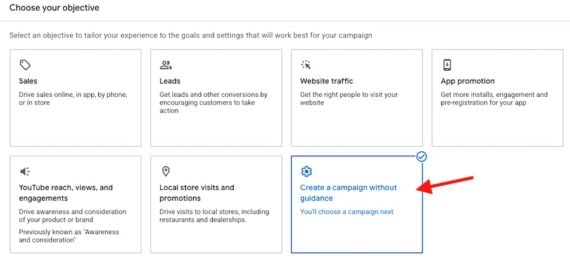
- Choose the Right Path: Select “Create a campaign without guidance.” This is a mandatory first step; choosing preset goals like sales, leads, or website traffic tied to standard video options will hide the sequence subtype.
- Select the Campaign Type: Choose “Video” as your campaign type.
- Choose the Campaign Subtype: Once the video type is selected, look for the campaign subtypes. Select “Ad sequence.”
- Establish Campaign Settings: Input your standard parameters, including geographic targeting, language preferences, and budget allocations. It is important to note that video sequence advertisers are restricted to Target CPM (tCPM) bidding. Additionally, you must implement strict frequency capping to govern how often a single user can experience the complete sequence—typically restricted to once every 7 or 30 days to prevent ad fatigue and banner blindness.
Phase 2: Structuring the Sequence (Ad Groups and Steps)
In a video ad sequence, every individual step of your narrative corresponds directly to a distinct ad group. If your campaign features a four-video sequence, your campaign structure will contain four corresponding ad groups.
- Step Configuration: Each ad group houses its specific video creative, customized headline, distinct call-to-action (CTA), and unique landing page destination.
- Step Transitions: For every video after the first, advertisers must configure the trigger condition required for the user to advance. Google provides three distinct transition rules:
- Impression: The subsequent video triggers simply because the user was served an impression of the previous video, regardless of whether they watched or skipped it.
- View: The subsequent video triggers only if the user actively watched a designated portion of the previous video (or engaged with it).
- Skip: The subsequent video triggers specifically if the user chose to skip the previous video, allowing brands to pivot their messaging dynamically for uninterested viewers.
By mixing and matching these transitions, marketers can construct complex branching narratives or linear storytelling paths tailored precisely to user behavior.
Supporting Context & Metrics: Leveraging Asset Studio and Measuring Success
Creating multiple distinct videos for a sequential campaign can strain creative resources. Fortunately, modern advertising toolkits—specifically Google’s native ecosystem—offer streamlined solutions for asset generation and optimization.
Streamlining Production with Google Asset Studio
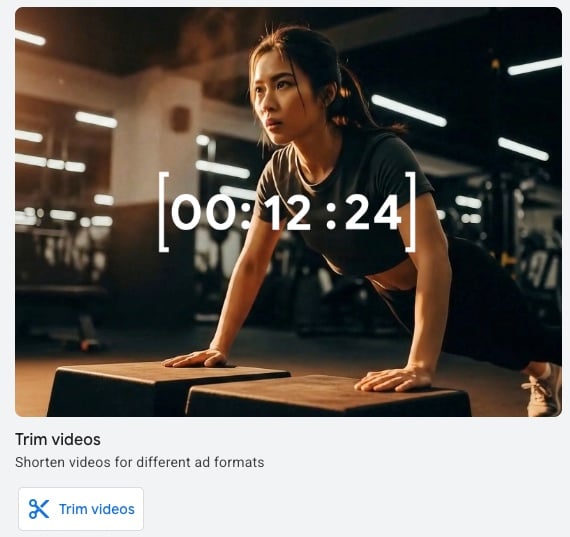
Rather than filming entirely separate assets for every step of a sequence, brands can repurpose existing master assets. Google’s Asset Studio features a robust “Trim videos” tool designed specifically to chop long-form demos, brand films, or television commercials into short, digestible chapters.
- Duration Management: The tool seamlessly handles various video formats and durations, allowing editors to clip a 60-second product demo into 15-second or 6oz-second sequential bites.
- AI Integration: While Asset Studio also offers artificial intelligence video-generation tools, experienced media buyers advise caution. Relying exclusively on AI-generated clips for a sequential narrative can feel disjointed or inauthentic. Human-crafted, branded footage combined with AI-assisted editing and trimming generally yields far superior audience retention.
Practical Application: The Yarbo Robot Lawn Mower Example
To visualize how a video sequence campaign operates in the wild, consider a practical scenario involving Yarbo, a high-end manufacturer of autonomous robot lawn mowers. The marketing team aims to deploy an “Introduce and Reinforce” sequence using a single, comprehensive product demonstration video.
- Trimming the Master Asset: The team uses Asset Studio to chop the main demo video into two distinct, complementary clips.
- Step One (Introduction):
- Creative: The first segment highlights the core problem and introduces the machine.
- Headline: “Save Time.”
- CTA: “Learn more,” linking directly to the main company homepage. Viewers are introduced to the brand identity and explore broader product categories.
- Step Two (Reinforcement/Conversion):
- Creative: The second segment dives deeper into performance capabilities and timeliness.
- Headline: “Labor Day Sale.”
- CTA: “Buy now,” linking directly to the product checkout page.
- Advanced Iterations (Engage and Differentiate): Alternatively, the Yarbo team could fracture that same demo video into four distinct 15-second clips focused on specific use cases: winter snowblowing, autumn leaf collection, spring lawn mowing, and security monitoring—each step triggering based on whether the user viewed or skipped the preceding clip.
Interpreting Results: Defining Success in Sequential Campaigns
Unlike direct-response search campaigns where click-through rates (CTR) and immediate conversions rule supreme, video ad sequence campaigns are fundamentally designed to generate demand, build mental availability, and foster deep engagement.
When evaluating campaign performance, marketers should look beyond surface-level metrics and analyze specific sequential KPIs provided by Google Ads:
- Sequence Completion Rate: The percentage of users who started at Step 1 and successfully navigated all the way through to the final conversion step. A low completion rate indicates narrative friction or creative fatigue in the middle steps.
- View-Through Rates (VTR) Per Step: Tracking how drop-off rates fluctuate between steps helps identify which specific video asset is losing audience interest.
- Earned Action Metrics: Measuring actions taken after viewing the sequence, such as earned channel subscriptions, subsequent organic searches for the brand, or shared impressions.
- Standard Conversion Tracking: While the primary goal is brand resonance, tracking downstream metrics like clicks, lead-form submissions, and direct e-commerce purchases ensures the sequence ultimately contributes to the bottom line. If 100 users start a sequence, but only 10 watch 100% of the final video, the creative narrative requires immediate iteration.
Official Statements and Industry Perspective
Digital advertising experts continue to emphasize that video ad sequences represent one of YouTube’s most under-monetized opportunities for brand storytelling. Industry veterans note that while programmatic buying has prioritized automated, algorithm-driven delivery, the human brain still craves chronological structure.
"Sequence campaigns typically produce strong awareness and reach metrics, though other YouTube types are better known," notes digital marketing strategist Matthew Umbro. Other YouTube formats utilize multiple videos, but only sequence campaigns run in a predetermined, unbroken order, giving brands absolute control over the consumer’s narrative journey.
As ad blindness grows and consumers develop an innate ability to tune out repetitive single-impression ads, industry leaders argue that serialized storytelling is no longer just a nice-to-have creative option—it is a strategic necessity for brands managing high-consideration products or complex consumer buying cycles.
Future Outlook
Looking ahead, the landscape of digital video advertising is poised for deeper integration between automated machine learning and rigid creative control. As Google continues to refine its targeting algorithms and expand the capabilities of Asset Studio, building complex, multi-tiered video sequences will become faster and more accessible for mid-market brands.
Several key trends will shape the future of YouTube ad sequences:
- Hyper-Personalized Branching: Future iterations of sequence campaigns will likely leverage advanced machine learning to dynamically alter the subsequent video step not just based on a binary view/skip/impression trigger, but on real-time contextual signals, user search history, and predicted intent markers.
- Cross-Screen Retargeting Integrations: We anticipate tighter synergies between YouTube video sequences and Connected TV (CTV) environments, allowing brands to initiate a sequence on a living room screen and seamlessly retarget the viewer with the subsequent step on a mobile device.
- Interactive Overlays and Shoppable Steps: Integrating native e-commerce checkout features directly into the terminal steps of a video sequence will shorten the path from brand awareness to direct purchase, transforming storytelling into an immediate transaction engine.
Conclusion
Google Ads video ad sequence campaigns bridge the gap between traditional cinematic storytelling and modern programmatic precision. By forcing a strict, chronological delivery of creative assets, marketers can systematically educate audiences, overcome objections, and drive high-value conversions. By mastering campaign setup, leveraging Asset Studio for efficient asset modification, and rigorously tracking completion and engagement metrics, digital marketers can unlock unprecedented return on ad spend and build lasting brand loyalty in a crowded digital marketplace.