Executive Overview
The video game industry finds itself at a profound crossroads, grappling simultaneously with rapid technological disruption, shifting economic models, and the bittersweet transition of losing generation-defining talents. The recent conclusion of Gamescom Opening Night Live (ONL) encapsulated the exhausting pace and ideological friction currently defining the medium. While millions tuned in to witness the latest blockbusters and independent triumphs, the event also crystallized a growing unease regarding the pervasive integration of generative artificial intelligence (genAI) within modern game development and marketing.
Beyond the glittering stage of Gamescom, the broader industry ecosystem continues to experience severe turbulence. From sweeping structural changes at prominent development houses like 1047 Games and Torn Banner Studios to monumental commercial milestones and regulatory shifts affecting hardware consumers, the past week has offered a micro-chasm of the challenges facing developers and publishers alike. Compounding these corporate developments, the community mourns the passing of legendary actor Tim Curry, whose indelible contributions to interactive entertainment left a permanent mark on the medium. This report provides an exhaustive breakdown of the week’s critical stories, examining the economic realities, technological debates, and creative achievements shaping the future of video games.
Detailed Chronology
The Gamescom 2026 Onslaught and the GenAI Controversy
The two-hour runtime of Gamescom Opening Night Live has long been characterized by its breakneck pacing and relentless barrage of trailers. However, the 2026 iteration drew intense scrutiny not merely for its structural fatigue, but for what critics and community watchdogs have identified as a normalized proliferation of generative AI tools.
Investigations by outlets like Kotaku alongside crowdsourced documentation on platforms like Bluesky revealed that over a dozen participating studios utilized generative AI models at various stages of production or promotional execution. Despite a largely negative consensus among developers—who frequently argue that generative workflows introduce a corrosive, derivative element into artistic creation—major showcases continue to provide a platform for these practices. Observers note that turning down lucrative advertising sponsorships, which reportedly command upward of $120,000 for a 60-second broadcast window, remains an unpalatable prospect for event organizers. Consequently, the industry is left confronting a paradox: celebrating human creativity while simultaneously normalizing tools built upon the automated aggregation of uncredited intellectual property.
Concurrently, the companion trade conference Gamescom Dev 2026 reported a 15 percent year-over-year expansion, welcoming over 6,200 unique registered participants across 397 speakers and 238 sessions. Predictably, generative AI dominated panels and roundtables, highlighting an urgent division between corporate efficiency models and labor-focused artistic integrity. The conference has confirmed plans to extend these dialogues with an upcoming leadership summit in Lisbon this March.
Economic Relief and Corporate Friction: Panic Refunds Tariffs
Amid a generally austere economic climate, handheld hardware manufacturer Panic delivered a rare consumer-friendly policy shift. The company announced it would proactively pass along United States tariff refunds directly to customers who purchased its crank-driven Playdate console during the period when import penalties were actively levied.
This consumer-first stance stands in sharp contrast to larger multinational corporations. For instance, Nintendo recently secured approximately $300 million in tariff rebates yet publicly stated that consumers are not legally entitled to equivalent payouts, sparking renewed debates regarding corporate accountability and consumer rights during trade disputes.
Creative Turmoil: Rockstar Addresses GTA VI Leaks
Rockstar Games broke its prolonged silence following a devastating wave of Grand Theft Auto 6 asset and footage leaks. In an official statement, studio representatives expressed that the team was "heartbroken" by the unauthorized dissemination of work-in-progress materials. Furthermore, the developer issued a rare, transparent apology regarding the protracted timeline required to bring the highly anticipated title to completion, reaffirming that the game remains in active development as the team prioritizes quality over expediency.
(1).png?width=1280&&quality=80&disable=upscale)
Strategic Pivots: 1047 Games Ends Active Development on Splitgate Arena Reloaded and Empulse
Following a wave of staff reductions announced earlier this season, 1047 Games confirmed it is formally concluding active development on both Splitgate Arena Reloaded and Empulse (the latter having launched as recently as June). Rather than pulling the plug entirely and stranding consumers, the studio is transitioning both titles to peer-to-peer (P2P) hosting infrastructures supported by a community server browser.
In a joint statement, leadership noted that after a decade entirely consumed by live-service multiplayer shooter development, the studio’s strategic focus is undergoing a fundamental transformation. While specifics regarding their next project remain under wraps, the pivot signals a broader industry retreat from unsustainable live-service models.
Talent Cultivation: CAA Launches Frame1Games
Recognizing the escalating hurdles independent studios face in securing funding and market visibility, talent and literary agency CAA announced the formation of Frame1Games. This specialized venture is designed to fund, accelerate, and market independent video games through a curated marketplace model.
Scheduled to roll out its initial slate of supported projects in 2027, the fund aims to bridge the gap between indie development and mainstream commercial success. Participating studios will receive direct mentorship from industry veterans and agency executives, alongside privileged access to industry vendors and promotional events.
Supporting Context & Metrics
To fully understand the current landscape, one must analyze the intersecting metrics of labor sentiment, technological adoption, and commercial redemption arcs:
- The Generative AI Divide: Recent workforce data indicates that while roughly one-third of surveyed game industry employees utilize generative AI tools in some capacity, nearly half believe the technology exerts a net-negative influence on the industry’s cultural and economic foundation. This cognitive dissonance underscores the pressure placed on developers to adopt efficiency-boosting technologies against their better creative judgment.
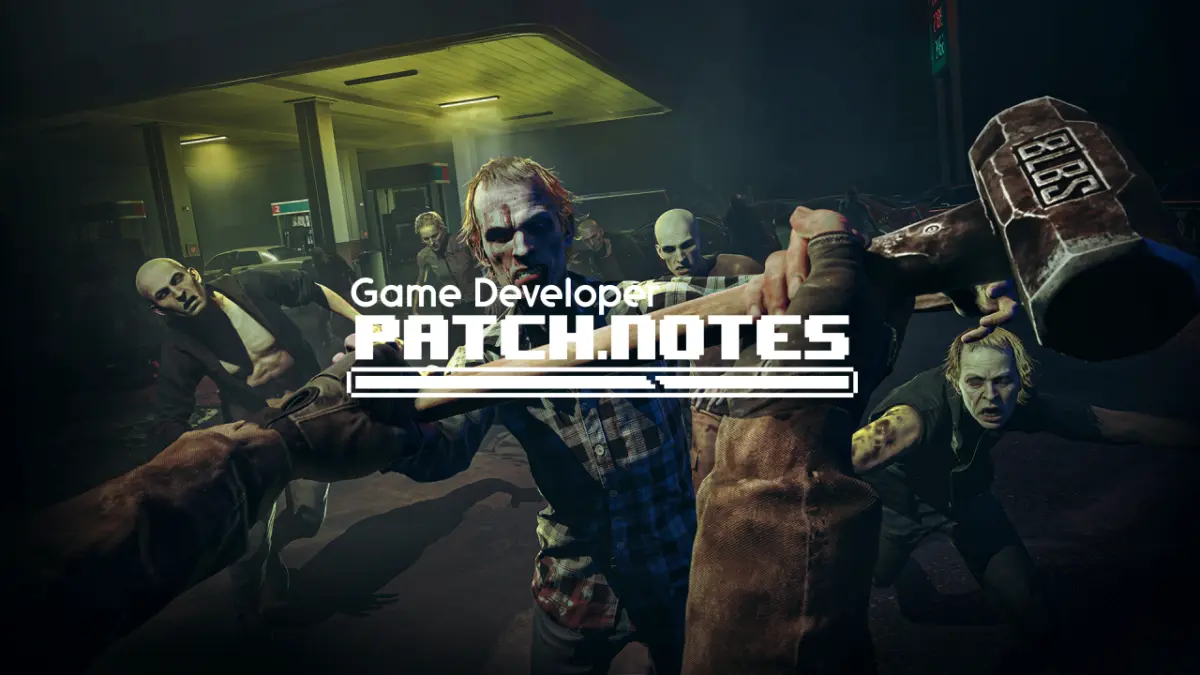
- Torn Banner’s Redemption Arc: No More Room in Hell 2 serves as a fascinating case study in post-launch recovery. Following a tumultuous early-access debut in late 2024 defined by technical bugs, optimization bottlenecks, and controversial design decisions, the game plummeted to a "Mostly Negative" rating on Steam. Subsequent studio layoffs cast doubt on the franchise’s viability. However, following a rigorous series of patches and updates leading to its official 1.0 release, the cooperative zombie title has successfully crossed the 1 million player milestone and achieved a "Mostly Positive" community standing on Steam.
Official Statements
- On the State of GenAI at Showcase Events: "Knowing that a considerable number of games were, at some point, filtered through a machine built from plagiarism rather than pure, human artistic intent isn’t just a devaluation of the whole sentiment of ‘celebrating’ the industry. It is an insult." — Industry analysis highlights the growing friction between commercial presentation and artistic authenticity.
- Rockstar Games on Development and Leaks: "We are heartbroken that footage has been shared with you all in this manner. We also want to apologize for how long everything has taken… our commitment to delivering an experience that exceeds your expectations remains absolute."
- 1047 Games on Studio Evolution: "After ten years of focusing relentlessly on live-service shooters, our horizons are changing. Moving our previous titles to peer-to-peer architectures ensures players can keep playing while we pivot toward our next chapter."
Future Outlook
The trajectory of the video game industry over the coming years will likely be defined by how stakeholders navigate the structural tensions highlighted this week. As venture initiatives like CAA’s Frame1Games attempt to stabilize the volatile independent sector, major publishers must reconcile consumer demand for authenticity with the cost-cutting temptations of generative AI.
Simultaneously, the triumph of No More Room in Hell 2 proves that transparent communication, sustained dedication, and a willingness to listen to player feedback can rescue even the most troubled live-service projects. Yet, with foundational studios downsizing, classic actors passing on, and regulatory frameworks struggling to keep pace with digital economies, the medium’s stakeholders must prioritize sustainable innovation over rapid monetization if long-term creative health is to be preserved.