By Senior Editorial Staff
Published by GameIndustry Insights
Executive Overview
In a momentous development for the European video game development landscape, Ilari Kuittinen—co-founder and Chief Executive Officer of the PlayStation-owned studio Housemarque—has officially announced his departure from the company. Bringing to a close an extraordinary 31-year tenure in the upper echelons of game development, Kuittinen’s exit marks the conclusion of one of the longest continuous leadership runs in the modern video game industry.
Kuittinen made the announcement via a detailed statement on professional networking platform LinkedIn, noting that the studio has spent the past several months carefully orchestrating a seamless transition of power. Central to this strategic shift was the appointment of Sami "Haxu" Hakala as Housemarque’s new Managing Director. According to Kuittinen, his final months at the helm were dedicated to actively supporting Hakala and the broader executive leadership team to guarantee absolute operational continuity, creative stability, and structural fortitude.
"Housemarque’s strategy and creative vision are in exceptional hands," Kuittinen affirmed in his departure address, signaling confidence in the studio’s trajectory under its newly minted leadership.
This historic transition represents far more than a routine executive shuffle; it signifies the end of a foundational chapter for Finland’s oldest active game studio. Under Kuittinen’s stewardship, Housemarque evolved from a modest Helsinki-based indie startup into a globally revered AAA powerhouse. The studio’s journey culminated in its 2021 acquisition by Sony Interactive Entertainment, cementing its status as an elite member of the prestigious PlayStation Studios family.
As Kuittinen steps away to take what he describes as "a rare and well-deserved breather," his exit underscores a broader generational shift across the upper tier of Sony’s first-party ecosystem. Over the past few years, an entire cohort of legendary, decades-long studio heads and co-founders—including Ted Price of Insomniac Games, Brian Fleming of Sucker Punch Productions, and Evan Wells of Naughty Dog—have similarly retired. Together, these departures close the book on an era defined by indie-spirited founders who successfully navigated the turbulent waters of commercial evolution to build some of the most celebrated development houses in entertainment history.
Detailed Chronology: From Bloodhouse to PlayStation Studios
To truly understand the weight of Kuittinen’s departure, one must trace the winding, resilient history of Housemarque—a studio whose longevity is an anomaly in an industry notoriously prone to volatile studio closures, sudden acquisitions, and boom-and-bust cycles.
The Genesis: 1995 and the Finnish Foundation
The story of Housemarque began in the mid-1990s amidst the nascent, highly experimental PC and console development scene in Northern Europe. In 1995, Ilari Kuittinen joined forces with Harri Tikkanen by officially merging their respective independent ventures: Bloodhouse and Terramarque. This merger birthed Housemarque, establishing it as the oldest continuously active game development studio in Finland.
In its formative years, the studio focused primarily on crafting fast-paced, arcade-style experiences that paid homage to classic coin-op machines while embracing emerging polygon and 3D technologies. During an era when the industry was rapidly pivoting toward sprawling 3D platformers and narrative-heavy cinematic adventures, Housemarque boldly staked its claim on pure, unadulterated gameplay mechanics, tight controls, and high-score chasing.
Navigating the Publishing Landscape
Throughout the late 1990s and 2000s, Housemarque built a reputation as a dependable, highly skilled developer capable of delivering polished titles across multiple platforms. This earned them valuable partnerships with major global publishers, including Take-Two Interactive and Ubisoft. However, the studio’s fortunes truly shifted when they found a kindred spirit in Sony Computer Entertainment.
The turning point arrived in 2007 with the release of Super Stardust HD for the PlayStation 3. Distributed digitally via the fledgling PlayStation Network, the twin-stick shooter was a critical darling that demonstrated Housemarque’s unrivaled mastery of arcade design combined with cutting-edge visual effects.
Buoyed by the success of Super Stardust HD, Housemarque and Sony forged a mutually beneficial, long-term partnership. Over the next decade, the studio became synonymous with the revival of classic arcade genres on modern hardware, releasing a string of critically acclaimed PlayStation exclusives:
- Resogun (2013): A stunning, voxel-based side-scrolling shoot ’em up released as a launch title for the PlayStation 4, widely praised as one of the best games on the platform.
- Matterfall (2017): A fast-paced, sci-fi action-platformer that pushed the boundaries of particle effects and fluid moment-to-moment movement.
The Pivot, the Masterpiece, and the Sony Acquisition
Despite critical adoration, Housemarque faced a major existential crisis in the late 2010s. The traditional arcade-shooter market, while critically respected, struggled to generate the commercial returns necessary to sustain an independent studio of Housemarque’s scale. In 2017, following the launch of Matterfall, Kuittinen made a brutally honest public statement declaring that "arcade is dead," signaling that the studio needed to fundamentally pivot its business model or risk closure.
That pivot birthed Returnal (2021), a high-budget, third-person sci-fi psychological horror roguelike that married Housemarque’s trademark bullet-hell combat mechanics with a dark, cinematic narrative structure. Returnal was a massive critical and commercial success, sweeping award shows and proving that the studio could successfully scale its design philosophy into the AAA arena.
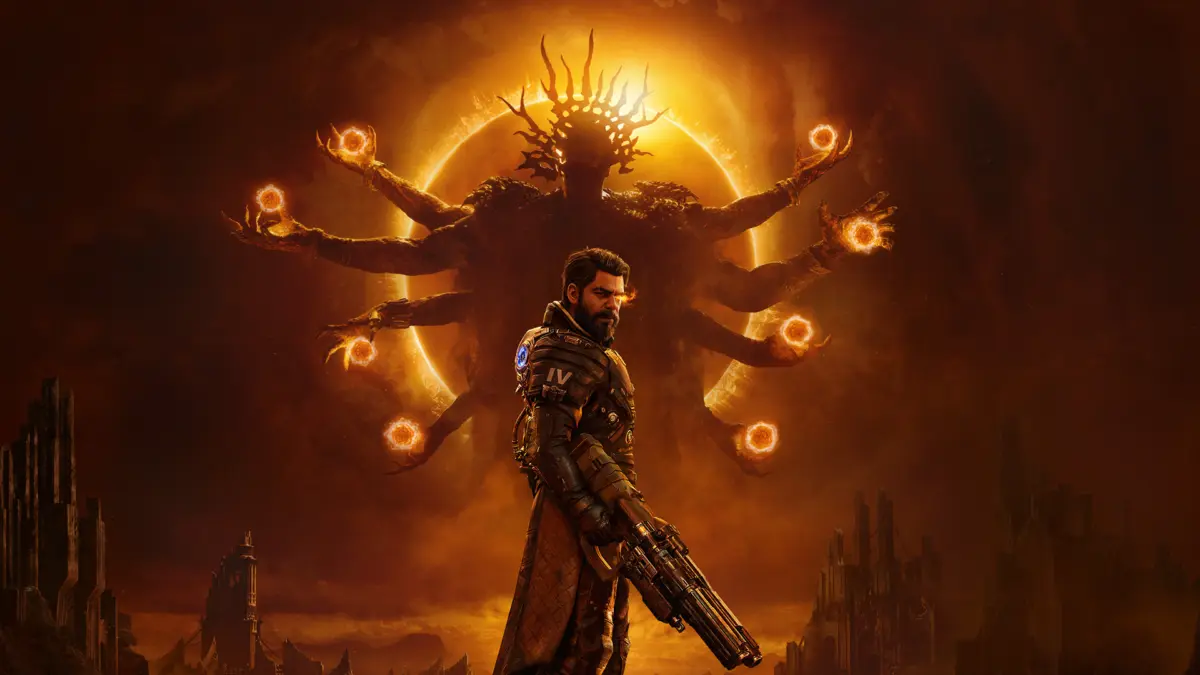
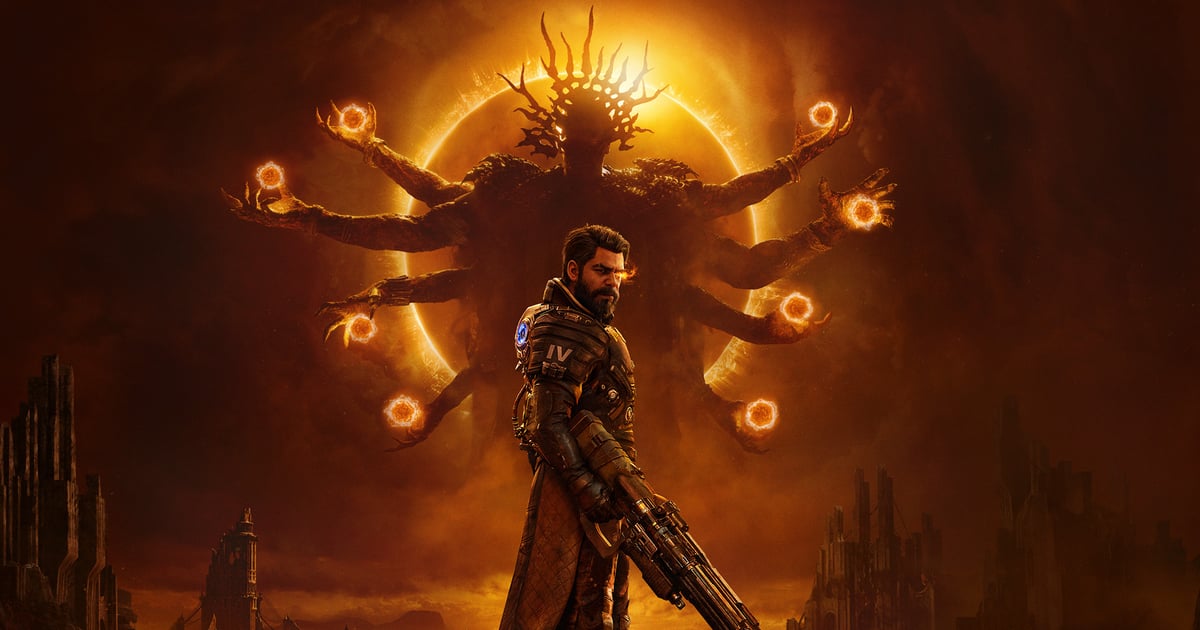
Recognizing the immense value of the studio and their decades-long creative synergy, Sony Interactive Entertainment officially acquired Housemarque in July 2021, incorporating the Finnish developer into the elite fold of PlayStation Studios. Under this new banner, the studio continued to expand its creative horizons, most recently developing Saros, further cementing its legacy as a cornerstone of modern PlayStation hardware showcases.
Supporting Context & Metrics: A Changing Guard at PlayStation Studios
Kuittinen’s departure does not occur in a vacuum; rather, it highlights a profound generational transition taking place at the very highest levels of Sony’s first-party development ecosystem. Over the past several years, the foundational figures who built PlayStation Studios into a critical juggernaut have systematically stepped down, passing the torch to a new generation of leaders.
The End of the Founder Era
For decades, major first-party and acquired PlayStation studios were defined by the enduring presence of their visionary founders or long-serving executives. However, the physical and mental toll of steering multi-hundred-person studios through shifting industry paradigms has led to a wave of well-earned retirements:
- Ted Price (Insomniac Games): After founding Insomniac in 1994 and guiding it through decades of iconic franchises like Spyro the Dragon, Ratchet & Clank, and Marvel’s Spider-Man, Price announced his retirement plans, closing a legendary 30-year chapter.
- Evan Wells (Naughty Dog): Having served as Co-President alongside Christophe Balestra and later Neil Druckmann, Wells stepped down after an illustrious career defining narrative-driven gaming through franchises like Uncharted and The Last of Us.
- Brian Fleming (Sucker Punch Productions): As a co-founder of Sucker Punch, Fleming steered the studio from its early days developing Sly Cooper and Infamous to the global phenomenon that was Ghost of Tsushima, before stepping down from his leadership role.
With Kuittinen joining this distinguished cohort of departing veterans, the video game industry is witnessing the formal retirement of the generation that bridged the gap between 90s indie development and modern AAA corporate structures.
The Handover to Sami "Haxu" Hakala
To ensure that Housemarque does not skip a beat during this monumental transition, the studio has elevated long-time internal veteran Sami "Haxu" Hakala to the role of Managing Director. By promoting from within, Housemarque aims to preserve the distinct cultural DNA, independent spirit, and rigorous development standards that Kuittinen spent over three decades cultivating. Hakala’s appointment, backed by months of shadow-management and strategic alignment with Kuittinen, is designed to reassure publishers, employees, and fans alike that the studio’s upcoming creative endeavors remain secure.
Official Statements & Industry Reactions
The gaming community, industry peers, and corporate leadership have responded to Kuittinen’s departure with an outpouring of gratitude, respect, and reflection on a career well-spent.
In his farewell statement shared via LinkedIn, Kuittinen expressed profound appreciation for his colleagues, partners, and the gaming community at large, emphasizing the collective effort required to keep Housemarque thriving for 31 years:
"Housemarque’s strategy and creative vision are in exceptional hands," Kuittinen wrote, paying tribute to Sami Hakala and the rest of the executive management team. "I am taking a rare and well-deserved breather, but I look forward to watching what this incredible team accomplishes next."
Offering parting wisdom to both current Housemarque developers and the broader game development community, Kuittinen encapsulated his leadership philosophy in a final piece of advice:
"Remember our guiding light: strive to be a better professional, and a better human being. Take care of each other, speak with courage, and keep pushing the boundaries of what games can be."
Industry analysts and former colleagues have widely echoed these sentiments, noting that Kuittinen’s ability to guide a European independent studio through three decades of immense technological, economic, and cultural shifts is nothing short of miraculous. From the transition from MS-DOS and early CD-ROMs to modern cloud-connected SSDs and advanced ray-tracing architectures, Kuittinen adapted Housemarque without ever losing the studio’s core identity: an obsessive dedication to responsive, joyful, and challenging gameplay.
Future Outlook: Housemarque Beyond Kuittinen
As Housemarque enters this post-founder era, the studio stands in the strongest position in its 31-year history. Backed by the financial security and structural resources of Sony Interactive Entertainment, the team in Helsinki no longer faces the existential financial anxieties that plagued their indie days.
With Returnal having established that the studio can successfully master high-end narrative action, and highly anticipated projects like Saros on the horizon, the creative runway for Housemarque is vast. Sami "Haxu" Hakala inherits a studio equipped with world-class talent, state-of-the-art facilities, and a global audience hungry for whatever visually dazzling, mechanically precise experience they cook up next.
Meanwhile, Ilari Kuittinen leaves behind an indelible monument. He departs not amidst scandal or failure, but at the absolute apex of his professional career—having successfully secured the studio’s future, integrated it into a global entertainment empire, and nurtured a culture that will continue to push the boundaries of interactive entertainment for generations to come.
As the credits roll on Kuittinen’s extraordinary 31-year run at Housemarque, the gaming world watches with eager anticipation to see how the next chapter unfolds for both the legendary Finnish studio and its visionary co-founder.