Executive Overview
For thousands of independent merchants, third-party marketplaces such as Amazon, Walmart, and eBay represent the ultimate realization of the digital economy. They offer instant access to millions of shoppers, streamlined fulfillment networks, and an infrastructure that allows even the smallest garage-based enterprise to compete on a global stage. However, this immense reach comes with a profound vulnerability: total dependence on centralized platforms.
When an automated algorithm or an opaque corporate policy flags a seller for an alleged violation, the consequences can be catastrophic. Overnight, revenue streams can vanish, accounts can be frozen, and inventory can become stranded in vast fulfillment networks for months with little to no explanation. For many small- and medium-sized enterprises (SMEs), these sudden disruptions are not merely operational hurdles—they are existential threats.
Seeking to redress this power imbalance, federal lawmakers introduced a legislative package in the U.S. House of Representatives known as the Online Sellers’ Bill of Rights Act of 2026 (H.R. 9799). Spearheaded by Representative Becca Balint (D-Vt.) alongside a bipartisan coalition of co-sponsors, the bill aims to introduce a long-overdue framework of "commercial due process" to the digital marketplace ecosystem.
If enacted, H.R. 9799 would fundamentally alter how major ecommerce platforms manage enforcement actions, placing strict 30-day statutory caps on frozen funds and stranded inventory, mandating transparent communication, and prohibiting the use of generic, templated rejection notices. Crucially, the bill introduces severe legal exposure for non-compliant platforms, granting injured sellers a private right of action in federal court—complete with treble damages—that bypasses mandatory arbitration clauses.
While the legislation carefully preserves the right of marketplaces to police counterfeiting, fraud, and product safety violations, it shifts the operational burden of proof. No longer can platforms rely on mere suspicion to starve a business of its cash flow; they must substantiate their claims with verifiable evidence. As the House Judiciary Committee reviews the proposal, the digital retail landscape stands at a critical crossroads, balancing the urgent need for consumer protection against the fundamental rights of commercial enterprises.
Detailed Chronology: The Path to H.R. 9799
The introduction of H.R. 9799 on July 21, 2026, did not happen in a vacuum. It represents the culmination of years of mounting frustration, escalating merchant grievances, and growing regulatory scrutiny regarding the unchecked authority wielded by big-tech gatekeepers.
The Rise of Platform Hegemony (2015–2020)
Over the past decade, third-party marketplace models transitioned from a secondary revenue channel for retailers to the dominant engine of global ecommerce. During this explosive growth phase, platforms optimized their automated enforcement systems to deal with unprecedented volumes of transactions, counterfeiters, and bad actors. While automated sweeps successfully intercepted millions of fraudulent listings, they simultaneously caught thousands of legitimate, law-abiding merchants in the crossfire. Sellers frequently reported waking up to automated account suspensions, with zero human recourse and weeks of radio silence from marketplace support teams.
Congressional Inquiries and Antitrust Warnings (2020–2024)
As complaints mounted, Capitol Hill began taking notice. House and Senate committees launched broad antitrust investigations into major tech platforms, uncovering repeated instances where third-party sellers were penalized arbitrarily, squeezed by sudden fee increases, or forced to compete against private-label goods owned by the marketplace itself. Although early legislative efforts focused primarily on antitrust behavior and self-preferencing, consumer protection and merchant rights gradually emerged as a distinct, urgent policy focus.
Drafting the Bill and Coalition Building (Late 2024–Early 2026)
Recognizing that existing consumer protection laws offered virtually no safety net for B2B merchants trapped in marketplace disputes, Rep. Becca Balint and her congressional allies spent months consulting with small business associations, ecommerce legal experts, and aggrieved merchant groups. The resulting text—H.R. 9799—was intentionally crafted to target the most severe pain points experienced by online vendors: indefinite payment holds, asset seizure via stranded inventory, and sudden policy pivots without warning.
Introduction and Committee Referral (July 2026)
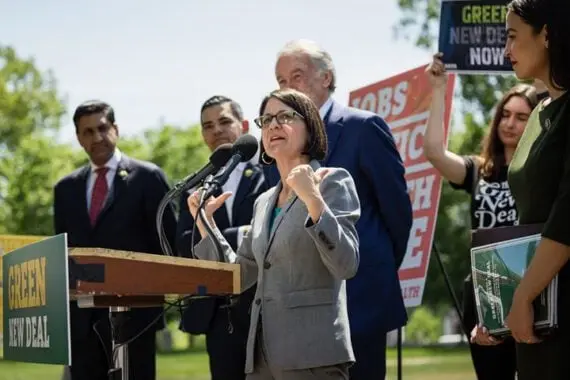
On July 21, 2026, Rep. Balint officially introduced the Online Sellers’ Bill of Rights Act of 2026 on the floor of the U.S. House of Representatives, accompanied by a public demonstration alongside impacted entrepreneurs and co-sponsors. The bill was subsequently referred to the House Judiciary Committee, where it currently undergoes rigorous legal and economic evaluation. If it successfully clears committee hurdles, it will head toward a floor vote, setting the stage for what promises to be a high-stakes lobbying battle between small business advocates and corporate tech representatives.
Supporting Context & Metrics: The Anatomy of a Marketplace Crisis
To fully appreciate the necessity of H.R. 9799, one must examine the operational reality facing third-party merchants on dominant platforms like Amazon and Walmart.
The Financial Stakes of "Guilty Until Proven Innocent"
In traditional commerce, a business accused of wrongdoing is generally entitled to an investigation, a presentation of evidence, and an opportunity to defend itself before facing punitive action. In the digital marketplace ecosystem, however, the paradigm has long operated in reverse: platforms frequently freeze assets first and ask questions later.
- Frozen Revenue: When an automated system flags a seller for suspicious activity, the platform routinely halts payouts. For a small business operating on tight margins, a 60-to-90-day payment freeze can quickly drain working capital, making it impossible to pay suppliers, fulfill other orders, or cover payroll.
- Stranded Inventory: Physical goods shipped in advance to marketplace fulfillment centers (such as Fulfillment by Amazon) can be locked away during an investigation. Sellers are often blocked from recalling their merchandise or selling it elsewhere, resulting in mounting storage fees and eventual inventory write-offs.
- The Cost of Silence: Current marketplace terms of service heavily favor the platforms. Disputes are typically funneled into private, binding arbitration—a process that can be prohibitively expensive for a boutique merchant, effectively locking them out of legal remedies.
Market Dominance and the "Critical Trading Partner" Dilemma
The legislation highlights a central tension in modern digital economics: when a platform achieves systemic dominance, it ceases to be merely a private vendor and functions more like economic infrastructure.
While the bill attempts to capture this reality by defining platforms as "critical trading partners"—entities capable of restricting a business’s access to customers or essential digital tools—it introduces a notable legal ambiguity. The text defines affected sellers as those operating on a "dominant platform," yet it omits specific statutory thresholds for revenue, transaction volume, active users, or market share.
Market analysts point out that while Amazon and Walmart clearly fall within the crosshairs of this legislation, the lack of quantitative metrics leaves considerable grey area. Smaller marketplaces—such as eBay, Etsy, Poshmark, or specialized vertical platforms—occupy a nebulous space under the current draft. This ambiguity protects large platforms from immediate targeted singling-out in the text, but it also invites intense scrutiny and potential legal challenges from tech lobbyists arguing over vagueness.
Core Provisions of H.R. 9799
The Online Sellers’ Bill of Rights Act of 2026 establishes a comprehensive five-pillar framework designed to rein in arbitrary platform enforcement while maintaining robust safeguards against actual fraud and counterfeiting.
1. Thirty-Day Caps on Inventory and Payment Holds
Under the proposed legislation, marketplaces would no longer possess the authority to hold a seller’s funds or inventory indefinitely during routine or preliminary investigations.

- Inventory Restrictions: Holds and restrictions on physical merchandise stored in fulfillment networks could last no longer than 30 calendar days. After this window expires, the platform must release the goods back to the merchant unless it can present clear, verifiable evidence that the merchandise is counterfeit, stolen, or otherwise illegal.
- Payment Freezes: Similarly, frozen funds would be subject to a strict 30-day limit. To withhold disbursements beyond this period, the marketplace would be legally required to demonstrate through direct evidence that the funds originated from unlawful transactions. Generalized suspicion, algorithmic anomalies, or boilerplate risk models would no longer suffice.
2. Safeguards for Gated and Restricted Products
It is common for platforms to suddenly alter their category rules, rendering previously approved products restricted or "gated." Under H.R. 9799, if a platform imposes a new restriction on an item or category after it has already been accepted into the fulfillment network:
- The platform must provide the merchant with at least 30 days to sell off remaining stock.
- Alternatively, the platform must allow the seller to return the merchandise at zero cost to the merchant, shielding businesses from absorbing the financial loss of suddenly unmarketable inventory.
3. Advance Notice of Material Policy Changes
Sudden fee hikes, unexpected commission adjustments, and overnight compliance shifts have long plagued marketplace vendors. The bill mandates that ecommerce platforms provide at least 30 days’ written notice prior to enacting material changes involving:
- Product eligibility and listing restrictions
- Compliance and documentation requirements
- Platform commissions, subscription fees, and fulfillment charges
This mandatory lead time affords businesses a critical window to adjust packaging, update compliance documentation, revise pricing strategies, or reallocate inventory before enforcement actions take effect.
4. Individualized Enforcement and Meaningful Appeals
Gone are the days of automated, templated suspension notices that offer vague references to "Section 3" or "unspecified policy violations." H.R. 9799 requires marketplaces to provide thorough, individualized justifications for any enforcement action, including:
- Clear identification of the specific policy violated
- Disclosure of the relevant facts, data points, or documents driving the decision
- A precise description of the proposed penalty
- An actionable explanation of how the merchant can submit an appeal, accompanied by an anticipated timeline for resolution
5. Private Right of Action and Severe Legal Exposure
Perhaps the most potent mechanism within H.R. 9799 is its enforcement teeth. If enacted:
- The Federal Trade Commission (FTC) would have 180 days to issue implementing rules, with violations treated as unfair methods of competition under the FTC Act.
- State attorneys general would be empowered to bring civil actions on behalf of state residents.
- Most importantly, the bill establishes a private right of action, allowing injured sellers to sue marketplaces directly in federal court—explicitly overriding mandatory arbitration clauses found in typical marketplace terms of service.
- Successful plaintiffs would be entitled to recover three times their actual damages (treble damages), alongside court costs and reasonable attorneys’ fees.
Official Statements and Stakeholder Reactions
The introduction of H.R. 9799 has ignited an intense national debate, drawing sharp contrasts between the perspectives of small business advocates and major digital platform operators.
Proponents: Restoring Fairness to the Digital Marketplace
Sponsors of the legislation and small business advocacy groups have hailed the bill as a vital step toward economic justice for independent merchants.
In a joint statement accompanying the bill’s introduction, Rep. Becca Balint emphasized that digital storefronts should not operate as lawless fiefdoms. "Ecommerce platforms have built extraordinary marketplaces, but that success does not give them the right to treat small business owners with casual cruelty," Balint stated. "When an algorithm freezes a family-run business’s revenue for months without an explanation, livelihoods are destroyed. This bill doesn’t tie the hands of platforms trying to stop crooks—it simply demands basic commercial due process, transparency, and fairness."
Merchant associations have echoed these sentiments, pointing out that online sellers generate billions in economic activity and support millions of American jobs. They argue that providing a predictable legal framework will ultimately strengthen consumer trust by ensuring a stable, diverse ecosystem of independent sellers.
Opponents: The Counter-Argument from Tech Giants
While major ecommerce operators—including Amazon and Walmart—have not yet released exhaustive formal testimonies regarding H.R. 9799, industry trade associations representing large tech platforms have consistently pushed back against prescriptive federal interventions.
Critics of the bill argue that rigid statutory timelines, such as the 30-day cap on payment and inventory holds, could inadvertently tie the hands of platform security teams. Investigating sophisticated international counterfeiting rings, coordinated review-manipulation syndicates, and complex digital fraud schemes often requires extensive forensic analysis that extends well beyond a single month.
Furthermore, tech representatives contend that the inclusion of a private right of action coupled with treble damages will trigger a flood of frivolous litigation from bad actors attempting to exploit the court system. They maintain that existing internal appeal mechanisms, while imperfect, are continuously evolving and are better suited to manage the trillions of daily marketplace interactions than federal litigation.
Future Outlook: What Lies Ahead for H.R. 9799
As H.R. 9799 makes its way through the legislative machinery of the House Judiciary Committee, its ultimate fate remains subject to intense political and industrial maneuvering.
Legislative Roadblocks and Compromise
Given the strong lobbying power of the technology sector, the bill faces an uphill battle to pass both chambers of Congress in its current form. Key areas likely to face intense negotiation include:
- The Arbitration Waiver: The provision allowing sellers to bypass mandatory arbitration in favor of federal court with treble damages is expected to be a primary flashpoint. Platform legal teams will likely push hard to water down or remove this remedy.
- Defining the Scope: Lawmakers may need to introduce clearer, quantitative thresholds for platform dominance to resolve the legal ambiguity surrounding which smaller marketplaces fall under the "critical trading partner" definition.
- Enforcement Timelines: Industry groups may lobby to extend the 30-day inventory and payment hold limits for complex investigations involving international jurisdictions or suspected organized retail crime.
Strategic Advice for Online Sellers
While the legislative debate unfolds in Washington, third-party merchants are advised to take proactive steps to protect their operations:
- Diversification: Avoid over-reliance on a single marketplace channel. Establishing direct-to-consumer (DTC) websites and expanding to secondary platforms can mitigate the catastrophic impact of a sudden platform suspension.
- Meticulous Record-Keeping: Maintain immaculate paper trails for all inventory sourcing, supply chain invoices, and product authenticity documentation to ensure rapid compliance if an automated flag occurs.
- Legal Preparedness: Consult with ecommerce legal specialists to review current marketplace agreements and understand available recourse while federal reforms are debated.
Conclusion
The Online Sellers’ Bill of Rights Act of 2026 represents a watershed moment in the governance of modern digital commerce. By attempting to bridge the gap between corporate security enforcement and fundamental commercial due process, H.R. 9799 confronts the darker realities of platform capitalism. Whether the bill succeeds in its current form or undergoes significant revision, it has permanently shifted the conversation, signaling that the era of unaccountable algorithmic governance over digital Main Street is drawing to a close.