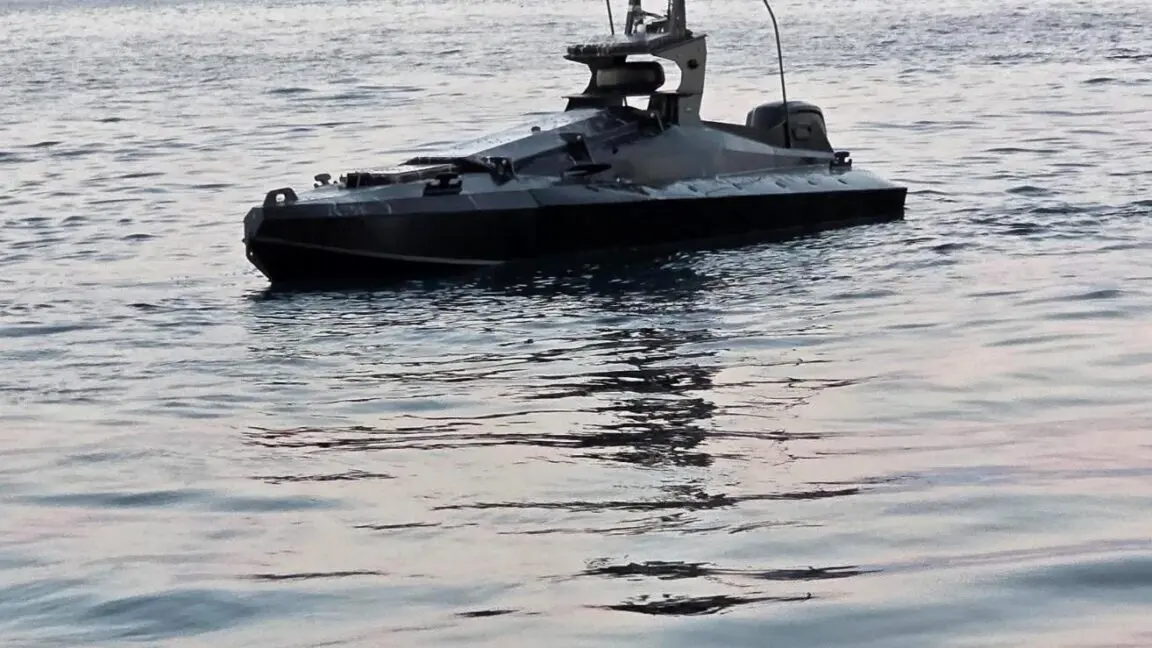
BUCHAREST — In a dramatic escalation of geopolitical tensions in the Black Sea, the Romanian military scrambled F-16 fighter jets this week to intercept and disable an explosive-laden surface drone bearing down on a critical European natural gas facility. The unmanned maritime vessel, packed with high explosives, was neutralized just hundreds of meters away from the primary drilling platform of the multi-billion-euro Neptun Deep project—an installation destined to become the European Union’s largest natural gas source upon full activation in 2027.
The incident marks a profound shift in the theater of hybrid warfare, bringing the direct kinetic threat of the Russia-Ukraine conflict to the doorstep of critical civilian energy infrastructure within NATO’s maritime borders. Romanian authorities have pointedly assigned direct blame to Moscow, while defense analysts warn that the appearance of a novel, previously undocumented class of surface drone signals ominous technological adaptation in asymmetric maritime warfare.
Executive Overview
The unfolding security crisis in Romania’s exclusive economic zone represents a dangerous new threshold in the protection of European critical infrastructure. On August 20, the Romanian Coast Guard detected an unidentified, low-profile maritime drone creeping toward the Neptun Deep offshore site. Operating within sight of hundreds of construction and engineering personnel who were actively installing the massive drilling rig, the vessel posed an immediate and catastrophic hazard to human life and continental energy security.
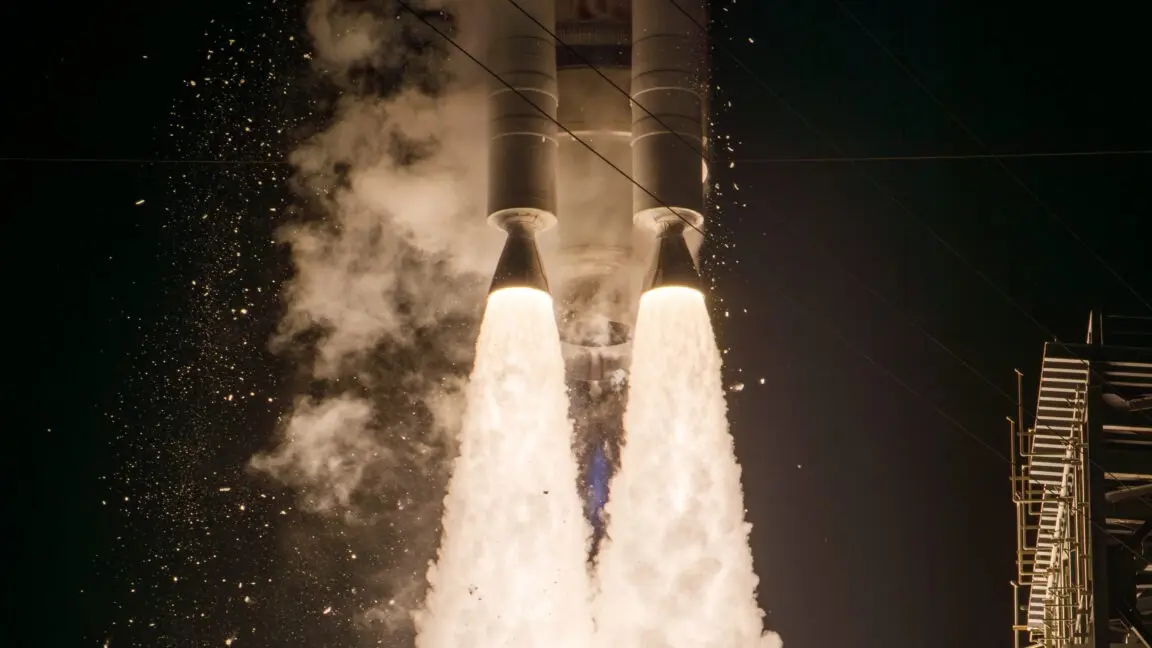
Faced with a rapidly deteriorating security window, Romanian Defense Minister Radu Miruță authorized the deployment of a pair of F-16 fighter jets. Operating with surgical precision, one of the jets used its onboard cannons to cripple the surface drone, preventing it from reaching the platform or detonating autonomously. Explosive ordnance disposal (EOD) specialists subsequently secured the crippled craft, executing a controlled detonation at sea.
This high-seas interception is not an isolated event; it represents the second major security breach involving suspected Russian drones near the Neptun Deep platform within a frantic ten-day span in August. Coming on the heels of an August 11 incident where two Russian-made aerial drones were neutralized while drifting near the same sector, the attack underscores a systematic campaign to probe, disrupt, or outright sabotage Europe’s diversifying energy lifelines.
As geopolitical fallout ripples across Brussels and NATO headquarters, Romanian leadership has adopted an unyielding stance. President Nicușor Dan issued a blistering condemnation of the Kremlin, while naval analysts continue to dissect the wreckage of the drone boat—a design entirely alien to known Russian naval inventories—raising troubling questions about the technological provenance and clandestine production capabilities fueling the ongoing maritime conflict.
Detailed Chronology of the August 20 Incident
The sequence of events that transformed a routine installation phase at the Neptun Deep project into a high-stakes military operation unfolded with chilling speed on the morning of August 20.
Initial Detection and Worker Vulnerability
At approximately mid-morning, surveillance radar and coastal monitoring systems operated by the Romanian Coast Guard picked up an anomalous surface contact drifting toward the central Neptun Deep drilling platform. At the time of detection, the installation was a bustling hub of industrial activity. Several hundred offshore workers, engineers, and logistical personnel were engaged in the complex, ongoing installation of the heavy-infrastructure platform.
The proximity of the unidentified craft—pegged at mere hundreds of meters from the multi-ton industrial asset—instantly triggered emergency protocols. The vessel, subsequently identified as an uncrewed surface vehicle (USV) heavily laden with explosives, presented a dual-pronged crisis: the potential loss of hundreds of civilian lives and the catastrophic destruction of an energy asset vital to the European Union’s post-crisis energy architecture.
The F-16 Scramble and Kinetic Interception
Recognizing the limitations of conventional coastal patrol craft in responding to a high-speed, potentially booby-trapped marine target in the open sea, the Romanian Ministry of Defense escalated the response tier. Two Romanian Air Force F-16 Fighting Falcons stationed at a nearby airbase were scrambled on immediate intercept orders.
According to operational debriefs shared by Defense Minister Radu Miruță, the fighter jets arrived over the Black Sea sector in record time. Given the high risk of electronic countermeasures or remote detonation if traditional boarding or electromagnetic jamming procedures were attempted, military commanders opted for kinetic precision.
Executing a low-level pass, one of the F-16s deployed its internal multi-barrel autocannon. The precise bursts of high-explosive rounds systematically shredded the guidance, propulsion, and hull integrity of the surface drone, effectively neutralizing its ability to maneuver or execute a targeted ramming attack against the platform’s pylons.
Controlled Detonation and EOD Operations
With the surface drone dead in the water and disabled, the immediate danger of a kinetic impact was averted, but a secondary hazard remained: the payload of explosives packed into the hull of the USV.
A specialized naval explosive ordnance disposal (EOD) team was dispatched to the scene. Operating under hazardous conditions, the specialists secured the drifting hulk. As documented in dramatic video footage released publicly by Defense Minister Miruță via social media channels, the military executed a controlled detonation, sending a towering plume of smoke and water into the Black Sea and permanently neutralizing the threat. Subsequent sweep operations confirmed no residual hazards remained in the immediate vicinity of the platform.
Supporting Context & Metrics: The Strategic Significance of Neptun Deep
To understand why the Neptun Deep project has become a primary target for asymmetric harassment and potential sabotage, one must examine its monumental economic and geopolitical weight within the European energy landscape.
A Continental Energy Game-Changer
Located in the Romanian sector of the Black Sea, the Neptun Deep project is the largest natural gas resource development in the Romanian offshore zone and a cornerstone of European Union energy diversification strategies. Jointly developed by major energy players—including OMV Petrom—the deepwater mega-project holds estimated recoverable gas volumes of approximately 100 billion cubic meters.
Upon achieving full operational capacity, projected for 2027, Neptun Deep is scheduled to yield an annual output of roughly 8 billion cubic meters of natural gas. This massive infusion of domestic European production will fundamentally reconfigure the continent’s energy supply map, elevating Romania to the position of the single largest natural gas producer within the European Union.
For a bloc that has spent years aggressively weaning itself off pipeline dependencies from Moscow, the operational success of Neptun Deep is an existential imperative. Consequently, any kinetic threat to its construction phase is viewed by security analysts not merely as an attack on Romanian sovereign infrastructure, but as a direct assault on European energy resilience.
A Pattern of Escalation: The August 11 Precedent
The August 20 surface drone attack did not occur in a vacuum. It represents a sharp escalation from an incident just nine days prior.
On August 11, the Romanian military was forced to mobilize when two Russian-made aerial drones were discovered drifting aimlessly in the Black Sea waters immediately surrounding the Neptun Deep construction site. While those flying units appeared to have suffered guidance failures or fuel exhaustion rather than executing a direct terminal attack, their presence deep within a restricted maritime and airspace exclusion zone raised immediate red flags among military planners.
In both the August 11 and August 20 incidents, Romanian authorities undertook meticulous diplomatic and military verification protocols. Bucharest actively coordinated with Ukrainian defense partners to definitively rule out the possibility of stray ordnance or off-course assets originating from Ukrainian defensive operations. With Kyiv confirming zero ownership or operational connection to the drones, the trail of responsibility pointed unequivocally toward Russian forces operating in the western Black Sea.
The Mystery of the USV: A New Naval Threat Vector
Adding a chilling technical dimension to the August 20 attack is the physical design of the marine drone itself. According to independent naval expert H.I. Sutton, who closely monitors Black Sea naval developments via his publication Covert Shores, the explosive-laden surface vessel recovered and destroyed by Romania does not match any previously cataloged class of uncrewed surface vehicle deployed by the Russian Navy in the conflict thus far.
While Ukraine has successfully pioneered the tactical use of relatively low-cost, jet-ski-derived kamikaze surface drones against Russian warships in Sevastopol and Novorossiysk, Russia has been slower to systematically deploy large numbers of indigenous USVs for offensive counter-infrastructure missions. The appearance of an entirely novel, unidentified hull configuration off the coast of Romania suggests that Moscow—or its proxy procurement networks—is actively experimenting with clandestine, purpose-built naval sabotage platforms designed specifically to elude conventional radar signatures and evade coastal defense tracking networks.
Official Statements and Diplomatic Fallout
The interception of a weaponized maritime drone within a NATO member state’s sovereign economic waters has triggered sharp diplomatic condemnation and urgent consultations within the transatlantic alliance.
Bucharest Draws a Hard Line
Speaking directly to the gravity of the crisis, Romanian President Nicușor Dan took to the social media platform X (formerly Twitter) to voice the nation’s outrage and resolve.
"I strongly condemn the intensification of these types of irresponsible incidents on the part of the Russian Federation," President Dan wrote. "We remain vigilant alongside NATO allies to defend ourselves and repel such challenges."
The president’s remarks reflect a growing consensus in Bucharest that the Kremlin is purposefully testing the resolve of NATO’s eastern flank, engaging in a dangerous game of gray-zone provocation just miles from critical allied territory.
Defense Minister Radu Miruță echoed these sentiments during his press briefings, emphasizing the flawless execution of Romania’s armed forces while issuing an implicit warning regarding the reckless endangerment of civilian contractors working on the Neptun Deep rig. By utilizing F-16 fighter jets—sophisticated, fourth-generation combat aircraft—to handle a maritime threat, Romania signaled that it is fully prepared to leverage its high-end military assets to secure its maritime borders.
The NATO Dimension: Collective Security in the Black Sea
While the operational response was executed entirely by Romanian military personnel, the broader implications resonate across the entire NATO alliance. The Black Sea has emerged as one of the most volatile geopolitical flashpoints of the 21st century.
Since the termination of the Black Sea Grain Initiative and the expansion of naval hostilities, the maritime domain has seen a dramatic increase in underwater mines, electronic warfare interference, and now, targeted attacks on civilian and energy infrastructure. Under NATO’s Article 5 framework, while hybrid gray-zone attacks do not automatically trigger a collective military response, they have prompted the alliance to dramatically ramp up intelligence, surveillance, and reconnaissance (ISR) flights, maritime patrol rotations, and coordinated security frameworks across the Black Sea littoral.
Diplomatic channels in Brussels are reportedly reviewing the incident to determine whether enhanced naval battlegroups or dedicated air-defense bubbles need to be permanently repositioned to shield offshore energy installations from further maritime sabotage.
Future Outlook: Securing the Black Sea Energy Frontier
As the dust settles on the Neptun Deep platform and construction crews gingerly resume their work under the watchful eyes of Romanian naval patrols, the longer-term outlook for Black Sea energy security remains fraught with peril.
Hardening the Energy Frontier
The events of August 20 have fundamentally altered the risk calculus for energy corporations operating in contested maritime zones. Moving forward, the development of projects like Neptun Deep will necessitate a paradigm shift in industrial security. Energy companies can no longer rely solely on commercial security vessels or passive maritime zoning.
Future deepwater extraction hubs in the Black Sea will require militarized perimeters, integrated anti-drone and anti-sabotage defense grids—including acoustic underwater sensors, localized electronic jamming suites, and dedicated kinetic interception capabilities—to ensure that billion-dollar civilian projects do not become sitting ducks in an ongoing regional war.
The Imperative of Deterrence
For Romania and its NATO allies, the core challenge moving forward is establishing robust deterrence against asymmetric maritime sabotage. Because uncrewed surface vehicles and aerial drones operate in a legal and tactical gray zone—often lacking transponders, operating autonomously, and launched from unmarked mother ships or contested coastlines—attributing and retaliating against attacks remains deeply complex.
However, the decisive action taken by Romanian F-16 pilots demonstrates that early detection and rapid kinetic response remain the most effective immediate countermeasure against kamikaze marine drones. By successfully neutralizing the threat before it could inflict catastrophic structural damage or loss of life, Romania has set a tactical benchmark for allied coastal defense.
As Europe marches toward its self-imposed deadlines for total energy independence from Russian hydrocarbons, the security of offshore assets like Neptun Deep will remain an acid test for Western resolve. The Black Sea is no longer just a trade corridor or a theater of naval combat; it is the frontline of Europe’s energy future, and defending it will require unyielding vigilance, technological innovation, and absolute allied solidarity in the face of persistent maritime aggression.