Published: August 15, 2026
Author: TechCrunch Staff / Tech Desk
Dateline: SAN FRANCISCO & HAWTHORNE, CA
Executive Overview
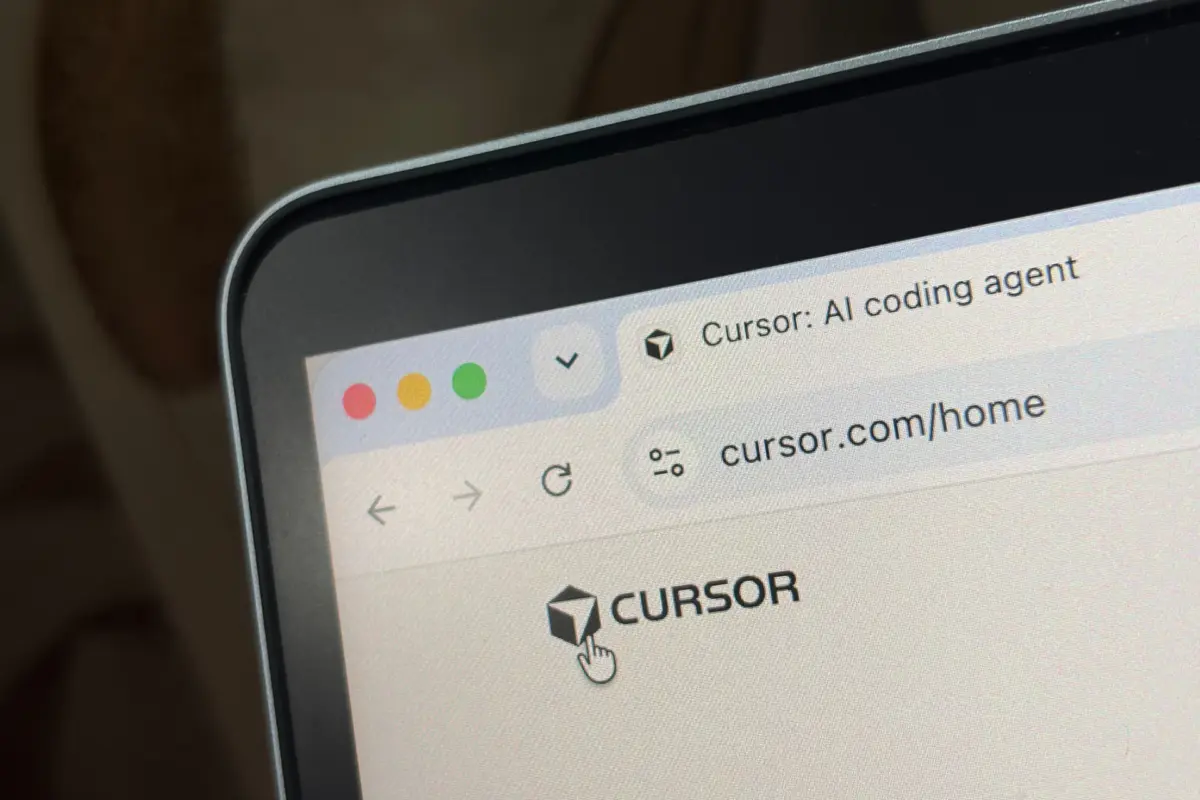
In a milestone transaction that reshapes the intersection of aerospace, artificial intelligence, and hyperscale computing, prominent AI-powered coding startup Cursor has officially finalized its acquisition by Elon Musk’s SpaceX. The closing of the deal—valued at a staggering $60 billion in stock—comes just months after SpaceX executed a blockbuster initial public offering (IPO) and signals a massive vertical integration strategy.
By absorbing Cursor, SpaceX secures not only one of the developer ecosystem’s most sought-after code-generation platforms, but also locks down an internal engine for software development that can leverage its sprawling, highly controversial data center infrastructure. Cursor confirmed the completion of the transaction via an official corporate blog post on August 15, 2026, emphasizing that the merger grants the coding assistant unprecedented access to what it describes as "the largest fleet of GPUs in the world."
This acquisition represents the culmination of a rapid sequence of events that began earlier this year when SpaceX first partnered with Cursor, subsequently absorbing Musk’s dedicated AI enterprise, xAI. As SpaceX pivots heavily into commercial cloud computing—renting out substantial processing power to industry giants like Google and Anthropic—the integration of Cursor positions the combined entity as a supreme powerhouse in both compute infrastructure and applied artificial intelligence software.
Detailed Chronology: From Partnership to Multibillion-Dollar Merger
The path to Cursor becoming a wholly owned subsidiary of SpaceX has been remarkably swift, characterized by rapid strategic maneuvers, public market shifts, and high-stakes options exercises.
April 2026: The Initial Strategic Partnership
The genesis of the deal dates back to April 21, 2026. Initially, SpaceX announced a collaborative technical partnership with Cursor. The alliance was designed to pool engineering capabilities and co-develop specialized software architecture. However, embedded within the initial partnership framework was a high-consequence contingency: SpaceX held an exclusive, pre-negotiated option to acquire the startup outright for a staggering $60 billion valuation. At the time, industry analysts viewed the option as an aggressive play by Musk to secure proprietary coding agents that could automate aerospace engineering and software deployment across SpaceX’s Starlink, Starship, and defense portfolios.
June 2026: The Blockbuster IPO and Deal Trigger
The trajectory of the acquisition accelerated dramatically in June 2026. Following SpaceX’s historic public market debut—a blockbuster IPO that minted the aerospace firm as one of the most capitalized entities on global exchanges—management moved quickly to exercise the acquisition option. Just days after going public, SpaceX leadership confirmed they were advancing the transaction, utilizing newly minted stock to seal the $60 billion acquisition agreement. The move stunned Wall Street, effectively transforming SpaceX from a pure-play aerospace and satellite communications provider into a multi-faceted compute and AI software conglomerate.
August 2026: Deal Finalized
On August 15, 2026, the regulatory and operational hurdles were officially cleared. The Cursor blog went live with the definitive announcement that the acquisition had closed. The integration process immediately commenced, focusing on merging Cursor’s developer tools with SpaceX’s formidable internal software stack and sprawling compute clusters.
Supporting Context & Metrics: Infrastructure, Revenue, and Environmental Headwinds
To fully understand the strategic weight of the Cursor acquisition, one must examine the broader financial and physical infrastructure empire that SpaceX has constructed over the past several years.
The Hyperscale Pivot and Compute Rentals
SpaceX is no longer defined solely by rockets and satellite constellations. In early August 2026, financial disclosures revealed that SpaceX had doubled its revenues, driven largely by lucrative computing and infrastructure deals. The company has aggressively monetized its excess capacity, renting out massive clusters of high-performance GPUs to external artificial intelligence leaders, including Google and Anthropic.

Cursor’s integration into this ecosystem is a masterclass in resource utilization. By folding Cursor into its portfolio, SpaceX acquires a high-margin software product that can directly consume internal compute resources, creating a closed-loop system where SpaceX builds the chips and data centers, rents them to third parties, and utilizes them internally via elite developer tools like Cursor.
The Environmental and Regulatory Toll
However, this exponential expansion of compute capacity has not come without severe friction. SpaceX’s rapid scaling of data center infrastructure—particularly its reliance on high-output gas turbines to power massive server farms—has triggered significant regulatory and legal pushback.
As reported previously, xAI and its associated infrastructure operations have faced high-profile lawsuits concerning the operation of over 400 megawatts of gas turbines without adequate environmental permits. Critics and local environmental groups have raised alarms over emissions and air quality degradation surrounding these facilities. With Cursor now fully integrated into the SpaceX corporate umbrella, the startup inherits not only state-of-the-art hardware but also the complex environmental regulatory battles and public scrutiny currently surrounding Musk’s energy-hungry computing initiatives.
Official Statements and Industry Impact
The leadership teams of both Cursor and SpaceX have framed the merger as a transformative moment for the future of artificial intelligence development and intelligence scaling.
In its official closing statement, Cursor emphasized the sheer scale of the hardware backing it now possesses:
"SpaceX is building the computing capacity needed to scale intelligence far beyond what exists today. Cursor will be one place where that intelligence becomes useful."
By highlighting access to "the largest fleet of GPUs in the world," Cursor is signaling to the developer community that its AI models will no longer face the compute bottlenecks that routinely constrain smaller, independent AI startups. This computational muscle will theoretically allow Cursor to train larger, more capable base models, reduce latency for real-time code completion, and introduce advanced autonomous multi-file editing agents capable of handling massive enterprise codebases.
Industry observers note that this acquisition marks the effective end of the independent AI coding assistant era. With GitHub Copilot backed by Microsoft, and now Cursor fully absorbed by the SpaceX-xAI axis, the developer tooling landscape has consolidated into a battleground dominated by trillion-dollar tech and infrastructure giants.
Future Outlook: What the Acquisition Means for Developers and the Market
As the dust settles on the $60 billion transaction, software engineers, enterprise clients, and market analysts are left evaluating what comes next.
- Enterprise Integration & Security: SpaceX services major defense, aerospace, and government contracts. It is anticipated that Cursor will rapidly roll out hardened, ultra-secure versions of its coding platform tailored for classified and high-security environments, leveraging SpaceX’s compliance infrastructure.
- Hardware-Software Synergy: With Cursor engineers now working hand-in-hand with SpaceX’s hardware infrastructure teams, future iterations of Cursor are expected to be uniquely optimized for proprietary GPU architectures and custom-built cluster topologies. This could yield performance benchmarks that independent competitors struggle to match.
- Market Consolidation: Smaller developer-tool startups will likely find it increasingly difficult to compete against an entity that owns both the underlying compute hardware and the premier user-facing IDE extension. We can expect a wave of defensive partnerships or acquisitions across the developer-tooling sector as competitors seek shelter under other tech majors.
Ultimately, the SpaceX-Cursor merger is a defining event of the mid-2020s tech boom. It illustrates that the battle for artificial intelligence supremacy is no longer just about algorithms—it is about power generation, physical infrastructure, and the ruthless vertical integration of software and hardware.