







Executive Overview
The Silent Hill franchise is experiencing a profound, long-awaited renaissance. After years of dormancy, Konami’s legendary survival horror property is riding a powerful wave of renewed industry and fan interest. Following the critical and commercial success of Bloober Team’s meticulous remake of Silent Hill 2 and the atmospheric, 1960s-set Silent Hill: f developed by NeoBards Entertainment, the psychological horror titan is expanding its horizons once more.
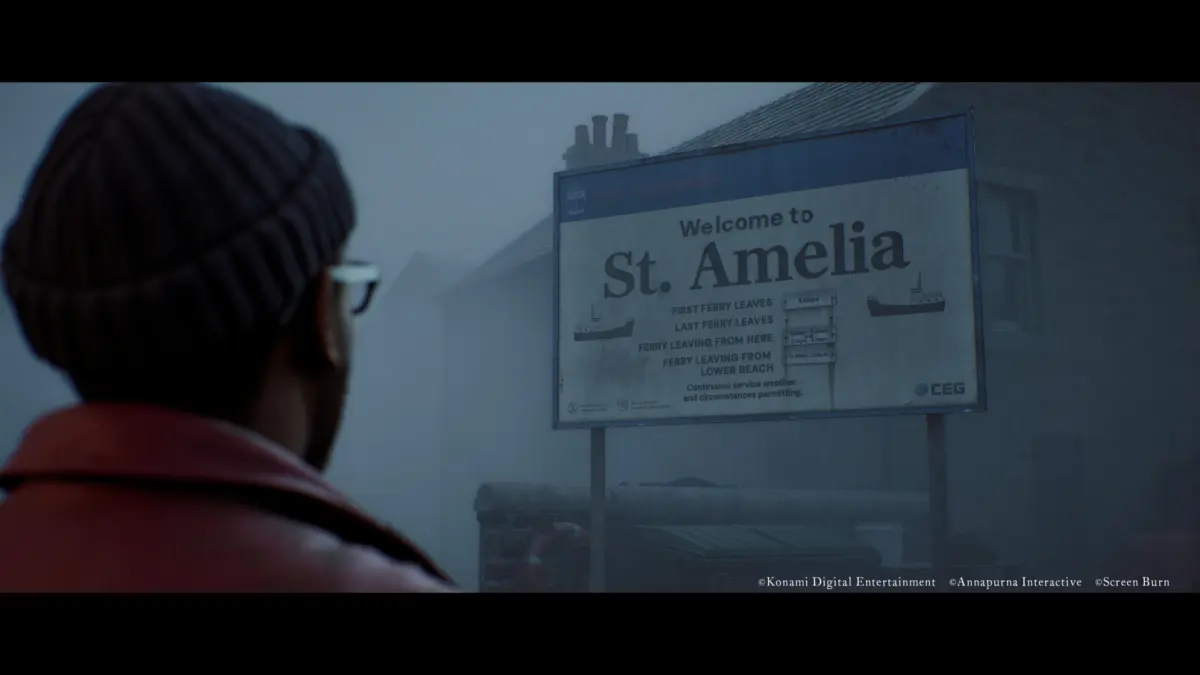
Publishers Konami and Annapurna Interactive are gearing up for the release of Silent Hill: Townfall, a bold, immersive, and heavily analog-driven entry that leans deep into nostalgia and psychological terror. Set against the bleak backdrop of an eerie, isolated Scottish town, Townfall puts players in the shoes of an American protagonist who is distinctly out of his element—and harboring a fractured psyche.
Developed by Scotland-based studio Screen Burn—a team featuring veterans of Creative Assembly’s Alien: Isolation—Townfall represents a radical structural shift for the series. By fully embracing a first-person perspective, the title intends to weaponize player vulnerability, transforming the franchise’s trademark bizarre and haunting tone into a suffocating, intimate experience.
Recently, industry press got an exclusive look at a near-final build of Silent Hill: Townfall. In-depth discussions with lead writer and game director Jon McKellan alongside Silent Hill series producer Motoi Okamoto reveal an ambitious project: a slow-burn, prestige-television-style thriller designed to deconstruct survival horror conventions while respecting the psychological DNA of Konami’s masterclass series.
Detailed Chronology: The Evolution of Townfall and Its Mechanics
A Town in Disarray: The Setting of St. Amelia
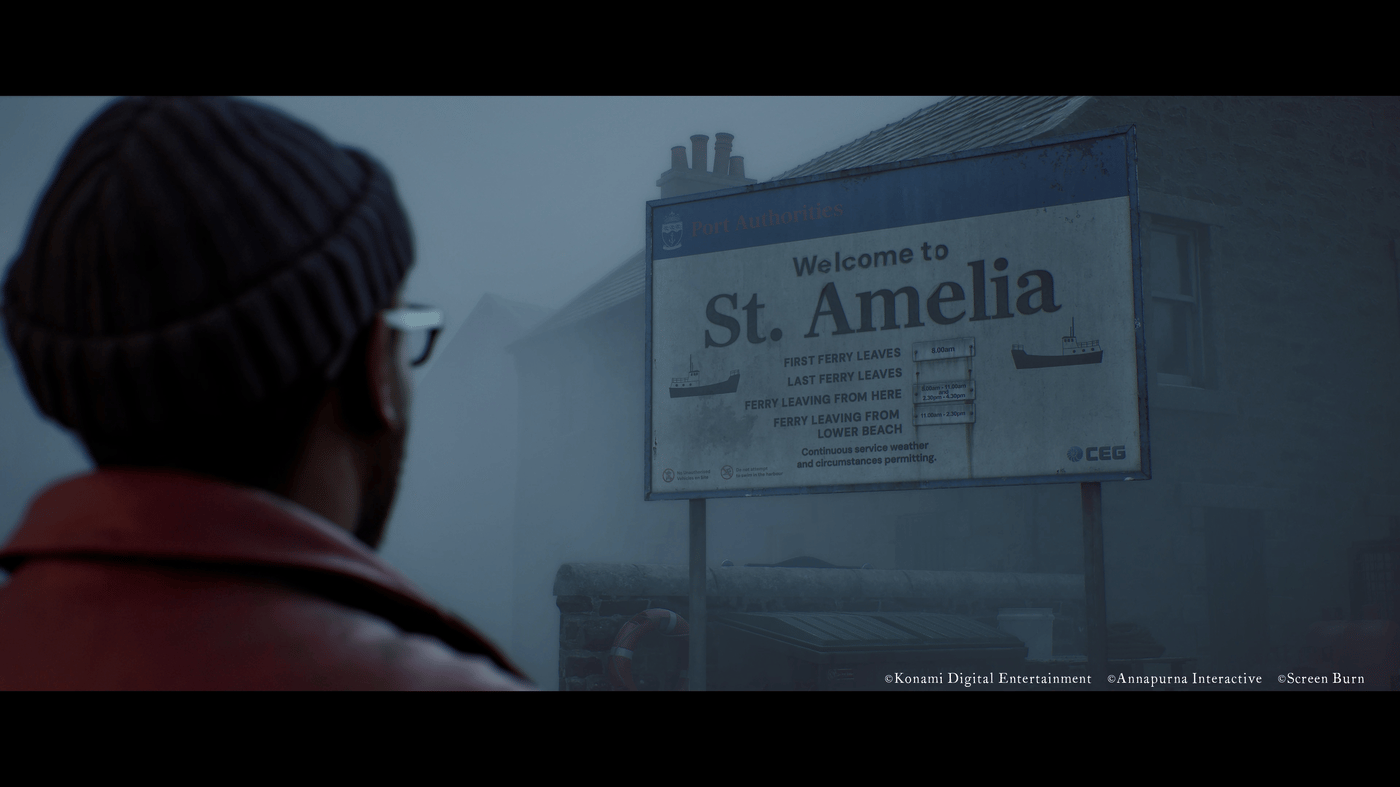
Set in the fictional, rain-slicked Scottish island of St. Amelia in the year 1996, Townfall immediately establishes a grounded, socially conscious atmosphere. According to series producer Motoi Okamoto, the development team sought to explore the friction between the individual and a decaying society.
"We’re taking a much more grounded experience with Silent Hill: Townfall, and one of the important things that we wanted was to have a little bit of a social commentary element, with the relationship between the individual and the society of the town as a whole," Okamoto explains. "The time period is 1996, and players will be able to explore this town and this era, where they’ll see for themselves the reality and delusions within the town slowly intertwine."
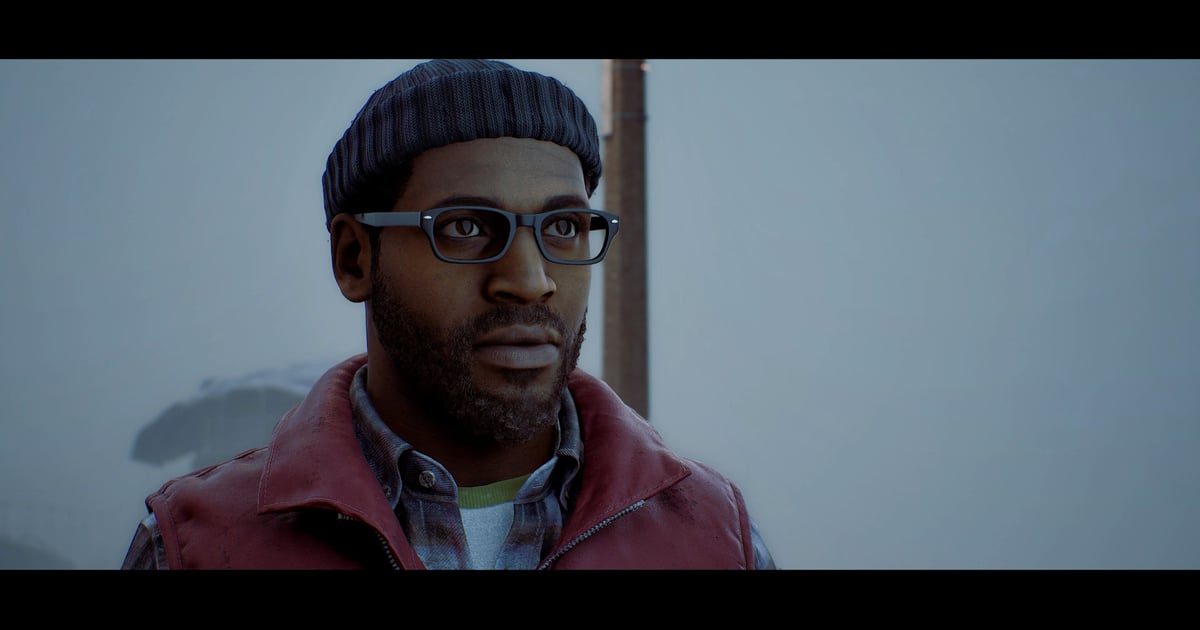
The narrative kicks off when the protagonist, Simon Ordell, mysteriously finds himself washed ashore or trapped on St. Amelia. His primary objective is deceptively simple: locate his missing significant other, Zoe. However, Simon quickly discovers that the island is far from abandoned. Prior to his arrival, St. Amelia was torn apart by intense labor union strikes and a bitter conflict against an oppressive corporate institution. That socio-economic unrest has since boiled over, mutating the community’s infrastructure and giving birth to a localized, nightmarish entity that bends reality itself.
First-Person Survival: Mechanics of Vulnerability
Unlike traditional entries in the series that favor a third-person camera, Townfall pulls the player directly behind Simon’s eyes. This first-person viewpoint is not merely a stylistic choice; it is a mechanical pillar designed to heighten claustrophobia and raw terror.
As Simon navigates the fog-drenched streets of St. Amelia, he cannot rely on traditional action-hero mechanics. The grotesque, mutated monsters roaming the town are formidable, forcing players to pick their battles carefully. Stealth is paramount. Players must frequently skirt past horrors in the shadows, slip into dilapidated rooms, and physically barricade or lock doors behind them to buy precious seconds of safety.
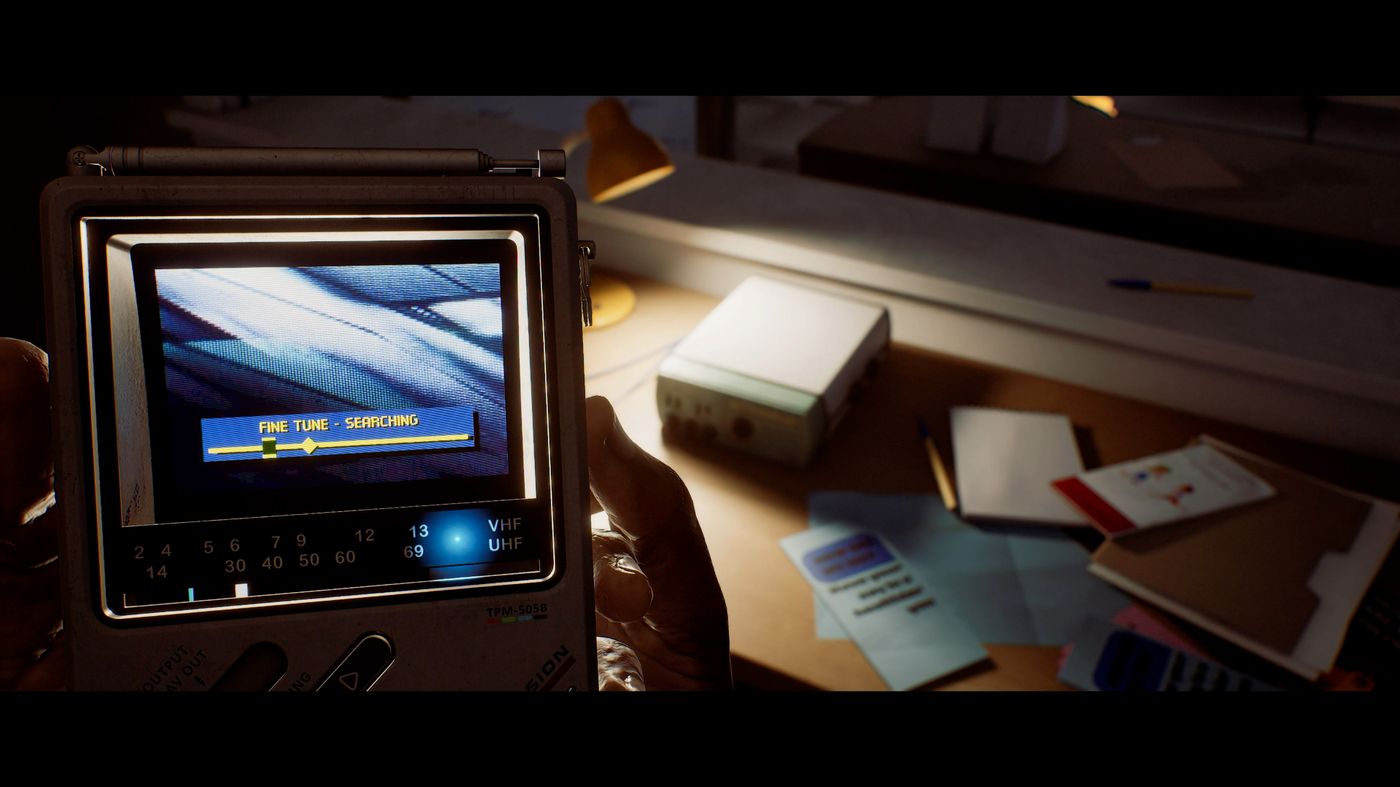
To ground the player entirely in Simon’s mental state, Screen Burn has implemented a unique narrative interface. Simon’s in-the-moment psychological insights and immediate panic manifest as "inner thoughts" displayed directly on the screen. This system works in tandem with his most prized possession: a battered, portable television monitor.
The CRT Lifeline: Unreliable Tech as a Survival Tool
The portable television serves as Townfall’s narrative and mechanical anchor, evolving the iconic radio static warnings of past Silent Hill titles into something much more complex.
- Threat Detection: The handheld television warns players of nearby supernatural threats, capable of picking up distorted silhouettes of enemies lurking behind walls or obscured by dense fog.
- Manual Tuning: To utilize the device effectively, players cannot simply press a button; they must manually tune the television to the correct frequency in real time, exposing themselves to vulnerability while staring at a glowing, static-ridden screen.
- Environmental Puzzles: During hands-on demonstrations, players navigated puzzles such as cracking a security passcode inside a ruined pharmacy. The portable TV fed Simon cryptic audio-visual recordings containing numerical clues, projecting warped analog data that bridged the gap between environmental storytelling and puzzle-solving.
- Interpersonal Connection: Crucially, the television also acts as the primary communication channel for Zoe, who transmits vital clues, audio logs, and haunting insights across the static.
Supporting Context & Metrics: The DNA of Screen Burn and Analog Horror
The Legacy of Alien: Isolation and Stories Untold
While comparisons to Hideo Kojima’s legendary, ill-fated P.T. demo are inevitable for any first-person horror game touching the Silent Hill IP, Townfall shares a much deeper lineage with Creative Assembly’s 2014 masterwork, Alien: Isolation.
Jon McKellan, game director on Townfall, served as the user interface director on Alien: Isolation, where he designed the iconic, clunky motion tracker. Alongside his work on the critically acclaimed indie horror title Stories Untold at No Code, McKellan has spent over a decade perfecting the art of analog horror.
"Analog horror has been our calling card since day one," McKellan notes. "I was the user interface director on Alien: Isolation, so I was working on the look of the old tech and designed the motion tracker for that one. It’s always been kind of in my blood to do VHS and that kind of visual style, and the same goes with Stories Untold. Working on Silent Hill: Townfall was like an evolution of that as well."
The deliberate integration of chunky CRT monitors, buzzing audio signals, and decaying 1990s technology is carefully calibrated. For Screen Burn, the challenge was ensuring these lo-fi aesthetics did not feel like a cheap stylistic gimmick, but rather an organic extension of the world’s decaying mental state.
Official Statements & Creative Vision
Aiming for Prestige Television
In crafting the narrative arc of Townfall, the development team consciously rejected traditional video game writing tropes in favor of structural pacing more commonly found in high-end streaming dramas.
"From my point of view, with many Silent Hill games, it feels like every character is like ‘ships passing in the night,’ they pass by and influence each other in some way and then move on," McKellan explains. "Whereas with Townfall, Zoe’s story is with Simon, and Simon’s story is with our other character we see at the beginning—they’re all deeply connected, but they don’t really know how or why."
This interconnected web of trauma and mystery steers Townfall away from chaotic exposition and toward a deeply calculated, atmospheric thriller.
"For our Silent Hill game, we’re trying to feel a lot more like an intelligent thriller, like something you’d see on HBO. We’re really leaning into those inspirations of primetime TV shows or a movie."
— Jon McKellan, Game Director
To achieve this naturalistic, prestige cadence, Simon’s vocalizations are deliberately sparser than traditional protagonists. By utilizing text-based inner thoughts and measured dialogue, the team avoids breaking immersion, allowing players to slowly build deep psychological empathy with the cast.
Motoi Okamoto echoes this sentiment regarding the broader anthology direction of modern Silent Hill titles: "We’re taking a much more grounded experience… where they’ll see for themselves the reality and delusions within the town slowly intertwine." By treating Townfall as a standalone anthology piece, Konami has given independent developers the creative latitude to take high-stakes risks with the franchise’s identity.
Future Outlook: A New Paradigm for Franchise Horror
As the video game industry watches Konami’s multi-pronged revival of its premier horror property, Silent Hill: Townfall occupies a fascinating space. It proves that the publisher is willing to look beyond safe, direct remakes and traditional Japanese development pipelines, partnering with distinct Western studios like Screen Burn to interpret the series through unique regional and stylistic lenses.
The transition to a first-person perspective, paired with uncompromising analog survival mechanics, positions Townfall as a distinct departure from the third-person action-adventure roots of the original trilogy. Yet, its unwavering commitment to introspective trauma, societal rot, and psychological vulnerability ensures it remains fundamentally tethered to what made the name Silent Hill legendary in the first place.
If Screen Burn can successfully execute the slow-burn, prestige-television narrative it has promised, Silent Hill: Townfall may not only redefine the future of the franchise—it could set a new benchmark for how lo-fi technology and psychological dread can be masterfully intertwined in modern survival horror.