







Executive Overview
For years, the intersection of console and PC gaming has been defined by strategic gatekeeping, corporate calculus, and heavy capital investment. Historically, personal computer enthusiasts eager to experience Sony’s critically acclaimed PlayStation ecosystem faced a binary reality: either purchase proprietary console hardware or wait indefinitely for official, publisher-sanctioned PC ports. Even then, those ports were entirely contingent on Sony’s fluctuating corporate strategies—a pipeline that recent reports indicate may be scaling back as corporate priorities shift.
However, the technological landscape is undergoing a tectonic transformation. Driven by rapid, unexpected advancements in open-source software engineering, reverse engineering, and low-level system architecture design, the emulation community is shattering the exclusivity barrier. Recent breakthroughs in PlayStation 5 emulation are moving faster than industry forecasters ever anticipated. Projects previously dismissed as impossibly complex are now successfully booting, rendering, and running modern ninth-generation console titles on generic, off-the-shelf PC hardware.
Leading this charge are pioneering software initiatives like SharpEmu and KytyPS5. In what can only be described as a watershed moment for game preservation and software emulation, these tools have transitioned from theoretical concepts and unstable alpha repositories into functional, performance-viable emulators. With titles ranging from lightweight 2D indie experiences to heavyweight, graphically intensive 3D showcases like Astro Bot and the PS5 Demon’s Souls remake now running at playable frame rates, the paradigm of platform exclusivity is facing its most formidable technical challenge to date.
This in-depth investigative report explores the technological milestones behind the current PS5 emulation wave, analyzes the architecture of the breakthrough emulators, examines the industry context surrounding official ports, and evaluates the long-term implications for developers, publishers, and the broader gaming landscape.
Detailed Chronology: From Theoretical Alpha to Playable Reality
The journey toward functional PlayStation 5 emulation has been marked by staggering acceleration. To understand the magnitude of the current breakthroughs, one must trace the timeline of the software development lifecycle over the past year, highlighting the inflection points that turned the impossible into the operational.
May 2025: The Genesis of SharpEmu’s Alpha
The modern era of PS5 emulation effectively began in earnest during the late spring. In May, developer CursedIfElse published the initial commits for a brand-new, purpose-built emulator dubbed SharpEmu. At the time, the project was categorized strictly as being in a "very early alpha stage."
Building a modern console emulator from absolute scratch—without leveraging pre-existing codebases from prior generations—is widely considered a monumental undertaking in software engineering. The PlayStation 5 architecture, anchored by a custom AMD Zen 2 CPU and a heavily customized Radeon RDNA 2 GPU, presents an immense web of complex low-level instruction sets, memory management units, and proprietary APIs. In its infancy, SharpEmu could do little more than initialize basic debugging hooks and read rudimentary binary structures. Few industry observers predicted that a fully custom, hardware-accurate emulator could bridge the gap to actual gameplay within a single calendar year.
Summer to Late 2025: Overcoming the Instruction Set Barrier
Throughout the summer and autumn months, the development velocity surrounding SharpEmu defied traditional open-source timelines. The core engineering focus centered on hardware accuracy rather than quick, hacky shortcuts.
By prioritizing the correct handling of native CPU instructions and memory translation layers, the software evolved from a basic code loader into a functioning execution environment. Key milestones were quietly cleared behind the scenes:
- The eboot.bin Breakthrough: The emulator gained the ability to successfully parse, load, and execute the primary executable files (
eboot.bin) of real, unencrypted PlayStation 5 software packages. - CPU and GPU Handshake: Developers engineered partial handling of GPU-related functionality, allowing the software to translate custom low-level graphics commands into instructions that standard PC graphics cards could comprehend and render.
Early 2026: The "Playable State" Milestone
The culmination of these architectural investments materialized at the start of 2026. According to the latest metrics tracked on the official SharpEmu compatibility database, the software now boasts 10 rigorously tested games that achieve a fully "playable" state.
Even more astonishingly, lead developer CursedIfElse confirmed via social media channels that six of these titles run at a rock-solid 60 frames per second. This milestone marks a critical transition point: PS5 emulation is no longer merely a "boot screen simulator" or a technical curiosity; it is evolving into a viable alternative runtime environment for ninth-generation software.
Mid-2026: The Public Debut of KytyPS5
As momentum around SharpEmu reached a fever pitch, the emulation community received a second major boost. KytyPS5, the spiritual and structural successor to the popular PlayStation 4 emulator Kyty (spearheaded by developer InoriRus), officially launched its first public version.
While Kyty previously carved out a niche by tackling the architectural nuances of the PS4, the transition to KytyPS5 represents a massive expansion of scope. Debuting with public availability on GitHub, the emulator immediately demonstrated the capacity to boot a wide variety of 2D titles alongside an impressive selection of complex 3D games—including modern blockbusters engineered within industry-standard environments like Unreal Engine 4 and Unreal Engine 5, Unity, and proprietary custom game engines.
Supporting Context & Metrics: Decoding the Technical Leap
To fully appreciate why these recent developments represent a seismic shift, one must examine the metrics of compatibility and the technical philosophy driving modern console emulation.
Hardware Accuracy vs. High-Level Emulation (HLE)
In the history of console emulation, developers typically choose between two paths:
- High-Level Emulation (HLE): Simulating the operating system and high-level software calls of the console. This approach is often faster to implement and less resource-intensive, but it struggles with proprietary quirks and frequently leads to severe bugs and graphical glitches.
- Low-Level Emulation / Hardware Accuracy: Replicating the physical behavior of the underlying hardware components as closely as possible.
From its inception, SharpEmu chose the latter, more arduous path. As CursedIfElse noted in a candid social media statement:
"SharpEmu has prioritized hardware accuracy from the very beginning, and we’re finally starting to see that investment pay off. It was built completely from scratch, and this is how far we’ve come."
This commitment to hardware accuracy explains why the early results, while limited in catalog size, exhibit remarkable stability. When an emulator correctly interprets native CPU instructions rather than relying on translation shortcuts, the margin for game-breaking physics bugs and runtime crashes shrinks dramatically.
The Compatibility Spectrum: From 2D Indie to 3D Masterpieces
The current roster of functional titles running on these emulators shatters the notion that only simplistic software can be emulated. The compatibility lists span a surprisingly diverse spectrum of complexity:
- Lightweight 2D Experiences: Titles such as Tetris Forever run flawlessly, serving as initial test beds for pipeline stability, audio output, and input latency mapping.
- Modern 3D Platformers: Highly polished, physics-driven ninth-generation exclusives like Team Asobi’s Astro Bot have been demonstrated running in experimental builds, proving that complex spatial audio and intricate controller feedback systems can be mapped and processed outside the native ecosystem.
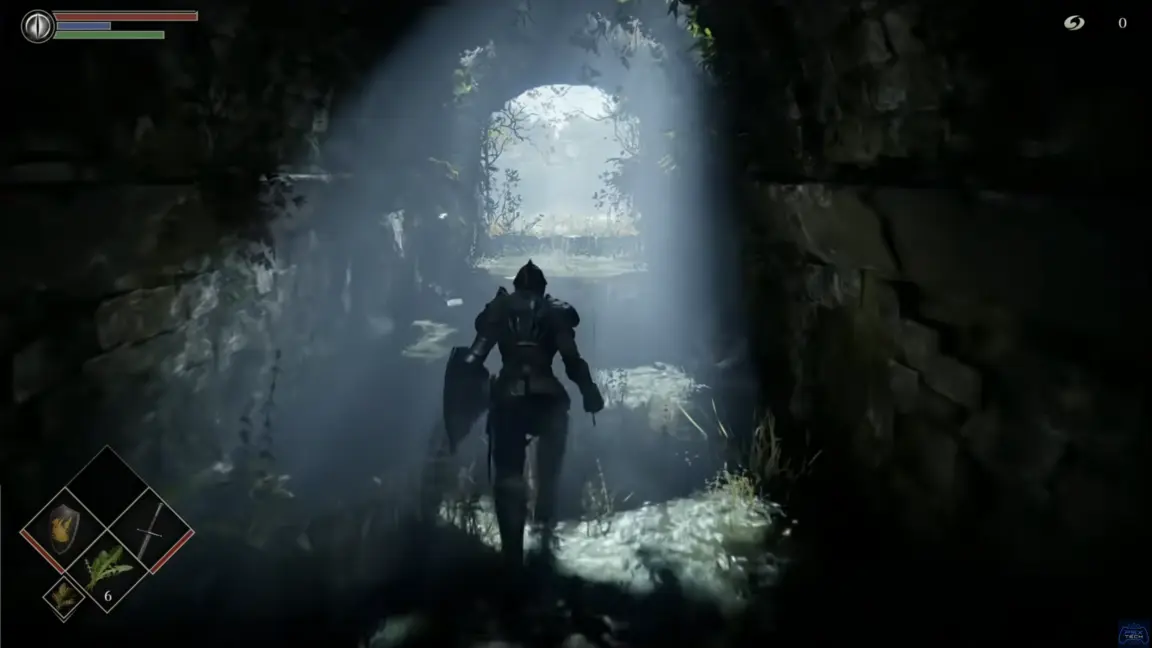
- Heavyweight Remasters: Perhaps the most compelling technical showcase is the successful boot and execution of the PS5 Demon’s Souls remaster. Rendering this graphically demanding, visually dense title at playable frame rates on generic PC hardware signals that the computational bottlenecks traditionally associated with ninth-generation asset streaming are actively being overcome.
Official Statements and Industry Backdrop: The Shrinking Port Pipeline
The rapid ascent of independent PS5 emulators does not occur in a vacuum; it unfolds against a complex, shifting backdrop of corporate strategy by Sony Interactive Entertainment.
For years, PC gamers operated under a strict rationing system regarding PlayStation intellectual property. Sony’s official stance on PC ports was historically conservative, limited to occasional, carefully calculated releases designed to drum up interest in upcoming sequels. While former Sony executive leadership briefly championed an aggressive expansion into the PC market—investing heavily in bespoke, high-budget ports of blockbuster franchises like God of War, Horizon Zero Dawn, and Marvel’s Spider-Man—the corporate tide has begun to turn.
Recent industry reports and official disclosures indicate that Sony is scaling back its investments in dedicated, bespoke PC ports for single-player PlayStation titles. Internal economic evaluations have reportedly led executives to question whether the immense financial expenditure required to build, optimize, and support high-end PC ports yields a sufficient return on investment compared to focusing entirely on the captive ecosystem of PlayStation hardware.
This strategic retreat by Sony creates a stark vacuum in the marketplace. Demand for PlayStation games on personal computers remains exceptionally high, fueled by a massive demographic of gamers who refuse to purchase dedicated console hardware solely for a handful of exclusive releases. When official channels contract, underground and open-source alternatives naturally expand to fill the void. In this light, the explosive progress of SharpEmu and KytyPS5 can be viewed as an organic market correction—a technical insurrection driven by passionate developers determined to bridge a gap that corporate publishers are increasingly reluctant to cross.
Future Outlook: Challenges, Preservation, and the Horizon
As we look toward the horizon of software development and digital preservation, the emergence of functional PlayStation 5 emulation opens a Pandora’s box of legal, ethical, and technological questions. What does the future hold for these projects, and what obstacles must they clear before mainstream adoption becomes a reality?
1. The Scaling Challenge: From 10 Games to a Library
While achieving a playable state for 10 games is an extraordinary engineering feat, the PlayStation 5 library contains thousands of titles. Scaling an emulator from running a handful of curated test titles to maintaining broad, robust compatibility across a massive catalog is a multi-year—if not multi-decade—endeavor. Developers will inevitably encounter complex, proprietary middleware, bespoke encryption techniques, and hardware-specific APIs (such as Sony’s custom I/O decompressor chips) that defy simple emulation logic.
2. Hardware Demands on the PC Side
Emulating hardware that is more powerful than the host machine requires immense computational overhead. While modern high-end gaming PCs equipped with multi-core processors and advanced GPUs are capable of brute-forcing some of these computational requirements, achieving stable, stutter-free performance across mid-range consumer hardware will remain a significant hurdle for the foreseeable future. Optimization will dictate whether these emulators remain playthings for bleeding-edge enthusiasts or transform into accessible tools for the masses.
3. The Digital Preservation Imperative
Beyond the obvious allure of playing exclusive games without console hardware, the rise of PS5 emulators underscores a vital conversation surrounding digital preservation. Modern gaming hardware relies heavily on digital-first distribution, cloud connectivity, and proprietary online services. When console generations sunset, historical libraries face the genuine threat of extinction. Independent emulation projects, built from scratch by dedicated communities, often serve as the sole archival safety net against the corporate obsolescence of video game history.
4. Legal and Ethical Frontiers
Unsurprisingly, the acceleration of PS5 emulation will once again thrust the complex legal debates surrounding reverse engineering, copyright law, and intellectual property into the global spotlight. While the creation of clean-room emulators is legally protected under established jurisprudence, the distribution and utilization of copyrighted game ROMs, decryption keys, and system BIOS files operate in a perennial legal gray area. How platform holders—specifically Sony—choose to respond to these open-source breakthroughs through legal or technical countermeasures will shape the trajectory of the ecosystem in the months and years ahead.
Conclusion
The rapid evolution of SharpEmu and KytyPS5 marks a definitive turning point in gaming history. What began as speculative lines of code in a nascent GitHub repository has rapidly matured into a functioning technological bridge between console exclusivity and open PC architecture. As official publisher support for PC ports wavers, the ingenuity of independent developers ensures that the barriers dividing gaming platforms are porous, fragile, and ultimately destined to fall. The era of ninth-generation emulation has officially arrived, and the landscape of digital entertainment will never be the same.