









Executive Overview
The global publishing landscape is undergoing a profound technological paradigm shift, driven by rapid advancements in generative artificial intelligence and voice synthesis. Historically, authors seeking to produce audiobooks were faced with a stark binary choice: endure the grueling physical and financial demands of recording their own voice in a professional studio, or outsource the narration to professional voice talent. For independent and mid-tier authors, the latter option often proved cost-prohibitive, while the former was limited by physical stamina and production complexities.
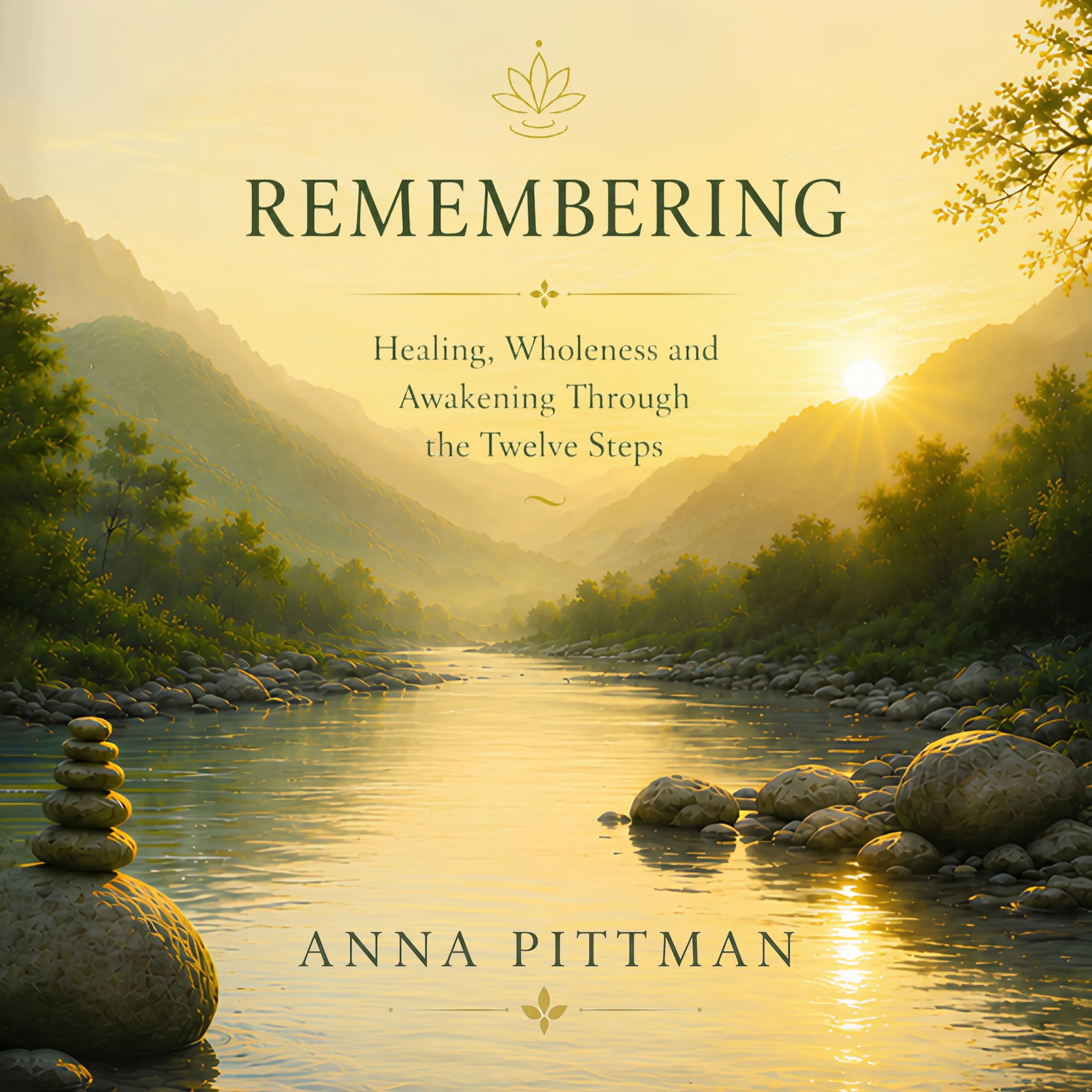
In a landmark achievement for the independent publishing sector, media production agency TecnoTur LLC has successfully produced and distributed Remembering: Wholeness and Awakening through the Twelve Steps, the debut book by author Anna Pittman. What distinguishes this release from conventional audiobooks is its innovative synthesis of human authenticity and cutting-edge technology: it represents one of the industry’s first full-length audiobooks narrated entirely by the author’s own AI-cloned voice.
Spanning 308 pages and comprising 63,325 words, the project demonstrates how advanced voice-cloning engines can bypass the logistical bottlenecks of traditional recording. By leveraging the ElevenLabs Pro platform alongside strategic direct-to-consumer (D2C) distribution models, TecnoTur has established a new blueprint for modern book publishing. This initiative not only preserves the intimate, personal connection of an author-read text but also makes high-quality audiobook production accessible and scalable.
Detailed Chronology
The journey from a raw manuscript to a globally distributed, AI-narrated audiobook required a meticulous, multi-stage production pipeline. The workflow balanced high-fidelity acoustic capture with sophisticated digital post-processing.
[Raw Audio Capture]  ──>  [Voice Engine Training]  ──>  [Phonetic Triage]  ──>  [Mastering & Packaging]
 (MXL 770 Condenser)       (ElevenLabs Pro Platform)     (Proactive Glossary)       (M4B Chapter Design)
Phase 1: Capturing the Acoustic Baseline
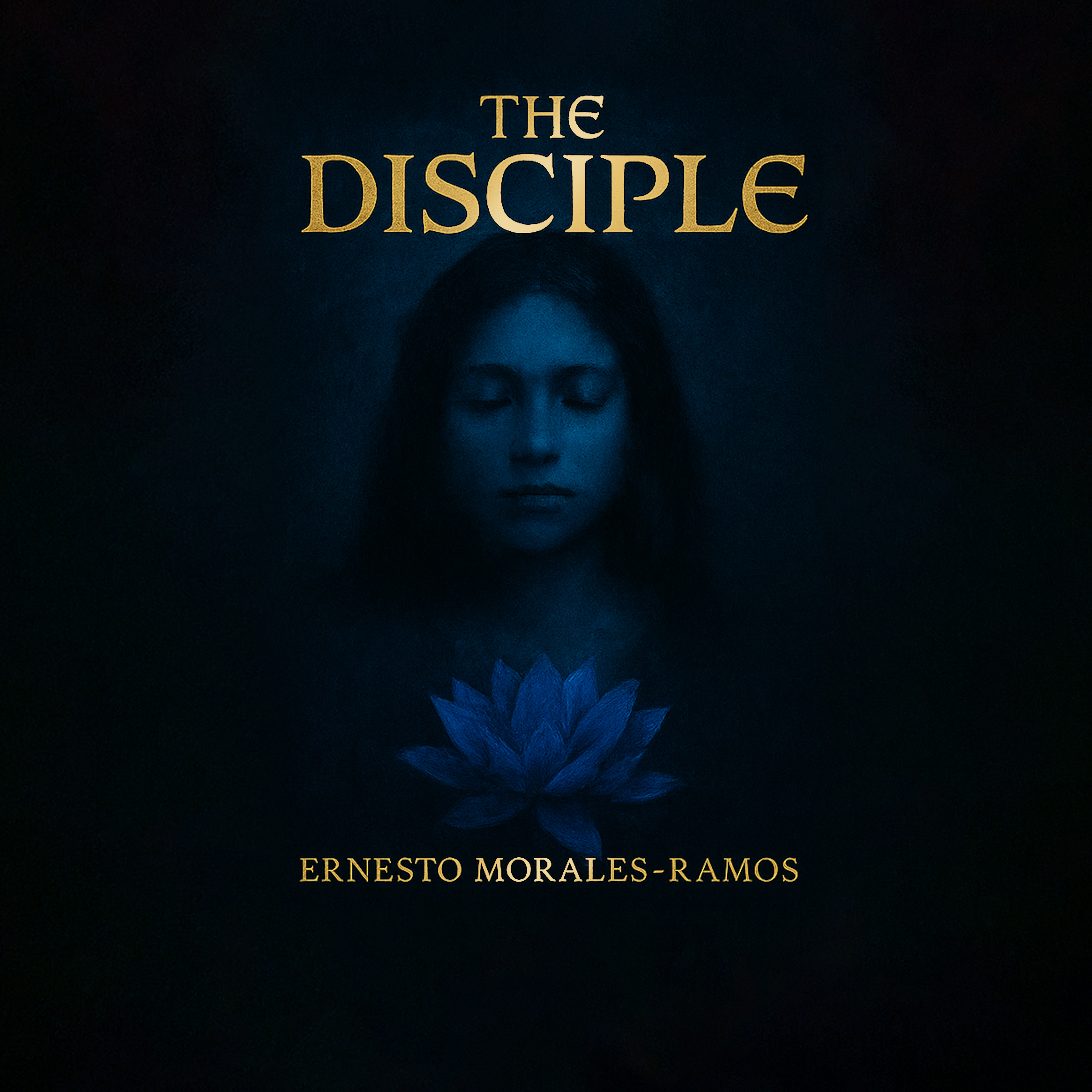
Before voice cloning could begin, production engineers required a clean, high-fidelity acoustic baseline of Anna Pittman’s natural speaking voice. Under the technical direction of Ernesto Morales-Ramos—an experienced audio engineer and author of The Disciple—Pittman’s voice was originally recorded for a series of short guided meditations.

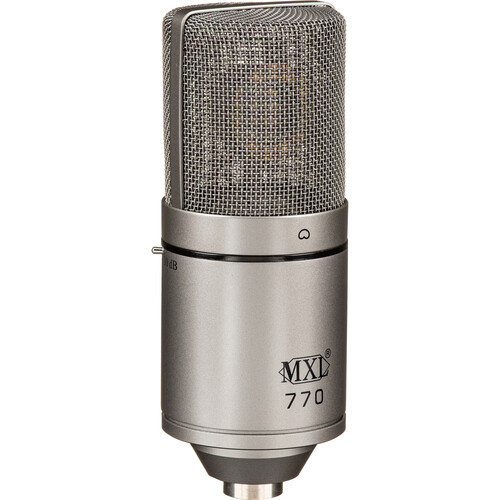
Acoustic Input (MXL 770) ──> Preamp/Interface ──> High-Quality WAV ──> ElevenLabs Voice EngineMorales-Ramos utilized an MXL 770, a popular large-diaphragm condenser microphone known for its solid low-frequency response and clear high-end detail. The resulting raw audio files provided the pristine, noise-free vocal samples necessary to train a highly accurate neural network model of Pittman’s voice.
Phase 2: Platform Selection and Neural Training
TecnoTur’s production team, led by industry expert Allan Tépper, conducted extensive comparative benchmarking of the market’s leading voice-cloning suites—including FlexClip, Descript, DaVinci Resolve Studio, and ElevenLabs.
Ultimately, the team selected the ElevenLabs Pro plan for its superior emotional inflection, cadence control, and structural rendering. The raw WAV files of Pittman’s meditations were ingested into the ElevenLabs engine to generate a high-fidelity digital voice clone capable of maintaining consistent tone across a long-form project.
Phase 3: Text Ingestion and the "Proactive Voiceover Glossary"
Once the digital voice clone was finalized, the EPUB manuscript of Remembering—totaling 63,325 words—was imported into the synthesis engine.
A critical breakthrough during this phase was the utilization of ElevenLabs’ Proactive Voiceover Glossary. Upon analyzing the text, the AI automatically identified complex, non-standard, or phonetically ambiguous terms—such as esoteric spiritual vocabulary and specialized terminology related to the Twelve Steps.
The system generated a curated "phonetic triage" list. This allowed producers to:
- Listen to the AI’s "first-guess" pronunciation via an interactive play interface.
- Input precise phonetic spellings for any mispronounced terms before generating the final master.
- Eliminate the need for extensive post-synthesis manual corrections.
Phase 4: Final Mastering and Interactive Formatting
Following the phonetic triage, the complete manuscript was rendered into spoken-word audio. Instead of distributing the book as a series of disjointed MP3 files, TecnoTur compiled the audio into the industry-standard M4B format. This format supports interactive chapter navigation, allowing listeners to seamlessly skip between sections, view embedded metadata, and resume playback across compatible devices.
Supporting Context & Metrics
The decision to utilize AI-assisted voice cloning over traditional human narration is supported by compelling economic and operational metrics.
The Mathematics of Production: Human vs. AI Voice Cloning
| Production Metric | Traditional Human Narration (Author/Pro) | AI-Cloned Narration (ElevenLabs Pro) |
|---|---|---|
| Manuscript Length | 63,325 words (~308 pages) | 63,325 words (~308 pages) |
| Finished Audio Run-Time | Approximately 7.5 to 8 hours | Approximately 7.5 to 8 hours |
| Studio Recording Time | 24 to 32 hours (due to a standard 3:1 or 4:1 recording-to-finished-hour ratio) | N/A (Instantaneous rendering) |
| Vocal Fatigue Limits | Max 2–3 hours of consistent recording per day | Unlimited continuous processing |
| Average Cost (PFH) | $200 – $400 Per Finished Hour ($1,500 – $3,200 total) | Subscription-based software costs (fraction of human rates) |
| Turnaround Time | Weeks to months (including retakes and manual editing) | Days (including automated proofing and mastering) |
Distribution Architecture and Royalty Maximization
A central pillar of the Remembering launch strategy was the bypass of traditional, high-commission retail monopolies in favor of a robust Direct-to-Consumer (D2C) sales model.
Direct Sales (Remembering.info) ──> MyBookPortal / Prolific Website ──> Highest Author Royalty (~80-90%)
Traditional Retail (Spotify/Audible) ──> High Platform Commission ──> Lower Author Royalty (~25-40%)- The Direct-to-Consumer Core: Direct sales are managed through the book’s dedicated portal,
Remembering.info, built on TecnoTur’s proprietary MyBookPortal and Prolific Website architectures. This setup ensures the author retains the highest possible royalty share compared to third-party distribution networks. - Frictionless User Experience: To assist readers unfamiliar with manual file loading, TecnoTur designed dedicated, platform-specific optimization guides:
/m4bsubpages guide users on how to install and play interactive audiobooks on iOS, Android, macOS, and Windows./epubsubpages provide step-by-step instructions for loading the digital book onto e-readers.
These links are automatically appended to all digital receipts sent to customers immediately upon purchase.
- Global Print Footprint: Alongside the digital release, the print edition of Remembering was launched simultaneously across 11 countries, leveraging localized currencies and regional distribution networks:
- North America & Europe: United States, United Kingdom, Spain.
- Oceania: Australia.
- Latin America: Argentina, Chile, Colombia, Ecuador, México, Puerto Rico, Uruguay (facilitated by TecnoTur’s newly expanded, localized Latin American distribution network).
Official Statements
The Producer’s Perspective
Allan Tépper, founder of TecnoTur LLC and lead producer on the project, highlighted the disruptive potential of the technology:
"For years, independent authors have faced a high barrier to entry when trying to break into the audiobook market. Producing an audiobook of over 60,000 words requires significant time and money. By using ElevenLabs’ advanced voice-cloning engines, we preserved the author’s unique vocal identity while cutting production time down to a fraction of traditional methods. The ‘Proactive Voiceover Glossary’ represents a major leap forward, allowing us to resolve pronunciation challenges before rendering the final master."
The Engineering Angle
Ernesto Morales-Ramos, who managed the initial raw vocal capture, noted the importance of acoustic fundamentals:
"No matter how advanced an AI engine is, the output is only as good as the input. Using a high-quality condenser microphone like the MXL 770 in a controlled acoustic environment was essential. By capturing the natural warmth, cadence, and unique frequency response of Anna Pittman’s voice during her meditation recordings, we gave the neural network the ideal foundation to construct a natural-sounding digital voice clone."
Future Outlook
The successful deployment of Anna Pittman’s cloned voice for Remembering points to a rapidly evolving future for the publishing industry. As voice synthesis engines continue to mature, several key trends are poised to reshape how authors and publishers interact with spoken-word media.
[Single Voice Clone] ──> [Cross-Lingual Synthesis] ──> [Dynamic Emotive Performance]
  (English Original)       (Castilian, Italian, etc.)     (Real-time situational tone)
1. Cross-Lingual Voice Cloning
One of the most promising frontiers in AI narration is cross-lingual voice synthesis. In the near future, an author’s cloned voice will not be limited to their native tongue. An author like Anna Pittman could theoretically release Castilian, Italian, or German editions of her audiobook narrated in her own voice, with her unique timbre and cadence preserved across different languages. This would allow indie authors to enter international markets with unprecedented cultural and personal resonance.
2. Democratization of the Backlist
Publishers hold vast backlists of mid-list titles that never received audiobook adaptations due to high production costs. AI voice cloning allows publishers to economically convert thousands of archival print books into high-quality audiobooks. This unlocks new revenue streams from long-tail intellectual property that would otherwise remain dormant.
3. Dynamic and Context-Aware Performance
The next generation of AI voice synthesis will move beyond static narration toward dynamic, context-aware performances. Future updates to neural models will allow engines to automatically detect emotional shifts in a text—such as tension, grief, excitement, or contemplation—and adjust pitch, volume, and breathing patterns in real time. This will further close the gap between human performance and artificial synthesis.
Conclusion
The release of Remembering: Wholeness and Awakening through the Twelve Steps marks a key milestone in the democratization of audio publishing. By proving that a 63,000-word book can be synthesized using an author’s cloned voice without sacrificing acoustic quality or emotional resonance, TecnoTur and Anna Pittman have paved the way for a new era of independent publishing. As technology continues to advance, the line between human effort and digital scale will keep blurring, offering writers around the world new ways to share their voices.