Earlier this month, the coastal elegance of the south of France played host to a high-profile gathering of the world’s cinematic elite. Convened by French President Emmanuel Macron and South Korean President Lee Jae Myung, the inaugural Lumière Summit brought together studio bosses, government ministers, and visionary filmmakers to chart the future of the global audiovisual industry. The conference concluded with the ceremonial signing of several thematic declarations, most notably a pact pledging renewed international cooperation in the ceaseless global war against digital piracy.
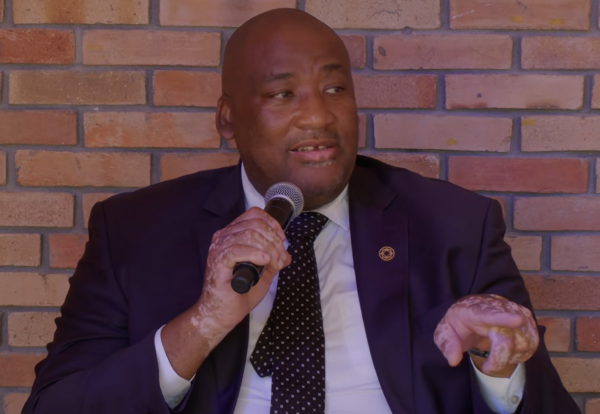
Yet, beneath the glossy veneer of diplomatic handshakes and unified declarations, ideological fractures exposed deep-seated tensions between the Global North and the Global South. While Hollywood heavyweights and European regulators championed aggressive site-blocking and strict enforcement metrics, South Africa’s Minister of Sport, Arts and Culture, Gayton McKenzie, delivered a blistering critique of the entertainment industry’s foundational logic.
McKenzie took direct aim at what he characterized as a "schizophrenic" double standard: an ecosystem where major studios and industry figures openly celebrate piracy when it circumvents oppressive government censorship, yet weaponize the legal system against everyday citizens who engage in unauthorized consumption out of economic necessity. Refusing to play the role of a passive recipient of Western-dictated compliance policies, McKenzie’s intervention transformed a standard panel on copyright enforcement into a fierce debate over sovereignty, double standards, and the fundamental definition of piracy itself.
Detailed Chronology: A Clash of Perspectives in the South of France
The Prelude: High-Level Absence and Setting the Tone
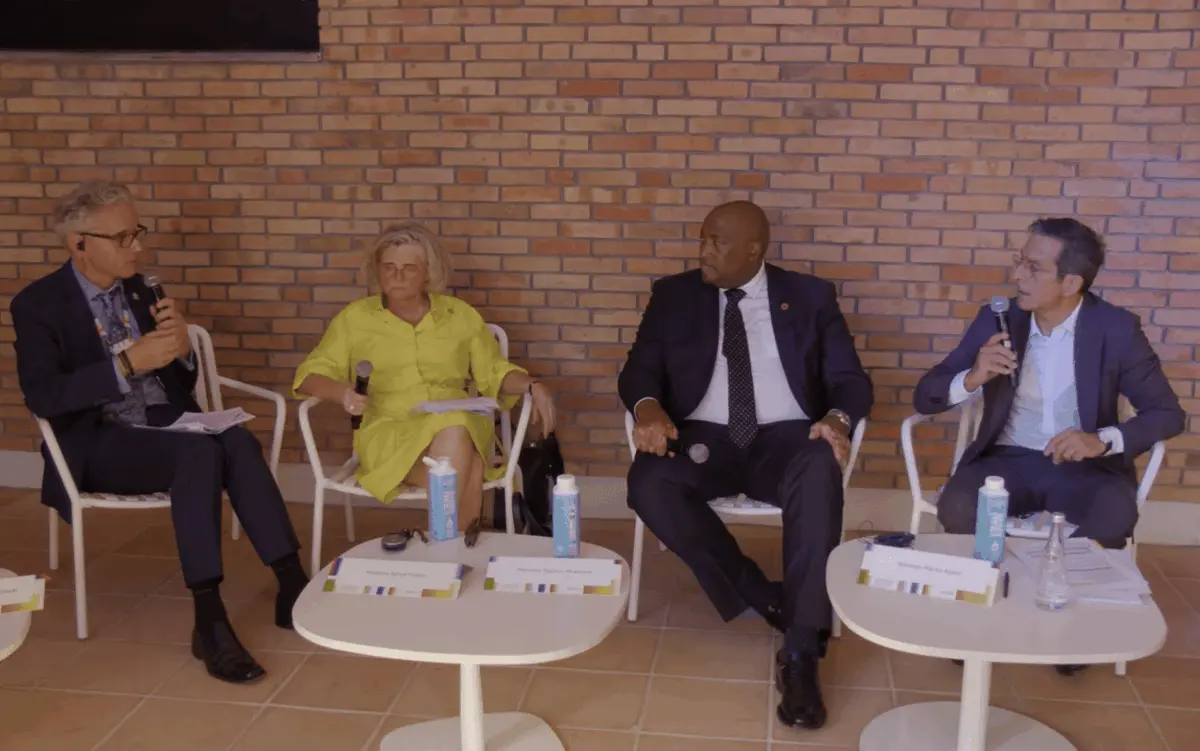
The friction began during a panel session ominously titled "The Race Against Piracy." Motion Picture Association (MPA) CEO Charles Rivkin was originally slated to deliver the keynote address, but presidential scheduling conflicts intervened. In his place, MPA EMEA President Emilie Anthonis offered brief introductory remarks, though the intellectual tone of the session had already been irrevocably shifted by political leadership on the ground.
Sharing the stage with prominent figures such as Martin Ajdari, chair of the French audiovisual regulator ARCOM, and Sylvie Forbin, Deputy Director General of the World Intellectual Property Organization (WIPO), Minister McKenzie immediately signaled that he would not adhere to the conventional script of uncritical anti-piracy rhetoric.
Tarik Saleh and the Paradox of Censorship
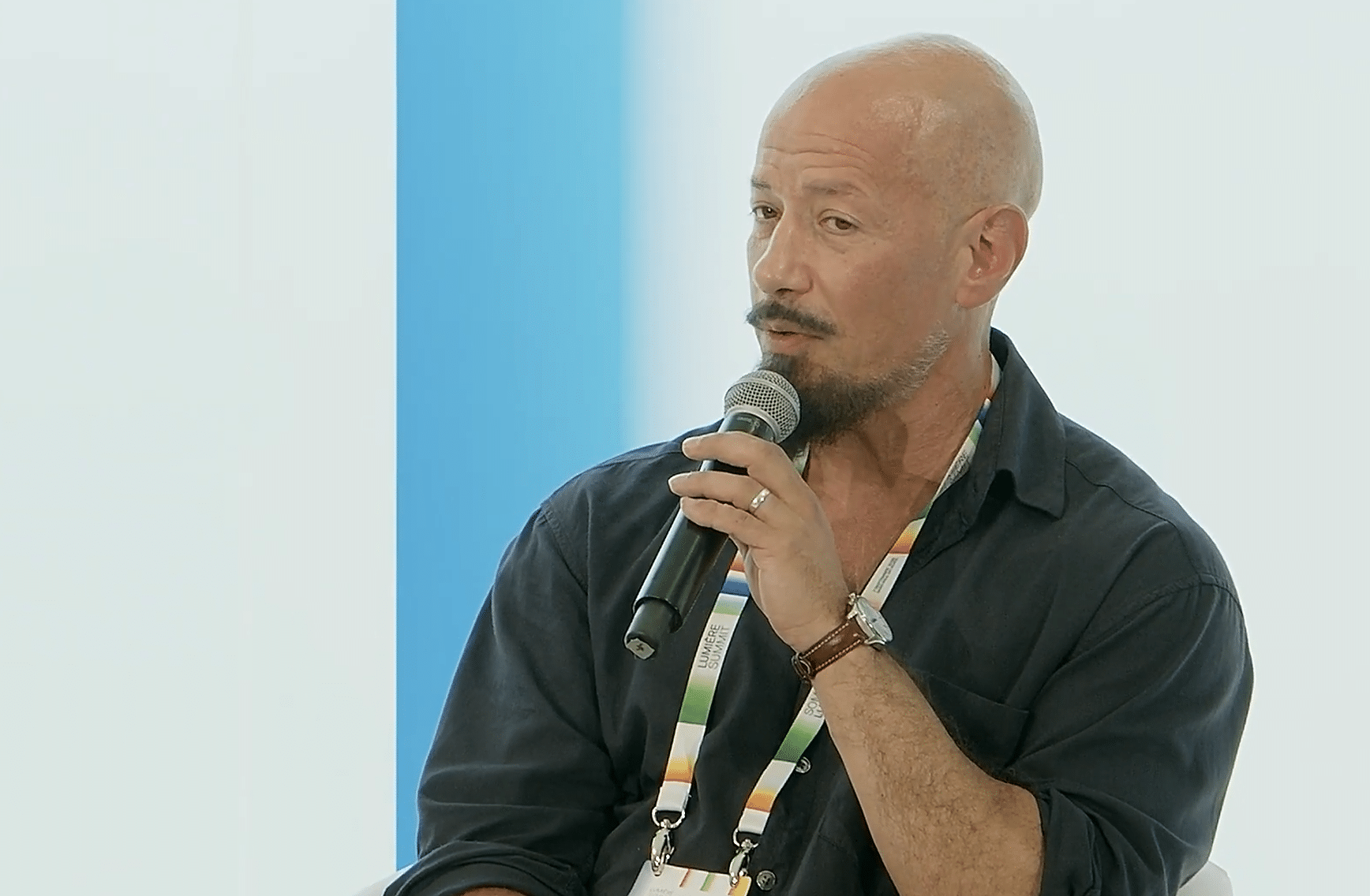
McKenzie’s primary argument hinged on a striking irony that had played out earlier that very same day during the summit’s opening sessions. Swedish-Egyptian filmmaker Tarik Saleh—director of acclaimed political thrillers such as The Nile Hilton Incident and Cairo Conspiracy—took to the stage to share his personal history with state-sponsored suppression. Saleh recounted how, prior to shooting his first feature film, he was bluntly told by authorities to "get the f*ck out" of Egypt. Consequently, his films were effectively banned in the country where they were set.
However, Saleh noted with a laugh that Egyptians were still able to watch his work extensively, thanks entirely to digital piracy. "Egyptians love piracy, which is working very well for me," Saleh remarked during the session. While the comment elicited knowing smiles from some in the room, it was met with a notable lack of formal applause, prompting the moderator to quickly pivot away from the uncomfortable implications of the statement.
Minister McKenzie, however, refused to let the contradiction slide. When his turn came to speak, he highlighted Saleh’s testimony as Exhibit A of the industry’s internal hypocrisy. He noted that when piracy serves as a vital lifeline for banned art and political subversion, filmmakers praise it and audiences applaud. Yet, when marginalized populations in developing nations resort to unauthorized streaming due to systemic poverty or lack of licensed availability, they are subjected to aggressive legal threats, criminal penalties, and heavy-handed trade sanctions.
McKenzie expanded on this theme by pointing to a Canadian production centering on a gay hockey player—reportedly the series Heated Rivalry—which has faced severe restrictions and outright bans in various international jurisdictions. Much like Saleh’s films, the series is actively pirated in the very countries that have criminalized its distribution, a reality that industry insiders often quietly tolerate or celebrate behind closed doors while maintaining a strict zero-tolerance public posture elsewhere.
To drive the point home, McKenzie invoked his own personal history growing up under South Africa’s apartheid regime, where oppressive state censorship meant that unauthorized distribution networks and smuggled media were often the only windows to the outside world for citizens starved of diverse artistic expression.
Supporting Context & Metrics: The Anatomy of Modern Enforcement
To understand the backdrop against which Minister McKenzie leveled his critique, it is necessary to examine the enforcement mechanisms being championed by Western regulatory bodies at the summit.
The European Enforcement Model: ARCOM’s Metrics
During the panel, ARCOM Chair Martin Ajdari presented a detailed overview of France’s aggressive anti-piracy apparatus. According to Ajdari’s figures, the French regulatory body has issued more than 22,000 blocking and delisting injunctions over the past five years alone. The intensity of this campaign has escalated dramatically, with roughly 10,000 injunctions logged in the single year of 2026.
Ajdari pointed to these statistics as proof of tangible success, claiming that unauthorized audiences in France had been slashed in half since 2018. From the perspective of European rights-holders, these metrics represent a blueprint for global replication: swift administrative blocking orders, ISP cooperation, and continuous legal pressure on pirate portals.
The "Leaking Boat" Metaphor
Minister McKenzie acknowledged the technical impressiveness of ARCOM’s achievements but argued that applying a localized European framework to a borderless digital crisis is fundamentally flawed. He likened the global fight against piracy to two people sitting in a boat that is taking on water. If the vessel is only being bailed out on one side while the other side remains neglected, the entire enterprise is doomed to sink.
"We on the same boat. We both hate piracy," McKenzie explained to his fellow panelists. "The boat is leaking on our side and you are praising, like, where we are sitting we’ve done this."
Furthermore, McKenzie pushed back against historical paternalism from international bodies like WIPO. When Sylvie Forbin detailed the strict intellectual property conditions attached to World Trade Organization (WTO) membership agreements during the 1990s—conditions that heavily favored industrialized Western economies—McKenzie drew a hard line against coercive compliance.
"Don’t try to punish us like we are children, because we are not children," he asserted.
This friction builds upon years of systemic trade battles. In 2020, powerful U.S. copyright lobbies petitioned Washington to review South Africa’s trade preferences under the Generalized System of Preferences (GSP). The lobbying groups argued that South Africa’s proposed copyright bill—which introduced broad, U.S.-style "fair use" exceptions tailored to local educational and developmental needs—was too expansive and threatened foreign intellectual property investments. South Africa firmly resisted that pressure, defending its sovereign right to craft legislation that balances copyright protection with public access to knowledge.
Official Statements and Industry Reactions
The core of McKenzie’s message was not an endorsement of piracy, but a demand for equity, mutual respect, and a recalibration of how international partnerships are forged.
"We Are Not Beggars"
Addressing the financial and structural power dynamics that often govern North-South relations in the creative sector, McKenzie made it abundantly clear that South Africa possesses the economic resources to wage an effective anti-piracy campaign. The barrier to collaboration is not a lack of state funds or institutional capability, but rather a lack of genuine diplomatic parity.
"We don’t lack the money. There are countries that lack the money," McKenzie stated unequivocally toward the close of the session. "But we don’t want to be treated like, here’s money for you, do one, two, three. We want you also to listen to our ideas. We are not beggars. We want a partnership of equals."
To demonstrate South Africa’s proactive stance against unauthorized distribution, McKenzie highlighted ongoing domestic initiatives. The South African government has already established direct operational channels with major regional broadcasters like Canal+ to combat live sports piracy—particularly concerning English Premier League and local football broadcasts. As a testament to this cooperation, anti-piracy awareness warnings and educational campaigns now run prior to the kickoff of every major football match broadcast in the country.
Despite these concrete local efforts, the summit concluded with the formal signing of a voluntary Declaration on Strengthened International Cooperation in the Fight Against Film and Audiovisual Piracy. Notably, because the text contains few hard commitments and failed to address the systemic inequalities raised by developing nations, no South African government representative signed the document.
Future Outlook: Toward a Nuanced Global Framework
The events at the Lumière Summit highlight a growing crisis of legitimacy within international intellectual property governance. As digital networks continue to transcend geographic borders, legacy enforcement models built on top-down coercion, aggressive site-blocking quotas, and one-size-fits-all mandates are encountering fierce political resistance.
Going forward, the entertainment industry faces a stark choice. It can continue down the path of what Minister McKenzie termed "schizophrenic" policy-making—cheating censorship with one hand while criminalizing economic necessity with the other—or it can evolve into a truly inclusive global coalition.
For international anti-piracy efforts to achieve lasting success in the digital age, organizations like the MPA, WIPO, and national regulators will need to move past colonial-era trade tactics. They must begin listening to the nuanced socio-political realities of nations in the Global South, where piracy is frequently entangled with issues of free expression, institutional censorship, and economic disparity. Only by treating developing nations as equal partners rather than delinquent pupils can the global film community hope to secure a sustainable, universally respected framework for creative expression in the 21st century.