








The landscape of live sports broadcasting is undergoing a quiet but profound revolution. For decades, the industry relied on fixed camera positions, massive crane systems, and cable-suspended cameras to capture the high-velocity action of elite athletic competition. While these tools provided stability and high-definition clarity, they often maintained a clinical distance from the athletes themselves.
That distance has officially closed.
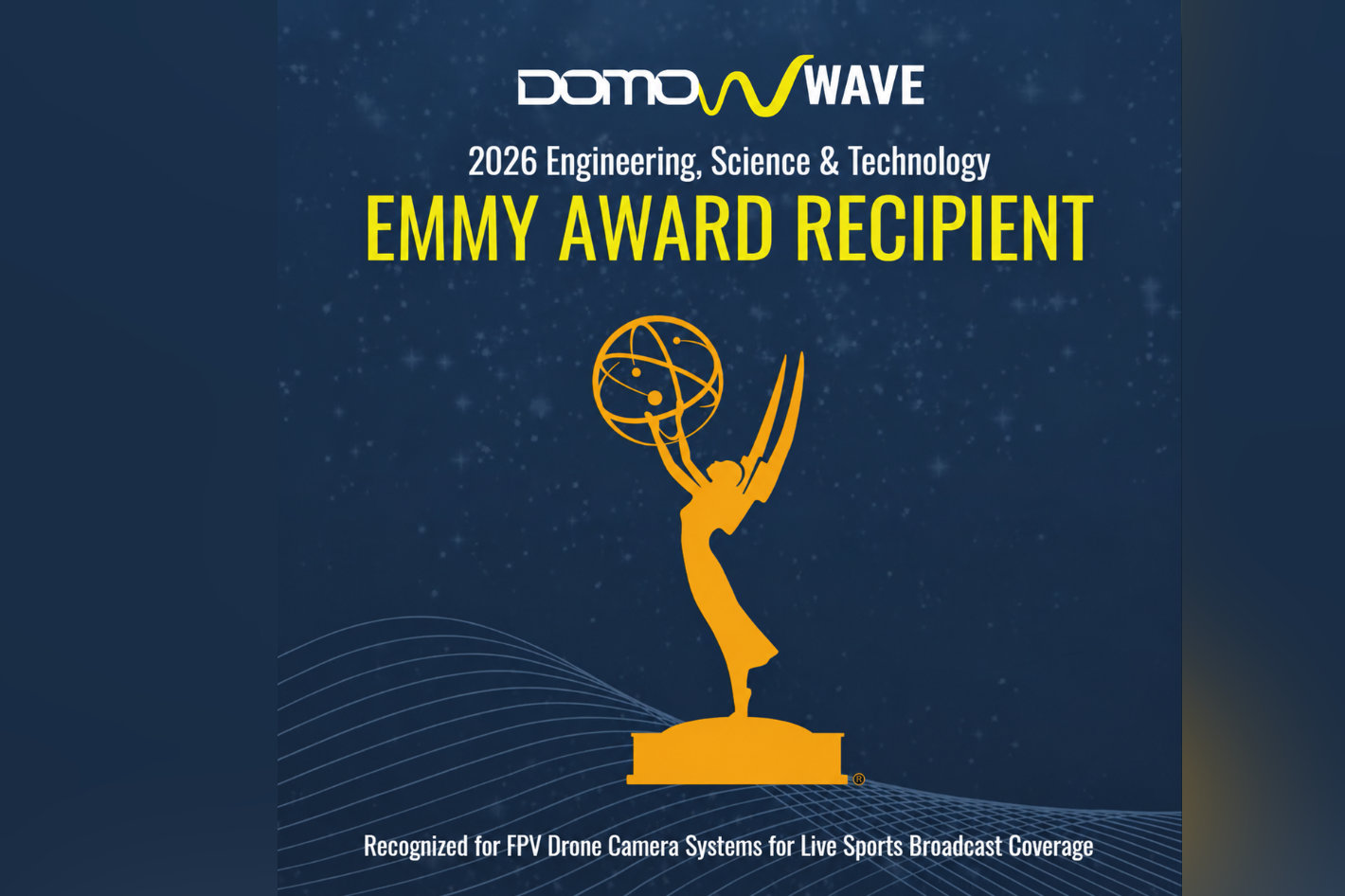
The National Academy of Television Arts & Sciences (NATAS) has announced that Wave Central, a Domo Broadcast Company, has been named a recipient of a 2026 Technology & Engineering Emmy Award. Recognized alongside Olympic Broadcasting Services (OBS), Proton, and Above Media, Wave Central is being honored for its pioneering work in the development and deployment of First-Person View (FPV) drone camera systems for live sports television.
This recognition marks a critical inflection point in sports media, signaling that FPV drone technology has transitioned from a specialty niche utilized by hobbyists and post-production houses into a robust, broadcast-grade tool capable of performing under the most demanding live conditions on Earth.
Executive Overview: The Paradigm Shift in Live Sports Coverage
At its core, the 2026 Technology & Engineering Emmy Award celebrates a triumph of system integration. The challenge of bringing FPV drones into a live broadcast environment is not simply a matter of flying a camera near an athlete. It requires solving an intricate web of engineering challenges, including sub-frame latency, severe weight and power restrictions, spectrum congestion, and real-time color calibration.
+-----------------------------------------------------------------------------+
|                         THE LIVE FPV CHALLENGE                              |
+-----------------------------------------------------------------------------+
|                                                                             |
|  [ High-Speed Drone ] ---> [ Ultra-Low Latency RF ] ---> [ Broadcast Truck ] |
|         ^                          |                             |          |
|         |                          v                             v          |
|  Weight & Power             Signal Integrity              Color Matching    |
|  Constraints                in Harsh Environments         & Shading         |
|                                                                             |
+-----------------------------------------------------------------------------+
Traditionally, FPV drone footage was recorded locally to an onboard memory card and inserted into highlight reels during post-production. While visually stunning, this workflow was useless for live, real-time broadcasts where directors cut between cameras in fractions of a second. To make FPV practical for live television, the drone’s video feed had to be treated exactly like any other camera on the field: reliable, instantaneous, and fully controllable from the broadcast compound.
Wave Central’s breakthrough was the development of a complete, end-to-end FPV wireless broadcast system. By bridging the gap between high-speed aerial mechanics and traditional broadcast infrastructure, the company enabled live directors to cut to a drone flying feet away from an Olympic skier descending a mountain at 80 miles per hour, without a single frame of drop-out or a noticeable shift in image quality.
Detailed Chronology: The Road to the 2026 Winter Olympics
The maturation of FPV technology in broadcasting did not happen overnight. It is the result of a multi-year development cycle accelerated by the extreme demands of the Olympic Games.
Phase 1: The Novelty Era (2018–2021)
During this period, drones in sports broadcasting were largely limited to heavy, multi-rotor platforms carrying traditional cinema cameras on stabilized gimbals. These systems were slow, bulky, and posed safety risks if flown close to athletes. They were used primarily for sweeping scenic shots or pre-event establishing footage. FPV drones—small, agile, and piloted via virtual reality goggles—existed only in the margins, plagued by low-resolution analog video transmitters and a lack of broadcast-standard signal reliability.
Phase 2: Hybrid Experimentation (2022–2024)
Broadcasters began to recognize the creative potential of FPV flight paths. Early experiments in extreme sports and golf showcased the dramatic impact of "athlete-following" shots. However, technical limitations remained. The digital transmitters available on the commercial market suffered from high latency (often exceeding 100 milliseconds), making them impossible to sync with live commentary or other field cameras. Furthermore, the cameras could not be "shaded" (color-balanced and exposure-adjusted) remotely, leading to jarring visual transitions when cutting from a professional broadcast camera to a drone feed.
Phase 3: The Olympic Mandate and Collaborative Innovation (2025–2026)
With the 2026 Winter Olympics on the horizon, Olympic Broadcasting Services (OBS) set an ambitious creative goal: to deliver unprecedented, immersive coverage of high-speed alpine and sliding events. To achieve this, OBS brought together a coalition of technology leaders:
- Above Media provided elite piloting and specialized drone airframe design.
- Proton contributed miniature camera sensors capable of outputting broadcast-quality imagery.
- Wave Central engineered the critical RF (radio frequency) transmission and control infrastructure.
This collaboration culminated in the deployment of a fully mature FPV ecosystem at the 2026 Winter Games, proving under global scrutiny that the technology was ready for the world’s biggest stage.
Supporting Context & Metrics: Unpacking the Technology
To appreciate Wave Central’s achievement, one must look at the specific engineering constraints of FPV flight and how they were overcome by the company’s proprietary technology.
The SWaP-C Challenge
In aerospace and military engineering, SWaP-C stands for Size, Weight, Power, and Cost. In the context of FPV drones, weight is the ultimate enemy. Every additional gram added to an FPV drone reduces its agility, speed, and battery life.
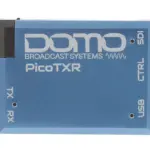
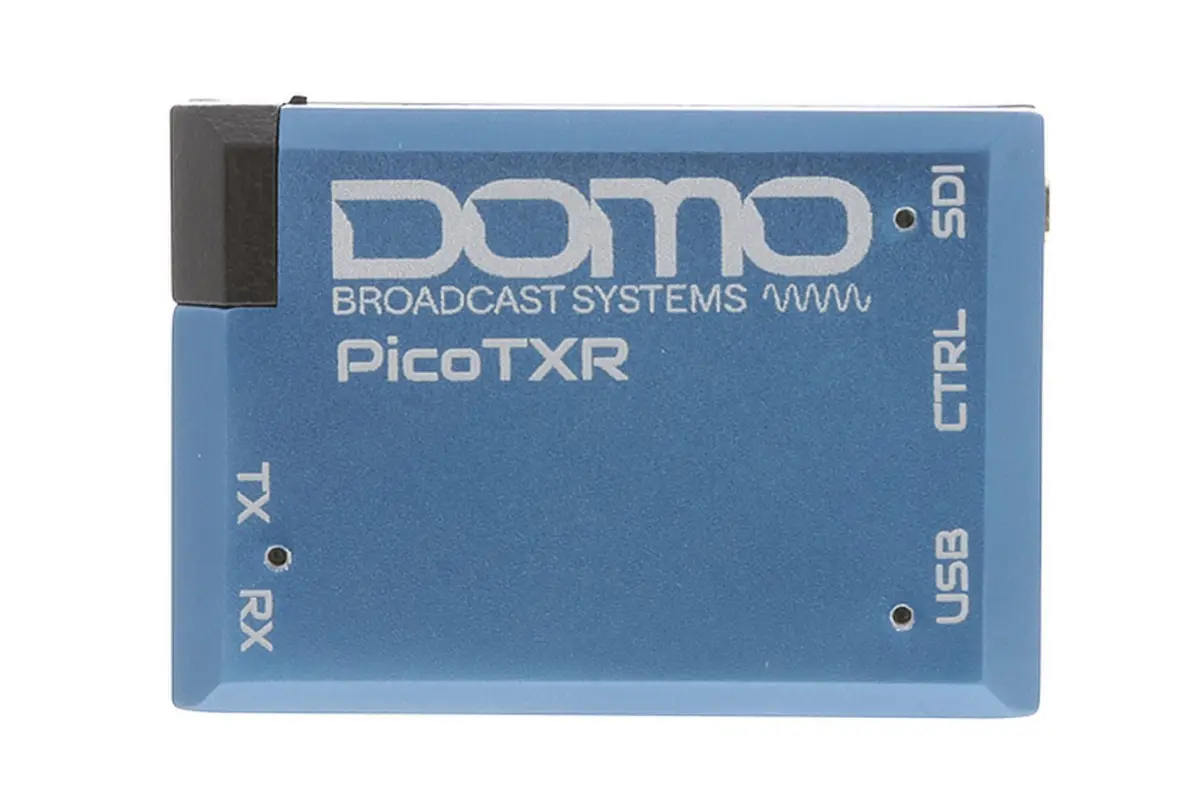
Wave Central addressed this constraint with the development of the Raptor Pico TXR. This ultra-miniature RF transmitter was designed specifically to sit aboard high-speed FPV aircraft.
| Parameter | Traditional Broadcast Transmitter | Raptor Pico TXR |
|---|---|---|
| Weight | 300g – 500g | Ultra-lightweight (optimized for FPV) |
| Form Factor | Bulky, external mounting | Miniature, integrated PCB design |
| Latency | 100ms+ (Consumer Digital) | Ultra-low latency (Sub-frame) |
| Power Consumption | High (requires large dedicated batteries) | Optimized for drone power distribution |
Closing the Loop: Remote Camera Shading
Perhaps the most significant contribution Wave Central made to the broadcast workflow was the integration of bidirectional telemetry.
In a standard live broadcast, a "vision mixer" or "video shader" sits in the production truck, constantly adjusting the iris, white balance, and color grading of every camera to ensure a uniform look across the production. If a cloud passes over the sun, the shader adjusts the cameras accordingly.
+-----------------------------------------------------------------------------------+
|                         WAVE CENTRAL INTEGRATED WORKFLOW                          |
+-----------------------------------------------------------------------------------+
|                                                                                   |
|  [ Broadcast Truck ] --- (Remote Control Signals) ---> [ Raptor Pico TXR ]        |
|         |                                                      |                  |
|         |                                                      v                  |
|         |                                             [ Adjusts Camera Iris, ]    |
|         |                                             [ Color & Exposure     ]    |
|         |                                                      |                  |
|         + <--- (Ultra-Low Latency Broadcast Video Feed) -------+                  |
|                                                                                   |
+-----------------------------------------------------------------------------------+
Historically, FPV drones could not be shaded in real time; the pilot had to set a fixed exposure before takeoff, which often resulted in overexposed snow or underexposed shadows during a high-speed descent. Wave Central’s system solved this by creating a robust control link alongside the video transmission.
Using this dual-link architecture, the production team in the truck could adjust the drone’s camera settings on the fly. This transformed the FPV drone from an isolated, independent camera into a fully integrated node of the live broadcast matrix.
RF Resilience in Extreme Environments
The 2026 Winter Olympics presented a hostile RF environment. Venues were scattered across mountainous terrain, surrounded by metal infrastructure, heavy snow (which absorbs high-frequency radio waves), and thousands of competing wireless devices used by spectators and media.
Wave Central’s receive infrastructure utilized advanced diversity reception and proprietary demodulation algorithms. This ensured that even when the drone was flying at ground level, weaving through gates, or passing behind natural obstacles, the RF signal remained unbroken, delivering a pristine, uninterrupted feed to the broadcast compound.
Official Statements: The Vision Behind the Innovation
The significance of this Emmy win lies not just in the hardware, but in how it redefines the philosophy of live sports coverage.
John Payne, General Manager of Wave Central (a Domo Broadcast Company), emphasized that the engineering team’s goal was always centered on systemic integration rather than isolated hardware design:
"Our focus was not simply to build a smaller wireless transmitter. We set out to develop a complete FPV wireless broadcast system that could integrate the airborne camera into a professional live production environment. The Raptor Pico delivers the requirements needed by the aircraft, while the complete system provides the camera control and shading capabilities broadcasters expect from any other live camera."
Payne further elaborated on the collaborative nature of the project, highlighting that the technology’s success relied on the seamless intersection of multiple highly specialized disciplines:
"The real achievement is the integration of all of these technologies into one production workflow. The aircraft and camera create the shot, but the wireless broadcast system has to deliver that image reliably, with extremely low latency, while also giving the production team the control needed to make it look and operate like every other camera in the show. That is what makes FPV practical for major live broadcasts."
This sentiment underscores a broader industry truth: innovation in broadcasting rarely happens in a vacuum. The coordination between Wave Central’s RF engineers, Proton’s camera designers, Above Media’s pilots, and OBS’s production directors was essential to turning a high-risk concept into an award-winning reality.
Future Outlook: The Next Frontier of Live Broadcast
The technology honored by the National Academy of Television Arts & Sciences at the 2026 Technology & Engineering Emmy Awards is only the beginning. The successful deployment of broadcast-grade FPV systems at the Winter Olympics has established a blueprint that is already influencing other sectors of live entertainment.
                      EVOLUTION OF FPV IN BROADCAST

   [ Stage 1: Scenic B-Roll ] ---> [ Stage 2: Action Highlights ]
                                               |
                                               v
   [ Stage 4: AI & Autonomous ] <-- [ Stage 3: Live Olympic Integration ]
        Tracking (Future)                     (Current Milestone)
1. Expansion into Mainstream Sports
While winter sports, extreme sports, and motorsports are natural fits for FPV drone coverage due to their high speeds and open environments, expect to see this technology adapted for stadium sports. Football, soccer, and rugby broadcasts will benefit from smaller, quieter FPV platforms that can navigate safely within enclosed arenas, offering angles that cable-mounted cameras cannot replicate.
2. AI-Assisted Piloting and Tracking
As wireless links become more robust, the integration of artificial intelligence will likely play a larger role. Future iterations of Wave Central’s systems may interface with AI-driven flight controllers that can automatically track athletes while maintaining perfect framing, allowing pilots to focus on navigating complex environments safely.
3. The Integration of Next-Generation RF Spectrums
As the RF spectrum becomes increasingly crowded, companies like Wave Central and Domo Broadcast Systems are looking toward new frequency bands and advanced encoding standards, such as HEVC (High-Efficiency Video Coding) and VVC (Versatile Video Coding). These advancements will allow for even higher resolution feeds (such as 4K and HDR) to be transmitted with even lower power requirements.
4. Broadening the Creative Palette
The ultimate beneficiary of this technological leap is the viewer. By removing the technical barriers to live FPV deployment, directors are no longer constrained by physical camera mounts. The camera can now flow with the game, providing a dynamic, visceral perspective that brings audiences closer to the physical reality of elite sports than ever before.
Conclusion
The presentation of the Technology & Engineering Emmy Award on October 14, 2026, at the Television Academy’s Saban Media Center in North Hollywood, California, will celebrate more than just a successful engineering project. It will honor the moment that the sky ceased to be a barrier for live sports television.
Through the vision of Wave Central, OBS, Proton, and Above Media, the FPV drone has officially earned its place in the professional broadcast toolkit—transforming the way stories are told in real time, and setting a new standard for immersive media.