








Executive Overview
Every September, the global technology landscape undergoes a familiar, highly coordinated shift. In Brisbane, Australia—one of the earliest time zones to receive retail stock—the annual ritual of queuing outside the Apple Store remains a rite of passage for tech analysts and early adopters alike. While early-access influencers and selected YouTube creators have flooded digital channels with highly polished, embargo-restricted previews, a critical, objective evaluation of the retail hardware reveals a more complex reality.
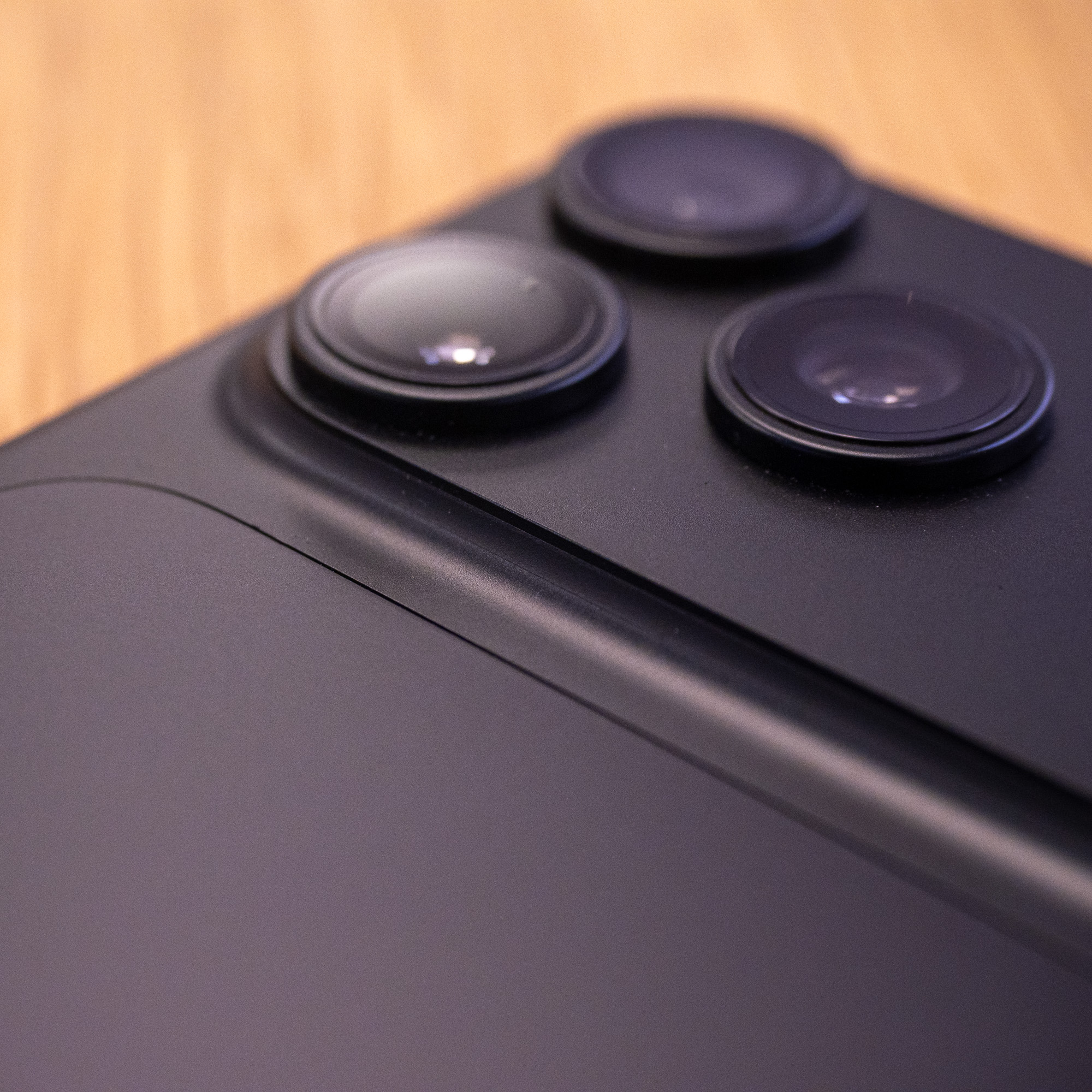
The iPhone 18 Pro Max represents a pivotal junction in Apple’s hardware philosophy. For years, the smartphone industry has relied on computational photography—using silicon and machine learning algorithms—to bypass the physical limitations of small sensors and fixed glass. With the iPhone 18 Pro Max, Apple introduces a profound physical shift: a mechanical, variable-aperture main lens capable of stopping down from a bright f/1.48 to f/4.0.
This review deconstructs the real-world implications of this optical engineering feat, analyzes the newly introduced manual camera controls, evaluates the thermodynamic and battery optimizations, and investigates the deep ethical tensions introduced by iOS 27’s generative AI features versus its new cryptographic "Reference Mode." Priced at US$1,299 / CA$1,899 / AU$2,299, this flagship device attempts to justify its premium cost by positioning itself as both an artistic tool and an arbiter of photographic truth.
Detailed Chronology: The Evolution of Apple’s Optical Engineering
To understand the engineering of the iPhone 18 Pro Max, one must examine the progression of Apple’s camera modules. For nearly a decade, mobile camera design was locked in a race toward wider, fixed apertures to maximize light intake on tiny sensors. However, a wider aperture brings a notoriously shallow depth of field, often resulting in unwanted background blur, soft edges, and focus fall-off when capturing multi-layered subjects.
[iPhone 15 Pro] f/1.78 Fixed ──► [iPhone 17 Pro] f/1.78 Fixed ──► [iPhone 18 Pro Max] f/1.48 to f/4.0 Variable (Physical Blades)The Variable Aperture Breakthrough
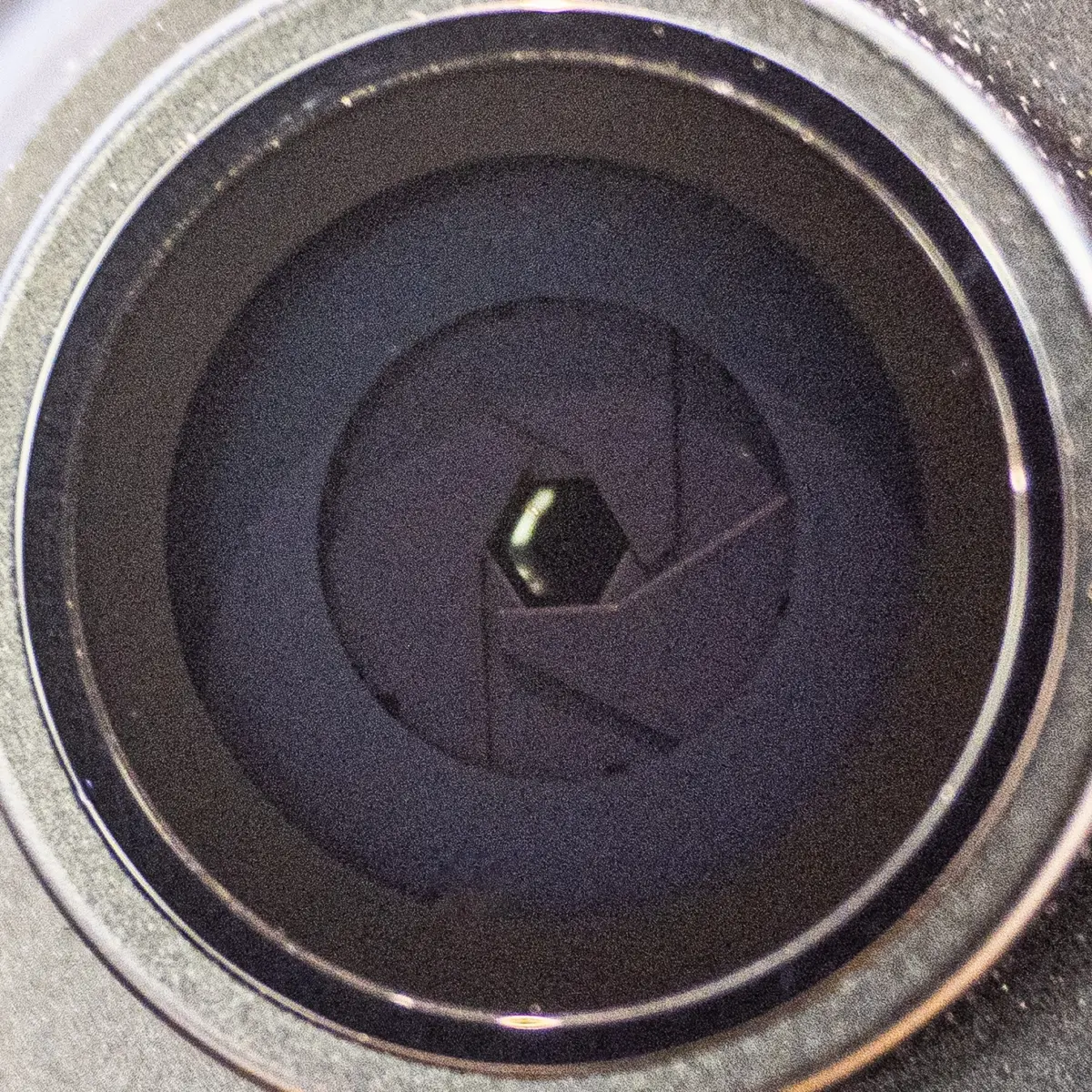
The defining characteristic of the iPhone 18 Pro Max is the integration of physical aperture blades on the primary 1x (24mm equivalent) lens. The ultra-wide, telephoto, and front-facing TrueDepth cameras remain structurally identical to those found on the previous generation, leaving the heavy lifting to the main sensor.
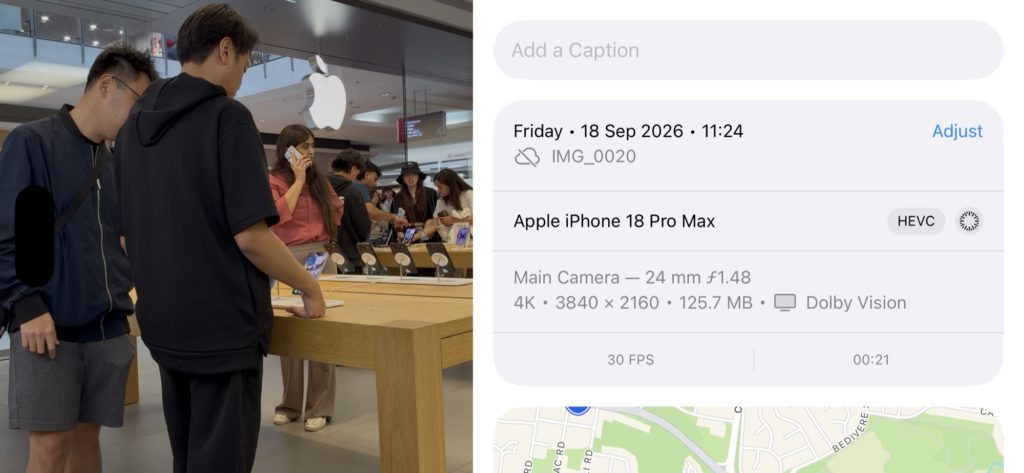
The main lens features physical, moving blades that adjust the optical opening from a wide-open f/1.48 down to f/4.0. Compared to the fixed f/1.78 aperture of the iPhone 17 Pro series, the new f/1.48 configuration offers a half-stop increase in light-gathering capability.
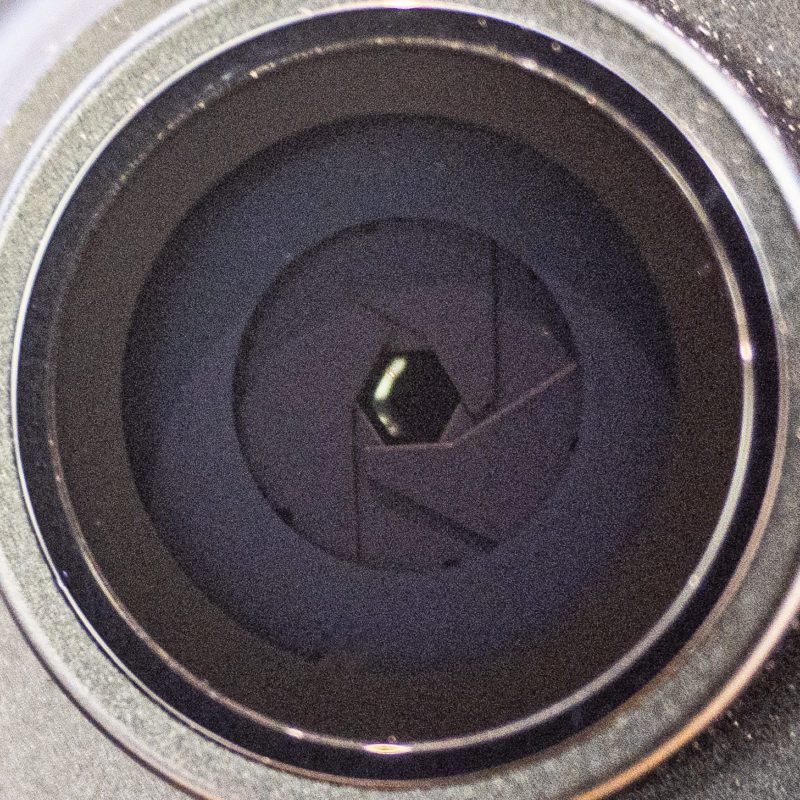
Historically, variable apertures in smartphones have been treated as short-lived gimmicks. Competitors have previously experimented with dual-stage physical apertures (such as Samsung’s f/1.5 to f/2.4 system on the Galaxy S9), only to abandon them in subsequent generations due to space constraints and reliability issues. Apple’s implementation, however, is a continuous system, allowing precise intermediate steps.
Why Mechanical Blades Matter
On a sensor as small as a smartphone’s, some may question the utility of a variable aperture. When wide open at f/1.48, the background separation is visually distinct. In full-frame sensor equivalents, the depth-of-field transition from f/1.48 to f/1.8 on this sensor size roughly mirrors the shift from f/5.2 to f/6.3. While this mathematical translation sounds modest, the practical application is highly noticeable when photographing close-up subjects, producing a smooth, organic bokeh that artificial portrait modes struggle to replicate.
Stopping down to f/4.0 serves two primary technical purposes:
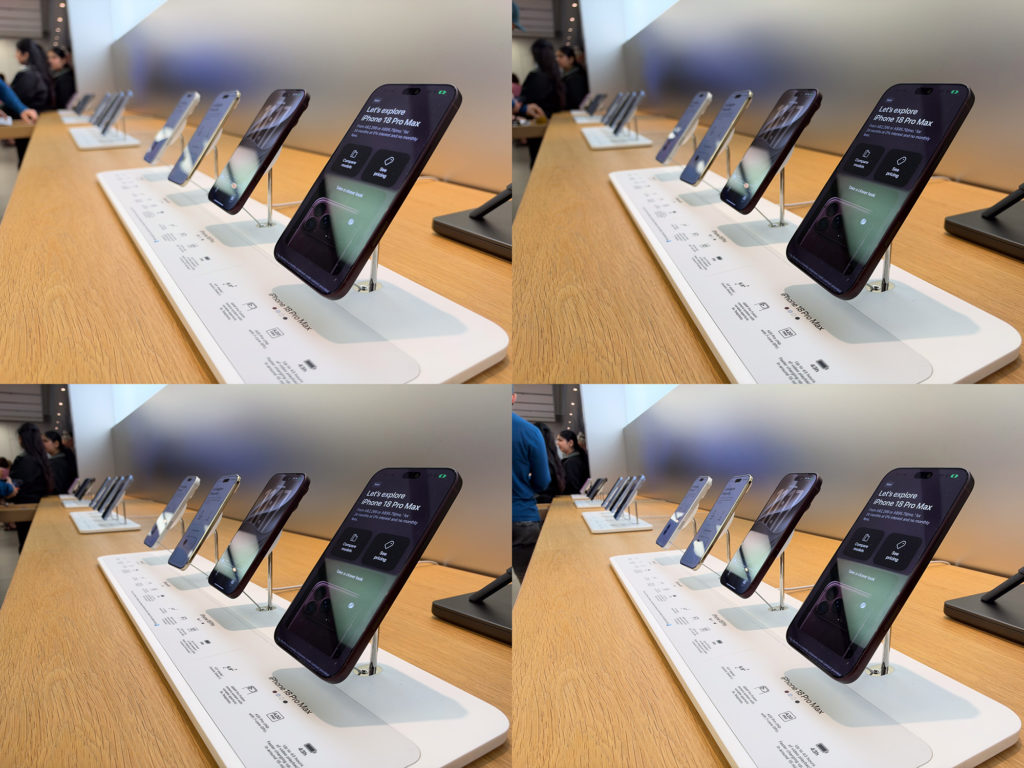
- Edge-to-Edge Sharpness: Lenses are rarely at their sharpest when wide open. By stopping down to f/2.8 or f/4.0, optical aberrations are minimized, yielding exceptional corner-to-corner clarity.
- Expanding Depth of Field: In multi-subject portraits or landscape photography, a wide-open f/1.48 lens can leave secondary subjects awkwardly out of focus. Stopping down to f/4.0 ensures both the foreground subject and immediate background elements remain sharp.
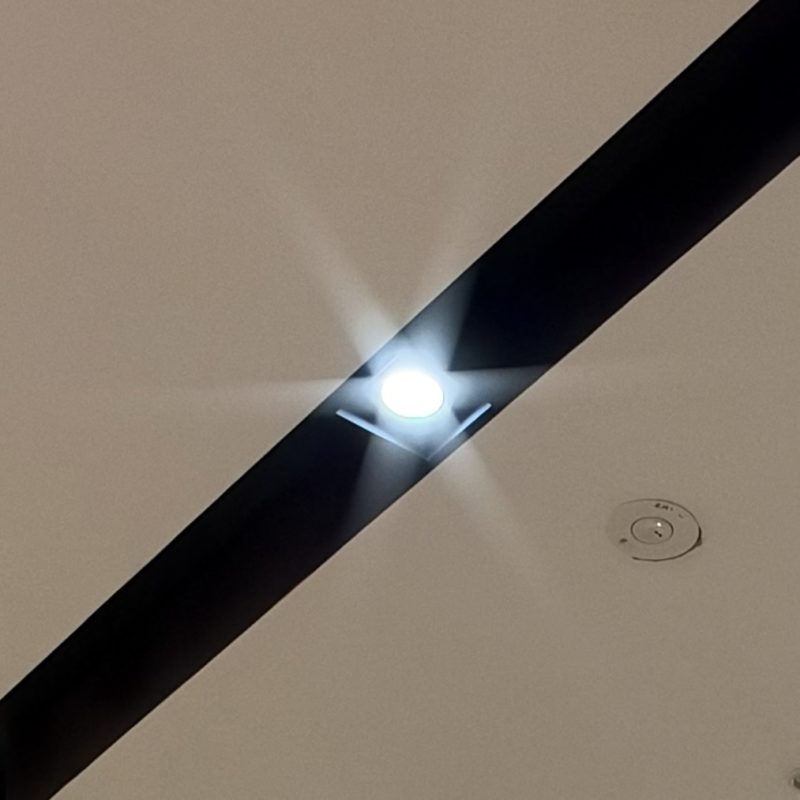
Additionally, stopping down to f/4.0 produces a distinct, six-way starburst effect on specular light sources—a highly sought-after aesthetic in night-time cinematography that was previously impossible to achieve without post-production filters.
Supporting Context & Metrics: Hardware, Thermals, and Global Economics
Performance, Cooling, and Power Delivery
Beyond the camera module, the internal architecture of the iPhone 18 Pro Max has undergone a significant overhaul to address the thermal throttling that plagued previous generations during sustained video capture.
- Thermodynamic Management: Apple has introduced a redesigned graphite-and-titanium internal chassis. Under heavy workloads, such as recording 4K ProRes footage, the device sustains its peak processing rates far longer before thermal dissipation forces a drop in screen brightness or frame rate.
- Power and Charging: The physical footprint of the battery has expanded, particularly on the Pro Max variant. Coupled with the efficiency gains of the new system-on-chip (SoC), battery life has seen a marked increase. More importantly, wired charging speeds have been accelerated. For professionals recording directly to external SSDs, the faster charging protocol eliminates the need for cumbersome USB-C splitters or pass-through power docks during brief production breaks; a quick charge during a set break provides hours of additional runtime.
- Structural Design Changes: The physical exterior reveals a subtle but important shift in the TrueDepth sensor array. The Face ID components have been migrated to the left of the top-center axis and embedded directly beneath the active OLED pixels. Consequently, the Dynamic Island cutout is noticeably smaller, reclaiming valuable screen real estate without sacrificing biometric security.
Global Pricing Index and Economic Disparities
The retail acquisition of the iPhone 18 Pro Max reveals stark discrepancies in global pricing structures. While the United States sticker price remains at $1,299, international consumers face steep premiums driven by local sales taxes, import tariffs, and currency hedging strategies implemented by Apple.
| Country | Base Retail Price (Local Currency) | USD Equivalent (Approx.) | Tax & Exchange Premium Over US Price |
|---|---|---|---|
| United States | $1,299 USD | $1,299 | Baseline |
| Canada | $1,899 CAD | $1,373 | +5.7% (Calculated with Ontario’s 13% HST) |
| United Kingdom | £1,249 GBP | $1,456 | +12.1% (Includes 20% VAT) |
| Australia | $2,299 AUD | $1,480 | +13.9% (Includes 10% GST) |
These pricing structures become even more punitive for creative professionals opting for higher storage tiers, where RAM and storage upgrades carry steep markup rates.
The Dual-Reality of iOS 27: Generative AI vs. Photographic Integrity
With the launch of iOS 27, Apple has placed itself at the center of an intense ethical debate regarding the nature of photography. The operating system simultaneously introduces advanced tools for image manipulation and highly sophisticated cryptographic tools designed to preserve reality.
                  ┌──────────────────────────────┐
                  │            iOS 27            │
                  └──────────────┬───────────────┘
                                 │
         ┌───────────────────────┴───────────────────────┐
         ▼                                               ▼
┌─────────────────┐                             ┌─────────────────┐
│  Generative AI  │                             │ Cryptographic   │
│  "Reframe" &    │                             │ "Reference      │
│  "Extend"       │                             │ Mode"           │
└─────────────────┘                             └─────────────────┘
 (Alters Reality)                                (Preserves Truth)
The Generative AI Suite: Reframe and Extend
Building upon the "Clean Up" tool, iOS 27 introduces two groundbreaking generative AI features: Extend and Reframe.
- Extend: This tool analyzes the boundaries of a captured image and synthesizes believable environmental detail to expand the aspect ratio on any side. This mimics desktop-class generative fill tools, allowing users to rescue poorly framed shots after the fact.
- Reframe: This feature represents a paradigm shift. Rather than simply cropping or scaling, Reframe uses spatial machine learning to calculate a virtual camera movement. It generates an entirely new perspective of the scene, effectively rendering a photo from a physical vantage point where the photographer never actually stood.
While technically brilliant, these tools blur the line between traditional photography and synthetic media. To address this, Apple has integrated Google’s SynthID metadata tagging protocol, which embeds an imperceptible watermark into any image modified by generative AI.
The Counter-Weight: Apple Reference Image Mode
For photojournalists, forensic investigators, and documentarians for whom image integrity is non-negotiable, Apple has introduced Reference Mode.
When activated via the system settings, Reference Mode utilizes a dedicated secure enclave within the SoC to cryptographically sign the RAW image file at the exact millisecond of capture. This cryptographic handshake generates a unique mathematical hash tied to the physical sensor data, proving that the image has not undergone generative alteration, pixel shifting, or localized AI editing.
This dual-track approach highlights Apple’s complex position in the modern imaging landscape: providing consumer-grade tools to easily fabricate reality while simultaneously engineering enterprise-grade cryptographic shields to protect it.
The Native Camera App: Finally, Professional Manual Control
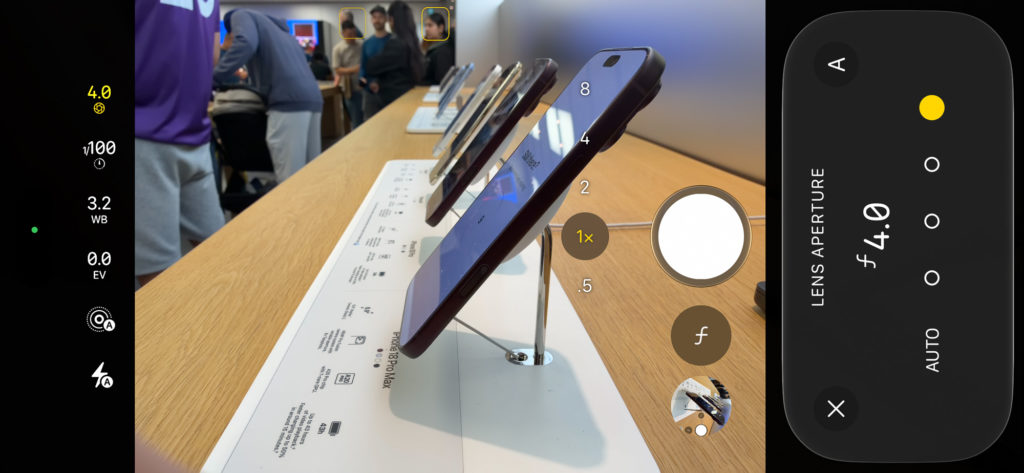
For years, third-party developers have filled the gap left by Apple’s overly simplified native camera application. With the iPhone 18 Pro Max, Apple has integrated deep manual control directly into the system camera app.
[Native Camera App] ──► [Select "Manual Controls" Icon] ──► [Customize Top Menu]
                                                                ├── Aperture (f/1.48, f/1.8, f/2.8, f/4.0)
                                                                ├── White Balance (Kelvin)
                                                                ├── Histogram / Exposure
                                                                └── Focus Tracking (Double-Tap Lock)
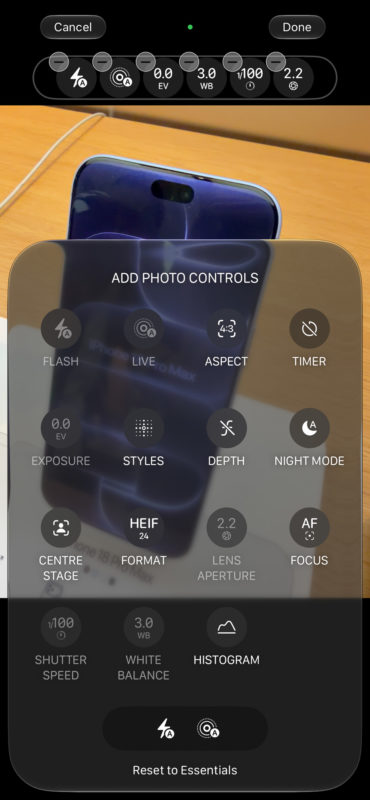
By tapping the new circular six-dot icon adjacent to the shutter button, users unlock a fully customizable control layout. Photographers can drag and drop key parameters—such as manual Kelvin white balance, shutter speed, ISO, and physical aperture steps (f/1.48, f/1.8, f/2.8, f/4.0)—directly to the top utility bar. A real-time histogram has also been added, though professional videographers may still miss native vectorscopes.
Focus and Aesthetics
- Dynamic Focus Tracking: A simple double-tap on any subject locks focus with remarkable stickiness. The system’s predictive algorithms are smart enough to retain the focus plane even if the subject temporarily exits the frame or is obscured by passing foreground objects. This is highly beneficial for macro photography, where minor hand tremors can easily ruin a shot.
- Texture and Palette Styles: The native filters have been split into two distinct categories: "Palette" (which handles color science and tonal mapping) and "Texture." The Texture menu introduces granular controls for Soft Skin rendering, Glow (blooming highlights), Film Look, and a toggle for simulated Grain. The halation and grain rendering produce a convincing, organic analog aesthetic that avoids the clinical look of typical smartphone sensors.
Video Performance and Limitations
On the video front, the iPhone 18 Pro Max now supports 4K HDR Timelapse capture, matching dedicated pocket cameras. Additionally, Cinematic Mode (fake shallow depth-of-field) now operates at up to 60 frames per second with improved edge detection around hair and glasses. The spatial audio engine also gains the ability to isolate and balance background music in real-time.
However, a major workflow bottleneck remains: recording in Apple Log via the native camera app still requires the high-bandwidth ProRes HQ codec. This format generates massive files that can quickly consume internal storage. To record Log video in the much more efficient HEVC format, users must still rely on third-party software like Blackmagic Camera, Kino, or Apple’s own Final Cut Camera app.
The Strategic Dilemma: iPhone 18 Pro Max vs. iPhone Duo
The launch of the iPhone 18 Pro Max coincides with the arrival of the iPhone Duo, Apple’s highly anticipated dual-screen folding smartphone. This presents pro-tier buyers with a challenging choice.

While the folding form factor of the Duo offers an expansive screen, it demands significant compromises in imaging hardware:
- The Duo lacks the physical variable aperture system entirely.
- It does not feature a dedicated optical telephoto lens.
- Because it is not classified as a "Pro" device, the Duo is locked out of shooting native Apple ProRAW and Log video within the system camera app.
For creatives who view their phone primarily as a production tool, the iPhone 18 Pro Max remains the undisputed flagship. The Duo is a lifestyle and multitasking device, whereas the Pro Max is a highly specialized camera that happens to make phone calls.
Future Outlook: The Convergence of Physics and Pixels
The iPhone 18 Pro Max marks the beginning of a new era in mobile imaging. Having pushed computational photography to its logical limits, Apple has turned its focus back to physical optical engineering. The mechanical variable aperture is not merely a clever feature; it is a necessary tool for managing light on increasingly large mobile sensors.
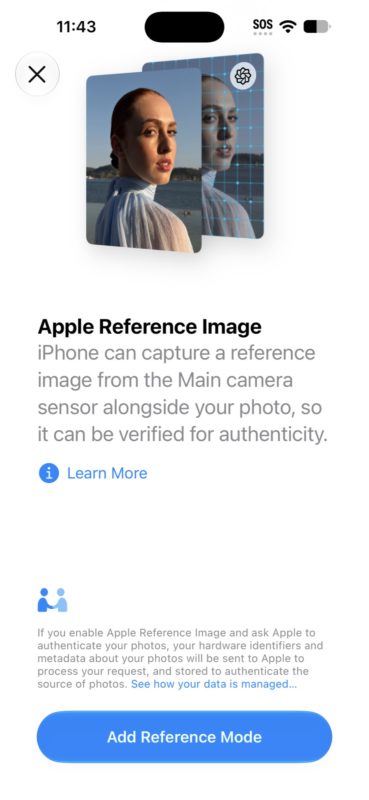
At the same time, the device establishes the battle lines for the future of digital trust. As generative AI tools like Reframe and Extend make it effortless to rewrite visual history, cryptographic verification systems like Reference Mode will transition from niche security features to essential tools for journalism and public record.
For users upgrading from older devices, the iPhone 18 Pro Max offers an exceptionally capable, reliable, and innovative imaging system. It proves that even in an era dominated by artificial intelligence, the laws of physics and the quality of glass still reign supreme.