










Executive Overview
The global e-commerce software and logistics landscape is undergoing a structural transformation, driven by an unprecedented convergence of generative artificial intelligence, hyper-targeted omnichannel acquisition, and advanced fulfillment technologies. This week’s product release cycle highlights an industry aggressively moving past basic automation. Merchants are no longer simply looking for tools to build websites or capture generic email addresses; they are demanding deeply integrated, autonomous ecosystems capable of managing cross-platform media networks, generating real-time high-definition virtual apparel try-ons, and orchestrating complex fulfillment pipelines from the cloud to the consumer’s doorstep.
Major developments span every pillar of the digital commerce stack. In marketing and acquisition, platforms like Attentive, Optinify, and Meta are deploying predictive behavioral AI to optimize subscriber growth and campaign creation. In content and visual production, tools from Koozee, Designkit, LibAI Lab, and Sell The Trend are democratizing high-end studio assets, turning static product photos into dynamic, multi-channel video campaigns with minimal human intervention. Meanwhile, logistics are scaling upward: Uber and Zipline’s high-profile partnership signals a monumental shift toward autonomous drone delivery, aiming for millions of daily flights by the end of the decade.
This report delivers an exhaustive, analytical breakdown of the latest software releases, logistics partnerships, and platform expansions shaping the digital retail economy.
Detailed Chronology: Weekly Product Releases & Platform Updates
1. Conversion Rate Optimization & Popup Analytics
- Optinify Updates Shopify Popup App:
Targeting high-growth Shopify merchants, Optinify has rebuilt its application from the ground up to deliver granular popup analytics. Moving beyond simple impression counters, the updated platform tracks exact campaign interactions, mapping views and conversions directly to revenue metrics. Merchants can execute multivariate tests across headlines, offers, layouts, and messaging to optimize lead capture for SMS and email lists.
2. Infrastructure & Web Development
- Hostinger Launches AI Builder for Web Apps and Sites:
Web hosting and domain giant Hostinger has officially consolidated its site-building and horizon capabilities into a single, unified platform: AI Builder. Designed to eliminate the technical friction of launching an online business, the system goes beyond aesthetic generation. It autonomously provisions databases, configures user accounts, sets up foundational e-commerce architecture, and hooks into native email marketing workflows from a single prompt.
3. Shoppable Video & Social Commerce
- Tilt Introduces "Clips" for Autonomous Video Commerce:
Live-shopping application Tilt is expanding its footprint with the launch of Clips, a scrollable short-form video feed designed to drive asynchronous sales. Recognizing that consumers do not always want to wait for a live broadcast, Tilt allows merchants to repurpose unsold inventory into permanent shoppable clips. Utilizing integrated voice-recognition AI, a seller simply holds an item up to a camera, describes it verbally, and the system automatically logs the category, brand, size, and physical condition.
4. Enterprise & Small Business Marketing Suites
-
Meta Rolls Out Integrated AI Workspace Features:
Meta has introduced a suite of small business AI capabilities natively integrated across Instagram, Facebook advertising accounts, and Google Workspace environments. The tooling empowers business owners to leverage corporate data and live web intelligence to generate comprehensive pitch decks, operational documents, and advanced marketing spreadsheets via conversational prompts.
-
Attentive Launches "AI Grow" for Omnichannel Acquisition:
Omnichannel marketing leader Attentive has debuted AI Grow, an intelligent subscriber acquisition engine. The software monitors real-time user behavior—analyzing both logged-in users and anonymous browsers—to pinpoint the psychological and temporal sweet spot for presenting email and SMS opt-in prompts. Every deployment is dynamically validated via continuous A/B testing against legacy signup forms.
5. Creative AI & Automated Ad Generation
-
Designkit Releases Photo-to-Video Engine:
Creative automation platform Designkit has introduced an AI pipeline designed to convert standard product photography into multi-channel marketing videos optimized for TikTok, Instagram, YouTube Shorts, and native e-commerce product description pages (PDPs). -
Sell The Trend Debuts "AI Ads Blueprint":
Dropshipping and e-commerce resource platform Sell The Trend has rolled out AI Ads Blueprint. The end-to-end workflow allows merchants to transition seamlessly from initial product discovery to creative generation, localized copywriting, resizing, and final asset export without leaving a single interface. -
LibAI Lab Launches "NewFace" Node-Based Studio:
Targeting agencies and independent creators, LibAI Lab has released NewFace, an advanced image and video production suite. Operating on a node-based visual canvas, users describe their campaign visions in natural language. The underlying AI agent constructs the project iteratively, retaining context, brand guidelines, and historical design choices across every creative node.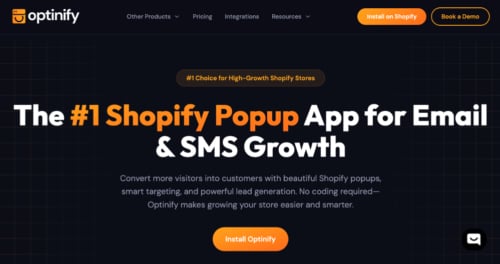
-
Koozee Launches Visual Production Suite for Apparel E-Commerce:
Australia-based Starii Tech has launched Koozee, an all-in-one visual production platform built exclusively for apparel merchants. By uploading a single flat-lay or garment image, merchants can generate realistic on-model photography, alter poses, change backdrops, build ghost-mannequin assets, and render dynamic fit-log videos.
6. Retail Media Networks & B2B Partnerships
-
GrowthLoop Expands Composable Commerce Media Network (CMN):
AI marketing platform GrowthLoop has expanded its Composable CMN infrastructure, integrating native adtech capabilities from industry heavyweights The Trade Desk, Moloco, and Audience Acuity. Operating directly atop modern cloud data warehouses like Snowflake, Google BigQuery, and Databricks, the network enables retailers to unify onsite and offsite media activation with closed-loop attribution. -
Astute Secures $1.2M Pre-Seed Funding for B2B Creator Management:
Startup accelerator platform Astute has closed a $1.2 million pre-seed funding round backed by Flyer One Ventures, Silicon Gardens, and Marathon Fund. The platform is designed to help B2B enterprises discover, vet, and manage collaborative partnerships across fragmented media channels, including independent podcasts, newsletters, and niche social creators.
7. Logistics & Fulfillment Innovations
- Uber and Zipline Partner for Nationwide Drone Delivery:
In a landmark logistics alliance, autonomous drone delivery provider Zipline has partnered with Uber Technologies to dramatically scale aerial fulfillment across the United States. Uber is making a strategic financial investment in Zipline, with the joint objective of achieving one million daily drone deliveries by the end of 2029. Initial deployments are slated to roll out later this year, allowing Uber Eats customers to receive lightweight orders within minutes via autonomous aerial drop-off.
8. Agency Services & Marketplace Accelerators
-
BPMS Launches "Bloom" Marketplace Accelerator:
Marketing agency BPMS has introduced Bloom, an end-to-end marketplace growth engine designed to help consumer brands scale across dominant digital storefronts, including Amazon, Walmart Marketplace, Target Plus, and TikTok Shop. Bloom provides comprehensive lifecycle management, spanning initial catalog mapping, SKU optimization, search visibility, and review generation.
-
Buy Canadian Group Launches Shoppa.ca:
Dedicated to supporting regional enterprise, Buy Canadian Group has launched Shoppa.ca, a specialized discovery engine for Canadian-owned and manufactured goods. The platform explicitly tags verified listings with "Canadian-Owned" or "Made in Canada" certifications to capture domestic consumer demand.
9. Agentic Commerce, AI Visibility & Immersive Retail
-
Alipay Launches Agentic Commerce Platform:
Alipay, the flagship payment network of Alibaba Group, has introduced an agentic commerce platform equipped with modular AI tools. Merchants can transform static landing pages, product catalogs, and transactional workflows into agent-ready skills and Model Context Protocol (MCP) tools, orchestrating autonomous task execution and operations management. -
ShouldEye Introduces AI Reputation & Visibility Monitoring:
Trust and verification provider ShouldEye has launched a B2B platform that tracks how major generative AI models (such as ChatGPT, Claude, and Gemini) perceive, evaluate, and recommend specific brands. The software exposes inconsistencies and informational gaps in AI training weights, allowing businesses to embed verified trust badges across their digital footprints. -
Remark Debuts Real-Time High-Definition Virtual Try-On:
Luxury-focused commerce platform Remark has launched a real-time virtual try-on tool that dynamically maps clothing to moving bodies without requiring third-party mobile app installations. Operating directly within standard web browsers at real-time frame rates, the system renders garments natively using the brand’s proprietary product metadata and imagery.
Supporting Context & Metrics
The velocity of these product releases reflects underlying pressures and opportunities within the global digital economy:
- The Shift to Conversational and Agentic Workflows: With platforms like Alipay introducing MCP-compatible agentic tools and Hostinger automating full-stack infrastructure deployment via chat prompts, technical barriers to entry are dissolving. Small-to-medium enterprises (SMEs) can now command technological capabilities previously reserved for enterprise budgets.
- The Rise of Asynchronous Video Commerce: Short-form video continues to dominate consumer attention spans. Tilt’s Clips and Designkit’s photo-to-video engines validate that modern shoppers expect interactive, shoppable video media everywhere—from social feeds to legacy product pages.
- Autonomous Delivery Economics: The Uber-Zipline partnership underscores the pressing need to bypass ground-transport congestion for last-mile fulfillment. Reaching a target of one million daily drone deliveries by 2029 will require not only regulatory maturation but massive capital expenditure in aerial routing technology.
- AI Visibility (GEO): As consumers increasingly rely on generative search engines rather than traditional blue-link SERPs, tools like ShouldEye highlight the birth of "Generative Engine Optimization" (GEO). Brands can no longer survive solely on traditional SEO; they must actively audit how foundational large language models represent their products and brand values.
Official Statements & Industry Commentary
Industry leaders emphasize that these technological leaps represent a fundamental shift in how commerce is operated, marketed, and fulfilled:
- On the integration of automated workflows, software developers point out that agentic commerce moves software from passive chat interfaces to active operational execution. By utilizing frameworks like Model Context Protocol (MCP), merchants can delegate inventory tracking, customer routing, and campaign generation directly to AI agents.
- Regarding omnichannel acquisition, marketing executives emphasize that static popup forms are dead. Modern platforms like Attentive’s AI Grow and Optinify’s updated Shopify analytics suite highlight that conversion optimization requires real-time behavioral listening coupled with rigorous incremental A/B testing.
- On the logistics front, representatives from both Uber and Zipline frame their multi-year alliance as the critical tipping point for autonomous logistics, promising to slash last-mile delivery times from hours to minutes while reducing urban carbon emissions.
Future Outlook: What to Expect in the Next 12 to 36 Months
As the technologies announced this week mature, several clear trends will define the immediate future of the e-commerce sector:
- The Proliferation of Autonomous Storefronts: With platforms like Hostinger and Alipay lowering the engineering threshold, the creation of fully autonomous, AI-operated micro-stores will explode. We will see solopreneurs managing multi-channel storefronts with zero human staff, relying entirely on AI agents for inventory sync, customer support, and ad generation.
- Mainstream Adoption of Generative Engine Optimization (GEO): Just as search engine optimization (SEO) became a mandatory corporate discipline in the 2000s, managing brand sentiment and factual accuracy inside LLMs via platforms like ShouldEye will become a core marketing expense for enterprise brands.
- Mainstream Aerial Logistics: While drone delivery has historically been confined to localized test markets, the financial backing and logistical muscle of the Uber-Zipline partnership will likely pressure municipal governments to accelerate airspace integration, paving the way for widespread commercial drone adoption by 2028.
- Frictionless Immersive Retail: As demonstrated by Remark’s real-time virtual try-on and Koozee’s automated apparel rendering tools, the historical penalty of online apparel shopping—high return rates due to sizing and fit uncertainty—will plummet. Consumers will routinely experience hyper-realistic, motion-tracked digital fittings directly on standard mobile and desktop browsers.
The e-commerce race is no longer about who can list the most products; it is about who can deploy the most intelligent, responsive, and frictionless digital infrastructure. Merchants who fail to adopt these next-generation AI and logistics tools risk immediate obsolescence in a market moving at algorithmic speed.