







By Diego Argüello | September 16, 2026
Edited and Expanded for Investigative Context
Executive Overview
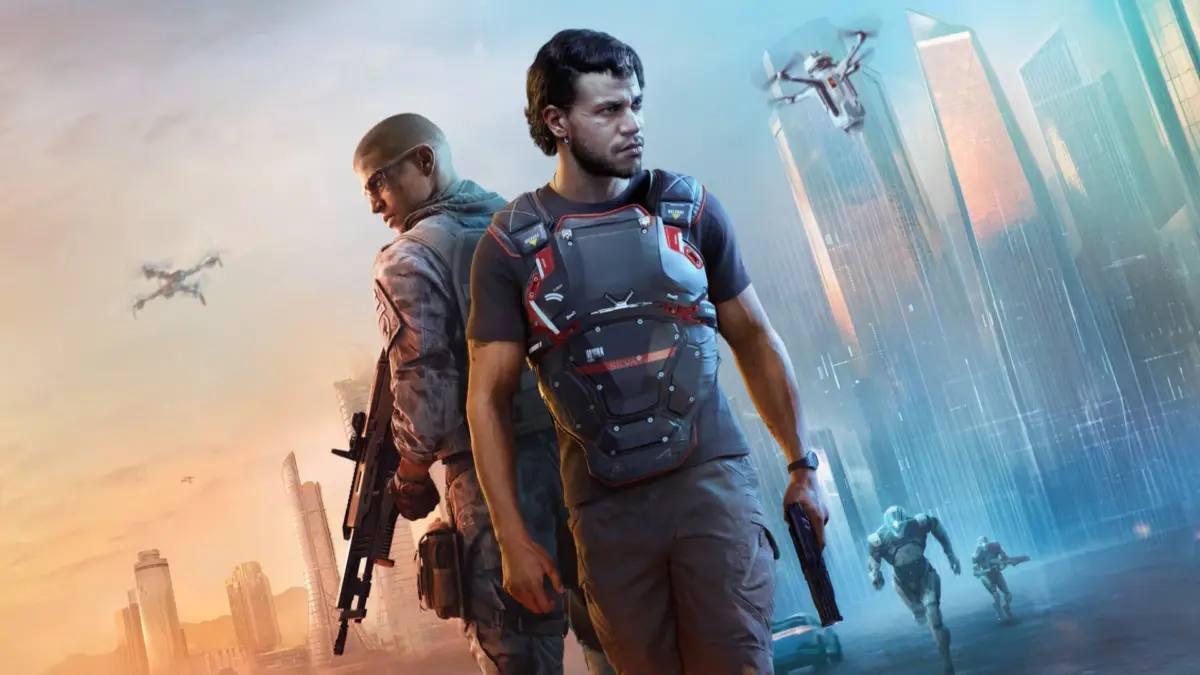
Build a Rocket Boy (BARB), the ambitious video game development studio founded by industry veteran Leslie Benzies, is reportedly winding down operations and permanently closing its doors. Multiple employees have taken to professional platforms like LinkedIn to announce their redundancies, signaling the definitive end for the company behind the dystopian action title MindsEye.
The closure marks a catastrophic conclusion to what was once hailed as one of the industry’s most promising independent studio endeavors. Built on grand ambitions of delivering cinematic narrative experiences and expansive user-generated content (UGC) frameworks, BARB rapidly scaled to hundreds of employees across international offices. However, a toxic cocktail of alleged mismanagement, crippling crunch conditions, controversial surveillance practices, and a turbulent, commercially disappointing launch for MindsEye in June 2025 severely fractured the company.
While official corporate channels have yet to issue a formal statement confirming the total liquidation, an exodus of human resources personnel, technical designers, and core artists is actively wrapping up operations. This report explores the cascading failures, labor disputes, publishing fallout, and internal chaos that brought Build a Rocket Boy to its knees.
Detailed Chronology: From Rapid Expansion to Sudden Collapse
The Rise and Rapid Scaling of BARB
Founded by former Rockstar North president Leslie Benzies following his high-profile departure from Take-Two Interactive, Build a Rocket Boy positioned itself as an artist-first, player-centric studio capable of rivaling the biggest AAA powerhouses in the industry. Backed by substantial investment, the studio established major outposts—including a notable presence in Edinburgh, Scotland—and embarked on the dual development of MindsEye and its broader ecosystem.
Internal recruitment data highlights the staggering speed at which the studio grew. According to the company’s principal talent acquisition and HR operations leads, the studio swelled from roughly 200 employees to a peak of 550 personnel in a remarkably brief timeframe. This hyper-growth, while signaling ambitious production pipelines, planted the seeds for structural instability.
The Troubled Development and Launch of MindsEye
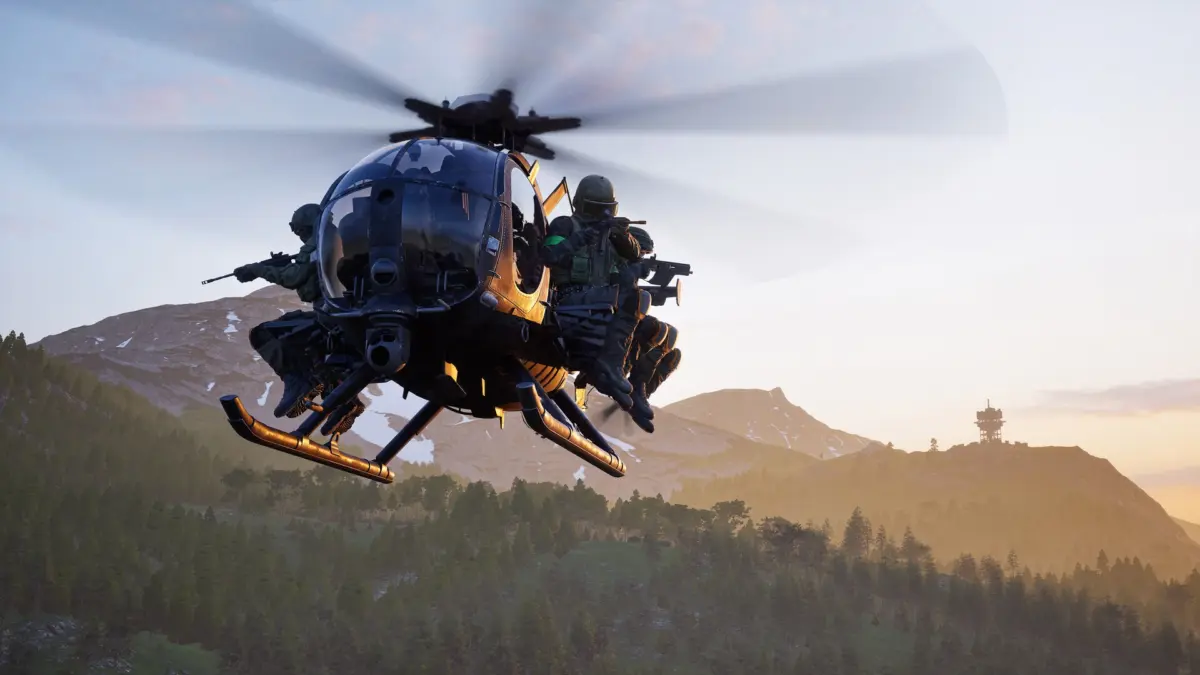
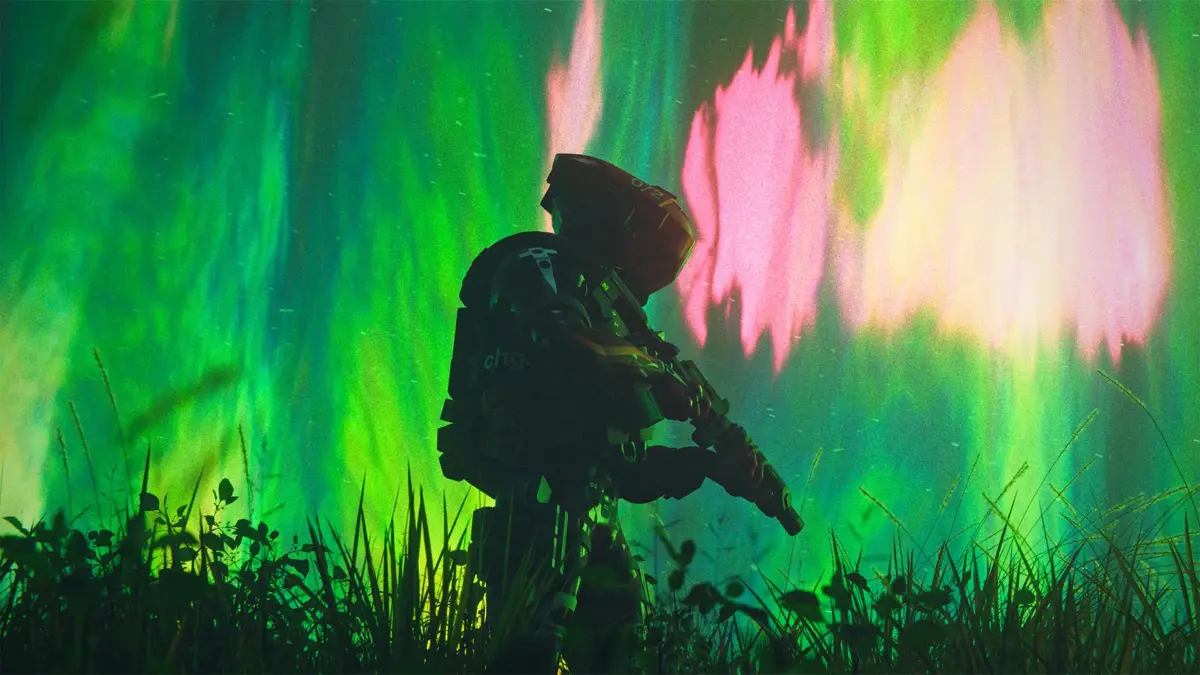
Anticipation for MindsEye was sky-high, given Benzies’ pedigree behind the Grand Theft Auto franchise. However, development was plagued by friction, shifting scopes, and reports of severe workplace strain. When MindsEye finally launched in June 2025, it failed to capture the critical or commercial acclaim necessary to sustain the studio’s massive overhead.
Rather than stabilizing post-launch, the studio spiraled deeper into crisis. In the months surrounding and following the release, BARB was hit with multiple successive rounds of layoffs. Studio leadership publicly attributed the game’s commercial and operational struggles to bizarre external factors, going so far as to publicly claim that the studio was the victim of "corporate sabotage." These assertions did little to quell internal panic, as developers faced sudden job losses without clear institutional support.
The Final Wind-Down
By mid-September 2026, the situation reached a terminal phase. Staff members began flooding professional networks with the trademark green #OpenForWork banner.
A principal HR team member, reflecting on nearly five years at the company, noted that they were staying on specifically to "see BARB through till the very end, helping wrap things up" in the human resources department. Concurrently, technical level designers, 3D weapon and prop artists, and engineers confirmed that they were facing immediate redundancy, officially marking the death knell for the studio.
Supporting Context & Metrics: Labor Disputes and Publishing Fallout
The collapse of Build a Rocket Boy was not an isolated event born solely of a single poor software launch; rather, it was accelerated by a compounding series of ethical, legal, and operational scandals.
Labor Backlash and the Open Letter
The cracks in BARB’s corporate culture became glaringly public when nearly 100 developers signed an open letter accusing studio leadership of debilitating mismanagement, forced crunch, and a reckless disregard for worker well-being. Several affected employees went beyond public statements, pursuing legal claims against the company for wrongful termination and labor rights violations.
.png?width=1280&&quality=80&disable=upscale)
Surveillance and Union Intervention
Controversy intensified when the IWGB Game Workers Union launched formal legal action against Build a Rocket Boy. The union accused management of severe data privacy violations following the mandatory installation of invasive surveillance software on employees’ work devices.
This sparked public outrage, culminating in direct action when game workers and union representatives staged protests outside the studio’s Edinburgh office. Protesters labeled the corporate conduct "a kick in the teeth" for an already beleaguered workforce struggling under the weight of crunch and job insecurity.
The Publishing Partner Abandonment
Compounding the internal chaos, external confidence evaporated early in the development and post-launch lifecycle. IOI Partners—a publishing division of Hitman creator IO Interactive—abruptly severed ties with Build a Rocket Boy, pulling out as the publisher for MindsEye. The withdrawal of a major publishing partner left BARB financially isolated, stripping them of vital distribution infrastructure, marketing backing, and financial runway just as the studio needed it most.
Official Statements and Industry Silence
As of publication, Build a Rocket Boy has maintained an official silence regarding the reported permanent closure and the sweeping wave of layoffs. Requests for comment sent by industry outlets, including Game Developer, have gone unanswered as executives and remaining administrative staff focus entirely on executing exit strategies.
The silence stands in stark contrast to the vocal transparency of the departing workforce. Former employees have utilized LinkedIn and X (formerly Twitter) not only to secure new employment but also to chronicle the emotional toll of watching a once-promising studio disintegrate from within.
“Just shy of 5 years here at BARB and one hell of a ride!” wrote a leading HR representative, capturing the bittersweet sentiment shared by hundreds of developers whose projects and careers have been abruptly upended.
Future Outlook: The Aftermath for MindsEye and the Games Industry
The demise of Build a Rocket Boy serves as a cautionary tale within the modern video game industry, highlighting the lethal combination of over-expansion, mismanaged leadership, toxic workplace practices, and the volatility of AAA game publishing.
What Happens to MindsEye?
With the studio permanently winding down operations and its workforce dispersed, the long-term intellectual property rights and server infrastructure for MindsEye and its associated UGC platforms remain in legal and operational limbo. Whether an external stakeholder will step in to acquire the assets or if the project will be permanently abandoned remains to be seen.
The Human Cost
More pressing than the fate of the intellectual property is the human toll of BARB’s collapse. The sudden influx of over 500 experienced developers, artists, designers, and operational staff into an already oversaturated job market underscores the ongoing employment crisis plaguing the global games industry throughout 2025 and 2026.
As the "green banners" multiply across professional networks, the industry is once again forced to reckon with the systemic fragility underlying high-budget game development—where grand visions engineered by legendary names can still collapse under the weight of internal mismanagement.
Game Developer will continue to update this developing story as more information regarding Build a Rocket Boy’s liquidation and the status of its workforce becomes available.