








By the Practical Commerce Editorial Desk
Executive Overview
The ecommerce technology landscape is undergoing a structural paradigm shift. As consumer habits splinter across decentralized conversational interfaces, generative AI tools, and omnichannel touchpoints, merchant platforms are racing to adapt. This week’s product release cycle underscores an industry-wide pivot toward autonomous operations, predictive fulfillment, and cross-channel visibility.

No longer is it sufficient for merchants to simply maintain a transactional web store. Platforms are increasingly expected to bridge the gap between back-office inventory, AI-driven search engines, and physical logistics spanning international borders.
From Juspay and Anthropic introducing foundational infrastructure for agentic commerce, to heavyweight logistics providers like Lightspeed and Flexport expanding their cross-border fulfillment footprints, the tools available to modern merchants are becoming faster, smarter, and profoundly more automated. This report provides a comprehensive, deep-dive analysis of the critical software rollouts, platform integrations, and operational solutions shaping the future of digital and physical retail.

Detailed Chronology of New Merchant Services
1. AI Discovery and Agentic Commerce Infrastructure
- Juspay Launches "Breeze Universal" for AI-Driven Brand Discovery: Payment technology firm Juspay has entered the search and discovery space with Breeze Universal. Designed to make brands discoverable across decentralized ecosystems—including ChatGPT, Claude, third-party marketplaces, and bespoke merchant sites—Breeze Universal plugs directly into existing product catalogs hosted on Shopify, WooCommerce, and custom architectures. By abstracting product inventory into uniform, machine-readable feeds, the service ensures brands maintain visibility wherever modern consumers initiate shopping queries.
- Anthropic Releases AI Agent Blueprints for Retailers: Ahead of the critical holiday shopping window, artificial intelligence leader Anthropic has rolled out pre-built agent blueprints on Claude. These architectural frameworks allow retailers to rapidly deploy conversational shopping agents capable of autonomously navigating inventory databases, pricing models, and marketing workflows. For consumers, these agents facilitate nuanced product recommendations and direct cart additions through natural language interactions.
2. Omnichannel Fulfillment, Logistics, and Global Expansion
- Lightspeed and ShipStation Unite In-Store and Online Fulfillment: Omnichannel commerce platform Lightspeed Commerce has announced a native integration with logistics software giant ShipStation. By embedding ShipStation’s sophisticated routing capabilities directly into the Lightspeed point-of-sale (POS) environment alongside automated tax calculation engines, the partnership aims to strip away the historical friction of managing hybrid physical and digital retail operations.
- Flexport Expands Fulfillment Footprint to Canada and the U.K.: Freight forwarding and logistics innovator Flexport has formally launched end-to-end fulfillment services in Mississauga, Canada, and Manchester, England. The expansion allows international brands to store inventory locally and process regional orders without migrating away from their established centralized platform accounts, freight contracts, or customs brokerages.
3. Customer Experience, Post-Purchase Automation, and Security
- Alchemer Debuts "Iris," an AI-Native Customer Experience Platform: Feedback management pioneer Alchemer has launched Iris, a native artificial intelligence platform designed to convert raw customer sentiment into immediate, cross-channel operational actions. Operating across survey data, online reviews, and reputation management pipelines, Iris automates review responses, triggers follow-up workflows, and surfaces actionable business insights while keeping human oversight central to policy decisions.
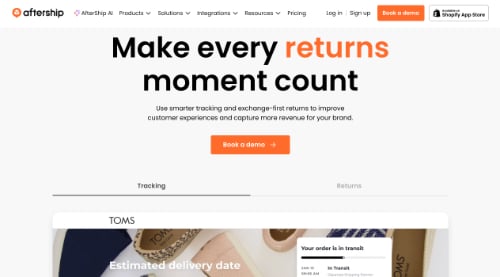
- AfterShip Introduces AI-Powered Exception Handling and Returns: Post-purchase platform AfterShip has launched Intelligence, an agentic automation suite designed to transform shipping tracking and returns into an active revenue retention engine. The system proactively detects shipment anomalies, gathers contextual data from carriers, formulates resolution strategies, and executes tasks subject to human administrative approval.
- Amazon Enhances Alexa for Shopping with Communication Verification: To combat rising waves of phishing and impersonation scams, Amazon has introduced a verification protocol for U.S. consumers. Shoppers can now query Alexa for Shopping to authenticate incoming emails, phone calls, texts, and messages, submitting suspicious communications directly to Amazon’s security analysts to isolate and neutralize bad actors.
- Okta Launches Auth0 Identity Suite for Agent-Led Commerce: Identity management leader Okta has introduced the Auth0 Identity Conversion Suite, engineered specifically to secure modern, agent-driven commerce channels. The platform tracks consumer engagement from initial anonymous visits through secure sign-up flows, allowing brands to fortify login architectures without sacrificing conversion momentum.
4. Payments, Financial Services, and Customization Tools
- Ecommpay Introduces Flexible QR Code Payments: International payments platform Ecommpay has deployed a static QR Code payment solution designed for micro-merchants and omnichannel brands. Displayable across print receipts, signage, or web surfaces, the dynamic static codes allow consumers to dictate custom payment amounts while giving merchants complete control over the landing page design.
- Shopline Partners with Splitit for Card-Linked Installments: Global ecommerce platform Shopline has integrated Splitit to power card-linked installment payments. The collaboration enables hundreds of thousands of merchants worldwide to activate Buy Now, Pay Later (BNPL) functionality directly on existing consumer credit cards, bypassing traditional multi-step third-party credit applications.
- Sigmira Launches Specialized WooCommerce Product Customizer: To service the booming personalized merchandise sector, cloud platform Sigmira has released a dedicated product customizer for WooCommerce merchants. The integration allows shoppers to modify, preview, and configure bespoke products natively within an online storefront, while order data routes seamlessly back to WooCommerce for fulfillment processing.
5. Marketing Audits, Multi-Channel Dropshipping, and Wholesale CRM
- Bazaarvoice Deploys AI Visibility Package: User-generated content (UGC) giant Bazaarvoice has released an AI visibility package paired with measurement integrations from Bluefish, Evertune, and Profound. The suite structures brand reviews and UGC so they are readily indexed by AI search and recommendation engines, while providing independent performance metrics tracking brand citations.
- Listrak Rolls Out Free Email Marketing Audit Tool: Email service provider Listrak has released a complimentary audit tool designed to evaluate retail marketing campaigns against 30 high-performing benchmarks. The utility assesses deliverability health, accessibility standards, mobile responsiveness, and conversion mechanics without requiring upfront platform registration.
- Crosslist Introduces Micro-Budget Testing Framework for Dropshippers: Multi-market listing tool Crosslist has released a structured testing methodology designed to help dropshippers validate novel sales channels for under $10. By deploying controlled product subsets over a 14-to-30-day window, sellers can evaluate demand signals and minimize financial exposure.
- WizCommerce Debuts WizCRM for B2B Wholesalers: B2B operational platform WizCommerce has launched WizCRM, an AI-augmented customer relationship management tool built specifically for manufacturers and distributors. Featuring "WizPilot," an embedded sales assistant, the platform centralizes account pipelines, logs field visits, and converts quotes directly into ERP-synchronized orders.
Supporting Context & Metrics: The Mechanics of Modern Retail
The convergence of disparate software categories into unified suites reflects broader economic pressures facing merchants globally. According to aggregate retail analytics, customer acquisition costs (CAC) across traditional paid social and search channels have risen by over 60% across the past five years. Consequently, retailers are forced to look inward—optimizing post-purchase retention loops, deploying conversational AI discovery vectors, and expanding into untapped international geographies.
- The Shift to Conversational Search: Industry metrics suggest that up to 30% of high-intent product discovery inquiries will originate from generative AI platforms or conversational agents by the close of the decade. Services like Juspay’s Breeze Universal and Bazaarvoice’s AI Visibility package are responses to a fundamental reality: if a merchant’s product catalog is not structured for Large Language Models (LLMs), the brand effectively ceases to exist for a rapidly growing segment of digital consumers.
- Fulfillment as a Competitive Differentiator: Logistics integrations, such as Lightspeed-ShipStation and Flexport’s localized warehouse deployments in Canada and the U.K., highlight the ongoing importance of inventory agility. Cross-border friction remains a primary deterrent for mid-market merchants seeking international scale. By bringing customs clearance, returns management, and point-of-sale shipping triggers under single-pane-of-glass dashboards, platforms are drastically lowering the barrier to global commerce.
Official Statements and Industry Perspective
Executives spearheading these platform developments emphasize that the overarching objective of contemporary software design is the reduction of operational drag through intelligent automation.

"Consumers are no longer browsing the web the way they did five years ago. They are conversing with AI models, querying LLMs for recommendations, and expecting immediate, contextual answers," noted representatives tracking agentic commerce frameworks. "Our mandate is to ensure that our merchants are not left stranded in traditional web silos, but are proactively represented wherever purchasing decisions are made."
Similarly, logistics and post-purchase stakeholders point to the necessity of shifting operations from reactive troubleshooting to predictive orchestration.

"Post-purchase has historically been viewed as a operational cost center—a burden absorbed only when things break," remarked product teams at AfterShip. "By infusing agentic automation into exception handling, we allow systems to anticipate logistical failures before the consumer even realizes a shipment is delayed, transforming a negative touchpoint into an automated loyalty driver."
Future Outlook: What Merchants Must Prepare For
As the retail technology sector looks toward the upcoming fiscal year, several clear trajectories are emerging that will dictate merchant survival and growth:
- The Commoditization of Traditional SEO: As AI-driven search models supplant traditional search engine results pages (SERPs), merchant success will increasingly rely on structured data optimization, API-driven catalog distribution, and verified user-generated content feeds. Brands that fail to optimize for machine readability will experience severe visibility decay.
- Autonomous Workflow Management: The boundary between software configuration and active execution will continue to blur. AI agents will no longer simply recommend actions to human teams; they will execute multi-step operational loops—from inventory rebalancing to customer service refunds—subject strictly to managerial exception policies.
- Hyper-Localized Omnichannel Convergence: Physical retail spaces and digital storefronts will operate on entirely unified inventory engines. Tools bridging point-of-sale hardware with global logistics networks will no longer be considered enterprise luxuries, but baseline requirements for regional competitiveness.
Merchants must audit their current technology stacks immediately to ensure interoperability with emerging conversational discovery networks, robust cybersecurity protocols, and automated post-purchase frameworks. The companies that successfully integrate these tools today will capture the market share of tomorrow.