









Executive Overview
For decades, the video game industry has viewed its relationship with politics through a polarized lens: either as a medium for unbridled artistic expression or as a volatile third-rail issue likely to offend key consumer demographics. However, a profound shift is occurring at the intersection of government and interactive entertainment.
During recent appearances at PAX West and the Seattle Loves Indies and Creators Expo (SLICE), Washington State Secretary of State Steve Hobbs presented a compelling and unconventional thesis to game developers: video games are not merely engines of local economic growth; they are potent instruments of geopolitical "soft power."
This political framing positions game studios not just as commercial enterprises, but as vital cultural ambassadors on the global stage. Yet, this perspective introduces complex questions regarding cultural imperialism, state-sponsored narratives, and the shifting priorities of federal leadership. As global superpowers race to capture the hearts and minds of a digitally native generation, the debate over video games as tools of statecraft—and the domestic policies that support or hinder them—has never been more urgent.
Detailed Chronology: From the Voice of America to the Digital Frontier
To fully grasp the weight of Secretary Hobbs’ proposition, one must trace the evolution of soft power from Cold War analog broadcasts to modern interactive digital media.
The Cold War Precedent
In the mid-20th century, the United States weaponized culture to counter Soviet influence through initiatives like Voice of America radio broadcasts. By beaming Western jazz, rock-and-roll, and news behind the Iron Curtain, the U.S. government sought to erode totalitarian control by making the populace desire Western freedoms and lifestyles.
Decades later, this historical dynamic has reversed in unexpected ways. Secretary Hobbs noted a striking conversation he had with a member of the visiting Games From Poland delegation. Growing up under Soviet occupation, that delegate remembered listening to Voice of America. Today, Poland has emerged as a powerhouse in the global gaming market, producing cultural touchstones like CD Projekt Red’s The Witcher series—narratives deeply rooted in Polish folklore that now export Polish identity back to the Western world and beyond.
The Modern Geopolitical Chessboard
In the 1980s, political scientist Joseph Nye coined the term "soft power" to describe a country’s ability to co-opt rather than coerce. While "hard power" relies on military might and economic sanctions, soft power relies on culture, political values, and foreign policies to shape global preferences.
In recent years, nations have recognized the extraordinary reach of interactive entertainment:
- China has systematically integrated cultural diplomacy and gaming investments into its broader foreign policy strategy across developing regions.
- Saudi Arabia, via its Public Investment Fund (PIF), has poured billions into international video game acquisitions and studio stakes, signaling a deliberate campaign to diversify its economy and project cultural relevance.
- Traditional cultural exporters like Japan, South Korea, and Turkey continue to ramp up investments in their creative economies, recognizing that a thriving arts sector yields long-term diplomatic dividends.
The Domestic Shift in the United States
Against this global backdrop, Hobbs used his platform in Washington state to critique a perceived retreat by current U.S. federal leadership from cultural diplomacy. According to author, sociologist, and game developer Katherine Cross, the domestic political landscape has experienced a systematic devaluing of soft power in favor of aggressive hard power maneuvers—ranging from foreign military interventions to severe budget cuts at institutions like USAID, the National Science Foundation, and public broadcasting initiatives.
For the American game development community, this disconnect creates a paradox: while state-level officials like Hobbs are eager to champion the geopolitical and economic value of interactive media, federal policies frequently undermine the educational, scientific, and creative foundations necessary to sustain a thriving knowledge-worker economy.
Supporting Context & Metrics: Hard Power vs. Soft Power in the Digital Age
The structural divide between hard power and soft power dictates how nations allocate resources, treat their labor forces, and project influence across borders. Understanding this divide requires examining the underlying mechanics of modern statecraft.
Defining the Spectrum of Influence
- Hard Power: Characterized by conflict, coercion, military strikes, and economic blockades. It demands compliance through force or the credible threat thereof.
- Soft Power: Characterized by persuasion, cultural exchange, and commerce. It operates on the premise that if foreign populations admire a nation’s culture, values, and technological output, they are far less likely to support hostile geopolitical actions against it.
The Economic and Labor Implications
As Katherine Cross observed during discussions on the PAX show floor, prioritizing soft power projects structural support directly onto a nation’s labor force. It validates the contributions of artists, programmers, writers, and designers—the knowledge workers who form the backbone of the creative economy.
When a government invests in its creative industries, it signals that cultural output is a matter of national importance. Conversely, when federal leadership dismisses popular culture and slashes funding for the arts and sciences, it diminishes the very intellectual capital that makes a nation attractive and influential abroad.
Furthermore, international comparisons highlight stark strategic choices. Nations that double down on creative economies—such as Japan’s promotion of its anime and gaming exports—cultivate global goodwill and sustainable economic models that outlast short-term military engagements. As Cross noted, a world where nations compete through cultural output rather than military escalation is profoundly preferable.

Official Statements and Perspectives
The dialogue surrounding video games as soft power brings together diverse viewpoints from military veterans, local policymakers, cultural critics, and game developers themselves.
Secretary of State Steve Hobbs: A Veteran’s Plea for Creative Diplomacy
Drawing from his background as a former U.S. Army officer and current lieutenant colonel in the Army National Guard—with service tours in Kuwait and Iraq, alongside family members who have also served overseas—Hobbs brings a pragmatic, conflict-weary perspective to international relations.
"Right now we are in global competition. It is another Cold War," Hobbs stated during his SLICE address. "That is one of the reasons why I love this creative industry. As someone who has served overseas and been in wars… I don’t want to go to war."
Hobbs emphasized that cultural exchange fosters mutual understanding, reducing the likelihood of armed conflict.
"If there’s a way for you to reach hearts and minds through your games, to make this world a better place so people can understand one another, to create change through those countries that are restrictive—I think that’s a good thing."
He also highlighted the structural advantages of democratic societies in fostering this kind of innovation:
"The great thing in a democracy is we have the ability to be creative, and authoritarian regimes can’t."
Katherine Cross: Critiquing the Retreat from American Creativity
Sociologist and writer Katherine Cross expanded on Nye’s theories, pointing out how current federal administrations often display a deep disdain for the very pillars of American cultural influence.
"We are living in a moment where the people in power in this country are deeply despising of many of the things that do make the US great," Cross explained. Pointing to sweeping budget cuts across scientific research bodies and cultural funding, she added: "They cannot accept that the best things that the United States produces… that are peaceable, that are expressions of creativity, expressions of the best knowledge-based professions, are real and worth having."
Cross stressed that soft power was historically designed to soften geopolitical friction while providing stable, rewarding careers for creatives and artists. By abandoning this arena, the U.S. risks ceding global cultural leadership to nations eager to fill the vacuum.
Future Outlook: What This Means for Game Developers
For independent and AAA game developers alike, Secretary Hobbs’ pitch introduces a paradigm shift. Traditionally, developers treat politics in games either as an artistic exploration of human conflict or as a commercial product intended for global entertainment. Being cast as frontline agents of geopolitical soft power can feel simultaneously flattering and daunting.
Navigating the Responsibility of Global Reach
As games increasingly transcend borders, developers are realizing that their digital worlds act as cross-cultural communication channels. Whether an indie studio in Seattle crafts a narrative-driven adventure or a Polish studio builds an expansive fantasy RPG, these products teach global audiences about foreign values, folklore, and perspectives.
However, developers must carefully navigate this newfound political attention:
- Avoiding State Co-optation: While state-level support and grants (such as those championed by Washington state) can juice local game development, developers must maintain creative independence to ensure their work remains authentic art rather than state-sanctioned propaganda.
- Global Market Realities: As foreign competitors ramp up their own soft power strategies through creative sector investments, U.S. developers face a more crowded and competitive international marketplace—one where government backing can make or break an industry’s global footprint.
- The Pendulum Swing: As Hobbs and industry observers noted, political attitudes toward the arts are cyclical. While current federal trends may favor hard power retrenchment and cultural skepticism, the long-term economic and diplomatic value of interactive entertainment remains undeniable.
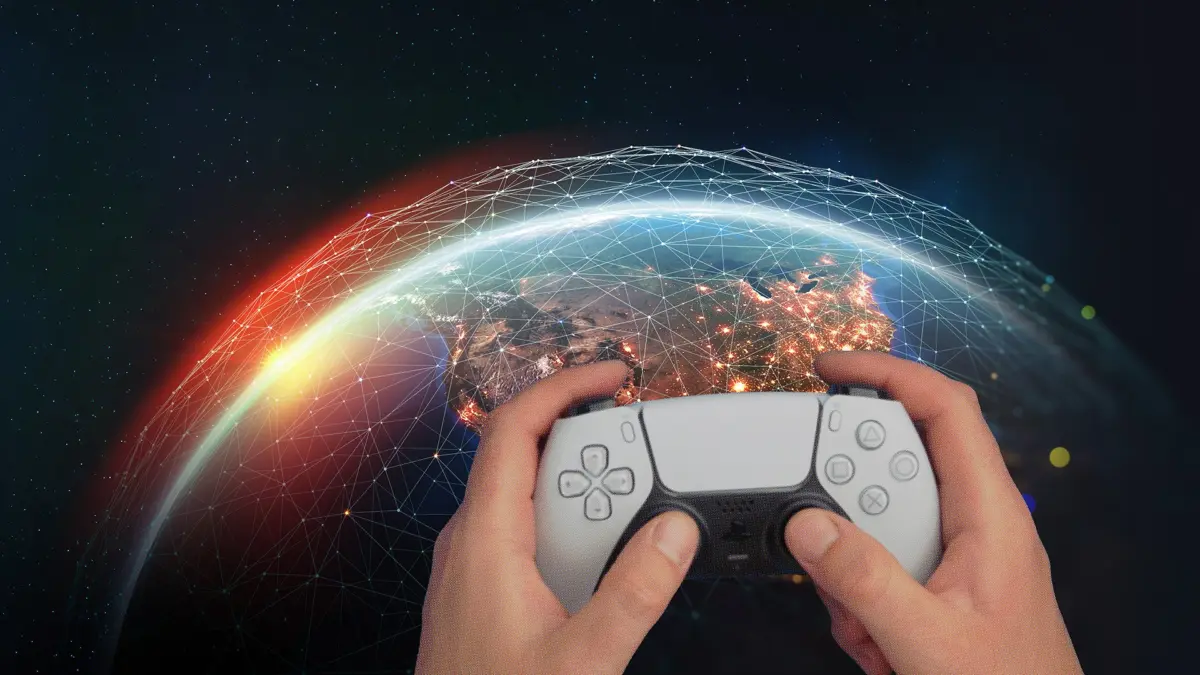
Ultimately, the conversation sparked at PAX West and SLICE signals that video games have graduated from mere playthings to critical instruments of international relations. Whether policymakers choose to nurture this ecosystem or neglect it will determine whether the United States continues to lead the digital globe—or watches from the sidelines as other nations pick up the controller.