







Executive Overview
The global film and television production industry is undergoing a quiet but relentless technological revolution. As soundstages and broadcasters face mounting pressure to reduce carbon footprints, lower operational costs, and accelerate setup times, legacy lighting fixtures are being systematically phased out. Among the most stubborn holdouts of the incandescent era has been the traditional "space light"—a high-output, power-hungry tungsten fixture traditionally suspended from studio grids to provide ambient overhead fill.
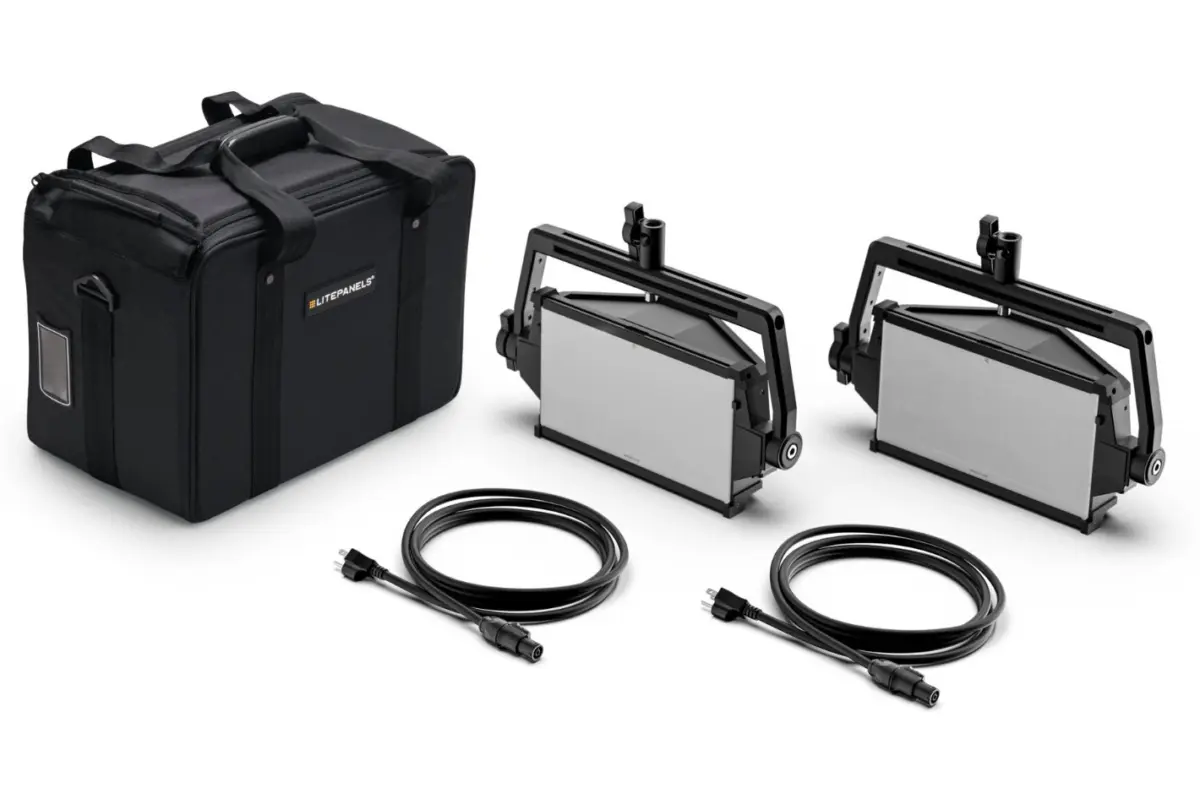
In a decisive move to modernize overhead illumination, Litepanels, a global pioneer in LED lighting technology for the broadcast and entertainment industries, has announced the launch of its new Space Light Kit for the Gemini 2×1 Hard.
Designed as a direct, high-efficiency replacement for traditional tungsten space lights, this innovative kit addresses the long-standing limitations of legacy incandescent fixtures. When paired with the Gemini 2×1 Hard LED panel, the Space Light Kit delivers high-output, soft, directional top fill without the punishing thermal output or massive power draw that has characterized studio grids for decades.
By combining advanced RGBWW color control with a 90% reduction in power consumption compared to tungsten equivalents, the Space Light Kit represents a significant leap forward. It offers cinematographers, gaffers, and studio managers a versatile, lightweight, and highly controllable alternative that streamlines set operations while elevating the creative possibilities of overhead lighting.
Detailed Chronology: The Evolution of Studio Overhead Lighting
To understand the significance of Litepanels’ new offering, one must examine the history of the studio space light and the technical hurdles that have historically plagued overhead illumination.
[Traditional Tungsten Era]
  - 2kW to 6kW power draw per fixture
  - Extreme heat generation (heavy HVAC loads)
  - Fixed 3200K color (requiring physical gels)
       │
       ▼
[Early LED Retrofits]
  - Reduced power draw
  - Insufficient output/punch from high grids
  - Bulky, heavy form factors
       │
       ▼
[The Gemini 2×1 Hard Era]
  - Highly collimated, intense LED output
  - Advanced RGBWW color engine
       │
       ▼
[The Space Light Kit Innovation]
  - Lightweight, collapsible optical modifiers
  - 90% energy savings with matching intensity
  - Precise digital CCT & color control
The Tungsten Era: Power, Heat, and High Maintenance
For decades, the standard method for lighting large-scale sets, green screens, and cycloramas involved hanging arrays of multi-kilowatt tungsten space lights from the studio truss. Typically configured with six 1,000-watt lamps arranged in a circular array inside a cylindrical silk skirt, a single traditional space light pulled up to 6,000 watts (6kW) of power.
While these fixtures produced a beautifully diffuse, omnidirectional glow, their drawbacks were severe:
- Thermal Load: Dozens of legacy space lights running simultaneously could easily turn a soundstage into an oven. This necessitated massive, noisy air conditioning systems that had to be switched off during takes, delaying production and challenging actors and crew.
- Power Infrastructure: Running megawatts of tungsten lighting required heavy-gauge copper cabling, massive distribution boxes, and high-capacity generators or utility feeds.
- Rigid Color Controls: Tungsten lights are natively daylight-imbalanced (3200K). Shifting their color temperature or adding creative hues required crew members to climb ladders or operate scissor lifts to manually install large, heat-resistant plastic gels—a time-consuming and hazardous task.
The LED Transition and the "Punch" Problem
With the advent of LED technology in the early 2010s, manufacturers rushed to create LED space lights. However, early iterations struggled with "throw." Because LEDs are inherently directional, diffusing them enough to mimic the wide, soft wash of a tungsten space light often reduced their intensity to unacceptable levels, especially when suspended from high studio grids (often 20 to 40 feet up).
Litepanels solved the output problem with the release of the Gemini 2×1 Hard. By utilizing highly concentrated LED emitters combined with custom-designed lenses, the Gemini 2×1 Hard achieved unprecedented output levels for a 2×1 panel, giving it the "punch" necessary to cut through diffusion and throw light over long distances.
The Genesis of the Space Light Kit
Recognizing that the Gemini 2×1 Hard possessed the raw output and sophisticated color engine required to rival multi-kilowatt tungsten fixtures, Litepanels engineered a bespoke optical modifier system. The resulting Space Light Kit converts the raw, directional beam of the Gemini 2×1 Hard into a classic, beautifully dispersed overhead fill, successfully bridging the gap between legacy aesthetics and modern digital efficiency.
Supporting Context & Metrics: A Technical Deep-Dive
The Space Light Kit is not merely a cosmetic accessory; it is a highly engineered optical system designed to optimize the physical and electrical characteristics of the Gemini 2×1 Hard.
| Operational Metric | Legacy Tungsten Space Light | Gemini 2×1 Hard + Space Light Kit | Operational Advantage |
|---|---|---|---|
| Power Consumption | 2,000W – 6,000W | ~500W | Up to 90% energy reduction |
| Color Temperature (CCT) | Fixed 3,200K (Yellowing when dimmed) | 2,700K – 10,000K (Constant fidelity) | Infinite creative flexibility |
| Color Control | Manual physical gels only | Full RGBWW gamut, Hue, Saturation, Gel presets | Real-time console adjustments (DMX/CRMX) |
| Thermal Output | High (Requires active cooling/HVAC) | Minimal (Passive/Low-noise active cooling) | Safer sets, reduced HVAC costs, silent operation |
| Rigging Weight | Heavy (Cast metal chassis & heavy cables) | Lightweight, collapsible design | Reduced structural load, faster setup times |
Quantifying the 90% Energy Savings
The financial and logistical implications of the Space Light Kit’s energy efficiency are profound. A typical mid-sized soundstage utilizing 30 traditional 6kW tungsten space lights draws a staggering 180,000 watts (180 kW) of power.
Replacing those fixtures with 30 Gemini 2×1 Hard units outfitted with Space Light Kits reduces the total draw to approximately 15,000 watts (15 kW).
This drastic reduction yields several compounding benefits:
- Infrastructure Reduction: Production companies can bypass the need for heavy, expensive Socapex cabling and high-capacity power distribution carts.
- Generator Downsizing: On location, productions can utilize smaller, quieter, and less expensive generators, reducing fuel consumption and emissions.
- HVAC Mitigation: Because LEDs convert a much higher percentage of energy into light rather than heat, studio air conditioning loads are cut by up to 80%, lowering utility bills and ensuring silent operation during sound recording.
Photometrics, Falloff, and Optical Performance
One of the most notable achievements of the Gemini 2×1 Hard and Space Light Kit combination is its superior light distribution. Traditional tungsten space lights suffer from rapid, sometimes uneven falloff, requiring precise positioning to avoid "hot spots" directly beneath the fixture.
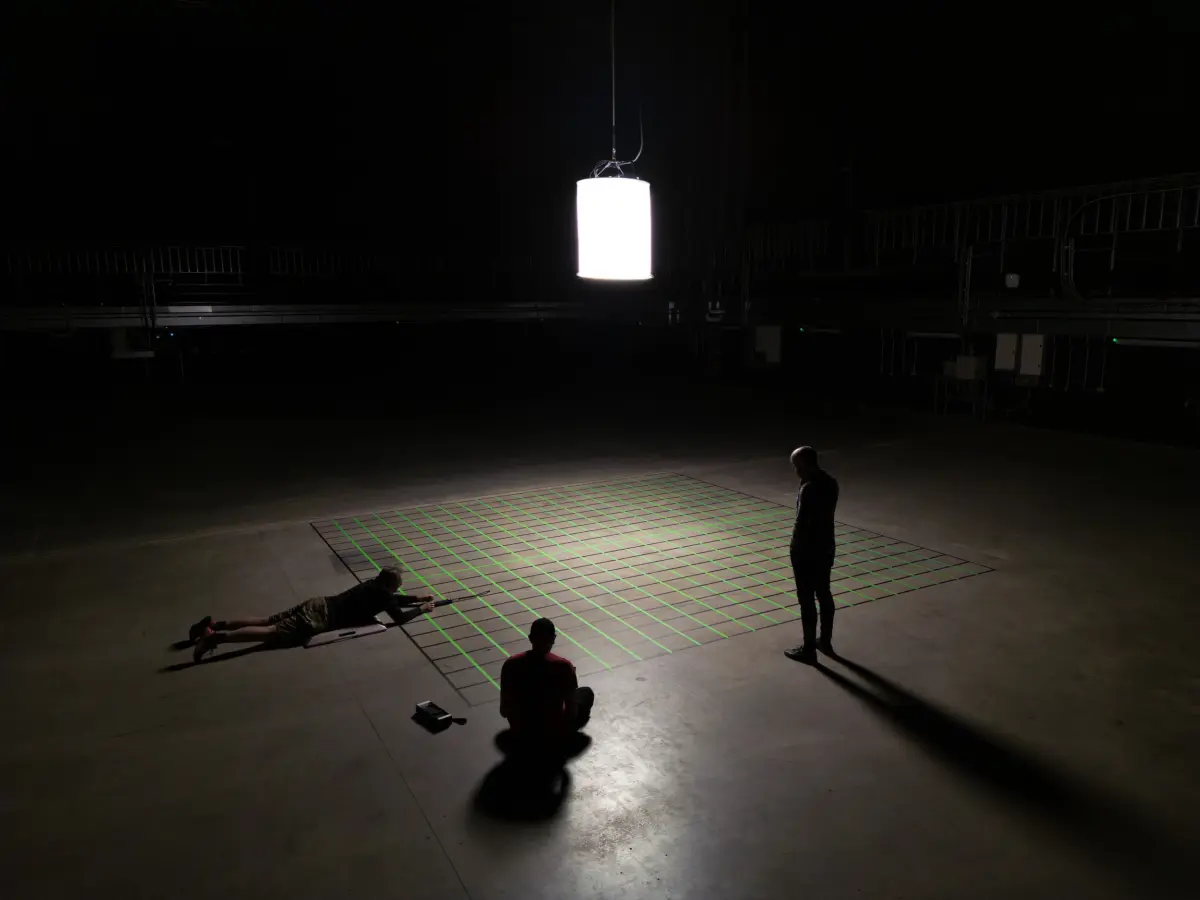
The Space Light Kit redistributes the intense, collimated beam of the Gemini 2×1 Hard, creating a highly uniform, soft-edged cone of light. This advanced diffusion design delivers a more gradual, natural falloff, allowing cinematographers to achieve seamless, edge-to-edge illumination across expansive sets.
Ergonomics and Rigging Versatility
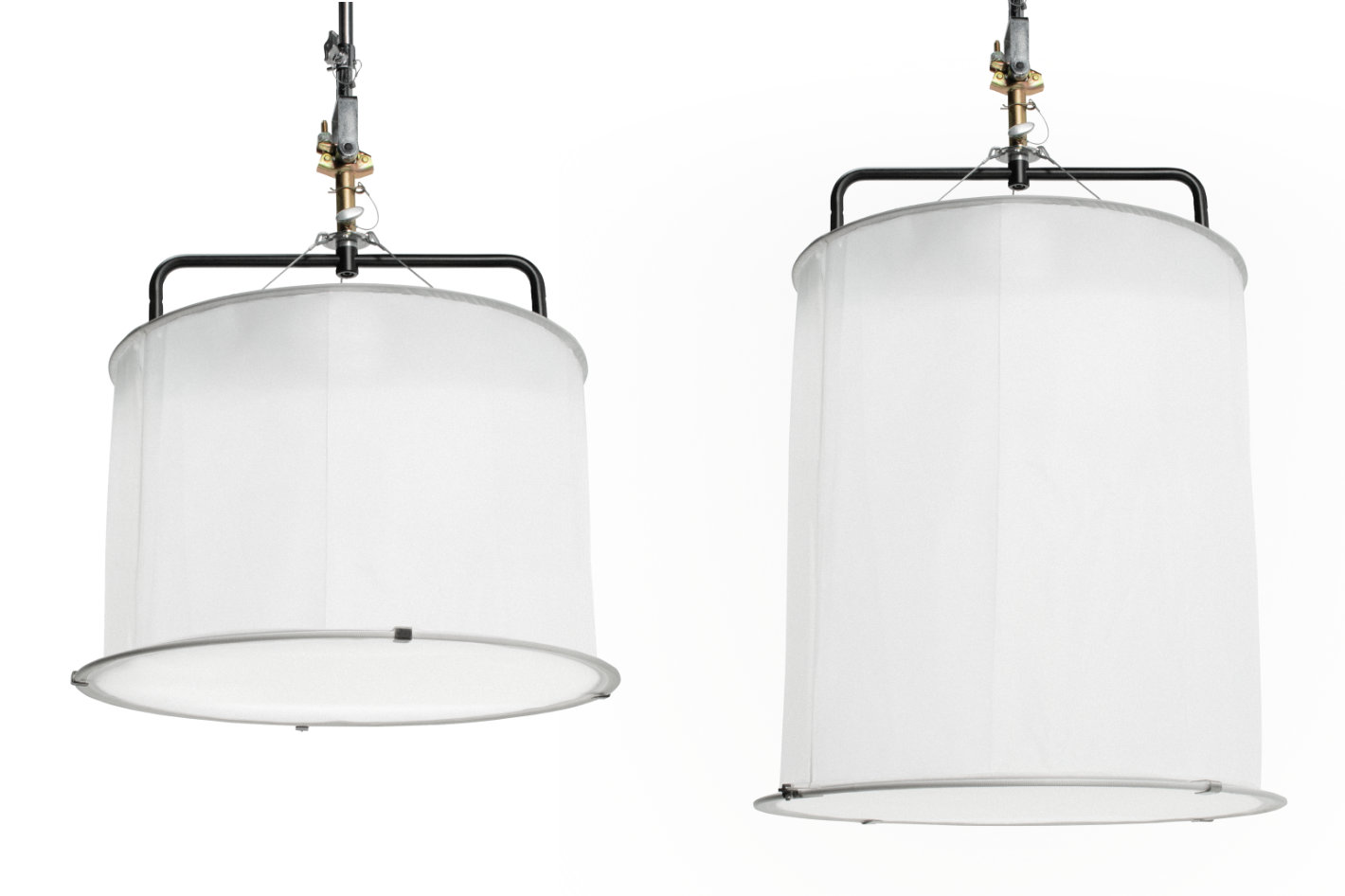
To accommodate the diverse structural realities of modern soundstages and location sets, Litepanels offers the Space Light Kit in two distinct configurations:
- The Long Version: Designed for high-clearance soundstages where maximum diffusion and a long, elegant vertical profile are required to shape the light’s lateral spill.
- The Short Version: Optimized for low-ceiling studios, mobile production trucks, or tight location setups where vertical clearance is at a premium but soft, even top-fill is still required.
Because the space light modifier is constructed from lightweight, highly durable fabrics and collapsible frames, it can be rigged, struck, and packed away in a fraction of the time required for bulky metal-framed tungsten fixtures. By keeping the studio floor free of heavy stands and thick cable runs, the overhead-rigged Space Light Kit significantly improves on-set safety and crew mobility.
Official Statements & Market Impact
According to product developers at Litepanels, the Space Light Kit was created to satisfy a direct demand from directors of photography and gaffers who wanted the output and color control of the Gemini series but needed the classic overhead footprint of a space light.
In a statement outlining the product’s core philosophy, Litepanels emphasized the elimination of the classic compromises associated with tungsten grids:
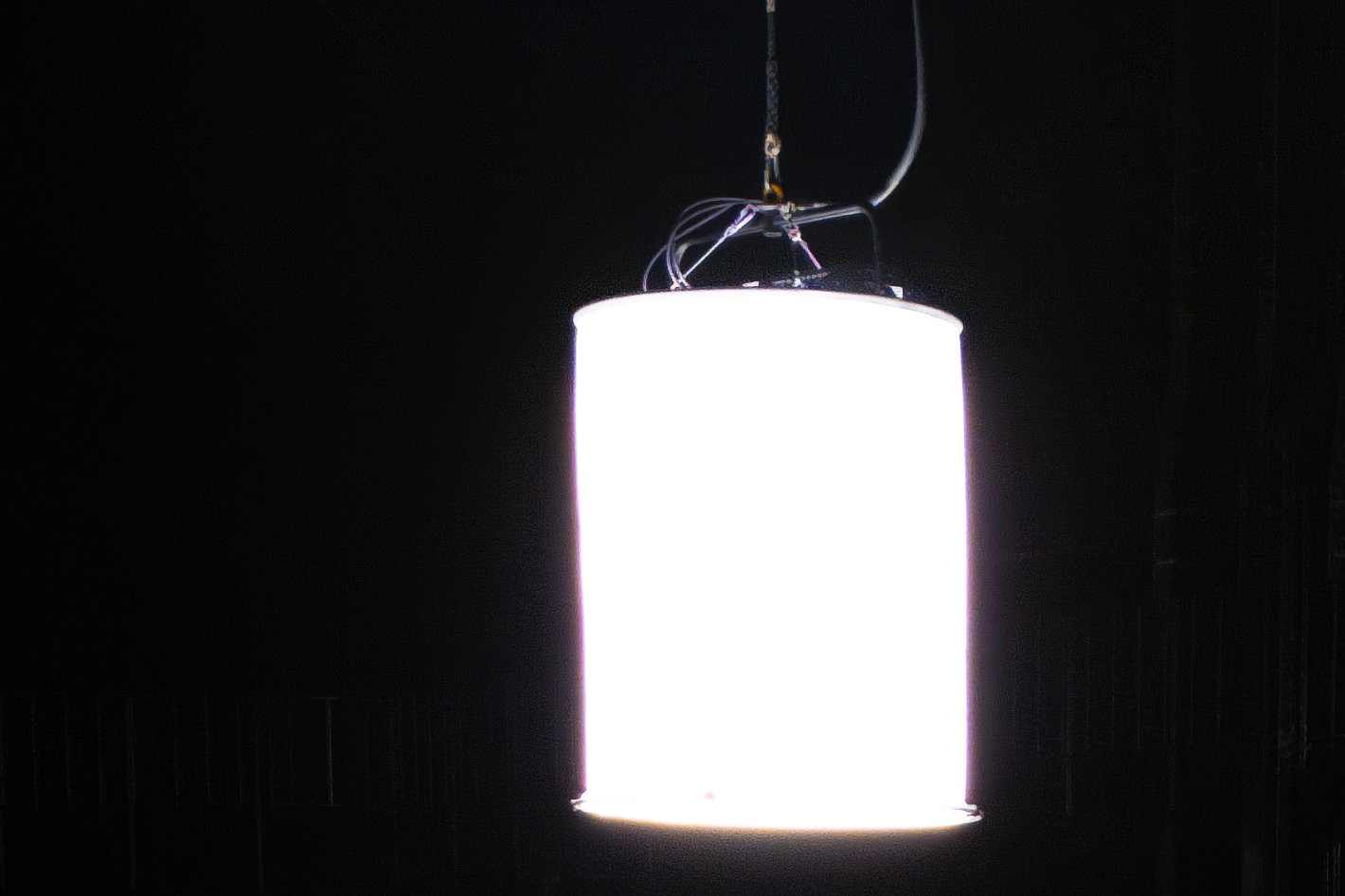
"When combined with the powerful Gemini 2×1 Hard, the Space Light Kit delivers beautiful, soft, directional top fill without the excessive heat or high power draw typically associated with tungsten fixtures. Unlike legacy incandescent spacelights, this pairing offers advanced RGBWW color control, giving cinematographers and lighting directors total flexibility for mood creation and precise CCT adjustments."
Industry Reception
Industry analysts note that this product launch targets a critical pain point for studio facilities managers. With utility costs rising globally and carbon-neutral mandates becoming standard among major studios (such as Disney, Netflix, and Warner Bros. Discovery), retrofitting stages with energy-efficient solutions is no longer optional.
For lighting directors, the integration of the Gemini’s RGBWW engine into a space light form factor is a game-changer. Historically, changing the mood of an entire set from "daylight corporate" to "moody twilight" required hours of physical labor to swap gels on overhead fixtures. With the Space Light Kit and Gemini 2×1 Hard, this transition can be executed instantly from a lighting console via wireless DMX (CRMX) or Ethernet, saving hours of costly production time.
Future Outlook: The Sustainable Stage
The launch of the Space Light Kit for the Gemini 2×1 Hard is a clear indicator of where the film and television lighting industry is headed. The era of the high-wattage, single-use tungsten fixture is rapidly drawing to a close.
[The Future of Studio Infrastructure]
  - 100% LED-driven grids
  - Zero-emission location sets
  - Dynamic, software-defined lighting environments
  - Real-time integration with Virtual Production (LED Volumes)
As we look toward the future, several trends will continue to drive the adoption of systems like the Gemini Space Light Kit:
1. Regulatory Phase-Outs of Incandescent Technology
Governments worldwide, particularly in the European Union and parts of North America, are implementing strict energy efficiency standards that effectively ban the manufacture and sale of high-wattage incandescent lamps. Productions will increasingly find themselves unable to source replacement bulbs for legacy tungsten fixtures, making LED transition kits an operational necessity.
2. Integration with Virtual Production and LED Volumes
In the era of virtual production and ICVFX (In-Camera Visual Effects), lighting must be dynamic and responsive. Traditional tungsten lights cannot change color or intensity rapidly enough to match the shifting virtual environments displayed on LED backdrops. The Gemini 2×1 Hard, equipped with the Space Light Kit, can be mapped directly to the virtual environment, allowing overhead ambient light to shift color and intensity in perfect synchronization with the digital world on screen.
3. The Push for "Green Filming"
Sustainability coordinators are now common members of film crews. Productions are actively audited for their environmental impact. By replacing 6kW tungsten units with 500W LED fixtures, productions can easily demonstrate massive reductions in their carbon footprint, helping them qualify for green production certifications and tax incentives.
Conclusion
With the release of the Space Light Kit for the Gemini 2×1 Hard, Litepanels has not just launched an accessory; they have provided a bridge between the classic, trusted lighting techniques of Hollywood’s golden age and the highly efficient, digitally controlled future of modern filmmaking. By delivering superior output, massive energy savings, and unparalleled creative control, this new kit is poised to become a staple of modern studio grids worldwide.