





Executive Overview
In a monumental development that has sent shockwaves through the global gaming community, Blizzard Entertainment has officially announced the return of one of the most revered and influential intellectual properties in science-fiction gaming history. Breaking a franchise dormancy that has lasted well over a decade, the publisher revealed during the opening ceremony of BlizzCon 2026 at the Anaheim Convention Center that a brand-new StarCraft game is currently in development, slated for an official release in 2030.
Rather than offering a predictable sequel or a remaster of previous real-time strategy (RTS) masterpieces, Blizzard is boldly steering the franchise into uncharted territory. Simply titled StarCraft, the upcoming release represents a massive genre shift for the legendary IP. It is being developed as an open-world, story-driven sci-fi shooter—a profound departure from the top-down tactical RTS mechanics that defined the original 1998 classic and its acclaimed 2010–2015 successor trilogy, StarCraft II.
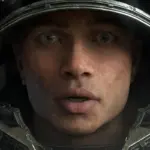
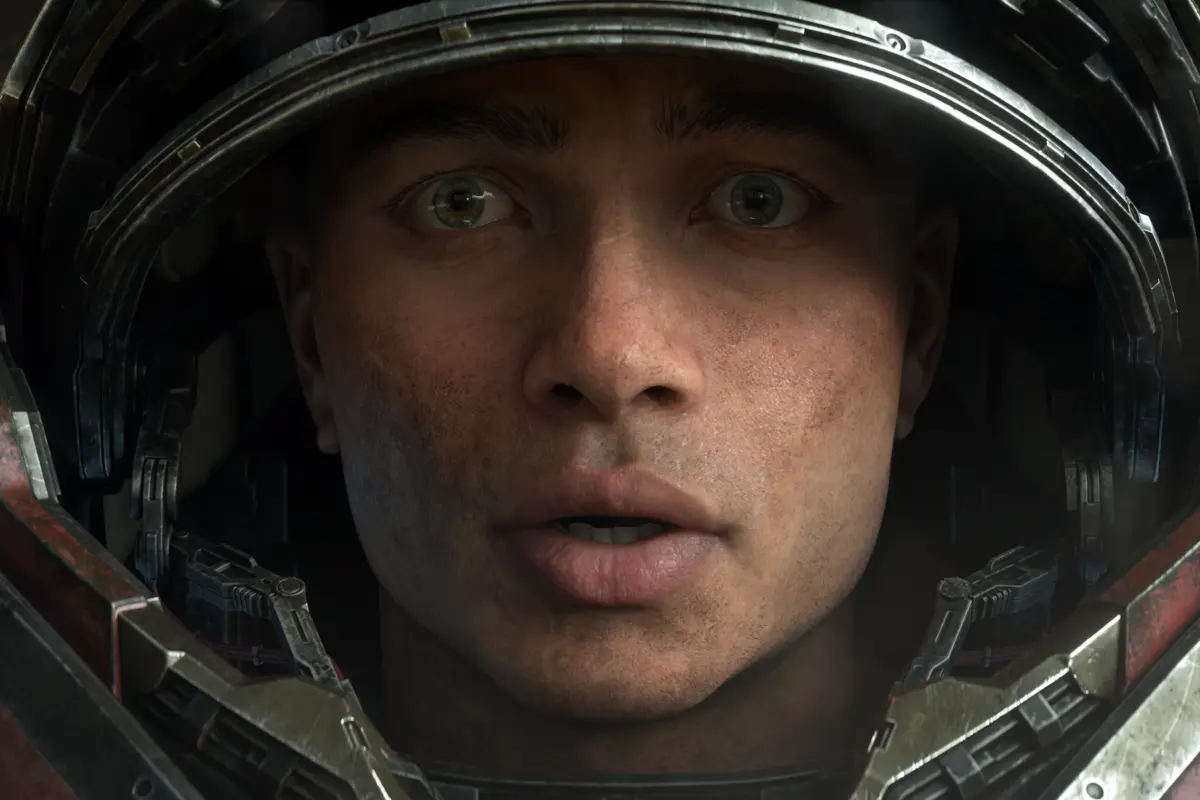
Set seventy years after the conclusion of StarCraft II: Legacy of the Void, the narrative drops players deep into a transformed Koprulu Sector. Helmed by veteran game director Dan Hay, the project is currently in its early developmental stages, yet Blizzard has already provided a tantalizing first look via a cinematic teaser trailer.
The timing of this announcement aligns with the triumphant return of BlizzCon itself. Returning to the Anaheim Convention Center as the first physical iteration of the fan festival since 2023, the event served as a major showcase for Blizzard’s future roadmap. Alongside the StarCraft reveal, the studio made several other high-profile announcements, including the confirmation of a Diablo animated television series currently in development at Netflix. As the gaming landscape evolves, Blizzard’s reinvention of StarCraft underscores a strategic push to modernize its crown-jewel franchises for contemporary hardware and shifting player preferences.
Detailed Chronology: From RTS Pioneers to the Open-World Frontier
To understand the magnitude of the 2030 StarCraft announcement, one must trace the storied history of a franchise that fundamentally shaped the competitive PC gaming market, esports, and the broader science-fiction genre.
The Genesis: 1998 and the Golden Age of RTS
When Blizzard Entertainment released the original StarCraft in March 1998, few could have predicted its cultural footprint. Set in the distant Koprulu Sector of the Milky Way galaxy, the game chronicled the interstellar struggle for dominance among three distinct factions: the Terrans (human exiles from Earth), the Zerg (a relentless, bio-engineered insectoid swarm), and the Protoss (an ancient, highly technological humanoid race possessing psionic powers).
Driven by meticulous balancing, deeply asymmetric factions, and a gripping space-opera narrative, StarCraft became a critical and commercial phenomenon. Its expansion, StarCraft: Brood War (released later that same year), cemented its status as a masterpiece of game design. In South Korea, the game transcended entertainment to become a genuine cultural touchstone, pioneering the modern esports industry through televised professional leagues that filled stadiums and captivated millions.
The Long Wait for StarCraft II
Fans spent over a decade clamoring for a continuation of the saga. That patience was rewarded when Blizzard launched StarCraft II: Wings of Liberty in 2010, the first installment in a planned trilogy. Wings of Liberty was followed by the Zerg-centric expansion Heart of the Swarm in 2013, and finally, the Protoss epic Legacy of the Void in 2015.
While StarCraft II modernized the engine, introduced physics-based graphics, and delivered a cinematic narrative that resolved the central conflicts involving the fallen Xel’Naga entity Amon, it also marked the end of an era. Following the release of Legacy of the Void and subsequent minor content updates (such as the "Nova Covert Ops" mission packs and cooperative commanders), Blizzard gradually scaled down active development on the franchise. By the late 2010s and early 2020s, the RTS genre had seen a contraction in mainstream commercial viability, leading many to believe that the StarCraft universe had been permanently shelved.
The Resurrection at BlizzCon 2026
Rumors and speculation regarding a revival circulated for years, fueled by industry job postings and corporate restructuring following Microsoft’s acquisition of Activision Blizzard. However, the speculation was definitively put to rest on Saturday at BlizzCon 2026.
During the keynote presentation, Blizzard leadership pulled back the curtain on the future of the company. The announcement of the new StarCraft game sent the crowd into a frenzy, marking the first mainline entry in the franchise in fifteen years. By opting for a 2030 release window, Blizzard is signaling a monumental, long-term development cycle, ensuring that the team under Dan Hay has the necessary resources and time to realize a fully immersive, AAA open-world sci-fi shooter experience.
Supporting Context & Metrics: Analyzing the Shift to Open-World Sci-Fi
The decision to transition StarCraft from a top-down strategy game to an open-world, story-driven sci-fi shooter represents a calculated risk and a reflection of contemporary gaming economics and player behavior.
Genre Evolution and Market Dynamics
Over the past two decades, the real-time strategy genre has seen a significant shift in market share. While RTS titles retain dedicated, passionate niche communities, open-world action-adventure games and story-driven first- or third-person shooters consistently dominate global sales charts, engage massive concurrent player bases, and drive long-term monetization through immersive live-service ecosystems.
By pivoting StarCraft into an open-world shooter, Blizzard is aligning the franchise with genres that appeal to a broader, contemporary audience. This mirrors similar historical transitions undertaken by other legendary IPs—such as Bethesda’s Fallout moving from isometric RPGs to first-person open-world epics, or Square Enix shifting traditional turn-based Final Fantasy entries into action-oriented spectacles.
Narrative Horizon: 70 Years Post-Legacy of the Void
Setting the new game seven decades after the events of Legacy of the Void is a brilliant narrative stroke. It honors the established lore and resolutions of Jim Raynor, Sarah Kerrigan, and Artanis, while liberating the writers from the baggage of past conflicts.
In this post-war Koprulu Sector, the political landscape, economic structures, and ecological balance would have shifted dramatically. The fall of the United Earth Directorate remnants, the splintering or integration of the Zerg Swarm under new leadership, and the technological renaissance of the Protoss all provide fertile ground for entirely new factions, mercenary groups, and planetary environments to explore.
An open-world format allows players to experience the scale of the Koprulu Sector firsthand—walking the gritty, neon-lit underworlds of Terran fringe colonies, navigating the bio-luminescent, terrifying nests of Zerg-infested worlds, or marveling at the decaying grandeur of ancient Protoss architectures from a ground-level perspective rather than from a bird’s-eye tactical view.
Official Statements and Leadership Vision
Blizzard Entertainment has been transparent about the early nature of the project while simultaneously emphasizing the high-caliber leadership driving the game’s development.
At the helm of the project is industry veteran Dan Hay, whose extensive background in leading massive open-world franchises brings immense credibility to the endeavor. In official statements released during the convention, Blizzard addressed the community regarding the state of development and the long-term vision for the IP:
"This is just the beginning," Blizzard Entertainment shared in a formal press briefing following the BlizzCon reveal. "Led by Dan Hay, ‘StarCraft’ is early in development, and we’ll have more to share over the coming years, including gameplay reveals, deep dives into the world, and more."
The emphasis on an extended runway of communication highlights a maturation in Blizzard’s marketing strategy. Having faced community friction in the past over premature announcements of titles that suffered lengthy development delays (such as Diablo IV or Overwatch 2), the studio is framing this 2030 horizon transparently. By planting the flag early, Blizzard is inviting fans on a multi-year journey of discovery, promising deep dives into the lore, environmental design, and mechanical philosophies of the upcoming shooter.
Future Outlook: A New Era for Blizzard Entertainment
The announcement of StarCraft in 2030 is more than just the revival of a single game; it is a centerpiece of Blizzard’s overarching revitalization strategy. The atmosphere at the Anaheim Convention Center reflected a company eager to reclaim its position at the pinnacle of AAA game development.
Synergy Across Media Platforms
Crucially, Blizzard’s announcements at BlizzCon 2026 demonstrated a multi-pronged approach to intellectual property expansion. Alongside the StarCraft video game reveal, the confirmation that a Diablo animated television series is currently in production at Netflix signals a concerted push into transmedia storytelling. By expanding its grimdark fantasy universe into prestige television, Blizzard is mirroring successful industry trends seen with franchises like Riot Games’ Arcane or CD Projekt Red’s Cyberpunk: Edgerunners.
As Variety prepares for on-the-ground coverage at BlizzCon on September 12–13, industry analysts and fans alike will be dissecting every scrap of information released about Blizzard’s flagship properties—including updates on World of Warcraft and Overwatch.
The Road to 2030
A 2030 release date means players have a long wait ahead, but the anticipation is bound to fuel intense speculation, concept art breakdowns, and lore discussions within the gaming community for years to come. Can Blizzard successfully translate the tactical depth, gritty aesthetic, and rich lore of StarCraft into an immersive open-world shooter?
If the initial teaser is any indication, the studio is willing to take bold creative risks to ensure that the Zerg, Terran, and Protoss are represented not just as units on a grid, but as living, breathing threats and allies in a vast, dangerous galaxy. As Dan Hay and his team embark on this ambitious development journey, one thing is certain: the Koprulu Sector is calling once again, and the gaming world is listening.