








By Christopher Tozzi, Technology Analyst
Executive Overview
In the modern digital landscape, the seamless operation of cloud computing, artificial intelligence (AI), streaming services, and global enterprise platforms relies on an invisible yet immensely powerful alliance. At the core of this ecosystem are two distinct pillars of digital infrastructure: data centers and telecommunications (telco) providers. Because they operate in such close physical and operational proximity, industry outsiders—and occasionally even technology professionals—frequently conflate the two.
However, mistaking a data center for a telecommunications provider obscures the fundamental mechanics of how modern networks are architected, scaled, and secured. Data centers are purpose-built fortresses designed to house, power, and cool the compute, storage, and networking hardware that processes the world’s data. Conversely, telecommunications providers are the architects of motion; they build, maintain, and operate the complex web of fiber-optic routes, wireless networks, and switching systems that transport data to, from, and between those computing environments.
As demand for computational power skyrockets—driven largely by the voracious resource appetites of generative AI models, hyperscale cloud migrations, and real-time edge processing—the relationship between data centers and telcos has evolved from a simple business vendor-client dynamic into a deep, highly strategic symbiosis. Understanding the distinct roles these two entities play, alongside the critical points where their operations intersect, is vital for enterprise architects, network planners, and digital strategists aiming to build resilient, high-performance IT infrastructures.
Detailed Chronology: The Evolution of Compute and Connectivity
To fully appreciate the current state of digital infrastructure, it is helpful to trace how data centers and telecommunications networks evolved from isolated systems into an integrated, globally distributed fabric.
The Era of Silos (Pre-1990s)
In the early decades of enterprise computing, mainframe environments and corporate server rooms were strictly self-contained. Mainframes sat within climate-controlled basements owned directly by individual enterprises. Telecommunications were dominated by monopolistic public switched telephone networks (PSTNs) primarily engineered for analog voice transmission. Data networking in this era was rudimentary, relying on dedicated copper leased lines that operated at low speeds. There was little need for specialized data centers or advanced carrier-neutral facilities because computing was centralized and batch-processed.
The Dot-Com Boom and the Rise of Colocation (Late 1990s – 2000s)
The commercialization of the internet and the explosion of dot-com startups fundamentally altered the compute landscape. Companies could no longer afford to maintain proprietary server rooms with the necessary uptime and bandwidth. This era gave birth to the commercial data center industry—specifically, colocation facilities. Operators began building large-scale, climate-controlled environments where multiple enterprises could rent rack space. Concurrently, competitive local exchange carriers (CLECs) emerged following telecommunications deregulation, laying vast quantities of fiber-optic cable. Data centers began positioning themselves near major telecommunications nodes to ensure their tenants had access to high-speed internet and private network connections.
The Hyperscale Revolution (2010s)
As consumer internet usage scaled exponentially and enterprises began migrating workloads away from on-premises servers, the "hyperscale" data center was born. Companies like Amazon Web Services (AWS), Microsoft Azure, and Google Cloud constructed massive, multi-megawatt facilities containing tens of thousands of servers. During this period, the boundary between software and telecommunications began to blur. Telcos started virtualizing their own network infrastructure, transitioning from proprietary hardware appliances to software-defined networking (SDN) and network functions virtualization (NFV). To run these software-driven networks efficiently, telcos increasingly began leasing space inside third-party colocation data centers, further intertwining the two industries.
The AI Era and Modern Interdependence (Present Day)
Today, we are witnessing a structural transformation driven by artificial intelligence, machine learning, and high-performance computing (HPC). Modern AI workloads require unprecedented densities of power and liquid cooling, forcing data center operators to completely rethink facility design. Simultaneously, the proliferation of edge computing demands ultra-low-latency network connectivity, pushing smaller micro-data centers closer to population centers and cell towers. In this current paradigm, a data center without robust, diverse telco connectivity is a digital island, while a modern telecommunications network cannot function without the distributed compute power housed within data center walls.
Inside the Modern Data Center
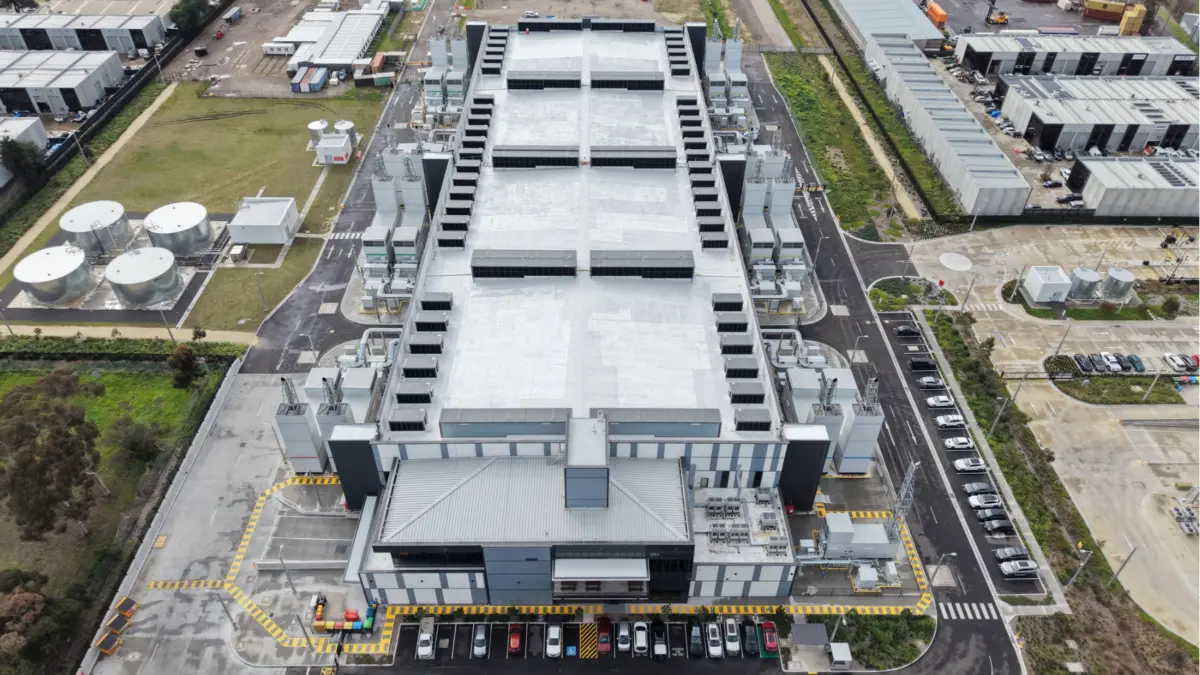
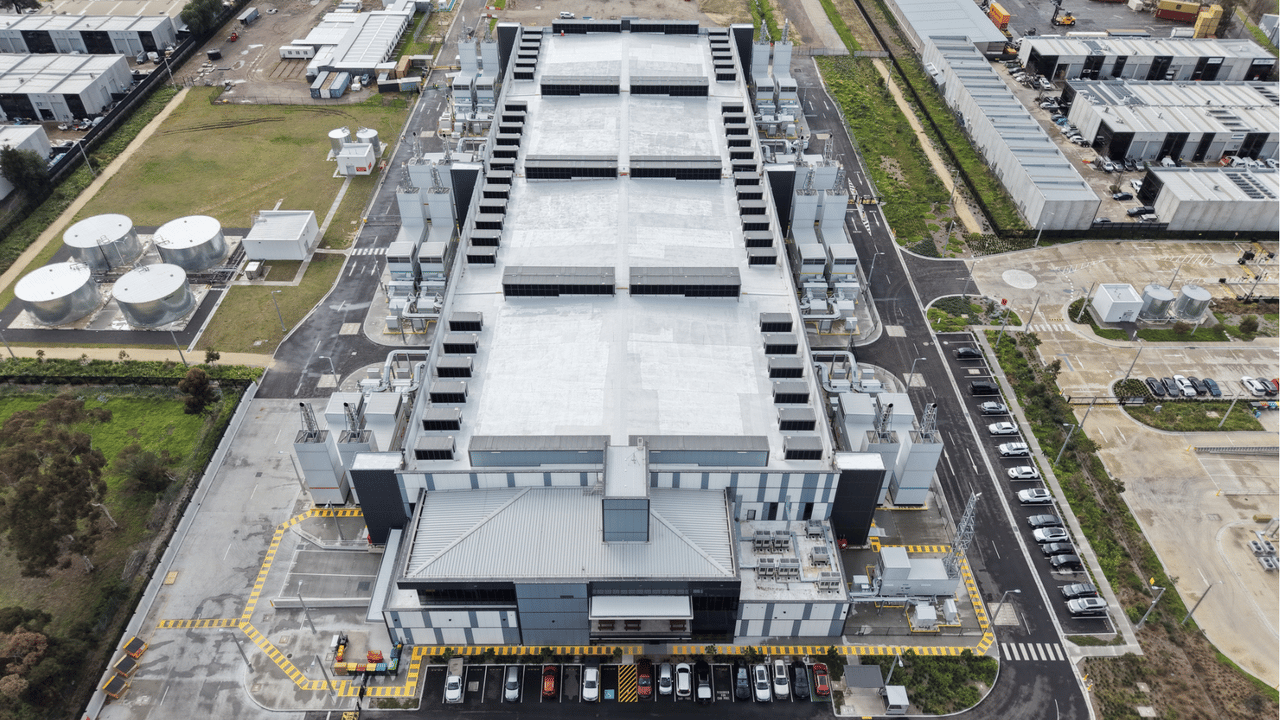
A data center is much more than a large warehouse filled with computers. It is an industrial-grade, mission-critical facility engineered from the ground up to ensure the uninterrupted availability, security, and performance of IT hardware.
Architectural and Engineering Marvels
Data centers range in scale from massive hyperscale campuses spanning hundreds of acres to smaller, enterprise-owned server rooms tucked inside multi-tenant office buildings. Regardless of footprint, every professional data center relies on a rigorous multi-layered infrastructure design:
- Redundant Power Systems: To guard against grid failures, data centers utilize multiple utility feeds backed by uninterruptible power supply (UPS) battery systems and massive diesel or natural gas generators capable of running continuous loads for days.
- Advanced Climate Control: High-density server deployments generate immense heat. Modern facilities employ sophisticated heating, ventilation, and air conditioning (HVAC) systems, hot/cold aisle containment, and increasingly, direct-to-chip liquid cooling technologies to maintain optimal operating temperatures.
- Environmental Protection: Early detection systems (such as VESDA—Very Early Smoke Detection Apparatus) and specialized, non-water-based fire suppression systems safeguard hardware from catastrophic damage.
- Multi-Tiered Security: Physical security is uncompromising, typically involving biometric access controls, Mantrap entry portals, 24/7 on-site security personnel, and comprehensive closed-circuit television (CCTV) monitoring. This is complemented by robust cybersecurity frameworks protecting the facility’s internal management networks.
Business Models in the Data Center Sector
Data center operators generally cater to different market segments through varied business models:
- Hyperscale Facilities: Built and operated by mega-cloud providers or specialized wholesale developers to run massive, centralized cloud ecosystems.
- Colocation Providers: Offer rented rack space, physical security, power, and cooling to enterprises that prefer to own their hardware without managing the underlying real estate.
- Managed Services Data Centers: Provide not just the facility and power, but also hardware provisioning, operating system management, and backup services.
Despite these differing business models, the core mission of every data center remains immutable: providing a resilient, secure, and hyper-efficient environment for operating IT workloads.
How Telcos Deliver Connectivity
While data centers focus on computing and storage, telecommunications providers are entirely dedicated to transit: moving data efficiently, securely, and at the speed of light between disparate endpoints.
Infrastructure of the Telecommunications Grid
Telcos build and operate the physical and logical veins of the global network. Their infrastructure spans several distinct layers:
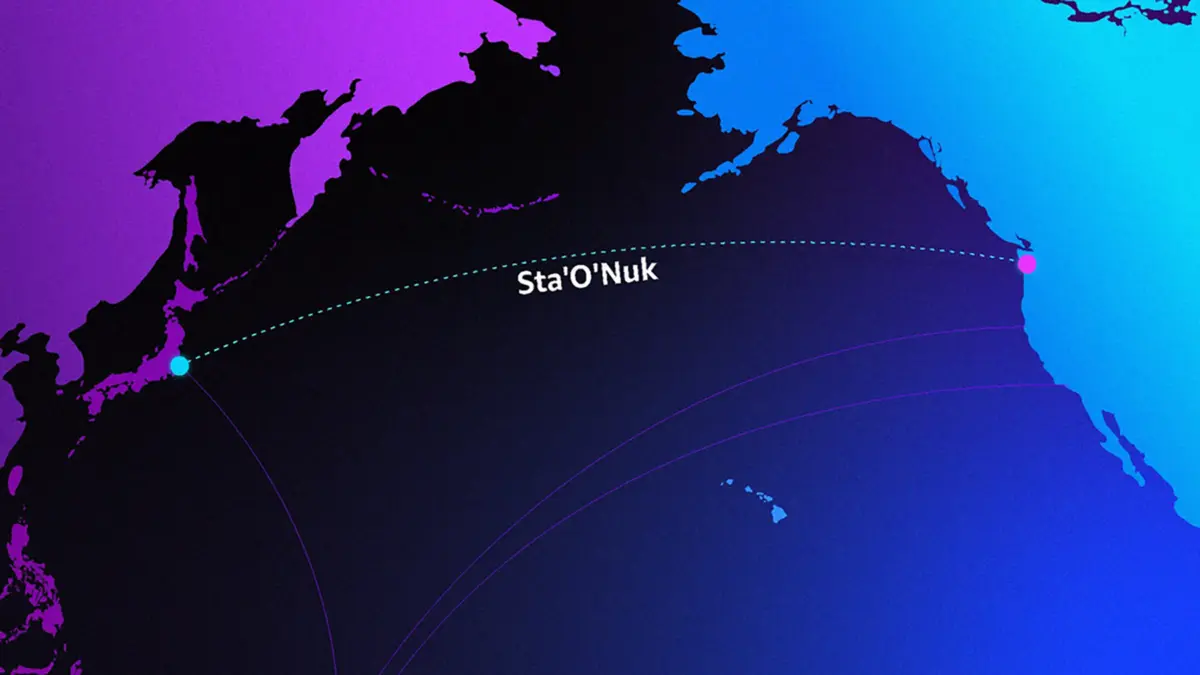
- Fiber-Optic Backbone Networks: Terrestrial and submarine fiber-optic cables form the high-capacity highways carrying massive volumes of data across continents and oceans.
- Switching and Routing Hardware: Enterprise-grade routers and optical transport gear direct traffic along the most efficient paths, minimizing latency and packet loss.
- Wireless and Mobile Networks: Cell towers, small cells, and 4G/5G core networks connect mobile users and IoT devices back into the wider wired infrastructure.
Services Offered by Telcos
Telecommunications providers serve a vast spectrum of clients, ranging from residential consumers to multinational corporations and wholesale carriers. Their service portfolios include:
- Dedicated Internet Access (DIA): High-speed, symmetric internet connectivity guaranteed for business environments.
- Private Lines and Multiprotocol Label Switching (MPLS): Secure, dedicated circuits linking corporate branch offices directly to enterprise data centers.
- Ethernet and SD-WAN Services: Flexible, software-managed networking solutions that intelligently route traffic across multiple public and private connections.
Data Centers vs. Telcos: Core Differences
To prevent strategic missteps in enterprise IT planning, decision-makers must clearly understand how data centers and telcos diverge in their primary functions, operational focus, and economic models.
| Metric / Attribute | Data Centers | Telecommunications Providers |
|---|---|---|
| Primary Mission | To securely house, power, cool, and run compute, storage, and networking hardware. | To transmit data reliably and rapidly between remote endpoints, networks, and geographic locations. |
| Core Assets | Real estate, commercial power feeds, backup generators, chillers, server racks, physical security. | Fiber-optic cables, cellular towers, routing switches, wireless spectrum, network operation centers (NOCs). |
| Primary Metric of Success | Uptime availability (e.g., "Five Nines" 99.999%), power usage effectiveness (PUE), thermal efficiency. | Latency, jitter, bandwidth throughput, packet delivery ratio, network resilience. |
| Regulatory & Compliance Focus | Environmental zoning, building codes, physical safety standards, SOC compliance, data privacy physical security. | Telecom regulations, spectrum licensing, public utility commissions, universal service obligations. |
Where They Intersect: The Interconnection Ecosystem
Although data centers and telcos are fundamentally separate entities, they exist in a state of absolute codependency. Neither can deliver standalone value to an end user without the other.
Data Centers Rely on Telco Connectivity
A data center’s value proposition is directly proportional to its connectivity options. A facility filled with state-of-the-art servers is useless if external users and branch offices cannot reach it. To solve this, modern data centers are engineered as carrier-neutral facilities.
Rather than relying on a single internet provider, a carrier-neutral data center houses a specialized space known as a Meet-Me Room (MMR). Inside the MMR, multiple telecommunications providers and internet service providers (ISPs) terminate their fiber lines. Enterprise tenants leasing space in the data center can easily cross-connect their equipment to any number of telcos, enabling diverse routing paths, redundancy, and optimized pricing.
Telcos Rely on Data Centers for Network Operations
Conversely, telecommunications providers are among the largest consumers of data center real estate. As telecommunications networks have shifted away from dedicated hardware toward software-driven architectures (such as Network Functions Virtualization and Software-Defined Networking), carriers require massive amounts of compute power to run their control planes, routing logic, and operational support systems (OSS).
Furthermore, with the rise of 5G and edge computing, telcos must deploy compute resources directly adjacent to network access points. Consequently, telecom operators routinely lease space within colocation data centers—or build their own edge facilities—to house the servers that power modern telecommunications services.
Supporting Context & Metrics: The Infrastructure Boom
The convergence of AI workloads and cloud expansion has ignited unprecedented capital expenditure across both the data center and telecommunications sectors. According to recent industry analytics:
- Global Data Center Market Size: Valued at over $250 billion globally, the data center real estate market is projected to grow at a compound annual growth rate (CAGR) exceeding 10% through the end of the decade, heavily fueled by demand for high-density AI infrastructure.
- Fiber Infrastructure Investments: Telecommunications providers are pouring billions into fiber-to-the-home (FTTH) and inter-data center dark fiber networks. The volume of data transmitted globally doubles approximately every three years, placing immense strain on existing backbones.
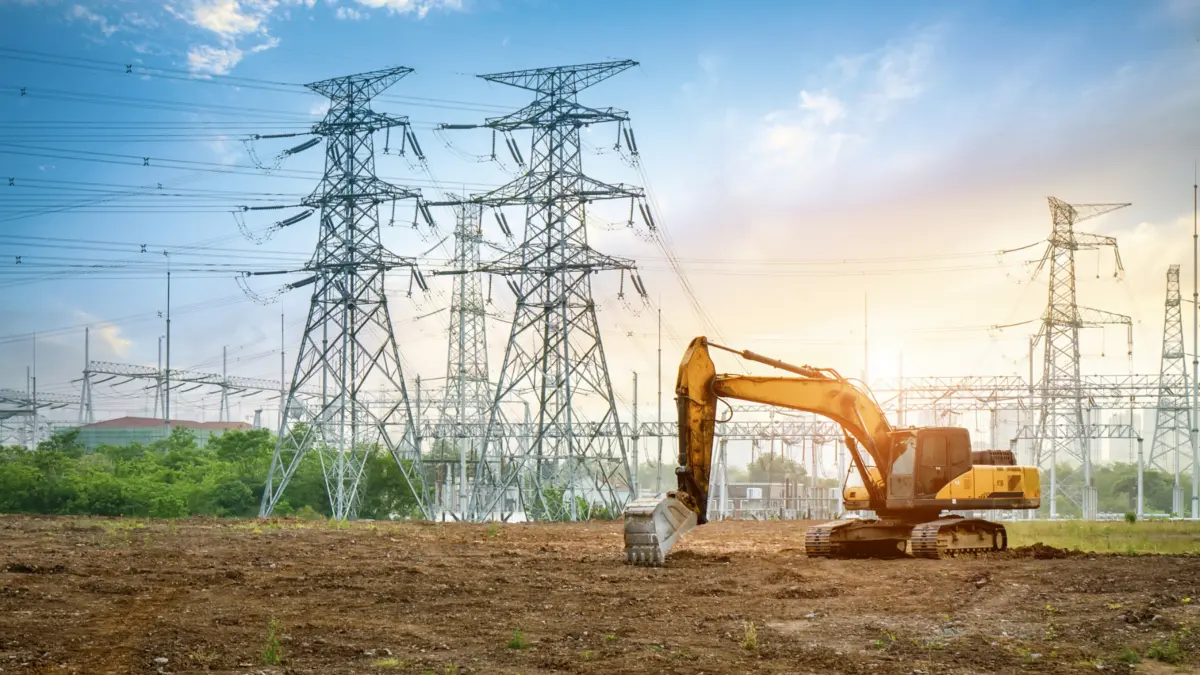
- Power Constraints: Modern AI-ready data centers frequently demand anywhere from 30 to over 100 megawatts of power per facility—equivalent to the electricity consumption of a small city. This has forced data center operators and telcos to collaborate closely with regional utility grids to secure reliable energy sources, often exploring nuclear, solar, and advanced battery storage integrations.
Future Outlook: The Next Decade of Digital Infrastructure
Looking ahead, the line separating data centers and telecommunications providers will continue to blur at the network edge.
The widespread adoption of edge computing requires computational power to exist physically close to where data is generated—whether that is an autonomous vehicle, a smart factory floor, or a dense urban neighborhood. This operational reality demands that data centers become smaller, more numerous, and deeply integrated into existing cellular and fiber distribution grids.
Simultaneously, innovations such as co-packaged optics (CPO)—which integrate optical transceivers directly onto silicon chips—promise to revolutionize how data moves both within servers and across long-distance fiber networks, potentially alleviating impending bandwidth bottlenecks.
For enterprise leaders, IT directors, and infrastructure planners, recognizing the distinct yet profoundly intertwined roles of data centers and telcos is no longer optional. Conflating these two pillars of the digital economy risks flawed system architecture and vulnerable networks. By understanding how hosting and connectivity intersect through advanced interconnection, organizations can design resilient, high-performance digital services capable of thriving in the AI era.