








Executive Overview
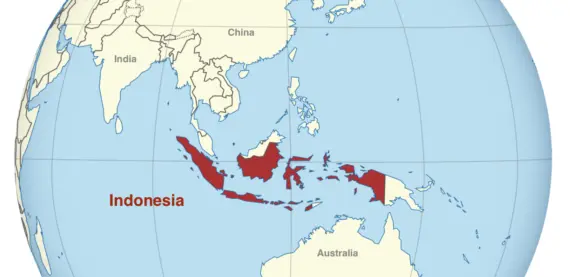
As the global digital economy recalibrates following years of macroeconomic volatility, supply chain shifts, and rapid technological adoption, Sub-Saharan Africa has emerged as a crucial frontier for retail expansion. At the epicenter of this continental transformation is Nigeria. According to United Nations demographic projections, Nigeria’s population stands at an estimated 242 million people, making it the largest nation in Africa and the sixth most populous worldwide, trailing only India (1.48 billion), China (1.41 billion), the United States (349 million), Indonesia (288 million), and Pakistan (259 million).
This massive population base is increasingly young, digitally connected, and urbanized, creating an unprecedented foundation for domestic retail and e-commerce expansion. Euromonitor International estimates Nigeria’s total retail sales—encompassing both online and offline channels—reached NGN 25.4 trillion (approximately $19.0 billion) in 2025. Within this broader retail ecosystem, digital commerce is carving out an increasingly dominant space. Euromonitor’s Retail E-Commerce in Nigeria report pegs retail e-commerce-only sales at NGN 492 billion ($368 million), representing a robust 29% year-over-year increase.
While these figures remain modest compared to mature Western markets—such as the United States, where total 2025 retail and e-commerce sales hit $5.3 trillion and $1.2 trillion, respectively—the velocity of Nigeria’s digital transition is drawing intense global interest. Notably, DHL’s 2026 E-Commerce Trends Report names Nigeria, alongside Türkiye and Malaysia, as standout markets that "consistently outperform the global average across all platforms" in expected e-commerce growth.
This in-depth market report explores the structural drivers of Nigeria’s retail and e-commerce evolution. By examining product demand, payment infrastructure, cross-border dynamics, regulatory frameworks, and competitive positioning, this analysis offers an authoritative blueprint for brands, logistics providers, fintech operators, and institutional investors looking to navigate Africa’s most dynamic consumer market.
Detailed Chronology: The Evolution of Nigeria’s Digital Market Infrastructure
To understand Nigeria’s current market posture in 2026, it is essential to trace the historical and regulatory milestones that shaped its modern commerce ecosystem over the preceding decade.
Phase I: The Cash-Dominant Era and the Rise of Pioneers (2010–2015)
The foundational era of Nigerian e-commerce was characterized by high infrastructural friction, pervasive cash usage, and nascent logistics networks. During the early 2010s, global venture capitalists recognized the immense potential of Africa’s untapped consumer markets. This period saw the launch of pan-African marketplace Jumia in 2012 (backed by Rocket Internet) and domestic competitor Konga in 2012.
These early players faced immense operational hurdles. Trust in online transactions was exceptionally low, forcing platforms to pioneer Cash-on-Delivery (COD) models. While COD successfully drove initial user acquisition, it introduced severe supply chain bottlenecks, high logistics return rates, and cash-handling security risks. Payment processing relied heavily on legacy banking rails, and internet penetration was constrained by high data costs and limited 3G infrastructure.
Phase II: Fintech Innovation and Infrastructure Upgrades (2016–2020)
As mobile broadband expanded and smartphone penetration deepened, the second phase of development focused on solving infrastructural bottlenecks—particularly digital payments and logistics. The Central Bank of Nigeria (CBN), alongside a wave of visionary local fintech entrepreneurs, catalyzed a revolution in instant payments.
The introduction of Nigeria Instant Payment (NIP) systems enabled instantaneous account-to-account (A2A) transfers. Simultaneously, the rise of fintech unicorns such as Flutterwave, Paystack, and OPay transformed the checkout experience. E-commerce platforms began shifting away from risky cash models toward digital-first transactions. However, this period also tested market resilience, marked by macroeconomic headwinds, currency devaluations, and foreign exchange shortages that strained import-dependent retailers.
Phase III: Regulatory Maturation and Cross-Border Integration (2021–2026)
Entering the mid-2020s, the Nigerian retail landscape matured significantly. The market witnessed a rationalization of players, with unprofitable business models pruned in favor of sustainable unit economics. Government bodies stepped in to formalize and regulate the digital economy.
Key milestones during this period included the implementation of targeted digital tax frameworks, updates to import tariff structures under the Economic Community of West African States (ECOWAS) framework, and the introduction of a $300 de minimis threshold in 2025 to streamline low-value cross-border shipments. By 2026, Nigeria’s e-commerce ecosystem had evolved from an experimental frontier market into a sophisticated, highly digitized trading hub characterized by multi-channel integration, diverse payment ecosystems, and cross-border consumer appetite.
Supporting Context & Metrics: Products, Platforms, and Payments
A granular examination of Nigeria’s 2026 retail landscape reveals specific consumer preferences, dominant corporate actors, and shifting payment habits that define the market.
Product Categories and Market Demand
Consumer spending in Nigeria’s e-commerce sector is concentrated in categories that benefit from digital discovery, urban lifestyle aspirations, and mobile-first shopping experiences. According to Euromonitor, the top three retail e-commerce categories in 2025 were:
- Beauty and Personal Care: Driven by a young, urban demographic, rising disposable incomes, and the massive cultural influence of Nigerian beauty creators and global cosmetic brands.
- Apparel and Footwear: Fueled by a vibrant domestic fashion industry, street culture, and the convenience of online sizing guides and social commerce integration.
- Wearable Electronics: Supported by expanding smartphone penetration, fitness tracking trends, and a growing consumer appetite for accessible tech accessories.
Competitive Landscape: Market Share and Dominance
The Nigerian e-commerce market exhibits a consolidated structure led by two primary operators who dominate the online retail space:
- Jumia: The pan-African e-commerce giant captured 54% of Nigeria’s retail e-commerce sales in 2025. Jumia’s enduring market leadership stems from its expansive logistics network (Jumia Logistics), localized marketing strategies, and successful pivot toward everyday consumer goods and grocery delivery.
- Konga: As Nigeria’s leading homegrown retail marketplace, Konga accounted for 16% of total e-commerce sales in 2025. Konga maintains a strong reputation for consumer trust, verified authentic electronics, enterprise corporate sales, and a hybrid online-offline retail footprint.
The remaining 30% of the market is fragmented among social commerce sellers operating via Instagram, WhatsApp, and TikTok, alongside niche independent webstores and specialized vertical marketplaces.
Payment Preferences: The Decline of Cash
One of the most profound shifts in Nigeria’s digital commerce evolution is the rapid displacement of physical cash by electronic payment methods. Worldpay’s global payment-processing data for 2025 underscores this transformation, outlining the distribution of Nigerian e-commerce transaction values:
| Payment Method | Share of Transaction Value (2025) |
|---|---|
| Account-to-Account (A2A) Payments | 44% |
| Debit Cards | 24% |
| Digital Wallets | 13% |
| Cash | 11% |
| Credit Cards | 3% |
| Prepaid Cards | 3% |
| Buy-Now, Pay-Later (BNPL) | 2% |
Account-to-account payments dominate the landscape at 44%, reflecting the unmatched efficiency and ubiquity of instant bank transfers facilitated by Nigeria’s advanced fintech infrastructure. Traditional debit cards remain highly relevant at 24%, while digital wallets (13%) and cash (11%) continue to serve specific segments of the population. Notably, Buy-Now, Pay-Later (BNPL) services captured 2% of the market, signaling an emerging financing tool for big-ticket purchases among middle-class consumers.
Cross-Border Trade and Regulatory Frameworks
Cross-border shopping is a defining characteristic of the modern Nigerian consumer. Despite currency fluctuations and logistical hurdles, Nigerian shoppers demonstrate an extraordinary appetite for international goods.
The Cross-Border Consumer Appetite
According to the DHL 2026 E-Commerce Trends Report, an overwhelming 69% of Nigerian respondents surveyed stated that they regularly purchase products from retailers located in other countries. This high propensity for cross-border trade is driven by a desire for product authenticity, access to specialized global brands, and variety that may not be fully satisfied by domestic retail inventories.
Regional Integration and Tariff Structures
Nigeria operates within the framework of the Economic Community of West African States (ECOWAS), a free-trade zone comprising 18 member countries. ECOWAS enforces a Common External Tariff (CET) applied to goods entering from outside the trade bloc. These base tariffs range from 5% to 35%, depending on the product category.
While Nigeria largely adheres to the ECOWAS base tariff schedule, the federal government applies supplementary levies to specific categories to protect domestic industries and discourage non-essential imports. These additional duties target:
- Alcoholic beverages
- Tobacco products
- Luxury goods
- Motor vehicles
Furthermore, a standard 7.5% Value-Added Tax (VAT) applies to most commercial categories. However, crucial exemptions are granted to protect lower-income households and strategic sectors, including basic food items, medical pharmaceuticals, educational materials, and agricultural inputs.
The De Minimis Threshold and Trade Portals
To streamline low-value imports and ease customs congestion, Nigeria introduced a $300 de minimis threshold in 2025. Under this policy, qualifying low-value imports valued below $300 are exempt from standard customs duties and import taxes. This exemption is capped at a maximum of four shipments per individual purchaser per calendar year, striking a balance between facilitating consumer access to global e-commerce and preventing commercial duty evasion.
Navigating Nigeria’s import and regulatory environment is supported by official digital infrastructure. The government-run Nigeria Trade Portal serves as a centralized repository for tariffs, regulatory permits, and customs documentation guidelines. Additionally, the Standards Organisation of Nigeria Conformity Assessment Programme (SONCAP) mandates rigorous product verification, laboratory testing, and certification for designated import categories to ensure consumer safety and product quality standards are met.
Official Statements and Industry Insights
Industry leaders and international institutions have increasingly highlighted Nigeria’s pivotal role in the future of global digital commerce.
In its introductory market assessment, the United Nations emphasized the macroeconomic implications of population scale, noting that "Nigeria’s demographic trajectory places it at the center of global consumer expansion over the coming decades, bridging economic potential with digital innovation."
Commenting on the unique velocity of emerging markets, the DHL E-Commerce Trends Report highlighted that emerging powerhouses like Nigeria "continue to defy macroeconomic headwinds, consistently outperforming the global average across all digital platforms. Retailers who fail to incorporate these high-growth regions into their global expansion roadmaps are missing out on the most dynamic consumer cohorts of the decade."
Fintech analysts at Worldpay pointed to the structural maturity of African financial rails, observing that "Nigeria’s rapid leapfrog past legacy card infrastructures directly into account-to-account and instant payment frameworks offers a masterclass in financial inclusion. The dominance of A2A payments at 44% proves that frictionless, bank-integrated digital rails are the ultimate catalyst for e-commerce conversion in fast-growing economies."
Future Outlook: Opportunities and Strategic Imperatives
As Nigeria looks toward the remainder of the decade, the trajectory of its retail and e-commerce sectors points toward accelerated maturation, technological integration, and structural evolution. Several key trends will dictate market success for stakeholders operating in the region.
1. The Consolidation of Omnichannel Retail
The artificial divide between online and offline retail in Nigeria is rapidly dissolving. Leading domestic players like Konga and traditional brick-and-mortar retail chains are increasingly adopting omnichannel strategies. Consumers demand the flexibility to research online, purchase via mobile devices, and pick up in-store or utilize hyper-local delivery. Brands that successfully bridge physical retail touchpoints with digital convenience will capture disproportionate market share.
2. Deepening Fintech Integration and Credit Expansion
While account-to-account payments currently dominate digital transactions, the next frontier for Nigerian fintech lies in embedded finance and consumer credit. With Buy-Now, Pay-Later (BNPL) currently representing just 2% of transaction value, there is massive headroom for growth. As credit-scoring models improve through alternative data sources—such as airtime usage, utility payments, and transaction history—BNPL and digital credit offerings will unlock higher-value purchases in electronics, home appliances, and travel.
3. Supply Chain Modernization and Hyper-Local Logistics
Logistics remains both the greatest challenge and the greatest differentiator in Nigerian e-commerce. Navigating urban congestion, addressing decentralized address systems, and reducing last-mile delivery costs require continuous technological innovation. Future investments will likely flow heavily into predictive inventory routing, micro-fulfillment centers situated within densely populated neighborhoods, and green mobility solutions for urban delivery fleets.
4. Regulatory Adaptation and Localized Manufacturing
As cross-border trade continues to flourish—bolstered by the $300 de minimis threshold and ECOWAS trade frameworks—the Nigerian government will simultaneously push for increased local value addition. Incentives for domestic manufacturing, particularly in beauty, apparel, and light consumer goods, will alter sourcing strategies for e-commerce platforms. International brands looking for sustainable long-term growth in Nigeria will increasingly need to explore localized partnerships, domestic assembly, or regional sourcing hubs within West Africa.
Conclusion
Nigeria’s digital commerce ecosystem in 2026 stands at a fascinating intersection of demographic scale, infrastructural innovation, and shifting consumer behavior. With a population of 242 million, an expanding middle class, a thriving digital payment architecture, and retail e-commerce sales charting double-digit growth, Nigeria is no longer merely a market of future promise—it is an active powerhouse driving the global e-commerce narrative. For retailers, logistics providers, and investors willing to navigate its regulatory nuances and operational complexities, Nigeria offers boundless opportunity for sustainable, high-yield expansion.