









Editor’s Note: The interview featured in this week’s Game Developer Podcast was recorded prior to the confirmation that Bit Reactor had furloughed approximately 80 percent of its workforce just ahead of the commercial release of Star Wars: Zero Company. For comprehensive coverage of these labor developments, readers can review our dedicated reporting or consult original investigations published by Game File.
Executive Overview
The video game industry is no stranger to paradoxes, but few recent events highlight the harrowing disconnect between creative triumph and corporate precarity quite like the launch of Star Wars: Zero Company. Developed by Bit Reactor—a studio established by esteemed industry veterans largely drawn from the XCOM lineage at Firaxis Games—the turn-based tactical title has arrived to widespread critical acclaim and fervent player engagement. Yet, this high-profile release is overshadowed by a stark, sobering reality: approximately 80 percent of the studio’s workforce was placed on furlough just before the game hit digital shelves.
This juxtaposition has cast a long shadow over what should have been a celebratory milestone. On one hand, Star Wars: Zero Company represents a masterclass in tactical game design, marrying the intricate mechanics of modern turn-based warfare with one of the most beloved intellectual properties in entertainment history. On the other hand, the mass furlough of creative talent underscores a systemic instability within the games sector, where major launches do not guarantee job security for the developers who brought them to life.
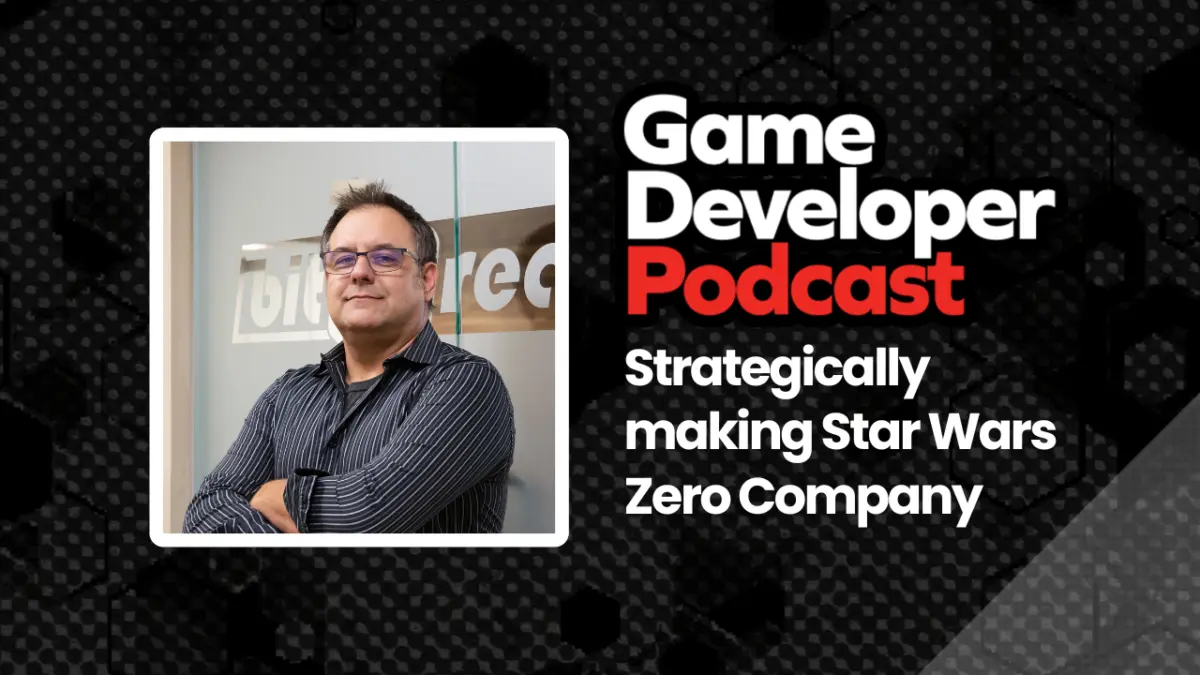
In this week’s special episode of the Game Developer Podcast, hosted by Bryant Francis, Bit Reactor CEO, co-founder, and creative director Greg Foertsch sat down to discuss the philosophies that shaped the game. From the meticulous crafting of dynamic in-game cameras to fostering an inclusive, cross-disciplinary development pipeline, and expressing a personal affinity for deep-cut Star Wars lore like the droid Huyang, Foertsch offered a masterclass in game direction. However, this conversation now serves as a bittersweet artifact, capturing the studio’s artistic ambitions at the exact moment its operational foundation was fracturing.
Detailed Chronology: From Firaxis Roots to Star Wars Ambitions
To understand the artistic DNA of Star Wars: Zero Company, one must trace the lineage of Bit Reactor back to its origins. Founded by alumni of Firaxis Games—creators of the legendary Civilization and modern XCOM revival series—Bit Reactor was built on a promise: to bring top-tier strategic depth and high-production values to genres traditionally underserved by major publishers.
The Visionaries Behind the Board
Greg Foertsch, whose visual and creative leadership helped define the distinct aesthetic and tactical tension of XCOM: Enemy Unknown (2012) and XCOM 2 (2016), envisioned Bit Reactor as an independent powerhouse capable of tackling AAA-licensed properties with indie-level agility and veteran-level precision. When the studio announced it was partnering with Lucasfilm Games and publisher Electronic Arts to develop a new Star Wars strategy game, expectations were justifiably stratospheric.
The pitch was simple yet ambitious: take the tense, chess-like positioning, risk-management, and high-stakes decision-making of the XCOM formula and translate it into a galaxy far, far away. Players would not step into the boots of space-faring wizards wielding lightsabers, but rather the gritty, ground-level operatives, mercenaries, and rebel cells trying to survive against overwhelming imperial odds.
Development Milestones and Creative Philosophies
During his appearance on the Game Developer Podcast, Foertsch detailed the grueling yet exhilarating multi-year journey of bringing Star Wars: Zero Company to life. Central to the studio’s philosophy was the reinvention of the strategic camera. Rather than treating the camera as a passive, detached observer—a common pitfall in top-down tactical games—Bit Reactor treated the perspective as an active cinematic participant. Every overwatch shot, missed blaster bolt, and triumphant execution was framed with the kinetic energy of a blockbuster film.
Furthermore, Foertsch emphasized the importance of a collaborative, permeable development process. At Bit Reactor, designers, animators, and engineers were actively encouraged to cross boundaries, injecting their individual passions into the broader narrative and mechanical framework. This inclusive culture explains why deep-cut lore references, such as the ancient lightsaber-crafting droid Huyang from The Clone Wars and Ahsoka, found a natural home within the game’s universe, resonating deeply with hardcore Star Wars aficionados.
The Looming Precipice
However, as development wound down and marketing campaigns ramped up, internal pressures at the studio reached a boiling point. While executive leadership and external stakeholders prepared for a high-visibility product launch, the economic realities of modern game development caught up with the studio. In the weeks preceding the public release of Star Wars: Zero Company, leadership delivered devastating news to the team: approximately 80 percent of the studio’s employees were to be furloughed indefinitely, leaving a skeleton crew to manage the critical launch window.
Supporting Context & Metrics: The Anatomy of a Modern Launch Crisis
The plight of Bit Reactor does not occur in a vacuum; it is part of a broader, deeply concerning macroeconomic trend sweeping the interactive entertainment industry. Over the past three years, tens of thousands of video game developers have faced layoffs, studio closures, and sudden restructuring initiatives, even as global gaming revenue continues to break records.
The Cost of AAA-Scale Ambition
Developing games within established, high-profile intellectual properties like Star Wars carries immense financial and operational burdens. Publishers demand AAA fidelity, cutting-edge optimization, and seamless execution, often within rigid budgetary constraints and immovable launch windows. For a mid-sized independent studio like Bit Reactor, meeting these demands requires scaling up headcounts rapidly during peak production phases.
| Phase | Studio Focus | Operational Reality | Workforce Impact |
|---|---|---|---|
| Pre-Production | Conceptualization, engine tuning, pitching to licensors | Lean core team of industry veterans | Stable, highly specialized |
| Full Production | Content scaling, asset creation, systems integration | Massive hiring surge to meet milestone deadlines | Rapid expansion (High Headcount) |
| Post-Gold / Launch | Final polish, platform certification, live-ops setup | Sudden budget contraction and revenue dependence | Severe retrenchment (Furloughs/Layoffs) |
As illustrated above, the economic model of modern game publishing frequently relies on a "boom-and-bust" labor cycle. Studios ramp up to hundreds of employees during peak production, only to cast them aside the moment a game ships, transferring the financial risk of post-launch stabilization onto the backs of the labor force.
Critical Reception vs. Corporate Precariousness
The tragedy of the Bit Reactor situation is magnified by the game’s actual market reception. Star Wars: Zero Company has been met with widespread acclaim from critics and players alike, holding strong review scores and dominating community discussions across social media and gaming forums.
- Gameplay Innovation: Reviewers have praised the title’s fluid movement systems, tactical verticality, and faithful adaptation of turn-based mechanics to the Star Wars universe.
- Narrative Integration: The integration of lesser-known canon elements has earned the writing team high marks for authenticity and respect for the source material.
- Technical Performance: Despite the studio’s internal turmoil, the game launched in a remarkably polished state, a testament to the rigorous dedication of the developers who worked right up until the edge of their furloughs.
Despite these glowing metrics, consumer sales and critical praise rarely translate into immediate job security for rank-and-file developers under current industry structures. The revenue generated by Star Wars: Zero Company must first satisfy publisher recoupment schedules, marketing expenditures, and investor returns before trickling down—if at all—to the creative workers who built the product.
Official Statements and Industry Reactions
As news of the furloughs broke, the broader game development community reacted with swift condemnation, sorrow, and fierce solidarity with the affected Bit Reactor staff.
The Silence of the Stakeholders
While corporate entities often issue carefully polished PR statements celebrating a successful launch, public communication regarding the Bit Reactor furloughs has been notably restrained. Neither parent companies nor publishing partners have provided a transparent roadmap detailing whether the furloughed workers will be recalled once launch revenues are tabulated, or if these temporary measures will permanently dissolve the studio’s core talent pool.
Labor Advocacy and Industry Solidarity
Prominent figures within the independent development scene have used platforms like the Game Developer Podcast and social media to highlight the urgent need for structural reform. Industry advocates argue that the traditional publisher-developer contract must evolve to protect workers from absorbing the brunt of corporate financial recalculations.
"We celebrate the art, but we must protect the artisans," noted one anonymous senior developer during a recent industry roundtable discussion. "When a game like Star Wars: Zero Company receives universal praise, the first question asked by the community should not be, ‘Where are the developers who made it?’ Yet, time and time again, we find that the people responsible for the magic are the ones discarded the moment the ink dries on the gold master."
Future Outlook: What Lies Ahead for Bit Reactor and Tactical Gaming?
The immediate future for the remaining staff at Bit Reactor—and the 80 percent currently navigating uncertainty—remains precarious. While Star Wars: Zero Company is positioned to remain a commercial and critical success for months to come, the human cost of its creation casts a long shadow over its legacy.
Can Strategic Genres Survive the Crunch?
The success of Star Wars: Zero Company proves definitively that there is a voracious, underserved appetite for deep, tactical strategy games set within blockbuster universes. Fans have proven willing to embrace complex mechanics, challenging difficulty curves, and deliberate pacing if the production values match the pedigree of the developers.
However, the sustainability of studios producing these games is under grave threat. If veteran-led teams like Bit Reactor—outfits with decades of collective experience and proven track records—cannot secure stable employment models for their staff through a successful AAA launch, the long-term viability of mid-sized independent development studios comes into serious question.
Lessons for the Industry
As the games industry moves forward through a period of intense economic correction, the events surrounding Bit Reactor serve as both a warning and a call to action:
- Transparency in Publishing: Publishers must be held accountable for clear communication regarding post-launch staffing plans and financial protections for contracted or independent studio workers.
- Sustainable Production Pipelines: Studios must transition away from the unsustainable "hire-and-fire" cycle that treats human capital as a disposable commodity utilized solely for milestone delivery.
- Amplifying Worker Voices: Podcasts and media outlets must continue to bridge the gap between celebrating creative achievements and exposing the systemic labor issues that underwrite modern entertainment.
For now, players diving into Star Wars: Zero Company are experiencing a brilliant tactical journey crafted by some of the industry’s finest minds. But as they execute overwatch maneuvers and command their squads across the galaxy, they do so with the sobering knowledge that the very people who engineered these triumphs are fighting for their livelihoods off-screen.
About the Game Developer Podcast
The Game Developer Podcast is a bi-weekly audio series chronicling the triumphs, catastrophes, and intricate realities of video game development. By sharing candid interviews, hard-earned lessons, and practical strategies, the podcast empowers fellow developers to hone their craft and navigate the volatile landscape of interactive entertainment.
- Host: Bryant Francis
- Editor: Pierre Landriau
- Original Music: Mike Meehan
To listen to the complete interview with Bit Reactor creative director Greg Foertsch—recorded prior to the studio’s workforce reduction—check out the embedded episode above or visit the official Game Developer network channels.