











Executive Overview
As the retail landscape approaches the final quarter of the year, ecommerce content marketers face a familiar yet rapidly shifting challenge: cutting through the digital noise of the holiday shopping season while building authentic, sustained connections with consumers. Content marketing fundamentally operates on the principle of reciprocity. Before a merchant can reasonably ask for a shopper’s attention, trust, or hard-earned capital, they must first provide something genuinely valuable, informative, or entertaining.
For October 2026, achieving this balance requires a nuanced blend of nostalgia, community engagement, technological critique, and real-time cultural agility. This month offers a remarkably diverse slate of content opportunities. From the century-old literary milestone of Winnie-the-Pooh to a massive multi-billion-dollar Halloween retail market, marketers have ample playground material. Furthermore, the modern content strategist must grapple with the saturation of generative artificial intelligence (AI), utilizing human expertise and user-generated content (UGC) as authentic countermeasures. By anchoring strategies in American Archives Month and maintaining sharp agility for breaking news hooks, ecommerce brands can move past transactional marketing and build lasting brand equity.
Detailed Chronology of October 2026 Content Milestones
To successfully execute a month-long content strategy, digital marketers must map out key thematic dates and cultural touchstones well in advance. October 2026 features a distinct timeline of events that can dictate editorial calendars, product launches, and social media campaigns.
[October 1] ── Launch of American Archives Month & Seasonal Chores Campaigns
     │
[October 14] ── Winnie-the-Pooh Centennial Anniversary (100 Years)
     │
[Mid-October] ── Peak Halloween UGC Submissions & "AI vs. Expert" Tutorials
     │
[Dynamic] ── Real-time News Hook Integration (e.g., Tech & Pop Culture Trends)
     │
[October 31] ── Culmination of Halloween Shopping & Retention Push
Early October: Archives and Autumnal Transitions
The month begins with the nationwide observance of American Archives Month, providing an immediate hook for brands to examine their corporate histories, long-standing industry trajectories, or the evolutionary history of their core product categories. Simultaneously, the drastic shift in weather forces consumers into seasonal behavioral changes—winterizing homes, overhauling wardrobes, and preparing vehicles for colder months. This period serves as the optimal launch window for "AI versus Expert" tutorial series, establishing authority before peak shopping frenzies begin.
Mid-October: The Pooh Centennial and Halloween Surge
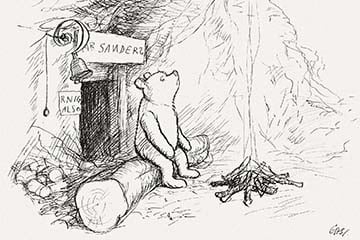
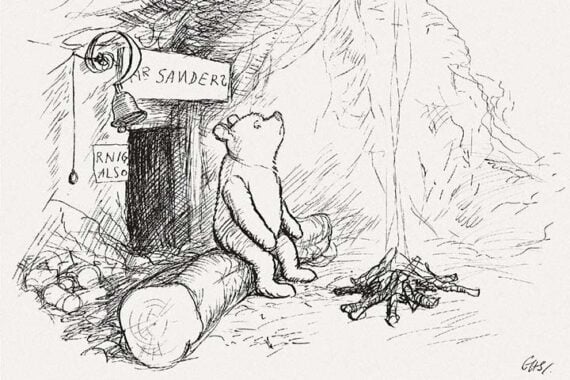
On October 14, 1926, A.A. Milne’s beloved creation Winnie-the-Pooh officially debuted in the United States and Britain. Exactly a century later, the centennial anniversary provides an expansive cultural narrative canvas. Concurrently, mid-October marks the acceleration of the Halloween consumer cycle. Retailers must shift focus toward aggregating user-generated content (UGC), crowdsourcing customer costumes, festive baking creations, and pet photography to build social proof before the end of the month.
Ongoing: Real-Time News Agility
Throughout October, the underlying mandate for any sophisticated content team is continuous real-time monitoring. Cultural figures, tech luminaries, and breaking global headlines present unexpected opportunities—news hooks—that can instantly connect an otherwise unrelated product catalog to the cultural zeitgeist.
Supporting Context & Metrics: The Modern Content Landscape
Understanding the macroeconomic and technological environment in which October 2026 campaigns will run is critical for maximizing ROI. Modern consumers are navigating a digital ecosystem flooded with synthetic media, forcing a radical re-evaluation of trust, authenticity, and media literacy.
The Halloween Economic Engine
Halloween is no longer a minor holiday for children; it is a massive economic driver in the United States, valued at over $13 billion. While candy and costumes capture the lion’s share of consumer expenditure, decorations, themed entertainment, and the pet costume market account for billions more. This broad spending behavior means non-traditional retailers—such as kitchenware brands, pet supply stores, and home decor shops—can successfully capture seasonal revenue if they frame their products creatively.
The Rise of Synthetic Fatigue and UGC Value
Generative AI has democratized content creation, making polished text, images, and video cheap and endlessly abundant. However, this ubiquity has created a side effect: consumer skepticism. AI-generated assets cannot prove that real, living humans actually use, test, and enjoy a product.
User-Generated Content (UGC) fills this trust gap. Authentic customer photographs, unscripted video reviews, and organic social media posts provide empirical evidence of product value that synthetic media simply cannot replicate. Major technology platforms have codified this distinction into their core algorithms and interface designs:
- Pinterest: Actively labels AI-generated images and empowers users to filter out synthetic content in specific recommendation categories.
- TikTok & Meta: Have implemented aggressive watermarking, metadata tracking, and labeling protocols to clearly identify AI-generated or manipulated media in user feeds.
For ecommerce brands, collecting and showcasing authentic customer content in October is not merely an aesthetic choice—it is a vital trust-building mechanism in an era of digital skepticism.
Strategic Deep-Dive: Five Content Marketing Playbooks
1. Pooh at 100: A Century of Childhood and Comfort
A.A. Milne’s Winnie-the-Pooh remains an irreplaceable fixture of global literature and popular culture. Major publishers are marking the centennial with commemorative editions, museum retrospectives, and luxury collector releases.

While traditional bookstores and toy shops have an obvious connection to this milestone, the anniversary offers broad narrative avenues for unexpected verticals:
- Food & Beverage Brands: Can explore the historical and cultural significance of honey, historical recipes from the 1920s, or afternoon tea traditions.
- Home & Lifestyle Merchants: Can lean into themes of hygge, cozy bedroom aesthetics, rustic woodland decor, and mindfulness.
- Apparel & Gift Retailers: Can curate vintage-styled collections that evoke childhood nostalgia and timeless friendship.
2. Halloween UGC Campaigns: Escaping the AI Echo Chamber
Combating synthetic fatigue during the $13 billion Halloween shopping season requires turning passive shoppers into active brand advocates. Retailers should launch structured UGC campaigns inviting customers to submit photographs and videos featuring products in action:
- Kitchen Merchants: Collect user-submitted photos of terrifyingly creative cakes, spectral cookies, and haunted charcuterie boards.
- Apparel Sellers: Feature customer-created costumes, thrifted combinations, and DIY cosplay elements styled with the brand’s base garments.
- Pet Supply Shops: Invite shoppers to submit pictures of dogs, cats, and small animals dressed in festive holiday wear.
The best submissions can be repurposed into comprehensive blog roundups, high-converting email newsletters, interactive product-page galleries, or a gamified Halloween photo contest.
3. AI Versus the Expert: Establishing Authority in Seasonal Maintenance
October triggers essential seasonal chores: winterizing HVAC systems, preparing vehicles for freezing temperatures, storing patio furniture, and planning complex holiday menus.

Instead of relying purely on standard blog posts, brands can run an investigative series pitting popular AI assistants (such as ChatGPT, Claude, and Gemini) against verified human subject-matter experts.
- The Process: Prompt an AI assistant for a comprehensive guide on a seasonal task related to your niche (e.g., "How do I prep my lawn for the first hard frost?"). Then, hand that output to a certified master gardener or professional landscaper. Ask them to audit the response, highlight where the AI hallucinated or gave dangerous advice, and demonstrate a superior, real-world methodology.
- The Benefit: This format positions the brand as transparent, deeply knowledgeable, and dedicated to practical, field-tested results rather than quick, automated content generation.
4. American Archives Month: Mining Corporate History
Observed every October, American Archives Month celebrates the preservation of historical documents, photographs, and artifacts. Ecommerce brands—even relatively young ones—sit on a treasure trove of digital and physical archives that can be repurposed into captivating narrative content.
- Long-standing Retailers: Can showcase how product designs, packaging, and brand ethos have transformed over decades.
- Modern Merchants: Can build archives documenting industry milestones, tracing the evolution of essential tools (such as the transformation of cast-iron cookware over the last twenty years) or highlighting technological leaps within their niche.
Old catalogs, out-of-print instruction manuals, and early founder memos create fascinating historical deep-dives that build brand heritage and long-term customer loyalty.
5. Riding the Real-Time News Hook
Agility is the ultimate competitive advantage in content marketing. A timely news hook can instantly elevate a brand’s visibility by attaching its messaging to ongoing cultural conversations.
For example, when tech luminary Elon Musk posted on X (formerly Twitter) predicting that "AI will be able to do anything digital (that doesn’t require shaping atoms) at a superhuman level by the end of next year," it sparked intense global debate. A clever niche ecommerce merchant—in this case, Science Fiction Classics, a retailer selling themed apparel—immediately capitalized on the discourse. They published an in-depth editorial examining how classic science fiction literature had predicted precisely this technological milestone decades prior, tying a breaking news event directly back to their niche product catalog.
Ecommerce content teams cannot predict exact headlines in advance, but they can establish rapid-response protocols. By closely monitoring industry news, cultural figures, and trending topics relevant to their customer base, content marketers can pivot instantly when a strong cultural bridge emerges.
Future Outlook: The Evolution of Ecommerce Content
As we look past October 2026 toward the future of digital commerce, the line between automated efficiency and human authenticity will continue to define winning marketing strategies. The explosion of generative AI tools has not rendered human creativity obsolete; rather, it has raised the baseline expectations of consumers.
In the coming years, successful ecommerce brands will move away from high-volume, low-effort keyword stuffing. Instead, they will invest heavily in verifiable human expertise, proprietary brand heritage (archives), and hyper-engaged community networks (UGC). Platforms will continue to prioritize transparency, rewarding content that demonstrates lived experience and real-world utility. By embracing the five strategic pillars outlined for October 2026—nostalgia, community-driven social proof, rigorous expert validation, historical storytelling, and real-time agility—brands can build a resilient, future-proof content marketing engine that thrives regardless of algorithmic shifts.