In the sprawling landscape of digital archaeology, few events match the seismic impact of an unsealed vault containing the foundational building blocks of modern PC gaming. Over a single weekend, a massive data repository—colloquially dubbed the "Steam2 teraleak"—surged across BitTorrent networks, carrying over 12 terabytes of content spanning a decade of Valve Corporation’s digital distribution ecosystem. Encompassing thousands of distinct application "depots," the archive contains build versions, pre-release prototypes, internal playtests, and cut assets for virtually every game hosted on Steam between 2003 and 2013.
While gaming history enthusiasts and data miners have spent years piecing together fragments of cancelled projects, unreleased expansions, and early concepts, this leak provides a raw, unfiltered cross-section of an industry in transition. More importantly, security analysts and data-mining experts have confirmed that the repository was not secured through nefarious or exotic cyber-espionage techniques; rather, it was extracted directly from a publicly accessible API endpoint native to Valve’s legacy server architecture.
As the gaming community sifts through the terabytes of long-lost builds, the leak has opened a Pandora’s box of nostalgic discoveries, ranging from cut Portal 2 dialogue and alternate mechanics to long-sought asset files for unreleased projects like Half-Life 2: Episode 3. Yet, the implications stretch far beyond mere fan curiosity. By exposing thousands of third-party prototypes and unreleased builds from major publishers—including Electronic Arts, Bethesda, and Warner Bros.—the incident highlights the perilous vulnerability of digital archives and the inherent risks of relying on legacy infrastructure to secure the formative years of modern PC gaming.
Detailed Chronology: The Anatomy of a Decade-Long Leak
To understand the magnitude of the Steam2 teraleak, one must examine the technological architecture that birthed it and the specific window of time it encapsulates. The archive cuts off abruptly in 2013, a deliberate boundary defined by a massive infrastructural pivot at Valve Corporation.
The Shift from Steam2 to SteamPipe
For the first decade of its existence, the Steam platform operated on a proprietary content distribution system referred to internally and by archivists as "Steam2." This early architecture governed file delivery using a closed format that imposed significant update approval bottlenecks on Valve’s internal teams and restricted developers when pushing patches. Furthermore, the system required complete file overwrites rather than streamlined differentials, making updates heavy and cumbersome.
In 2013, Valve officially transitioned its infrastructure to the modern SteamPipe system, shifting away from proprietary formats toward standard HTTP file trees. This overhaul revolutionized patch delivery, allowing developers to push updates seamlessly and users to download only the modified files.
When this transition occurred, public access to the older Steam2 depots was sunsetted. For years, digital preservationists and gaming archivists assumed that early iterations of games published during the Steam2 era—particularly pre-release prototypes and internal playtests—were permanently lost, preserved only as fragmented local files on aging, offline hard drives.
"Hiding in Plain Sight"
The narrative that these files were utterly lost changed dramatically when the 12TB archive surfaced. Prominent Valve data miner and community watcher Gabe Follower took to social media to verify the legitimacy of the dump, stating unequivocally that the contents of the Steam2 teraleak were harvested directly from an exposed, publicly accessible application programming interface (API) endpoint.
Echoing these findings, Spanish-language Valve content creator and analyst Scolcer noted via machine translation that the massive trove was pulled from a server location that was entirely accessible to the public. There were no encryption layers, no hidden barriers, and no password gates. The data had remained effectively "hidden in plain sight" for over a decade, sitting unshielded on legacy servers long after the platform had evolved.
Whether this data was aggregated recently by opportunistic web scrapers or meticulously compiled over years by private digital hoarders remains a subject of debate within preservationist circles. Moderators of the Valve Cut Content (VCC) Discord community suggest the archive is likely the culmination of various private collections accumulated by independent data hoarders who downloaded and safeguarded individual depots shortly before the 2013 infrastructure migration.
Supporting Context & Metrics: Unearthing the Digital Archive
The sheer scale of the 12TB Steam2 teraleak places it in a rare tier of digital history preservation events, rivaling massive corporate data breaches in terms of sheer volume and historical weight.
Quantifying the Teraleak
Total Data Volume: Exceeding 12 terabytes of compressed and uncompressed game files, asset repositories, and build manifests.
Temporal Scope: Covers software released, updated, or tested on the Steam platform between 2003 and 2013.
Scope of Content: Includes thousands of unique depots representing public release builds alongside rare pre-release alpha/beta iterations, internal testing builds, and developer scratch files.
Third-Party Impact: Encompasses titles from dozens of major and independent third-party publishers, including early builds for Spore, Dragon Age: Origins, Batman: Arkham Asylum, Sonic the Hedgehog 4, and Spec Ops: The Line.
Parallels to Previous Leaks
The gaming community has experienced massive historical leaks before, most notably the legendary 2020 Nintendo "Gigaleak," which exposed source code, internal design documents, and early prototypes for classic Nintendo consoles ranging from the Super Nintendo to the Nintendo 64. However, while Nintendo’s leak focused on proprietary console hardware and first-party titles from decades past, the Steam2 teraleak sheds light on the PC gaming ecosystem’s formative commercial era—a time when digital distribution was still proving its viability against traditional physical retail.
Official Statements and Community Reactions
As the BitTorrent links spread across forums, Reddit communities, and specialized Discord servers, industry figures, data miners, and legal commentators began assessing the profound ramifications of the leak.
The Preservationist Dilemma vs. Legal Risk
Within preservation circles, the recovery of lost code is often viewed as a vital victory against software rot. Without accessible historical builds, studying the iterative design processes of classic video games becomes nearly impossible. The readme file bundled within the teraleak expressed this sentiment directly, offering "warm n good wishes to all hoarders who had stuff from this collection <3" and actively encouraging users to mirror and propagate the data as widely as possible.
However, prominent figures within the PC gaming community were quick to sound the alarm regarding the severe legal and ethical hazards associated with downloading and distributing the repository. Tyler McVicker, a well-known chronicler of Valve’s development history, issued a stern warning on social media:
"That archive contains a significant amount of 3rd party content, meaning we are dealing with a dramatically more dangerous situation than if it were just some Valve builds. Don’t touch it, it’s HOT. Take it from someone who got in trouble for beta stuff in the past."
Because the leak includes proprietary intellectual property, unreleased commercial source code, and early builds belonging to numerous third-party publishers—many of whom are still active in the modern games industry—the legal landscape surrounding the distribution of the teraleak is markedly more hostile than standard retro-gaming preservation efforts.
Future Outlook: What the Teraleak Reveals About Unmade Classics
Despite the legal and security warnings, data miners and enthusiasts have already begun unearthing extraordinary artifacts from the archive. The most intense scrutiny has fallen upon Valve’s own legendary stable of first-party titles.
Portal 2 Prototypes and Cut Content
Among the most heavily explored elements of the teraleak are multiple playable pre-release builds of Portal 2. These versions offer an unprecedented look at the game’s tumultuous development cycle, revealing mechanics, dialogue, and conceptual directions that were discarded long before the game hit store shelves in 2011.
Key discoveries within the Portal 2 prototype builds include:
Alternative GLaDOS Dialogue: Early voice lines and script iterations featuring the iconic rogue artificial intelligence.
The Cave Johnson Cube Fate: Scratch-track voice lines featuring Aperture Science CEO Cave Johnson expressing agony over having his consciousness trapped inside a computer cube. One striking, previously text-only line reads: "My life is torture, please kill me."
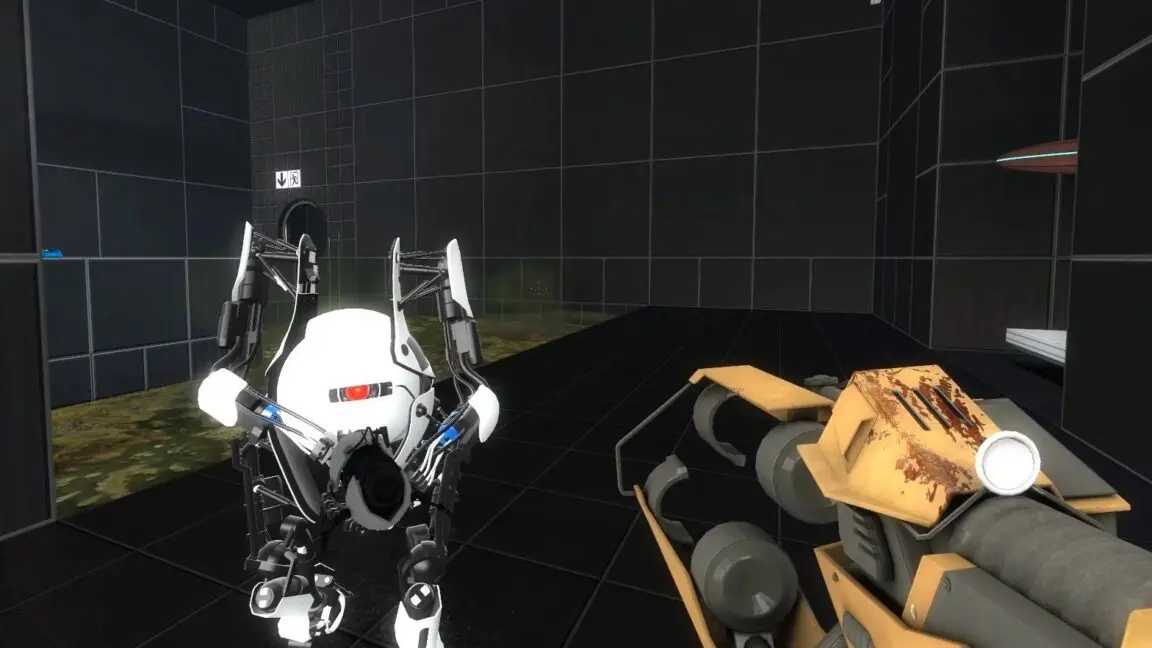
Experimental Mechanics: Fully functional tests of perfectly circular portals, slow-motion gun mechanics, and adhesive gel systems that predated the final game’s propulsion and conversion gels.
The Episode 3 Weapon Crossover: Data miners identified a weapon model within the Portal 2 prototype files that matched assets previously shown in official Valve documentary footage for the cancelled Half-Life 2: Episode 3. Analysts believe the asset served as a temporary placeholder during early experimental phases of the paint-gun mechanics that eventually evolved into Portal 2‘s core gameplay loop.
Glimpses of Half-Life 2: Episode 3 and F-Stop
While the leak does not contain a fully playable "Half-Life 3" or a complete build of Half-Life 2: Episode 3, data trawlers have successfully located residual development files and assets tagged under "ep3." These fragments provide minor, tantalizing clues regarding the narrative and technical direction of the perpetually delayed expansion.
Similarly, early models and graphics related to F-Stop—the cancelled, camera-based puzzle game originally conceptualized as a direct sequel to the original Portal—have surfaced within the depot logs. For over a decade, F-Stop existed primarily as gaming myth and sparse concept art; the Steam2 archive offers concrete asset validation of its mechanics and visual style.
Conclusion
The 12TB Steam2 teraleak stands as a watershed moment for digital archaeology and software preservation, illuminating a crucial decade of PC gaming history that was previously obscured by obsolete infrastructure and corporate gatekeeping. While it grants fans and researchers extraordinary access to the formative prototypes of classics like Portal 2, Left 4 Dead 2, and countless third-party masterpieces, it simultaneously underscores the fragile nature of digital security.
As Valve Corporation and third-party publishers grapple with the fallout of this massive data exposure, the gaming world is left to reckon with a double-edged sword: a treasure trove of lost history liberated from the digital ether, wrapped in a complex web of legal, ethical, and cybersecurity concerns that will reverberate across the industry for years to come.