








Executive Overview
The global entertainment industry is undergoing a profound technological transformation, driven by the rapid evolution of artificial intelligence, real-time rendering, and virtual production. At the vanguard of this shift is the Entertainment Technology Center (ETC) at the University of Southern California (USC) School of Cinematic Arts. In an ambitious move designed to bridge the gap between academic instruction and cutting-edge industry practices, the ETC has officially integrated Beeble—a pioneering AI-driven visual effects and imaging platform—into its core filmmaking research and production curricula.
This strategic integration is not merely an update to the school’s software suite; it represents a fundamental pedagogical shift. By embedding Beeble’s advanced AI tools into the classroom, USC is providing its next generation of directors, cinematographers, and visual effects (VFX) artists with direct, hands-on experience in AI-augmented workflows. These tools are being deployed across a diverse spectrum of academic initiatives, ranging from foundational special effects courses to advanced, PhD-level experimental filmmaking programs funded by industry giants like Amazon.
As Hollywood continues to grapple with the economic and creative implications of generative AI and machine learning, the ETC’s adoption of Beeble serves as an essential testing ground. By serving as a neutral sandbox where students, educators, and industry veterans can stress-test emerging technologies, the ETC is helping to establish the standards, ethics, and best practices that will define the future of cinematic storytelling.
Detailed Chronology of Integration and Implementation
The deployment of Beeble across the USC School of Cinematic Arts has been structured to maximize impact across multiple disciplines, ensuring that both theoretical research and practical production workflows benefit from the technology.
[Curriculum Assessment & Selection]
               │
               ▼
[Integration into Core Programs] ──► (VFX, Directing with AI, Media Arts + Practice)
               │
               ▼
[Advanced Research Initiatives] ──► (Amazon-Funded Projects & PhD Dissertations)
               │
               ▼
[Practical Production Testing]  ──► (Case Study: "Pathways" Short Film)
Phase 1: Curriculum Assessment and Selection
The integration began with a rigorous evaluation of AI tools capable of enhancing production value without compromising the creative control of the filmmaker. The ETC identified Beeble, particularly noted for its advanced neural rendering and High Dynamic Range (HDR) reconstruction capabilities, as a platform that could seamlessly merge with existing industry-standard pipelines (such as Unreal Engine, Maya, and traditional compositing software).
Phase 2: Integration into Core Programs
Beeble was subsequently deployed across three primary educational tracks:
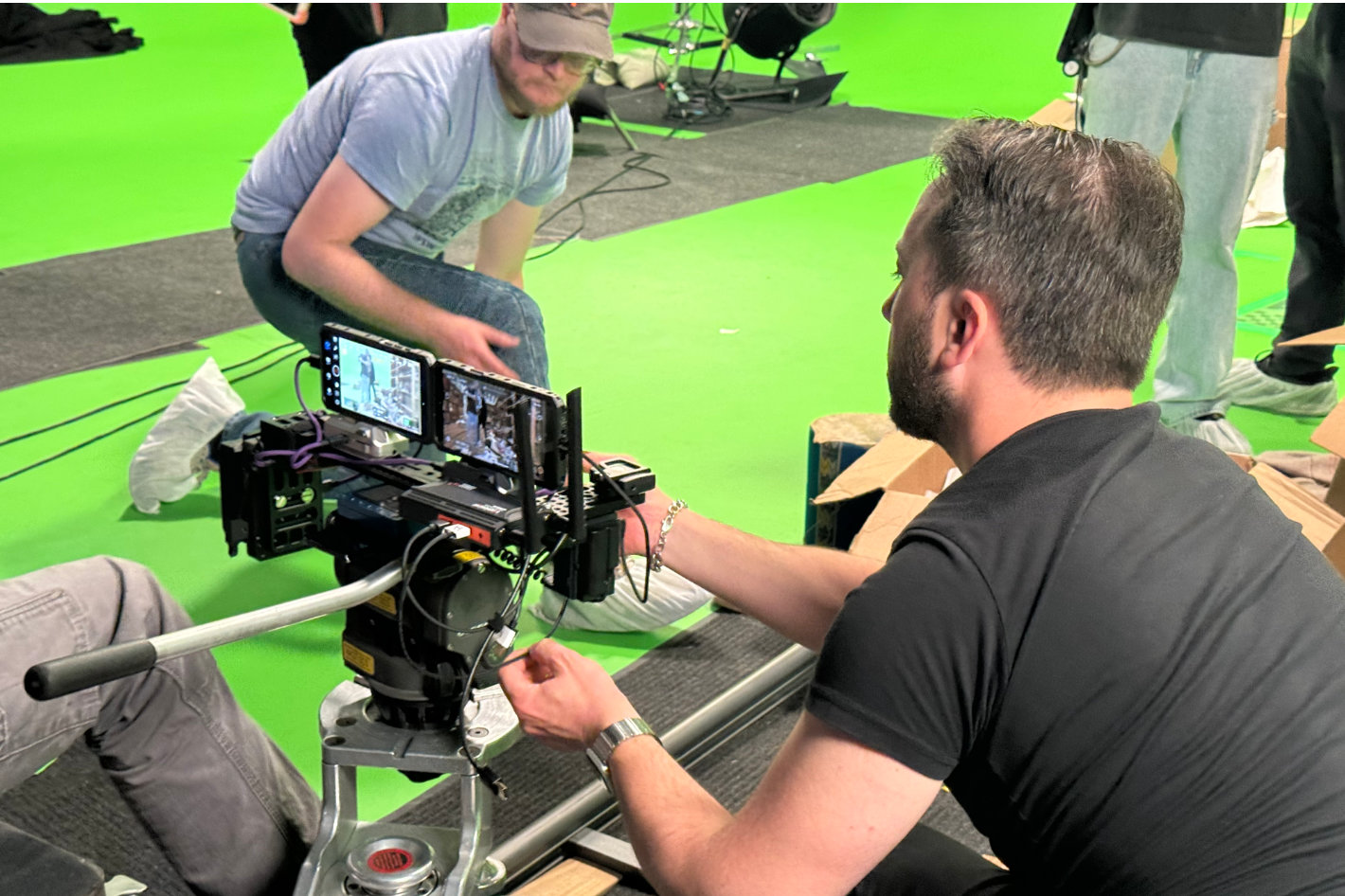
- Introduction to Special Effects in Cinema: Led by Academy Award-nominated VFX supervisor Habib Zargarpour (Twister, The Perfect Storm), this course introduces students to the marriage of classical physical effects, digital compositing, and modern AI shortcuts. Students utilize Beeble to accelerate complex compositing tasks and experiment with neural-based asset generation.
- Directing with AI: Guided by industry innovator Fred Grinstein, this course explores how directors can use AI as a collaborative tool for pre-visualization, conceptual world-building, and real-time scene modification. Beeble’s platform allows student directors to quickly manifest complex visual environments, dramatically shortening the feedback loop between conception and execution.
- Media Arts + Practice (MA+P) Program: This division hosts the school’s most experimental initiatives. Here, Beeble is utilized in advanced PhD-level research projects and experimental filmmaking initiatives. Notably, this includes high-level research funded by Amazon, focusing on the scalability of AI tools in professional cloud-based post-production environments.
Phase 3: Practical Production Testing
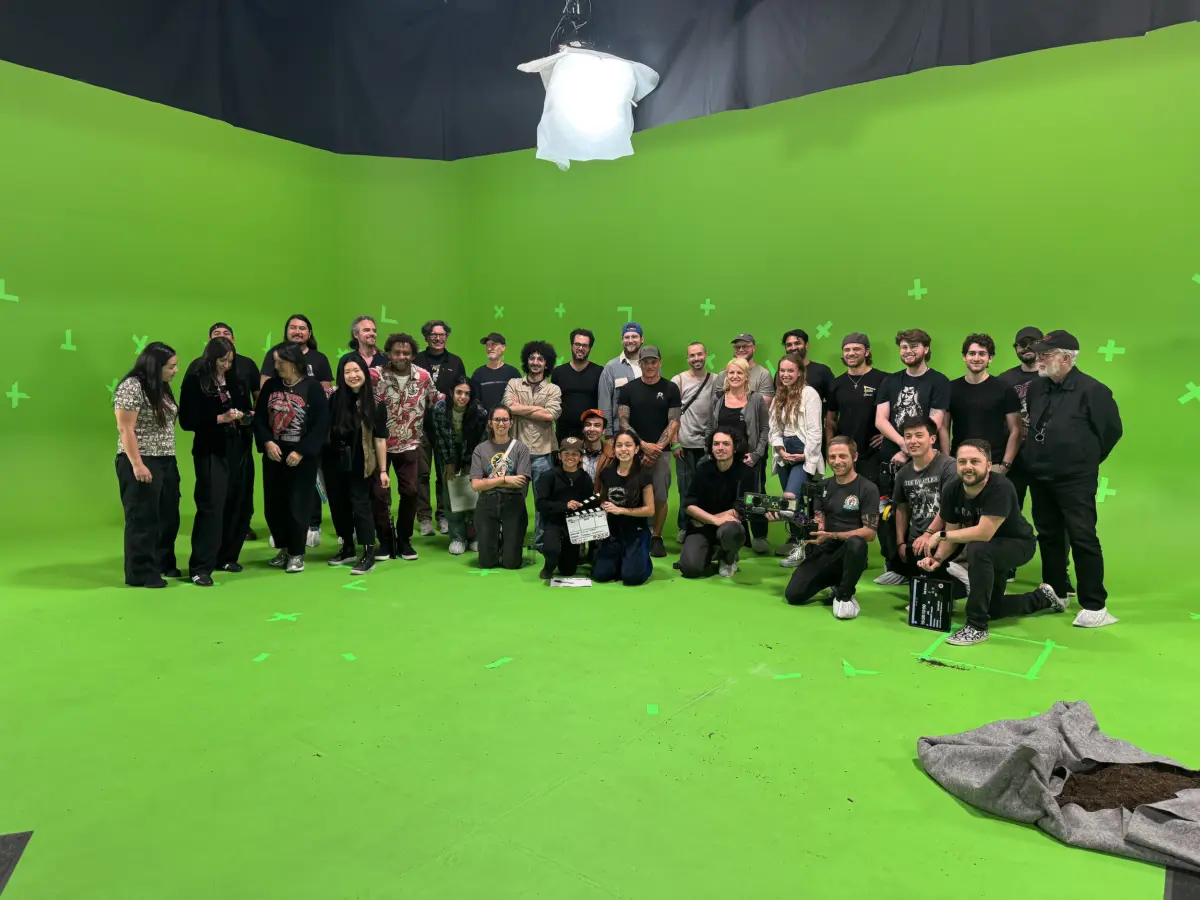
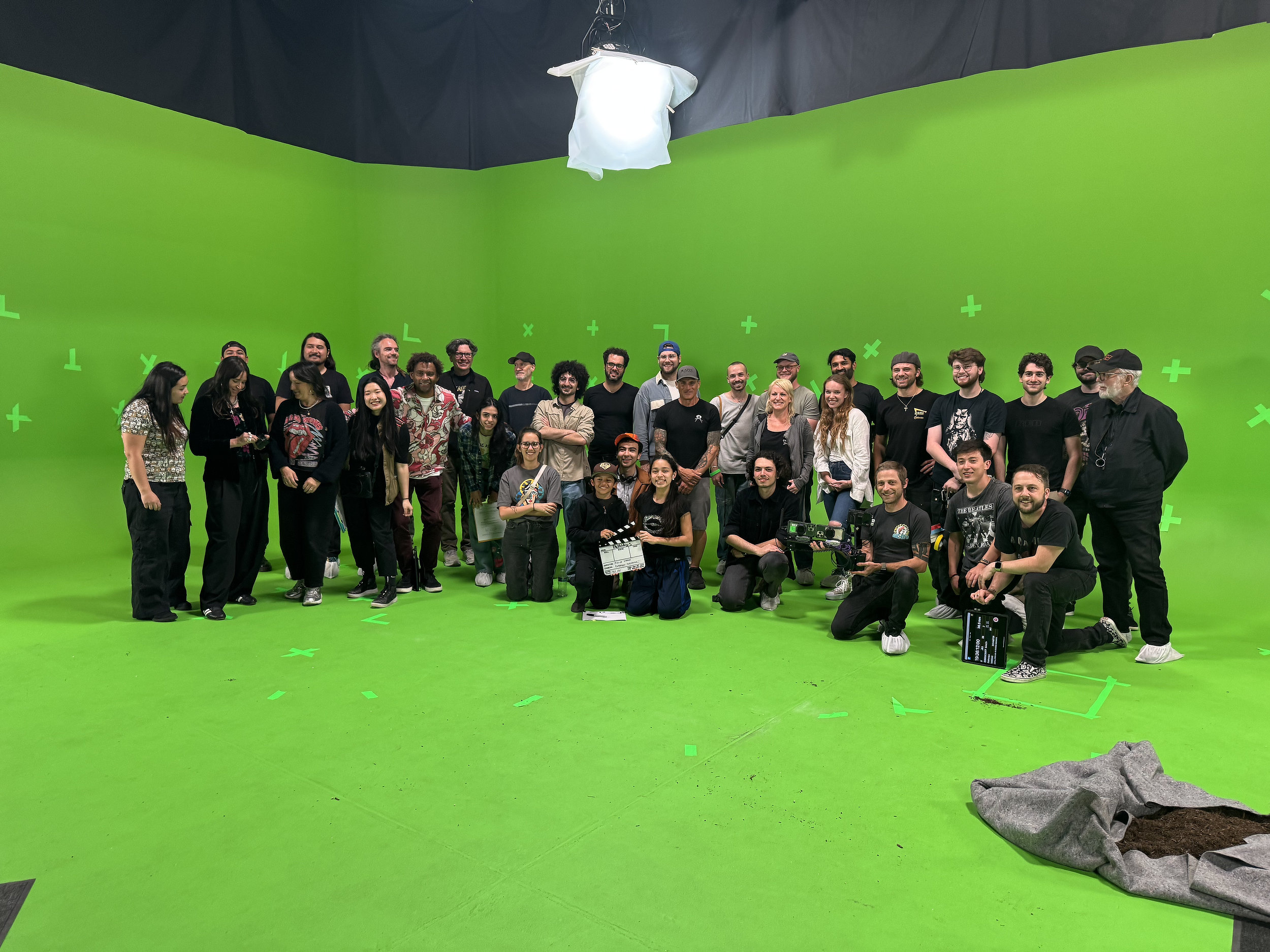
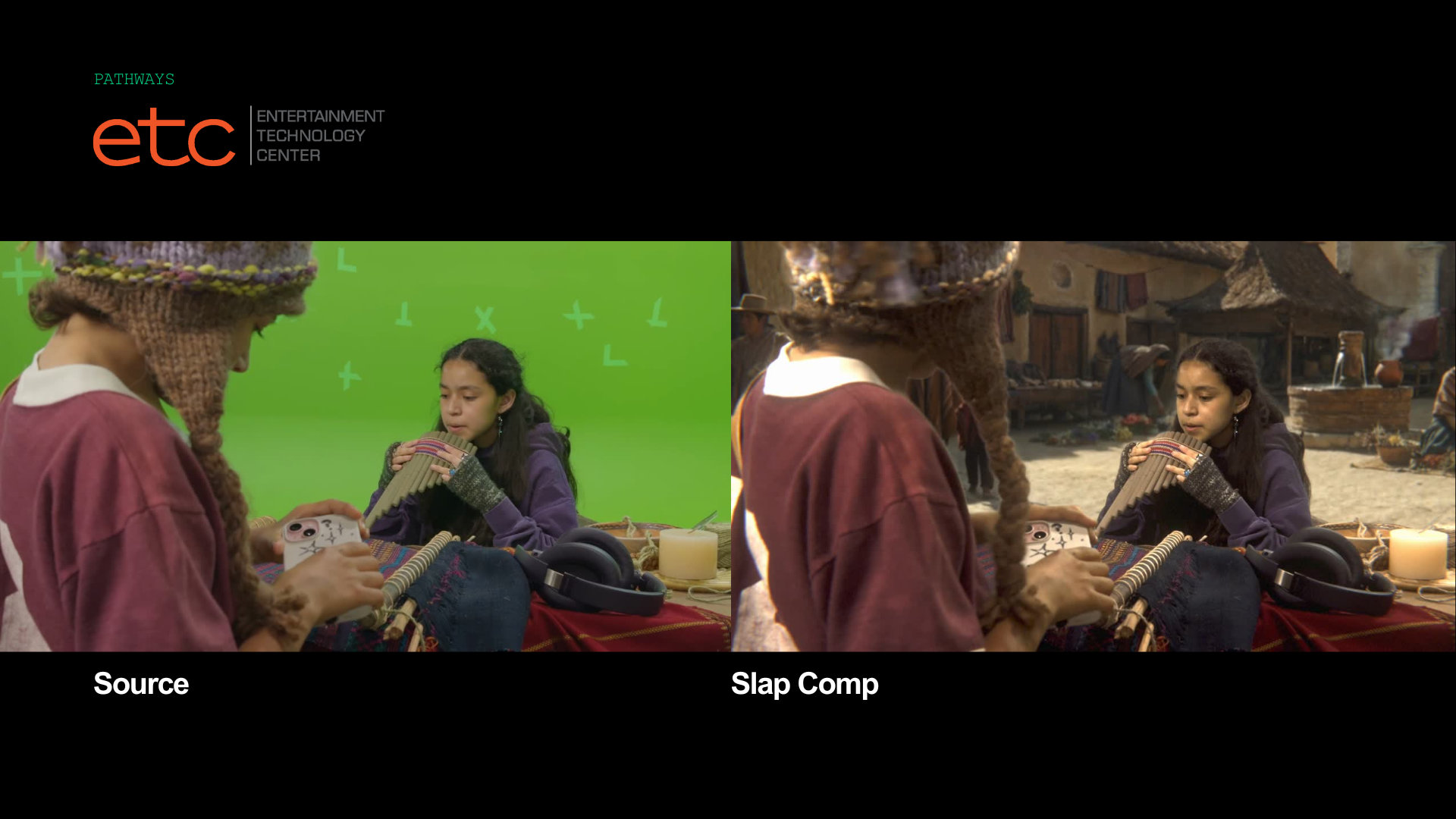
The ultimate test of the integration has moved beyond classroom exercises and into active film sets. The most prominent example is the production of Pathways, a collaborative research project written and directed by Felipe Vargas, with cinematography by acclaimed Director of Photography Roberto Schaefer, ASC (Finding Neverland, Quantum of Solace). Pathways serves as a real-world case study in how virtual production, traditional cinematography, and Beeble’s AI-assisted world-building tools can coexist on a professional set.
Supporting Context & Metrics: The Tech Behind the Transformation
To appreciate the significance of this integration, one must understand the technical capabilities of Beeble and the economic pressures currently facing visual effects production.
The Power of SwitchHDR and Neural Rendering
A standout feature of Beeble’s toolkit is its SwitchHDR AI model. Traditionally, capturing and mastering content in High Dynamic Range (HDR) has been an expensive, hardware-intensive process requiring specialized cameras, monitors, and complex color-grading pipelines. Archival footage or lower-budget Standard Dynamic Range (SDR) captures often present a significant bottleneck when integrated into modern HDR workflows.
| Feature | Traditional SDR-to-HDR Conversion | Beeble SwitchHDR AI Workflow |
|---|---|---|
| Methodology | Manual color grading, lookup tables (LUTs), and hardware-based upscaling. | Deep learning neural networks predicting and reconstructing lost luminance and color volume. |
| Time Investment | Hours to days of manual frame-by-frame adjustments by specialized colorists. | Automated, near-real-time processing with manual refinement controls. |
| Visual Accuracy | Susceptible to color clipping, banding, and unnatural highlight blooming. | Intelligent prediction of highlights, maintaining natural roll-off and color fidelity. |
| Cost Profile | High labor costs; requires expensive grading suites and specialized talent. | Accessible software-based model, democratizing HDR remastering for indie and student budgets. |
By utilizing SwitchHDR, USC students can take legacy footage, student-grade camera captures, or digital assets created in SDR environments and reconstruct them into rich, high-fidelity HDR formats. This capability is particularly critical in virtual production, where background plates displayed on LED volumes must match the intense dynamic range of real-world lighting.
Democratizing the VFX Pipeline
The traditional VFX pipeline is notoriously resource-constrained. For decades, student filmmakers were restricted to writing stories that took place in domestic, easily accessible locations because the cost of rendering alien worlds, historical epics, or complex supernatural phenomena was prohibitive.
By utilizing AI-assisted rendering and compositing, Beeble dramatically lowers the computational and financial barriers to entry. Complex tasks such as rotoscoping, green-screen extraction, and match-moving—which previously required dozens of hours of painstaking manual labor—can now be executed in a fraction of the time. This allows students to reallocate their limited resources toward story development, performance, and cinematography.
Official Statements: Industry and Academic Perspectives
The leadership at both the ETC and Beeble view this partnership as a critical milestone in the evolution of cinematic education.
Erik Weaver, Principal of AI and Emergent Media at the ETC, emphasized the necessity of preparing students for a dual-paradigm industry:
"Visual effects workflows continue to evolve, and it’s important that students understand both established production techniques and the emerging technologies shaping the industry. Integrating tools like Beeble into the classroom gives them valuable practical experience. We are not replacing the fundamentals of cinema; we are expanding the toolset so that the next generation of filmmakers can navigate a rapidly changing professional landscape with confidence."
Tom Thudiyanplackal, Producer and Industry Mentor at the ETC, highlighted the liberation of student creativity:
"One of the most exciting outcomes has been seeing students pursue ideas that would previously have been beyond the scope of a class project. They could dream about creating visual effects at this scale, but they rarely had the opportunity to make them. Giving students access to these tools opens entirely new creative possibilities. It levels the playing field, allowing a student with a laptop to achieve visual fidelity that once required a mid-sized post-production house."
From the technology provider’s side, Hoon Kim, CEO of Beeble, reflected on the symbiotic relationship between tech developers and academic institutions:
"ETC plays an important role in bringing together educators, filmmakers, and industry to evaluate emerging technologies. Seeing our tools used in that environment, and helping inform how future production workflows evolve, is incredibly rewarding. The feedback we receive from these brilliant students and veteran instructors is invaluable as we continue to refine our AI models to meet the rigorous demands of professional cinema."
Future Outlook: Defining the Next Era of Filmmaking
The integration of Beeble into the USC Entertainment Technology Center is a harbinger of a broader industry-wide transition. As AI tools transition from controversial novelties to standardized industry utilities, the lessons learned at USC will likely influence how major studios approach production.
The Synthesis of Virtual Production and Generative AI
The future of cinema lies in the convergence of virtual production (using LED volumes and real-time game engines like Unreal Engine) and generative AI. Historically, creating the digital environments for LED volumes required months of pre-production and massive teams of 3D artists.
The research currently being conducted via the Pathways project suggests a future where AI platforms like Beeble can generate, modify, and optimize virtual environments on-set, in real-time. If a director decides during a shoot that a scene needs a different lighting scheme or an entirely different background asset, AI tools can generate those adjustments on the fly, saving hundreds of thousands of dollars in post-production delays.
[Traditional Pipeline] ──► [Pre-Production] ──► [On-Set Shooting] ──► [Months of Post-Production VFX]
                                                                                │
                                                                                ▼
[AI-Augmented Pipeline] ──► [Real-Time AI Generation & Virtual Production] ──► [Direct-to-Edit Deliverables]
Establishing Ethical and Practical Standards
By housing this technology within an academic think tank like the ETC—which counts major studios such as Disney, Warner Bros. Discovery, Sony Pictures, and Paramount among its sponsors—the integration of Beeble helps foster an environment of responsible innovation. Students are not just learning how to use these tools; they are discussing the intellectual property, copyright, and labor implications of AI in filmmaking. They learn to view AI as an assistive partner—a "copilot" for creativity—rather than a replacement for human artistry.
As these students graduate and enter the workforce, they will carry with them a sophisticated understanding of how to balance technological efficiency with creative integrity. The partnership between USC ETC and Beeble is a glimpse into a future where the boundaries of what can be imagined and projected onto the silver screen are limited only by the filmmaker’s vision, not their budget.