
Executive Overview
In the modern digital economy, the chasm between creative expression and commercial viability is bridged by a singular, highly lucrative discipline: copywriting. For digital entrepreneurs, founders, and independent marketers, mastering the written word is not merely an exercise in creative writing—it is the foundational engine of customer acquisition. Having generated over seven figures online primarily through written channels—ranging from organic blog posts and social media threads to targeted email newsletters—the empirical evidence remains unequivocal: words dictate revenue.
Historically, the profession of copywriting has been plagued by romanticized misconceptions. Novices often equate superior copy with eloquence, complex vocabulary, and poetic flair. However, quantitative analysis of high-converting digital assets reveals the inverse. Elite copywriters prioritize absolute clarity, radical conciseness, and psychological resonance over artistic ornamentation.

This comprehensive report examines the ten core pillars essential for transitioning from an amateur wordsmith to a high-converting, revenue-generating copywriter. By deconstructing the methodologies used by industry titans—such as Ramit Sethi, HubSpot, and Close—and examining the tactical integration of artificial intelligence, this guide provides an authoritative framework for transforming content into a predictable growth asset.
Detailed Chronology: The Evolution of Modern Direct-Response Copywriting
To understand how modern copywriting commands seven-figure outcomes, one must trace its evolution from traditional print advertising to data-driven digital ecosystems.
Phase 1: The Pre-Digital Foundation (Understanding the Customer)
Decades before algorithmic distribution, legendary direct-response copywriters like David Ogilvy and Gary Halbert understood that effective copy is not "written" in a vacuum; it is discovered through rigorous customer research. The earliest phase of any professional copywriting endeavor requires total immersion in the target audience’s psychological state.
Phase 2: The Proliferation of Digital Channels (The Shift to Intent)
As the internet matured through the 2000s and 2010s, copywriting expanded from static landing pages to dynamic ecosystems encompassing search engine optimization (SEO), social media, and automated email sequences. Creators quickly realized that raw traffic volume was a vanity metric. The transition toward purchase-intent copywriting marked a pivotal shift in the industry: copywriters began optimizing for conversion efficiency rather than mere eyeballs.
Phase 3: The AI Integration Era (Modern Efficiency)
In recent years, the integration of generative artificial intelligence has redefined the research and drafting phases. Modern copywriters no longer spend weeks manually aggregating demographic data or hunting for structural inspiration. By leveraging advanced language models for pain-point extraction and sentiment analysis, contemporary professionals can execute comprehensive audience research in minutes, allowing them to focus entirely on strategic messaging, emotional calibration, and offer positioning.
Supporting Context & Metrics: The 10 Pillars of High-Converting Copy
Achieving mastery in copywriting requires a systematic approach to research, process development, and data analysis. Below is the definitive breakdown of the ten essential strategies required to build a high-earning copywriting career.

1. Talk to Customers (Or Leverage Their Data)
The primary objective of a copywriter is to capture attention, build institutional trust, introduce an effective solution, neutralize objections, and guide the prospect to a transaction. This requires an intimate understanding of the customer’s current reality, frustrations, and aspirations.
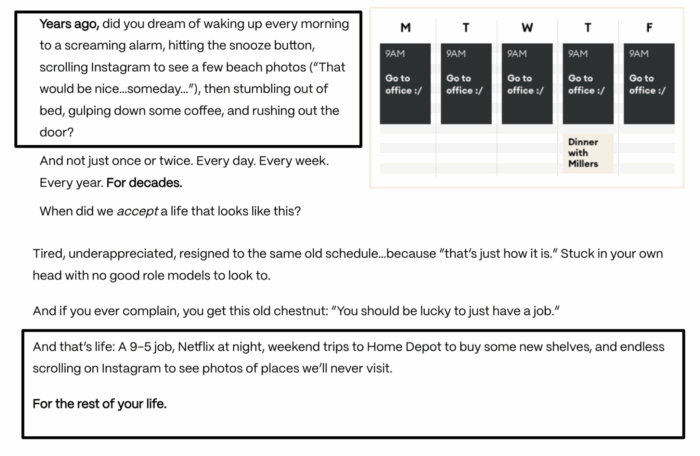
Consider Ramit Sethi’s landing page for his flagship program, Earnable. Rather than defaulting to generic pitches like "here’s how to make more money," Sethi mirrors the exact psychological friction his ideal customer experiences: the monotony of a 9-to-5 job, evening escapism through Netflix, weekend errands to home improvement stores, and endless social media scrolling. By reflecting these precise pain points, Sethi proves that the product was meticulously engineered for the reader’s unique situation.

When direct customer interviews are logistically impossible due to tight client deadlines, professionals utilize alternative research pathways:
- Sales Call Transcripts: Exporting recordings from client sales calls and analyzing them via AI to unearth recurring friction points and objections.
- Community Mining: Navigating specialized Reddit forums and Facebook groups relevant to the product niche to observe authentic user language, fears, and desires.
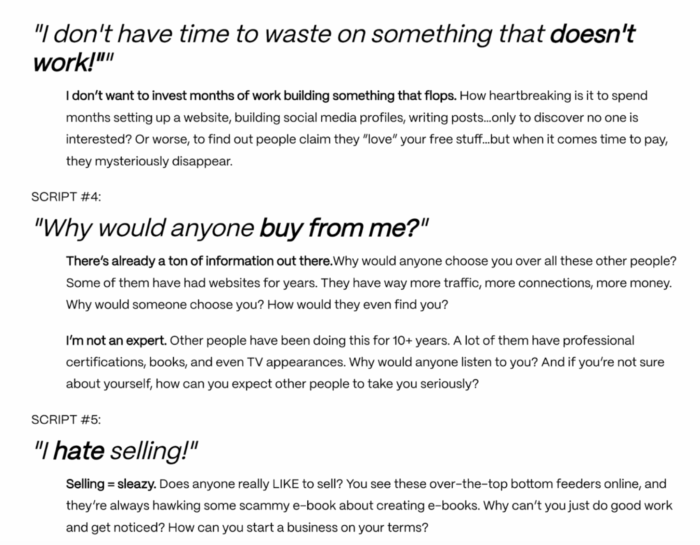
- Objection Mapping: Categorizing customer pushback into predictable psychological "scripts" and addressing them proactively within the copy.
2. Reverse-Engineer Competitor Success
Industry leaders have typically invested millions of dollars and countless hours testing messaging variations. Smart copywriters bypass the trial-and-error phase by studying established competitors.

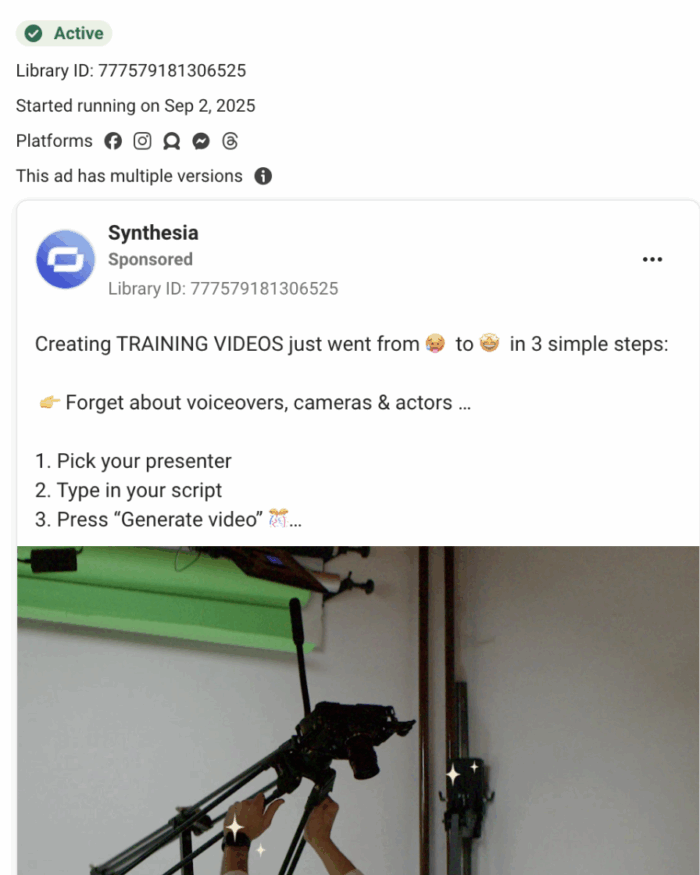
A primary method for this research is utilizing platform ad libraries (such as LinkedIn and Meta Ad Libraries). In paid advertising, longevity equals profitability. Ads that run continuously for weeks or months are statistically proven winners. By analyzing these long-running campaigns—such as Synthesia’s focus on the logistical nightmares of corporate video production, or Close’s messaging around messy CRM data leading to lost deals—copywriters can isolate validated market pain points and integrate them into their own email sequences or sales pages.
3. Cultivate a Curated Swipe File
Immersion in elite copywriting accelerates skill acquisition. Creators should maintain a personal "swipe file" archiving high-performing headlines, persuasive sales letters, and compelling ad structures. Additionally, referencing curated industry databases—such as Neville Medhora’s SwipeFile.com—exposes developing writers to masterclass-level structures curated by seasoned professionals who possess a refined eye for commercial persuasion.

4. Establish a Systematic Writing Process
Staring at a blank document is the primary catalyst for writer’s block. Expert copywriters eliminate cognitive friction by establishing a rigid, repeatable writing workflow.
For long-form content such as SEO-driven blog posts, a proven process includes:
- Audience Intent & Outline Construction: Defining the core search intent and structuring hierarchical H2/H3 headings based on reader needs.
- Drafting the Core Arguments: Populating each section with targeted examples, data points, and emotional hooks.
- Refining and Polishing: Editing for clarity, conciseness, and seamless conversion pathways.
This modular workflow ensures that every piece of content systematically captures attention, builds trust, and delivers a clear call to action without relying on fleeting moments of inspiration.
5. Practice Through Self-Publishing and Entrepreneurship
Theoretical knowledge holds negligible value without execution. The fastest path to copywriting competence is launching and scaling proprietary digital projects.

Whether building a personal brand as a LinkedIn ghostwriter, launching an affiliate marketing website to master SEO, or vibe-coding a micro-SaaS application using modern developer platforms like Lovable.dev, writing for your own economic interests fundamentally changes your perspective. When your livelihood depends on the conversion rate of your words, you naturally transition from writing for vanity traffic to engineering copy for direct purchase intent. Furthermore, these proprietary projects serve as undeniable social proof when pitching high-paying corporate clients.
6. Embrace AI for Tactical Use Cases
While generative AI should never replace human strategic thinking or unique brand voice, it serves as an indispensable assistant when deployed for specific tactical functions:

- Pain-Point Research: Prompting language models to aggregate common customer frustrations within specific industries to jog memory and uncover overlooked angles.
- Sentence Clarification: Pasting dense or convoluted passages into AI tools with prompts like, "Can you rewrite this passage with more clarity?" to discover alternative sentence structures.
- Expert Sourcing: Instructing AI to identify real-world quotes and case studies from industry leaders on professional platforms like LinkedIn to substantiate niche claims.
7. Master One High-Value Platform
The digital landscape is vast, but mastery requires specialization. Different channels demand distinct psychological hooks and structural formats:
- LinkedIn/Twitter: Rewarded by thought-leadership frameworks, personal narratives, and concise, punchy formatting.
- Long-Form SEO Blogs: Rewarded by exhaustive, actionable "how-to" frameworks that directly answer user queries.
- Email Newsletters: Rewarded by intimacy, direct storytelling, and frictionless behavioral triggers.
By mastering the algorithmic nuances and buyer psychology of a single platform, a copywriter can dramatically increase the ROI they deliver to clients, thereby justifying premium retainer fees.
8. Rigorously Measure the ROI of Your Work
Subjective opinions regarding copy are ubiquitous; objective financial metrics are rare. To command top-tier compensation, a copywriter must tie their writing directly to revenue generation:
- For Ghostwriters: Move beyond tracking raw engagement metrics (likes and impressions). Analyze the professional titles of those engaging in the comments section to ensure the content attracts decision-makers rather than peripheral observers. Implement custom source-tracking forms ("How did you hear about us?") on conversion landing pages.
- For Blog Content: Collaborate with clients to establish robust conversion tracking within Google Analytics (GA4), linking specific informational articles directly to product signups and demo requests.
- For Sales Pages & Email Funnels: Audit conversion rate optimization (CRO) metrics directly from client checkout platforms to measure the exact financial lift provided by optimized copy.
9. Integrate Into High-Level Communities
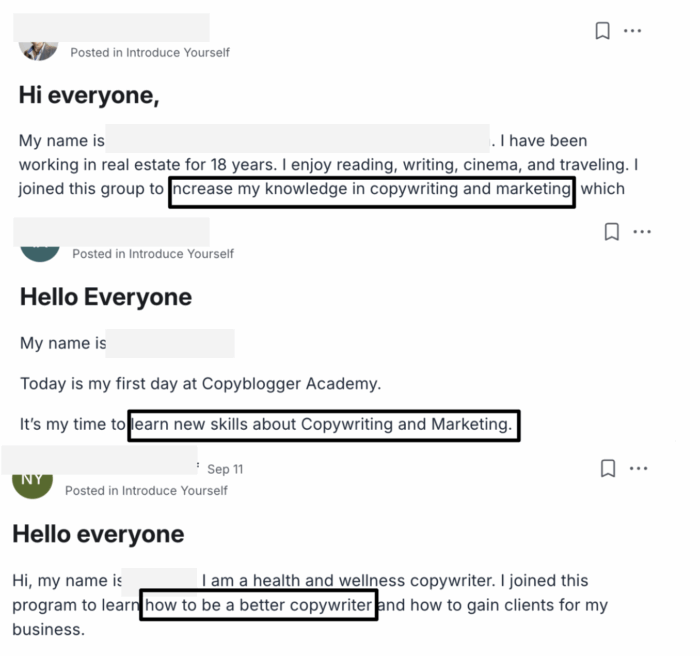
Solitary skill acquisition is unnecessarily arduous. Joining specialized communities—such as the Copyblogger Academy—provides the dual benefits of peer accountability and direct mentorship from proven seven-figure operators. When seeking feedback on draft copy, writers must carefully weigh critiques, prioritizing the analytical insights of accomplished revenue-generators over the subjective opinions of fellow beginners.

10. Maintain Asymmetric Urgency: Impatient in Action, Patient in Results
Borrowing the famous maxim from investor Naval Ravikant, elite copywriters must maintain strict psychological discipline: be ruthlessly impatient with daily execution, testing, and iteration, but remain profoundly patient with ultimate financial outcomes. Mastery is an accumulation of micro-improvements compounded over years of relentless publishing.
Official Statements and Industry Insights
Reflecting on the psychological frameworks that govern high-performing digital marketing, industry pioneers emphasize that persuasion is fundamentally an act of empathy.

"Great copywriters are clear, concise, and ultimately convert readers into customers. Instead of focusing on improving the craft of writing more eloquently, focus on how to generate more revenue from your words."
— Industry Consensus from Seven-Figure Digital Marketers
Furthermore, experts highlight that the democratization of marketing tools—accelerated by AI and digital distribution platforms—has raised the baseline expectations for commercial writing. Modern audiences possess sophisticated radar for disingenuous marketing, making rigorous pain-point research and authentic customer mirroring non-negotiable prerequisites for success.

Future Outlook
As artificial intelligence continues to saturate the digital landscape with generic, machine-generated content, the market value of authentic, psychologically attuned copywriting is projected to skyrocket. Generic content will become commoditized and ignored by consumers, while hyper-targeted, empathetic copy rooted in deep customer research will become the ultimate differentiator for high-growth brands.
For aspiring copywriters and digital entrepreneurs, the mandate is clear: abandon the pursuit of empty eloquence, embrace rigorous data-driven research, master the commercial mechanics of your chosen distribution channel, and commit to long-term consistency. Those who successfully bridge the gap between creative writing and measurable revenue will continue to command the highest financial returns in the modern digital economy.