Executive Overview
The clock is officially ticking for the global startup ecosystem. With the early-bird ticket window set to close this Friday, August 21, at 11:59 p.m. PT, attendees have only a few days left to secure maximum savings of up to $300 on individual passes—along with even steeper discounts on group bookings. For founders, venture capitalists, enterprise leaders, and tech innovators eyeing the horizon of 2027, this looming deadline marks the final opportunity to access TechCrunch Disrupt 2026 at its lowest price point.
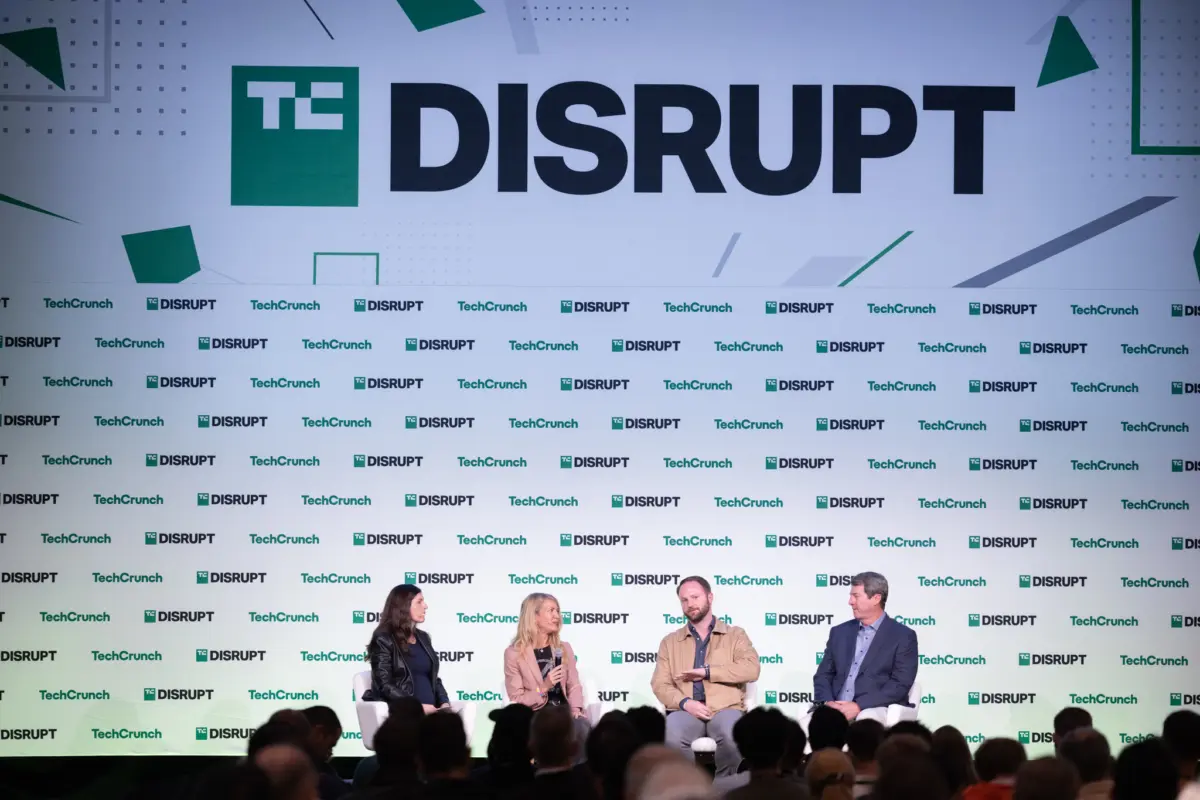
Scheduled for October 13–15 at Moscone West in San Francisco, TechCrunch Disrupt 2026 arrives at a fascinating inflection point in technology history. As the initial hyper-growth phase of generative artificial intelligence matures into practical enterprise deployment, the startup world faces a complex landscape of shifting capital markets, heightened security demands, and regulatory scrutiny. Disrupt remains the premier crucible where these forces intersect. Drawing more than 10,000 innovators from every corner of the tech economy, this year’s conference is engineered from the ground up to address the realities of building, scaling, and surviving in the AI era.
Whether you are a bootstrapped founder looking to pitch tier-one investors, an enterprise executive scouting the next generation of acquisition targets, or a developer trying to navigate the agentic security gap, Disrupt 2026 offers an unmatched density of networking, insight, and strategic alignment. However, with the early-bird pricing tier vanishing at the end of the week, procrastination carries a tangible financial penalty.
Detailed Chronology: The Road to Moscone West 2026
The path to TechCrunch Disrupt 2026 has been defined by a deliberate, methodical rollout of programming, stage reveals, and high-profile speaker announcements designed to reflect the rapid evolution of the tech sector. Understanding how this year’s agenda came together highlights the immense strategic value packed into the three-day San Francisco summit.
The Spring Foundation: Setting the Stage for AI Integration
Planning for Disrupt 2026 began long before the summer heat. In early 2026, the TechCrunch editorial and events teams recognized a fundamental shift in the tech ecosystem: the novelty phase of generative AI had given way to an era of intense execution, monetization challenges, and infrastructural strain. Rather than treating AI as a standalone vertical, the organizers resolved to weave artificial intelligence into the architectural fabric of every single track, panel, and workshop.
July: A Slew of Major Agenda and Speaker Drops
The summer months brought a rapid succession of major program announcements that crystallized the focus of Disrupt 2026:
- Early July (The Builders Stage Agenda): TechCrunch released the detailed agenda for the Builders Stage, prioritizing practical, actionable strategies for scaling early-stage startups through economic headwinds. Sessions were specifically tailored to address cap table management, lean product-market fit validation, and engineering team retention.
- Late July (The SaaS Reckoning & Agent Security): Moving deeper into the summer, organizers rolled out targeted tracks exploring the "SaaS reckoning"—the deflationary pressure exerted by AI on traditional software business models—alongside critical discussions on the emerging agent security gap. As autonomous AI agents take on enterprise workflows, securing these systems has become an urgent boardroom priority.
- Late July (The Main Stage Heavyweights): TechCrunch pulled back the curtain on its flagship Disrupt Stage, revealing an elite tier of leaders from technological powerhouses such as Amazon, Replit, and Tether, signaling a cross-pollination of enterprise cloud infrastructure, developer tooling, and decentralized finance.
August: The Final Sprint and Early-Bird Deadline
Now, in mid-August, the promotional cycle reaches its crescendo. The final lineup additions are being locked in, and the startup community is mobilizing. With the Friday, August 21 deadline fast approaching, ticket sales have surged. For those who have been watching from the sidelines, this week represents the last chance to acquire passes before standard corporate and late-registration pricing takes effect.
Supporting Context & Metrics: Navigating the 2026 Tech Landscape
To truly appreciate the utility of attending TechCrunch Disrupt 2026, one must examine the macroeconomic and technological metrics defining the current startup environment. The conference does not exist in a vacuum; it is a direct response to the structural shifts currently reshaping venture capital and software development.
The AI Infrastructure and Agentic Economy Shift
According to recent industry data, global venture capital deployment into generative AI has crossed historic thresholds, yet return-on-investment (ROI) expectations from institutional LPs have tightened significantly. Founders can no longer rely on superficial "AI-washing" to secure funding; they must demonstrate proprietary data moats, defensible architectures, and clear pathways to profitability.
Disrupt 2026 directly targets these metrics through specialized programming. The event’s sessions are structured around empirical realities:
- Capital Efficiency: How startups are extending their runways in a post-zero-interest-rate environment.
- Talent Optimization: Leveraging specialized AI tooling to maintain lean, high-output engineering teams.
- Enterprise Integration: Navigating procurement cycles with legacy Global 2000 corporations that demand rigorous compliance, data privacy, and agent security.
The Networking Economics of Disrupt
Beyond the stages, the primary metric of value for Disrupt attendees is deal flow. Historically, TechCrunch Disrupt acts as a massive economic engine for the San Francisco Bay Area startup ecosystem:
- 10,000+ Attendees: A concentrated demographic of vetted founders, active investors, and enterprise decision-makers.
- Unfiltered Access: Unlike invite-only, ultra-exclusive retreats, Disrupt provides open access to the decision-makers holding the purse strings of modern tech innovation.
- Startup Battlefield: The legendary pitch competition continues to serve as an institutional launchpad, where past alumni have gone on to raise billions in follow-on funding and achieve multi-billion-dollar exits.
Official Statements and Vision for the Event
The overarching philosophy of TechCrunch Disrupt 2026 is rooted in resilience, adaptability, and forward-looking pragmatism. While the tech industry has weathered waves of layoffs, valuation corrections, and regulatory challenges over the past few years, the resilience of the startup community remains unmatched.
Event leadership has consistently emphasized that Disrupt is designed to be more than just a conference—it is a functional workshop for the future of technology.
"We are living through a profound structural transformation," notes the TechCrunch editorial team in their ongoing event briefings. "Building in the AI era requires a complete rethinking of product architecture, go-to-market strategies, and security paradigms. Disrupt 2026 is built to give founders and investors the exact operational playbooks they need to not just survive, but lead, as we run toward 2027."
This sentiment echoes across the speaker roster. Leaders from Amazon, Replit, Tether, and dozens of high-growth startups are preparing to take the stage not to offer generic keynote platitudes, but to share hard-earned lessons on scaling infrastructure, managing regulatory headwinds, and deploying autonomous agents safely in production environments.
Future Outlook: Why 2027 Planning Starts in San Francisco
As the tech industry looks past the horizon of 2026, the decisions made today will dictate the market leaders of tomorrow. The convergence of edge computing, quantum-adjacent cryptographic standards, agentic workflow automation, and shifting geopolitical trade dynamics means that the traditional five-year business plan is essentially obsolete.
Attending TechCrunch Disrupt 2026 is an exercise in future-proofing. By immersing oneself in the specialized tracks—from the granular technical breakdowns on the Builders Stage to the high-level macroeconomic forecasts on the main Disrupt Stage—participants gain a distinct asymmetric advantage.
What You Stand to Lose by Missing the Deadline
- Financial Efficiency: Waiting past Friday, August 21 at 11:59 p.m. PT means forfeiting up to $300 in direct savings per individual ticket, alongside the loss of lucrative group discount tiers designed for scaling teams.
- Strategic Positioning: In the fast-moving AI landscape, three months can represent entire product generations. Being in the room at Moscone West from October 13–15 ensures you are shaping the conversation rather than reading about it retroactively.
- Serendipitous Deal Flow: The most valuable moments at Disrupt rarely happen under the stage lights; they happen in the hallways, at coffee stations, and during impromptu investor meetups. Missing the event means missing the serendipitous connections that often define a company’s growth trajectory for the coming year.
Final Call to Action
The window for the lowest prices on TechCrunch Disrupt 2026 passes is down to its final hours. Whether you are a student taking your first steps into the tech ecosystem, a seasoned venture capitalist hunting for the next breakout unicorn, or a visionary founder ready to scale your enterprise into 2027, the time to act is now.
Lock in your pass before Friday, August 21, at 11:59 p.m. PT, and prepare to join the vanguard of the global startup community in San Francisco this October.