Executive Overview
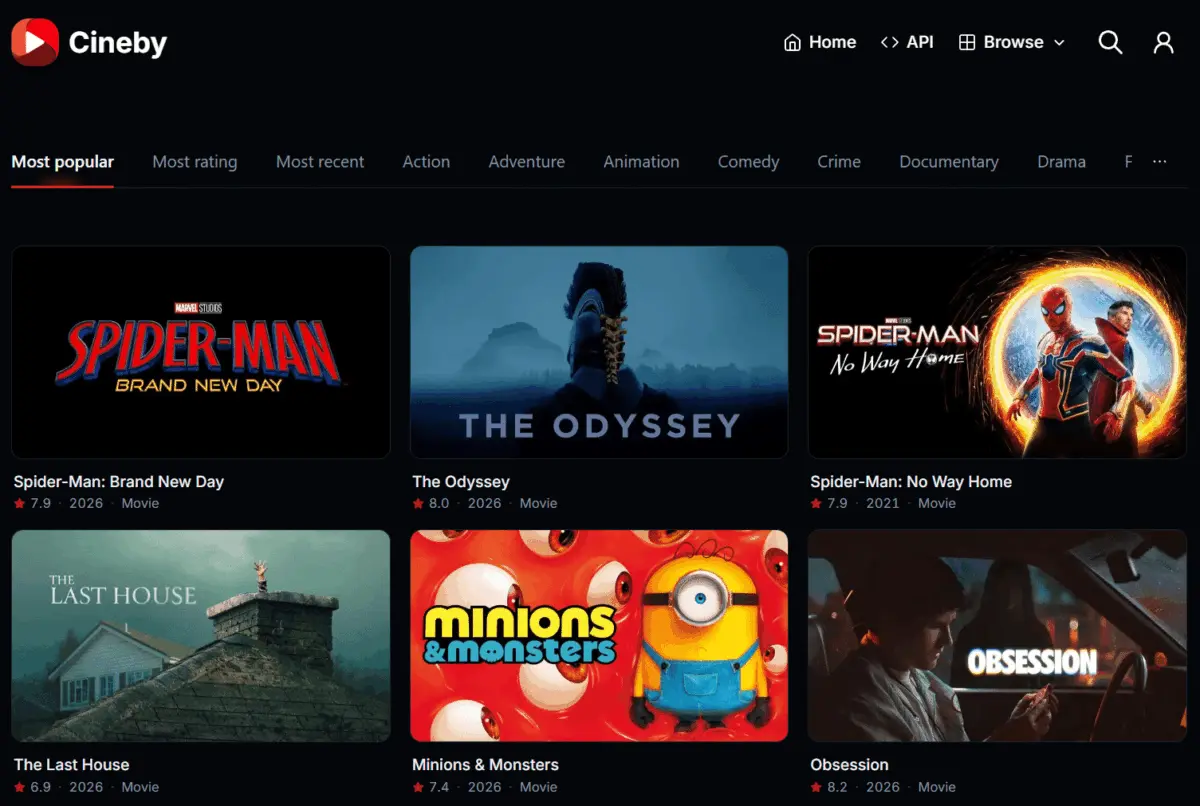
In the high-stakes, cat-and-mouse ecosystem of digital copyright enforcement, few announcements carry as much weight as the sudden capitulation of a major player. Cineby, a titan in the underground realm of unauthorized streaming, has announced that it will permanently shut down its operations on August 26. Boasting an astonishing traffic footprint of more than 160 million visits in a single month prior to its announcement, Cineby had cemented its status as one of the most heavily utilized pirate portals on the global internet.
For years, the platform served as a glaring thorn in the side of Hollywood studios, independent creators, and major entertainment conglomerates alike. Its frictionless user interface, comprehensive content library, and defiance of copyright jurisdiction made it a prime target for international anti-piracy coalitions. Yet, despite its massive user base and multi-million-dollar audience engagement, the site’s anonymous operators have elected to pull the plug voluntarily. A stark banner now greets millions of daily visitors, signaling the imminent end of an era: "Cineby and all related services will cease operations on August 26th. It’s been a good run, but the time has come to stop. All servers will be shut down, and every user account will be deleted."
While the site’s administrators have remained tight-lipped regarding their motivations, industry analysts and legal experts agree that the writing was essentially on the wall. Cineby’s impending demise is not an isolated act of goodwill; rather, it represents the cumulative apex of unprecedented, coordinated international legal pressure, aggressive diplomatic finger-pointing, and expansive new site-blocking injunctions spanning multiple continents.
However, digital piracy rarely dies quietly. As the entertainment industry pops champagne to celebrate the fall of yet another major domain, cybersecurity experts warn of the "Hydra effect"—a phenomenon where cutting off one head of the piracy monster merely spawns two more. With millions of orphaned users suddenly searching for alternative streaming hubs, copycats, successors, and decentralized operations are already positioning themselves to inherit Cineby’s lucrative vacuum. The closure of Cineby marks the end of a chapter, but the broader war over intellectual property in the streaming age continues to escalate.
Detailed Chronology: The Rise, Pressure Points, and Fall of Cineby
To truly understand the significance of Cineby’s voluntary shutdown, one must trace the arc of its operations and the systematic tightening of the legal noose that ultimately forced its hand.
The Birth of a "Hydra Site"
In the evolving taxonomy of digital piracy, Cineby was classified not as a traditional peer-to-peer torrent indexer or a basic link-sharing forum, but as a sophisticated "hydra site" or "piracy-as-a-service" (PaaS) operation. Rather than hosting massive libraries of copyrighted video files on its own servers—which would incur astronomical hosting and bandwidth costs while drawing immediate law enforcement scrutiny—Cineby operated as a sleek, centralized aggregation portal.
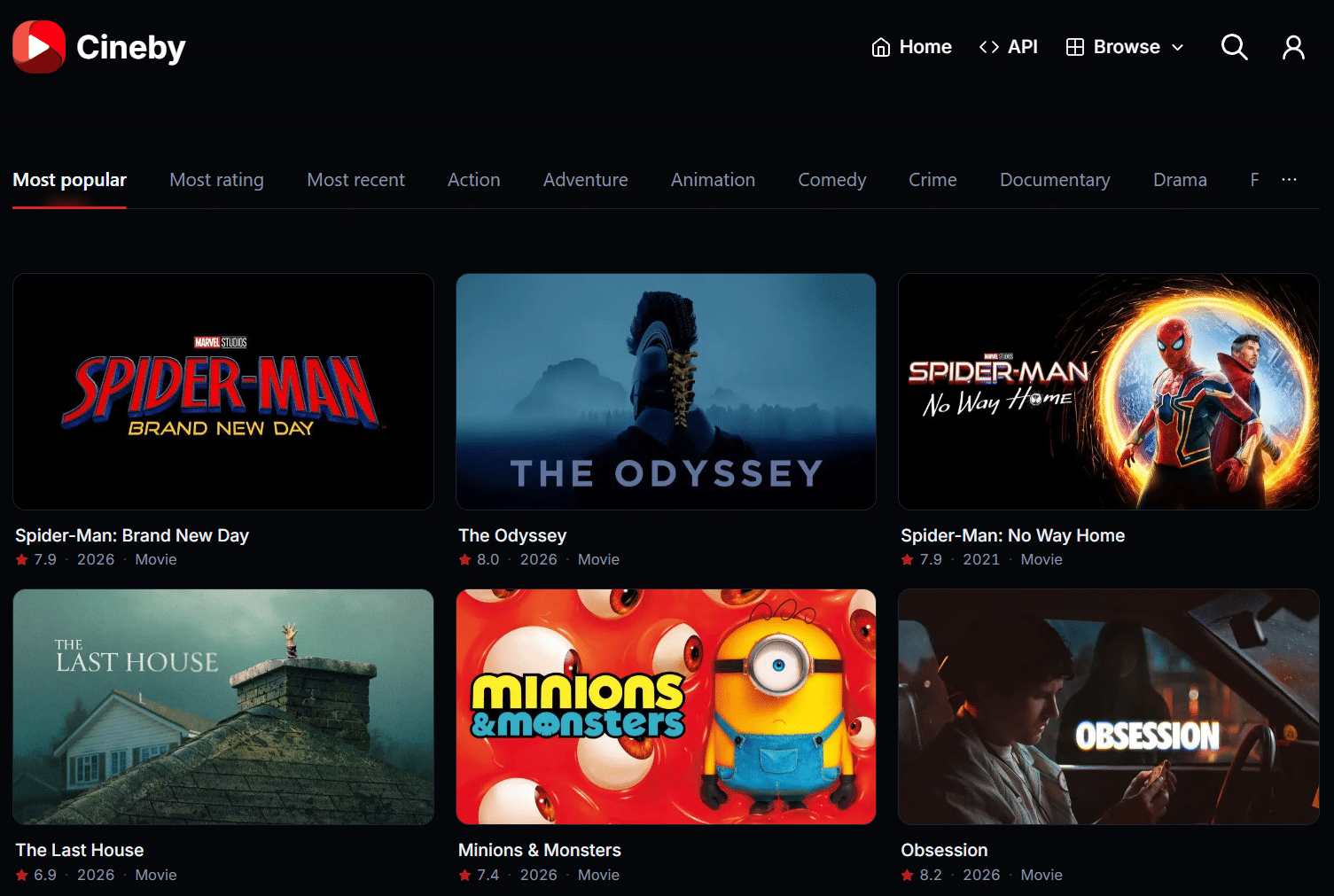
By embedding video streams sourced from decentralized third-party hosting infrastructures, Cineby offered consumers an experience virtually indistinguishable from legal subscription video-on-demand (SVOD) platforms like Netflix, Disney+, or Amazon Prime Video. It required no specialized hardware, no complicated torrent clients, and no recurring subscription fees—just a web browser and an internet connection. This frictionless user experience fueled its meteoric rise, propelling it into the upper echelons of global web traffic rankings and cementing its place as a primary destination for cord-cutters and copyright infringers alike.

Escalating International Enforcement
As Cineby’s traffic surged into the hundreds of millions, it inevitably drew the intense gaze of the Motion Picture Association (MPA) and other global anti-piracy organizations. Throughout late 2023 and 2024, the legal landscape surrounding the site shifted dramatically from passive monitoring to aggressive, multi-jurisdictional disruption.
- Autumn 2023: The MPA officially designated Cineby as a "notorious market" in its submission to the Office of the United States Trade Representative (USTR). In its filing, the MPA explicitly highlighted Cineby as a prime example of the rapidly expanding hydra site category, noting its structural resemblance to illicit IPTV services packaged within a standard web browser interface. The filing also linked aspects of the site’s operational footprint to Russia, introducing geopolitical tensions into the enforcement equation.
- May 2024: The enforcement net tightened further across the Atlantic. Cineby was explicitly named as a primary target in the United Kingdom’s novel "omnibus" site-blocking order. Orchestrated by major Hollywood studios, this sweeping injunction was designed with a vital preemptive mechanism: it not only targeted Cineby’s existing infrastructure but also legally bound British internet service providers (ISPs) to block any future successors, mirror sites, or rebranded spin-offs spawned by the operators.
- Mid-2024: Canada’s Federal Court followed suit, issuing an expanded-scope site-blocking order that mirrored the UK’s forward-thinking approach. Canadian ISPs were directed to systematically block Cineby domains, while the legal framework was explicitly future-proofed to capture potential evasive maneuvers by the site’s anonymous creators.
- July 2024: The pressure crossed into South Asia when the Delhi High Court issued a sweeping injunction. Spearheaded by HBO and a coalition of international film studios, the court ordered Indian ISPs to block multiple Cineby domains while simultaneously commanding domain name registrars to suspend the site’s underlying registration credentials. Interestingly, while the legal order was unambiguous, bureaucratic friction meant that Cineby’s primary
.atdomain remained stubbornly online via Registrar.eu, proving that technical compliance across international borders remains an uphill battle for copyright holders.
Despite these ongoing legal battles and localized domain resilience, the compound weight of cross-border litigation, financial targeting, and infrastructure strain appears to have broken the operators’ resolve, culminating in the sudden August shutdown announcement.
Supporting Context & Metrics: The Scale of Modern Streaming Piracy
To contextualize Cineby’s departure, it is essential to examine the raw metrics and economic realities that define the contemporary digital piracy landscape. The numbers tell a story of staggering scale, illustrating why traditional enforcement mechanisms often feel like trying to bail out the ocean with a teacup.
Traffic and Audience Engagement
During its peak operational months leading up to the shutdown announcement, analytical tracking data revealed that Cineby was pulling in over 160 million visits per month. To put this figure in perspective, it places the unauthorized streaming portal on par with many legitimate, venture-backed digital media properties and streaming startups.
This immense volume of traffic is not merely a testament to user demand for free content; it represents a sophisticated monetization engine. Pirate streaming sites typically generate revenue through aggressive, high-yielding advertising networks—often promoting unregulated online casinos, cryptocurrency schemes, adult entertainment, and malicious software downloads. While the exact financial turnover of Cineby remains obscured by the anonymity of its operators, traffic of this magnitude routinely generates hundreds of thousands, if not millions, of dollars in annual ad revenue.
The Economics of Piracy-as-a-Service (PaaS)
Cineby’s architectural model highlights a broader, troubling trend for intellectual property holders: the decoupling of content hosting from content presentation. By utilizing PaaS frameworks, the operators of sites like Cineby outsourced the legal and financial liabilities of raw video hosting to third-party entities scattered across permissive jurisdictions—often operating in legal grey areas or offshore havens with weak copyright enforcement laws.
When the MPA and individual studios launched whack-a-mole legal campaigns against Cineby, they were largely targeting the storefront rather than the warehouse. Even as Cineby prepares to wipe its databases, delete user accounts, and power down its servers on August 26, the underlying video-hosting nodes and third-party encoders frequently remain active across the web. This decoupling ensures that the raw ingredients of piracy persist, waiting quietly for new entrepreneurs to stitch them together under a fresh banner.

Official Statements and Industry Perspectives
The reaction from the entertainment industry to Cineby’s impending closure has been a mixture of vindication and pragmatic caution. While studios and anti-piracy coalitions view the shutdown as a tangible victory for intellectual property rights, industry veterans remain acutely aware that the war is far from won.
The MPA’s Perspective on "Hydra Sites"
In its foundational reports submitted to international trade bodies, the Motion Picture Association has consistently emphasized the unique threat posed by platforms sharing Cineby’s structural DNA. In its USTR submission, the MPA stated:
"Cineby is a fast-growing one-stop-shop piracy site in the ‘hydra site’ category. These are a rapidly expanding category of one-stop piracy sites offering content somewhat comparable to IPTV services, but without the need for subscriptions or dedicated devices."
For the MPA and its member studios, the primary objective has evolved beyond merely taking down individual websites. The strategy now focuses heavily on structural disruption—implementing dynamic, court-ordered ISP blocking, targeting domain registrars, cutting off access to advertising revenue networks, and holding payment processors accountable.
The Preemptive Shift in Global Litigation
The inclusion of Cineby in landmark "omnibus" blocking orders in the UK and Canada represents a strategic evolution in how courts handle digital copyright infringement. Historically, copyright holders were forced to initiate lengthy, expensive legal proceedings every time a pirate site rebranded or spun up a new domain variant.
By obtaining court orders that explicitly cover future successors and un-launched copycats, organizations like the MPA are attempting to outpace the hydra’s regeneration cycle. Legal scholars note that these expanded-scope injunctions shift the legal burden onto ISPs and intermediaries, requiring them to preemptively throttle traffic to newly discovered infrastructure associated with defunct operations like Cineby.
Future Outlook: The Hydra Effect and What Comes Next
As the countdown to August 26 ticks away, the digital piracy ecosystem is holding its collective breath. What happens next will serve as a bellwether for the future of international copyright enforcement.
The Inevitable Vacuum and the Rise of Successors
History provides a clear and unwavering roadmap for what occurs when a major pirate streaming portal exits the market. When platforms like Zoro, Aniwatch, or various iterations of movie-streaming giants are forced offline or voluntarily capitulate under legal pressure, a predictable sequence of events unfolds:
- Immediate User Migration: Millions of displaced Cineby users will turn to search engines, social media communities (such as Reddit’s piracy and streaming subreddits), and alternative aggregator forums to find replacement platforms.
- The Rise of Copycats: Within days—if not hours—of Cineby’s servers going dark, opportunistic operators will launch clone sites, utilizing identical user interfaces, scraped databases, and derivative domain names (e.g., Cineby.to, Cineby.cc, or entirely new brands) to capture the incoming wave of orphaned traffic.
- Rebranding and Metamorphasis: As seen with the evolution from Zoro to Aniwatch and subsequently to HiAnime (which itself faced intense international scrutiny, such as recent law enforcement crackdowns in Vietnam), operators frequently engage in preemptive rebrandings to shed toxic search engine baggage and distance themselves from active subpoenas.
Testing the Limits of Modern Legal Frameworks
The closure of Cineby will ultimately serve as the ultimate real-world stress test for the newly expanded site-blocking regimes in the UK, Canada, and India. When the inevitable wave of Cineby successors attempts to colonize the web under new domain extensions, anti-piracy lawyers will immediately invoke the omnibus blocking orders secured earlier this year.
If these automated, preemptive blocking protocols successfully neutralize replacement domains before they can gain traction, it could fundamentally alter the economics of web-based piracy, making the "hydra site" model significantly less profitable and harder to sustain. Conversely, if new operators easily bypass these technological roadblocks through decentralized routing, rapid domain hopping, and Content Delivery Network (CDN) obfuscation, it will underscore the enduring limitations of national courts attempting to police a borderless internet.
For now, cineby.at remains online, streaming copyrighted movies and television shows to an audience that knows its days are numbered. When the servers finally fall silent on August 26, it will close a major chapter in the ongoing digital conflict—even as the seeds of its replacement are already being sown across the dark corners of the web.