In a strategic move designed to cement its status as a premier global e-commerce and entertainment destination, YouTube has officially brought its Shopping Affiliate Program to the United Kingdom. This expansion allows eligible British creators to seamlessly tag products from a roster of major retail partners directly within their long-form videos, YouTube Shorts, and live streams. When viewers purchase items through these integrated links, the creators earn a commission, opening up a lucrative and direct revenue stream that bypasses traditional ad-revenue dependencies.
This milestone is more than just a geographic rollout; it represents a continuation of YouTube’s aggressive push into social commerce. Originally launched in 2002 [sic: 2022] across select markets including the United States, Thailand, and India, the program has undergone a profound evolution. Recognizing that high entry barriers were restricting participation to mega-influencers, YouTube drastically lowered the qualification threshold earlier this year, aligning eligibility with the baseline requirements of the YouTube Partner Program (YPP). Consequently, U.K. channels with as few as 500 subscribers can now tap into the multi-billion-dollar creator economy via affiliate marketing.
For brands, this expansion introduces a potent new channel for consumer acquisition. Prominent U.K. merchants—ranging from home-goods giant Wayfair and electronics staple Currys to beloved high-street names like Marks & Spencer (M&S), Boots, Debenhams, and artisan marketplace Etsy—are participating at launch. By bridging the gap between passive video consumption and active e-commerce, YouTube is attempting to transform how British consumers discover, evaluate, and purchase products online, positioning itself squarely against social commerce heavyweights like TikTok Shop and Instagram Shopping.
Detailed Chronology of the YouTube Shopping Affiliate Rollout
To fully understand the significance of the U.K. launch, it is necessary to examine the deliberate, phased approach YouTube has taken to build its shopping infrastructure over the past several years.
The Genesis: Initial Trials and Regional Testing (2022)
YouTube’s journey into native affiliate marketing began in earnest in 2022. Recognizing that creators were already acting as organic product recommenders without financial recompense from the brands they featured, the platform conceptualized a native tool to formalize this relationship.
During the initial testing phase, the program was restricted to a handful of test markets—most notably the United States, Thailand, and India. During this rollout, creators could tag items appearing in their videos, allowing viewers to see a product shelf appear beneath the media player. However, the initial iteration was hampered by strict eligibility requirements. Eager to test the infrastructure with established accounts to monitor server load, payment logistics, and merchant integration, YouTube initially mandated that participating profiles boast a minimum of 20,000 subscribers. This effectively locked out micro- and mid-tier creators, who often boast higher engagement rates and hyper-targeted audiences.
The Democratization Phase: Lowering the Barriers (2024–2025)
As backend systems matured and the platform secured robust partnerships with major retail networks, leadership recognized that creator adoption would stall if accessibility remained restricted. Over successive quarters, YouTube systematically chipped away at the subscriber minimums.
A pivotal turning point occurred in March of this year, when YouTube slashed the qualification threshold to just 500 subscribers, tying affiliate program access directly to the foundational YouTube Partner Program (YPP). This democratization unlocked the feature for hundreds of thousands of up-and-coming creators globally. By lowering the barrier to entry, YouTube democratized retail media, allowing niche creators with highly dedicated, specialized communities—such as tech reviewers in Bristol, fashion vloggers in Manchester, or craft enthusiasts in London—to monetize their influence effectively.
The U.K. Integration (Current Phase)
The introduction of the program to the United Kingdom marks the latest chapter in this global rollout. By targeting the U.K.—one of the most digitally mature e-commerce markets in Europe—YouTube is testing its monetization framework within a heavily regulated, sophisticated retail landscape.
U.K. creators can now immediately integrate product tags from household-name brands into their content workflows. This geographic expansion serves as a vital stress test for the platform’s cross-border logistics, multi-currency commission tracking, and regional tax compliance models before wider deployment across Europe.
Supporting Context, Merchant Partnerships, and Key Metrics
The success of any affiliate ecosystem relies on two critical pillars: a robust creator base willing to promote products, and an attractive catalog of recognizable, trusted brands that consumers actually want to buy. YouTube’s U.K. launch addresses both fronts by partnering with prominent domestic and international merchants across diverse retail sectors.
The Retail Lineup
At launch, U.K. creators have immediate access to product catalogs from an eclectic and powerful mix of retail partners:
Wayfair: Catering to the booming home-improvement, interior design, and DIY video niches.
Currys: Providing a massive inventory of consumer electronics, white goods, and tech gadgets, ideal for the platform’s extensive tech-reviewer community.
Debenhams & M&S: High-street stalwarts offering apparel, beauty products, homeware, and groceries, targeting fashion and lifestyle creators.
Boots: The U.K.’s leading health and beauty retailer, offering an indispensable catalog for skincare, makeup, and wellness vloggers.
Etsy: Opening up unique, handmade, and vintage items tailored for art, craft, and independent lifestyle channels.
Technical Integration and User Experience
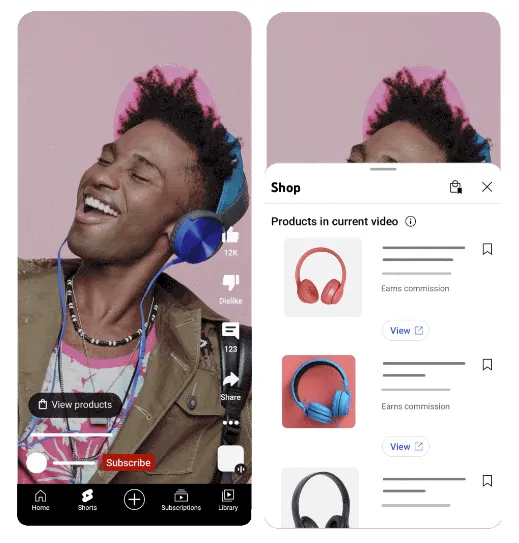
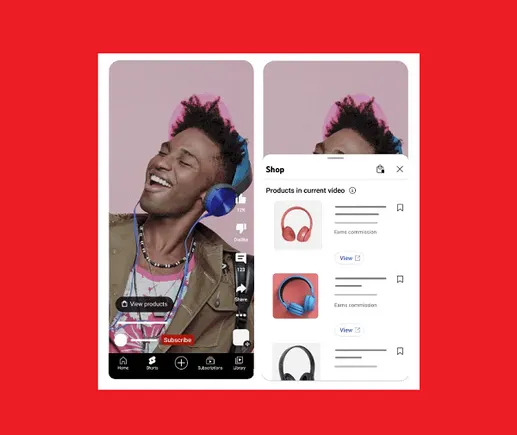
YouTube has engineered the shopping interface to minimize friction between content consumption and the point of sale. When a creator tags a product from Wayfair, M&S, or any other partner merchant, the item appears in a dedicated product shelf beneath the video or within the description box.
Crucially, YouTube has integrated advanced features such as timestamps. Creators can pin specific product tags to exact moments in a video or live stream. For instance, a beauty vlogger reviewing a skincare routine can ensure that the exact moisturizer being applied pops up on screen at the precise second of application. This contextual relevance dramatically increases conversion rates by capturing viewer intent at its peak.
When a viewer clicks a tagged item, they are redirected to the retailer’s website to complete the transaction. YouTube tracks the referral, ensuring that the creator receives their predetermined commission percentage from the resulting sale. This attribution model provides a transparent, performance-based compensation structure that rewards creators directly for their persuasive power.
Official Statements and Industry Perspectives
The strategic vision behind the U.K. expansion reflects a broader organizational pivot under current leadership. YouTube is aggressively positioning itself not merely as a video-sharing repository, but as a comprehensive digital ecosystem where content creation, community engagement, and commerce intersect seamlessly.
In an official statement detailing the U.K. rollout, YouTube outlined the mechanics and vision of the program:
"We’re bringing the YouTube Shopping affiliate program to eligible creators in the U.K. When you join, you’ll be able to tag products from our partner merchants via Wayfair, Currys, Debenhams, Boots, M&S, Etsy directly in your videos, Shorts, and live streams, and earn revenue when your fans buy on the retailer’s site. You can also take advantage of other YouTube Shopping features that make your content more compelling, like timestamps, which allow you to prompt fans to shop at the exact right time."
This sentiment aligns closely with the long-term roadmap articulated by leadership. In his comprehensive 2026 strategic overview, YouTube CEO Neal Mohan emphasized that expanding in-stream shopping options is a top corporate priority. Mohan’s explicit objective is to transform YouTube into “a premier shopping destination,” fundamentally altering how consumers utilize the platform.
Industry analysts note that this shift is essential for YouTube’s financial diversification. While traditional advertising revenue remains the bedrock of Alphabet’s business model, ad markets are notoriously cyclical and vulnerable to macroeconomic pressures. By building a native transaction layer, YouTube creates a resilient, diversified revenue model that captures a slice of the multi-trillion-dollar global e-commerce market, while simultaneously giving creators a compelling reason to remain exclusive to the platform over rivals like TikTok and Meta.
Future Outlook: Challenges and Opportunities in Social Commerce
While the expansion of the YouTube Shopping Affiliate Program into the U.K. is a major milestone, the platform faces both immense opportunities and significant hurdles in cultivating habitual shopping behavior among its user base.
Overcoming Behavioral Inertia
Historically, users visit YouTube with an entertainment, educational, or informational intent—they want to watch a music video, learn how to code, or watch a let’s-play gaming video. Cultivating a "shopping mindset" on a platform historically defined by lean-back media consumption requires changing deeply ingrained user habits. Unlike dedicated e-commerce apps or social platforms like Instagram and TikTok—where visual discovery and impulse purchasing are baked into the core feed architecture—YouTube must convince users that browsing and buying products natively within a video player is a natural, friction-free extension of their viewing experience.
However, YouTube holds a distinct psychological advantage: long-form trust. Unlike fleeting 15-second TikTok videos, YouTube creators often build deep, multi-year relationships with their audiences. A viewer who has watched a tech creator test gadgets for five years is far more likely to trust their product recommendation than a stranger on a short-form feed. This high-trust dynamic could prove to be the secret weapon that drives conversion rates higher than rival platforms.
The Competitive Landscape
The race for social commerce dominance is intensely contested. TikTok Shop has made staggering inroads globally, capturing impulse buys through aggressive in-app checkouts and localized merchant fulfillment. Meta continues to refine its shopping tools across Instagram and Facebook, while Amazon constantly explores ways to blend video content with its retail juggernaut.
For YouTube, the path forward will likely involve further streamlining the checkout process. While redirecting users to merchant sites (such as M&S or Boots) is an effective affiliate model, industry experts suggest that the ultimate goal for platforms is native, in-app checkout—minimizing drop-off rates caused by external browser redirects.
As the U.K. rollout progresses, industry stakeholders will be closely monitoring key performance metrics: creator adoption rates, average order values (AOV), and conversion percentages across partner merchants. If the U.K. experiment proves successful, it will serve as a blueprint for wider European deployments and accelerate YouTube’s journey toward becoming an indispensable nexus where content creation and digital retail converge.