1. Executive Overview
In one of the most significant legal developments in recent cybercrime history, 26-year-old Canadian national Connor Riley Moucka has formally pleaded guilty in federal court to computer fraud, wire fraud, aggravated identity theft, and conspiracy. Operating under online aliases such as "Judische" and "Waifu," Moucka was identified by federal authorities as a primary threat actor behind a devastating cyber-extortion campaign between February and October 2024. The operations systematically targeted cloud data storage environments belonging to customers of the software-as-a-service (SaaS) giant Snowflake.
According to filings by the U.S. Department of Justice (DOJ), Moucka and a tightly knit network of co-conspirators breached the cloud-hosted repositories of at least 165 major organizations. The compromised data spanned terabytes of sensitive corporate secrets and personal information, including call and text message logs belonging to more than 100 million AT&T customers, financial data, driver’s license numbers, Social Security numbers, and Drug Enforcement Administration (DEA) registration numbers.
The enterprise was not merely content with initial breaches; it turned data theft into a lucrative extortion business, garnering more than $2.5 million in illicit ransom payments. Victims who yielded to initial extortion attempts often found themselves targeted again, as Moucka and his associates utilized aggressive tactics—including harassing government officials and security researchers—to maximize financial leverage.
Moucka’s guilty plea brings to light a troubling nexus between technical exploitation, credential harvesting, voice phishing, and extremist online harm communities. It also highlights the extreme vulnerabilities caused by legacy single-factor authentication configurations in critical cloud environments.
2. Detailed Chronology
[2020 – Early 2024] ──> [Feb – Oct 2024] ────────> [Oct 21–30, 2024] ───> [July 2025] ─────────> [Oct 27]
 Moucka active in        Snowflake Credential       RCMP Surveillance      Co-conspirator         Moucka Scheduled
 voice phishing &        Harvesting & Global        & Canadian Arrest      Wagenius Pleads        for Federal
 enterprise breaches    Extortion Campaign         on U.S. Warrant        Guilty                 Sentencing
The Early Phase (2020 – Early 2024)
Long before the mass breach of Snowflake customer environments made global headlines, Moucka operated within elite, English-speaking cybercrime networks specializing in voice phishing (vishing), social engineering, and corporate intrusion. Operating under his primary handle "Judische"—and later expanding to secondary monikers such as "Waifu"—Moucka built a reputation for infiltrating corporate internal systems and extracting proprietary network access.
During this period, investigative reports linked Moucka to threat groups that overlapped with harassment networks known for terrorizing targets, SWATting, and extorting minors. His evolution from initial telecommunications social engineering to large-scale data exfiltration set the operational stage for the events of 2024.
The Cloud Campaign (February – October 2024)
Between February and October 2024, Moucka and his co-conspirators pivoted toward mass exploitation of cloud-hosted data infrastructure. Targeting enterprise instances hosted on Snowflake’s cloud storage platform, the hackers systematically checked stolen credentials harvested from historic infostealer malware logs against corporate login portals.
Because these targeted accounts lacked multi-factor authentication (MFA) protections, the hackers bypassed access barriers without needing sophisticated zero-day exploits. Once inside, they extracted massive database dumps from high-profile corporate clients, including:
- AT&T (Customer call/text interaction metadata)
- Ticketmaster (Customer purchase history and ticketing records)
- LendingTree (Financial and loan inquiry records)
- Advance Auto Parts (Corporate and transactional databases)
- Neiman Marcus (Retail consumer data)
Threatening to auction off or publicly leak these exfiltrated databases on breach forums, the conspirators extracted payments totaling millions in cryptocurrency.
International Arrest and Legal Proceedings (Late 2024 – Present)
By mid-2024, federal law enforcement and private incident response firms had zeroed in on the conspiracy. Working in tandem with the Federal Bureau of Investigation (FBI), the Royal Canadian Mounted Police (RCMP) conducted physical and digital surveillance on Moucka at his residence in Kitchener, Ontario.
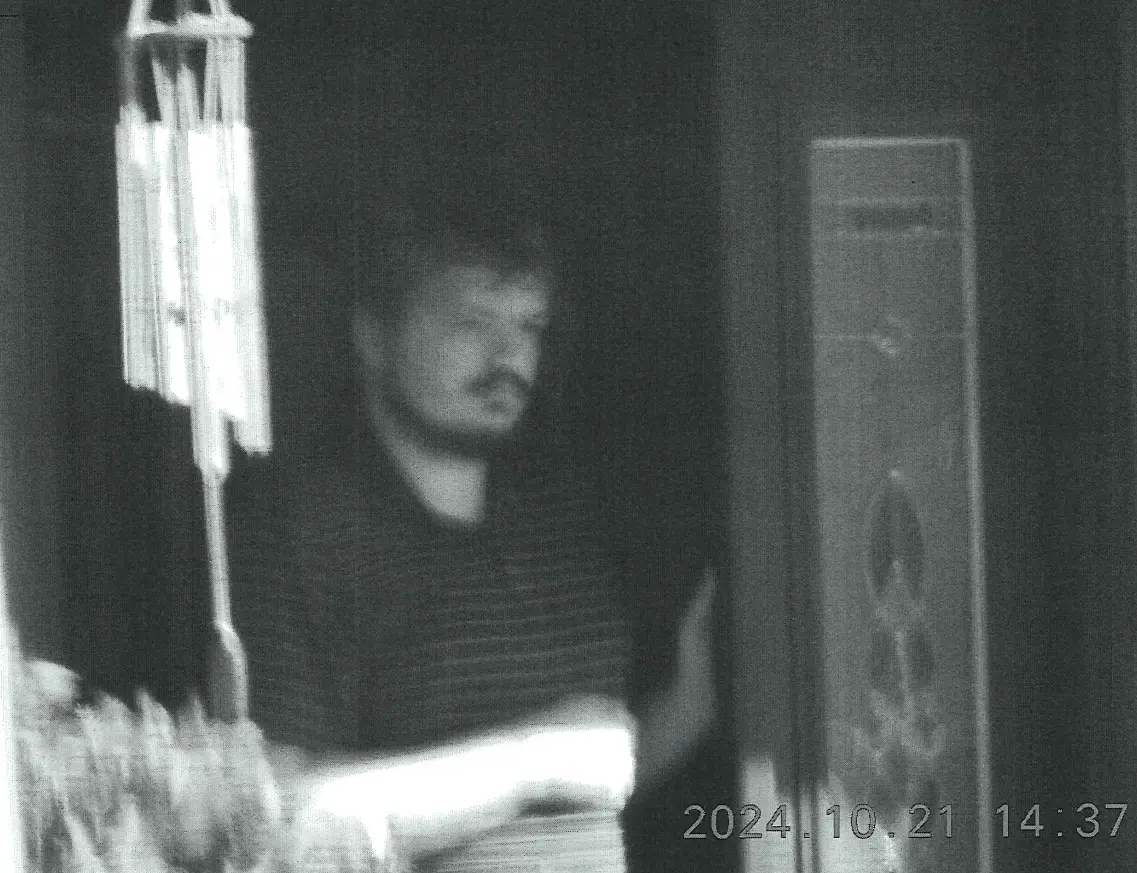
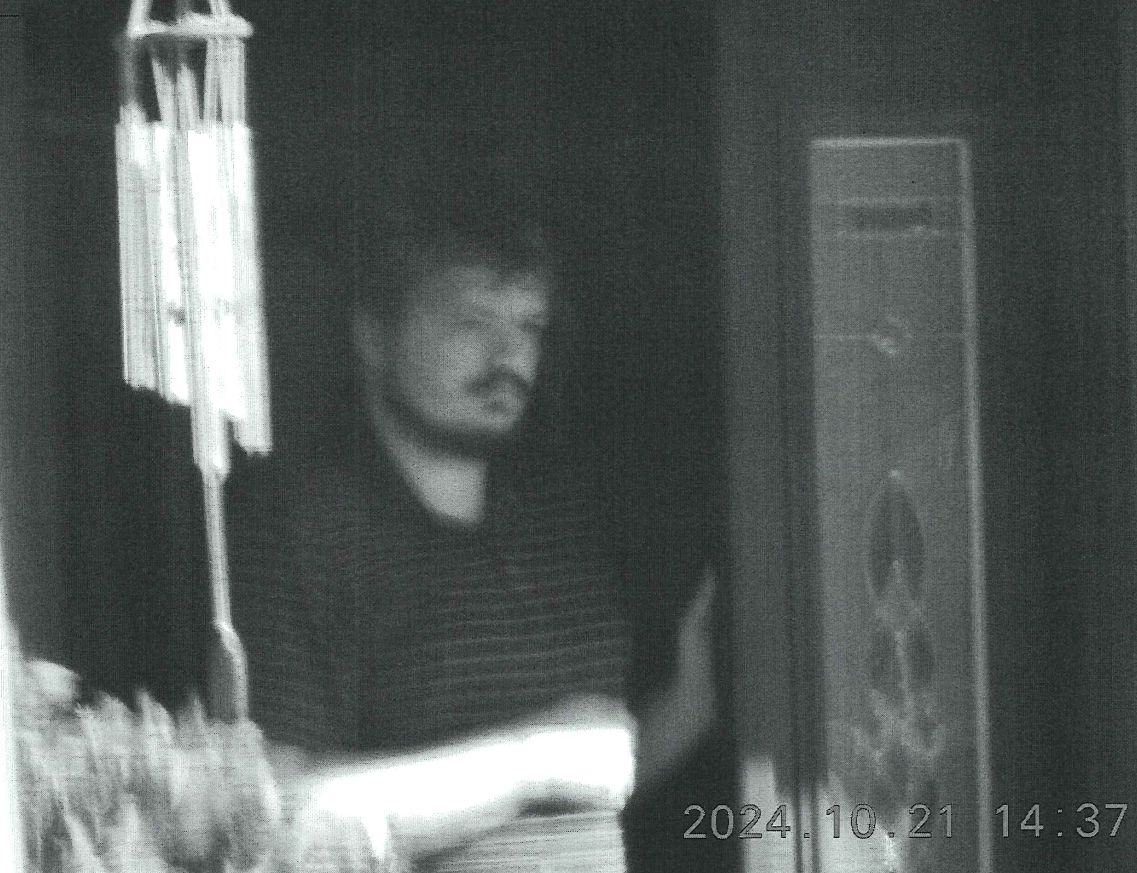
- October 21, 2024: RCMP investigators captured surveillance photos of Moucka, which were later included in court affidavits.
- October 30, 2024: Canadian authorities executed a provisional arrest warrant issued by the United States, taking Moucka into custody.
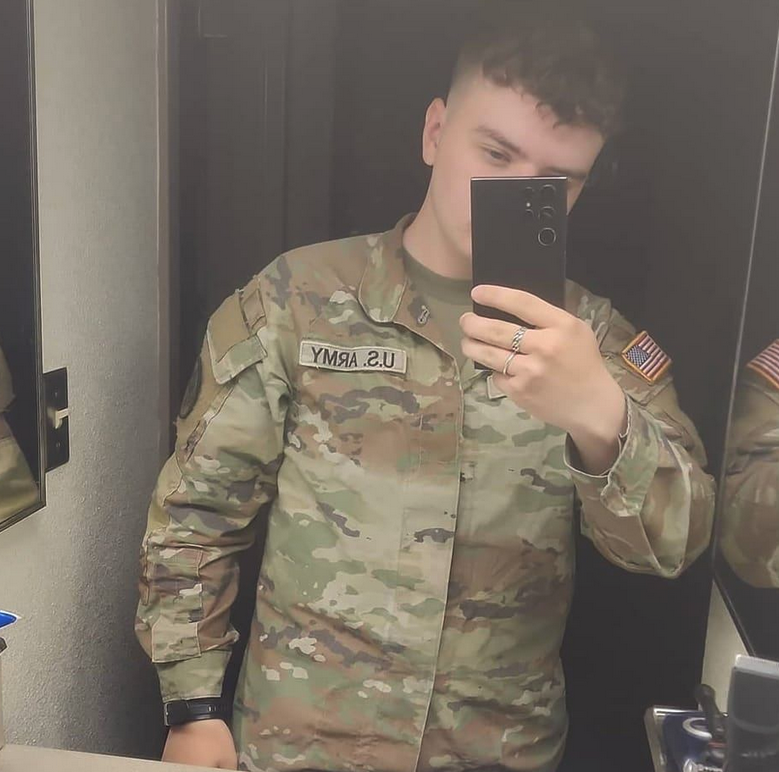
- July 2025: Co-conspirator Cameron "Kiberphant0m" Wagenius, an active-duty U.S. Army soldier, pleaded guilty to his role in extorting telecommunications companies.
- Present: Following his guilty plea to four criminal counts, Moucka faces sentencing in federal court, scheduled for October 27.
3. Supporting Context & Metrics
Key Metrics of the Breach Campaign
| Metric | Details |
|---|---|
| Total Enterprise Victims | At least 165 cloud-hosted customer databases |
| AT&T Records Exposed | Exfiltrated metadata covering 100M+ customer call/text records |
| Ransom Collected | Over $2.5 Million USD in digital assets |
| Data Exfiltrated | Terabytes of sensitive PII, financial records, SSNs, DEA numbers |
| Maximum Penalty (Moucka) | Up to 30 years (counts 1–3) + Mandatory 2 years consecutive (ID Theft) |
Attack Vector Analysis: The Single-Factor Flaw
The primary vector for the breaches was not a zero-day vulnerability in Snowflake’s underlying cloud platform, but rather credential abuse targeting single-factor authentication.
+-----------------------------------+
| Infostealer Malware Logs (Histor.)|
+-----------------------------------+
                  │
                  ▼
+-----------------------------------+
| Valid Corporate Account Credentials |
+-----------------------------------+
                  │
                  ▼
+-----------------------------------+
|  Snowflake Cloud Storage Account  |
|   [ X ] Multi-Factor Auth OFF     |
+-----------------------------------+
                  │
                  ▼
+-----------------------------------+
|   Terabyte Database Exfiltration   |
+-----------------------------------+
Because enterprise clients were permitted to create administrative and operational user accounts protected solely by passwords, threat actors utilized previously stolen login details—often harvested via infostealer infections on employee personal devices—to log into Snowflake environments directly.
In response to the campaign, Snowflake updated its security posture by enforcing stricter password complexity standards and mandating Multi-Factor Authentication across its customer base.
Key Co-Conspirators: A Distributed Cybercriminal Network
1. Cameron "Kiberphant0m" Wagenius
- Role: Co-conspirator, extortionist, and operator across Discord and Telegram channels.
- Background: Served as an active-duty U.S. Army soldier stationed in South Korea during the operational phase of the breach campaign.
- Escalation Tactics: Following Moucka’s arrest in October 2024, Wagenius posted claimed AT&T call logs belonging to then-President-elect Donald Trump and then-Vice President Kamala Harris, along with schematics allegedly exfiltrated from the National Security Agency (NSA).
- Legal Status: Pleaded guilty in July 2025. Facing sentencing on September 3, 2026, with potential penalties reaching up to 27 years in prison (20 years for wire fraud conspiracy, 5 years for computer extortion, and 2 years mandatory consecutive for aggravated identity theft).
2. John Erin Binns ("IRDev" / "IntelSecrets")
- Role: Co-conspirator, infrastructure operator, and veteran hacker.
- Background: A 26-year-old U.S. citizen who originally gained notoriety for his role in the mass 2021 T-Mobile data breach that exposed records of over 76 million customers. Binns subsequently fled the United States to avoid federal prosecution.
- Current Status: After serving time in a Turkish correctional facility, sources indicate Binns was released and successfully acquired Turkish citizenship. Under Turkish constitutional law, citizens are protected from extradition to foreign nations, effectively establishing a legal safe haven from U.S. prosecution.
       ┌────────────────────────────────────────────────────────┐
       │             Snowflake Extortion Network               │
       └───────────────────────────┬────────────────────────────┘
                                   │
         ┌─────────────────────────┼─────────────────────────┐
         ▼                         ▼                         ▼
┌─────────────────┐       ┌─────────────────┐       ┌─────────────────┐
│ Connor R. Moucka│       │ Cameron Wagenius│       │ John Erin Binns │
│  ("Judische")   │       │ ("Kiberphant0m")│       │    ("IRDev")    │
├─────────────────┤       ├─────────────────┤       ├─────────────────┤
│ • Lead Operator │       │ • US Army       │       │ • T-Mobile Hack │
│ • Canadian Nat. │       │ • Extortionist  │       │ • Turkish Citizen│
│ • Awaiting Sent.│       │ • Sent. Sept 2026│      │ • Non-Extraditable│
└─────────────────┘       └─────────────────┘       └─────────────────┘
4. Official Statements & Legal Ramifications
The prosecution of Moucka highlights the federal government’s increasing focus on cyber-extortion schemes targeting critical corporate infrastructure.
Excerpt from U.S. Department of Justice Filing:
"Moucka and others used their unauthorized access to steal billions of sensitive customer records and download terabytes of information, including individuals’ non-content call and text history records, banking and other financial information, payroll records, Drug Enforcement Administration (DEA) registration numbers, driver’s license numbers, passport numbers, social security numbers, and other personally identifiable information. They then extorted victims by threatening to publish data online."
The Justice Department also detailed aggressive re-extortion tactics used against corporate victims and public officials:
"Moucka used the stolen data of a government officer and members of a then-former government officer’s immediate family in this re-extortion attempt."
Legal Penalties Breakdown
- Connor Riley Moucka: Pleaded guilty to four counts: Conspiracy, Computer Fraud, Wire Fraud, and Aggravated Identity Theft.
- Aggravated Identity Theft: Mandatory minimum of 2 years imprisonment.
- Remaining Charges: Maximum penalty of up to 30 years in federal prison.
- Sentencing Date: October 27.
- Cameron Wagenius:
- Conspiracy to Commit Wire Fraud: Maximum 20 years imprisonment.
- Computer Fraud Extortion: Maximum 5 years imprisonment.
- Aggravated Identity Theft: Mandatory consecutive 2 years imprisonment.
- Sentencing Date: September 3, 2026.
5. Future Outlook
The judicial resolution of the Moucka case marks a significant step forward for international law enforcement collaboration, demonstrating the efficacy of cross-border partnerships between the FBI, DOJ, and international agencies like the RCMP. However, the operational lessons left in the wake of the Snowflake breaches highlight lingering systemic challenges across corporate infrastructure and legal jurisdiction.
Identity and Access Management (IAM) Post-Mortem
The primary takeaway for corporate leadership centers on identity security. The breaches demonstrated that cloud platforms are only as secure as their weakest identity configuration.
      Legacy Cloud Strategy               Modern Identity Posture
 ┌─────────────────────────────┐      ┌─────────────────────────────┐
 │ • Single-Factor Passwords   │ ───► │ • Mandatory Phishing-Resist │
 │ • Optional MFA              │      │   MFA Across All Subnets    │
 │ • Static API Key Usage      │      │ • Zero-Trust Access Models  │
 └─────────────────────────────┘      └─────────────────────────────┘
The incident has accelerated corporate trends toward:
- Mandatory Phishing-Resistant MFA: Elimination of SMS and basic push-notification authenticators in favor of FIDO2/WebAuthn hardware tokens.
- Automated Credential Monitoring: Scanning dark web marketplaces for corporate credentials exposed via consumer infostealer infections.
- Zero-Trust SaaS Architecture: Implementing strict conditional access rules restricting administrative cloud logins based on device health and geographic IP ranges.
The Geopolitical Safe-Haven Dilemma
While Moucka and Wagenius face decades in U.S. federal custody, the situation surrounding John Erin Binns points to a persistent gap in global cybercrime enforcement. As threat actors acquire citizenship in non-extradition countries such as Turkey, Russia, and Iran, cybercriminal leadership often operates beyond the reach of Western judicial systems.
As Moucka awaits his October 27 sentencing, the case remains a reminder that complex enterprise hacks often rely on simple identity oversights. Enterprise security teams now face a mandated mandate: enforce strict access controls across all cloud environments, or risk becoming the next entry in a federal criminal indictment.