









Decoding Enterprise AI Economics: How Microsoft Foundry Re-Engineers the Runtime Architecture of Autonomous Agents

Executive Overview As enterprise adoption of generative artificial intelligence accelerates, organizations face a stark economic reality: the architectural paradigms that power successful proof-of-concept prototypes are failing under the weight of production scale. In the rush to demonstrate capability, engineering teams habitually deploy top-tier frontier models paired with hyper-verbose context windows. While effective for validating feasibility,…

Read Full News

The Microeconomics of Autonomous AI: Enterprise Strategies for Runtime Agent Optimization

Executive Overview As enterprise software transitions from single-turn Large Language Model (LLM) queries to complex autonomous agents, enterprise technology leaders face an unprecedented infrastructure challenge: the silent exponential inflation of artificial intelligence operational expenditure. Unlike early generative AI implementations—which operated on a predictable, linear request-and-response model—modern agentic architectures rely on iterative loops. A single business…

Read Full News

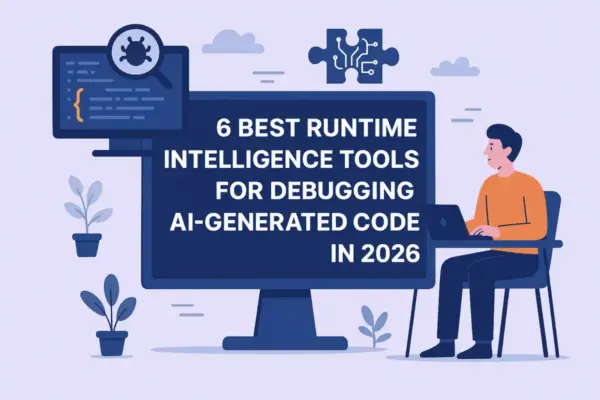
The Production Paradox: Why AI-Generated Code is Failing in the Wild—and How Runtime Intelligence is Reshaping Software Engineering

Executive Overview The software industry is currently navigating a profound and disruptive paradigm shift. Artificial intelligence coding assistants and autonomous agents have transformed how code is written, shifting the bottleneck of software development from manual typing to automated generation. Developers can now draft complex modules, bootstrap complete microservices, and refactor sprawling repositories in minutes rather…

Read Full News

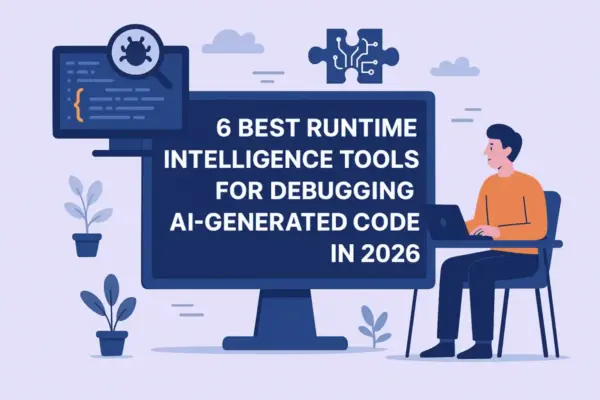
The Autonomous Blind Spot: Why AI-Generated Code is Crashing in Production—And the Rise of Runtime Intelligence

Executive Overview The paradigm of software development has shifted seismically. Autonomous AI coding agents, copilot suites, and automated pull-request generators now write a staggering share of enterprise codebases. Yet, behind the corporate excitement of hyper-accelerated feature velocity lies a compounding, highly disruptive crisis: code that passes every local test suite, complies with static analysis rules,…

Read Full News

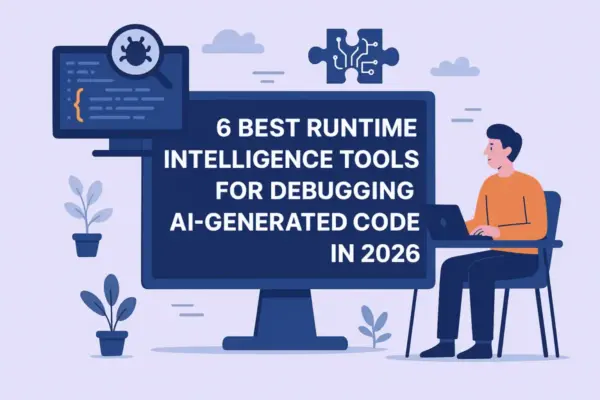
Bridging the Real-World Gap: Why AI-Generated Code Demands Next-Generation Runtime Intelligence

Executive Overview The software engineering landscape is undergoing a structural paradigm shift. Autonomous AI coding agents, large language model (LLM) pair programmers, and automated code-generation pipelines are no longer experimental novelties; they are foundational components of modern development lifecycle architectures. Yet, this acceleration in code generation has laid bare a critical vulnerability: AI-generated code that…

Read Full News

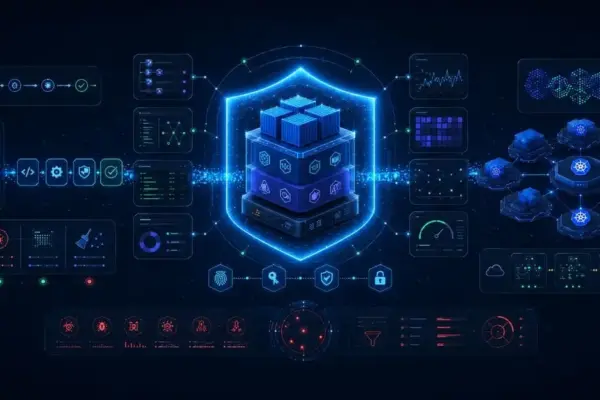
Securing the Software Supply Chain at Runtime: RapidFort Expands Threat Elimination into Production Environments at Black Hat USA

Executive Overview At the 2026 Black Hat USA conference, software supply chain security pioneer RapidFort made a landmark announcement that fundamentally redefines how organizations protect open-source software (OSS). The company officially launched the RapidFort Runtime platform, extending its industry-leading threat elimination capabilities from development pipelines directly into live production environments. For years, DevSecOps teams have…

Read Full News