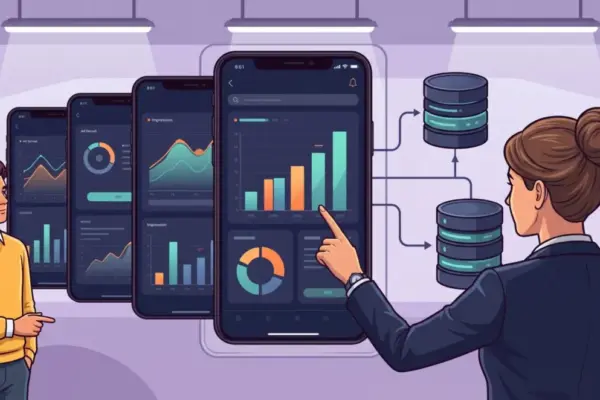
Visual Studio Code 1.133 Redefines AI Development: The Architectural Shift to Independent Agent Hosts

Executive Overview The landscape of AI-assisted software engineering underwent a foundational shift on August 12, with Microsoft’s rollout of Visual Studio Code version 1.133. While minor point releases often bring superficial cosmetic tweaks or iterative bug fixes, version 1.133 introduces an architectural overhaul that fundamentally alters how developers interact with artificial intelligence. At the center…

Read Full News

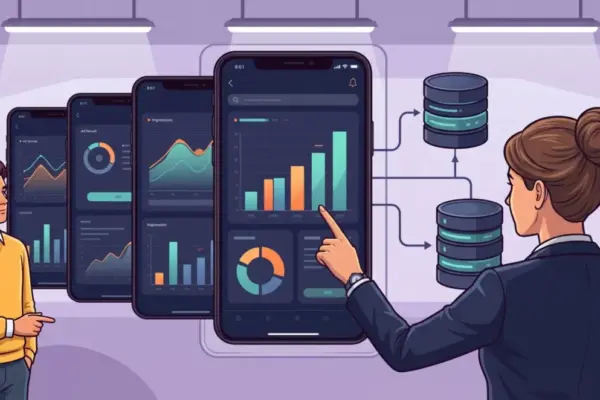
Architectural Survival: Microsoft Azure Redefines Enterprise Resiliency in an Era of Geopolitical and Sovereign Risk

Executive Overview In an enterprise landscape increasingly defined by cross-border regulatory demands, geopolitical shifts, and sophisticated cyber threats, cloud resiliency is undergoing a fundamental transformation. What was once evaluated strictly through the lens of uptime metrics—such as percentage-based Service Level Agreements (SLAs), mean time to recovery (MTTR), and failover speeds—has evolved into a baseline requirement…

Read Full News

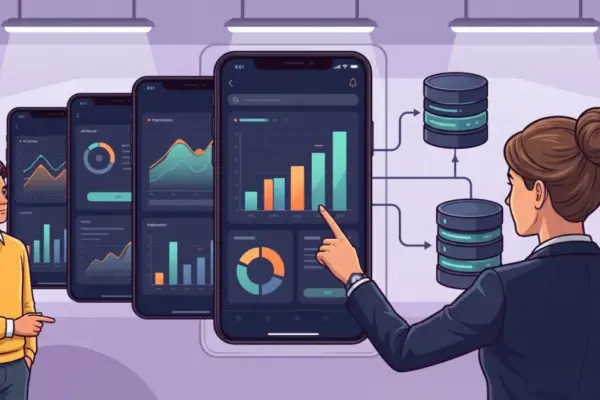
Architectural Breakthrough in Telco AI: How AT&T Built OTel2.0 at Trillion-Token Scale with Open Source and Managed Infrastructure

Executive Overview As hyper-scale artificial intelligence reshapes corporate enterprise strategy, the global telecommunications sector faces a unique structural hurdle: commercial frontier models, despite their broad fluency, routinely fail to grasp the hyper-specialized operational realities of modern network engineering. Telecommunications networks operate on complex layers of proprietary telemetry, intricate 3GPP (3rd Generation Partnership Project) standards, localized…

Read Full News

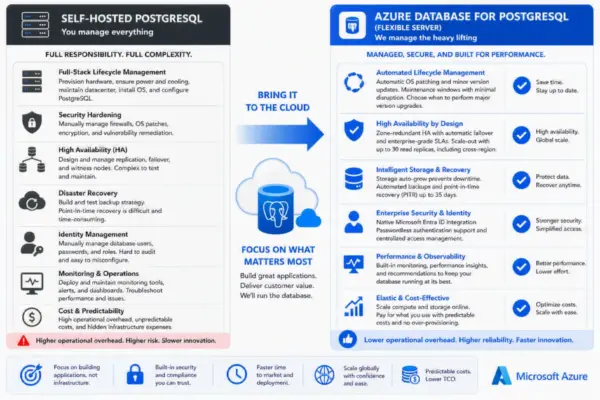
Mastering Cloud Economics: How Enterprise Architectural Discipline is Reshaping Azure IaaS Optimization

Executive Overview As global enterprises aggressively accelerate digital transformation—migrating mission-critical legacy architectures, engineering cloud-native microservices, and deploying resource-intensive artificial intelligence (AI) models—cloud cost efficiency has transformed from a periodic financial exercise into an existential architectural requirement. The financial realities of modern cloud computing dictate that managing total cost of ownership (TCO) is no longer merely…

Read Full News

Securing the Probabilistic Perimeter: Architectural Governance and Authorization in Model Context Protocol (MCP) Deployments

Executive Overview The rapid integration of Large Language Models (LLMs) into enterprise workflows has fundamentally altered the traditional boundaries of software engineering. For decades, the path from user intent to backend execution was governed by deterministic application code—tightly coupled, strictly validated, and thoroughly tested within predictable state machines. However, the advent of the Model Context…

Read Full News