By Chris Kerr
Senior Editor, News, GameDeveloper.com
August 3, 2026
Executive Overview
The video game industry’s fragile relationship with publisher funding and platform-exclusive commissioning has claimed another studio. In the wake of shipping FIFA World Cup: Launch Edition for Netflix Games, sports game specialist Refactor Games has abruptly closed its doors. Multiple former employees have stepped forward to confirm that the U.S.-based developer was completely shuttered by its part-owner and financial backer, Delphi Interactive.
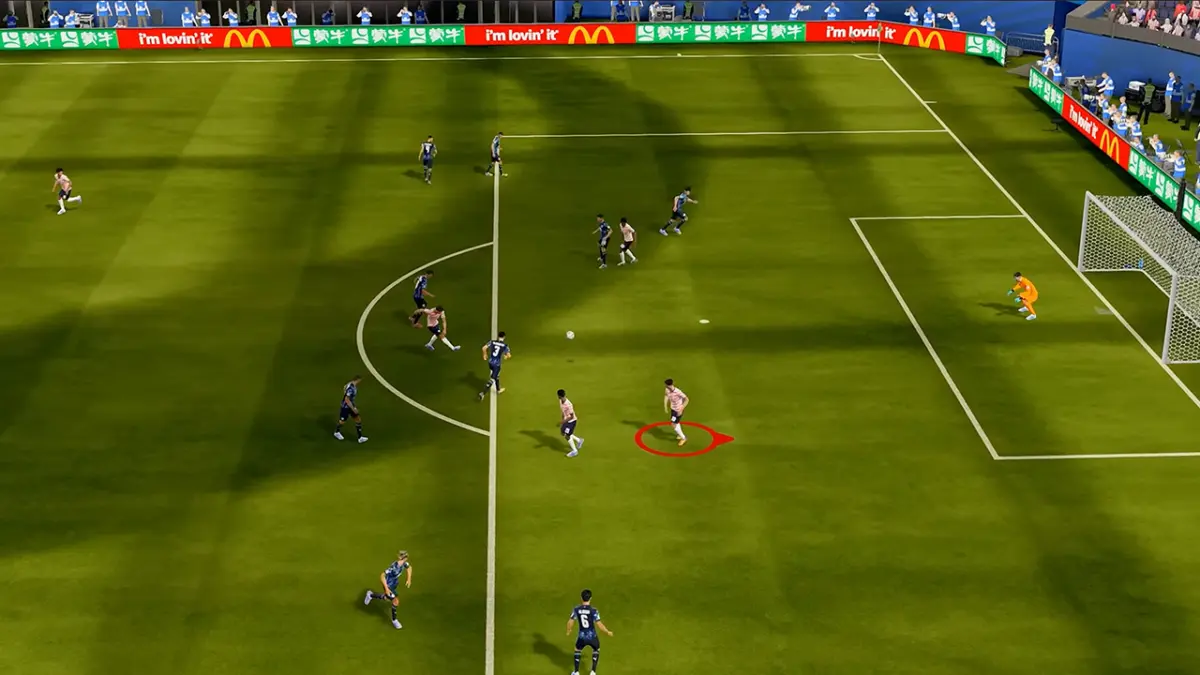
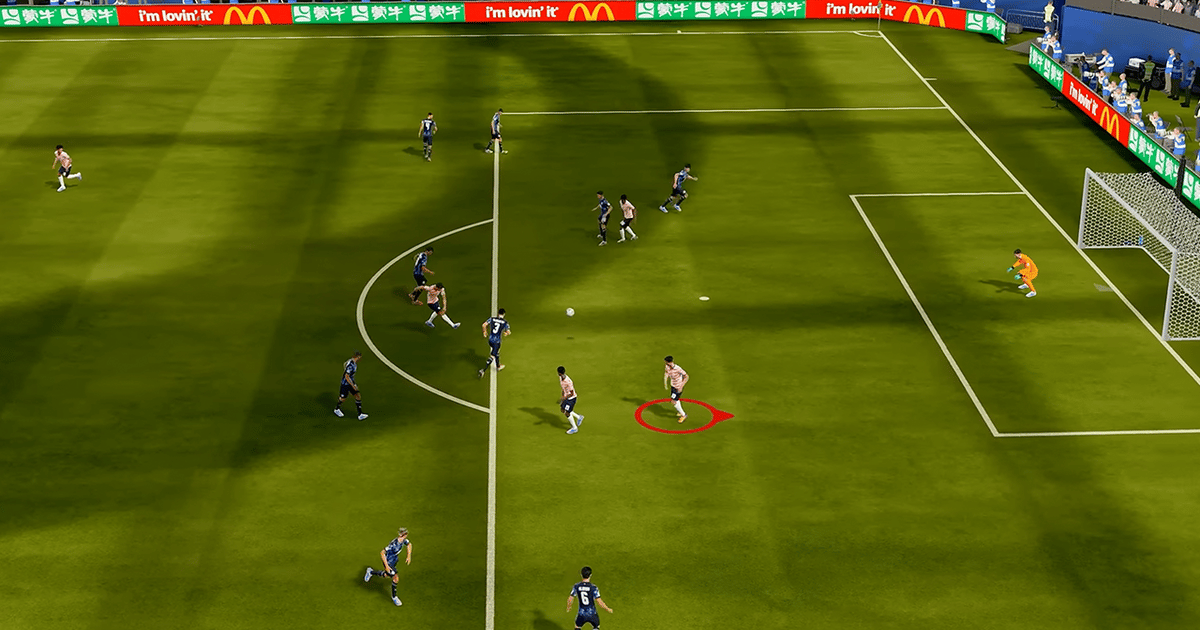
The closure comes just weeks after the high-profile release of FIFA World Cup: Launch Edition, an international soccer simulator that debuted exclusively on Netflix Games in June 2026. While the title was heavily scrutinized and critically panned by traditional gaming outlets, Netflix publicly lauded the project as a "top-tier" commercial performer. Despite this corporate optimism, the developer responsible for bringing the project to life was liquidated overnight, highlighting a recurring and predatory cycle in modern game development where creative teams are discarded the moment a master project is completed.
Detailed Chronology: From ‘Football Simulator’ to Sudden Liquidation
To understand the abrupt termination of Refactor Games, one must look at the studio’s specialized trajectory. Founded as an ambitious U.S. studio, Refactor positioned itself as a boutique powerhouse for sports video games. The team was composed of industry veterans boasting impressive résumés with heavyweights like EA Sports, 2K Sports, and OneTeam Partners. This pedigree gave them deep domain expertise in navigating the complex licensing, physics modeling, and audience expectations inherent to sports simulations.
In 2022, Refactor made its industry debut by launching Football Simulator into early access. The project aimed to offer a granular, community-driven alternative to mainstream gridiron offerings, establishing the studio’s technical chops. However, the immense costs of scaling up, combined with shifting industry investment climates, forced the developer to seek strategic partnerships.
Enter Delphi Interactive. Earlier this year, Delphi confirmed in a comprehensive interview with GamesIndustry.biz that it held a partial ownership stake in Refactor Games, acting as both a developmental partner and a financial gatekeeper. Together, Delphi and Refactor undertook a high-stakes commission: FIFA World Cup: Launch Edition.
Tasked with bringing the world’s most prestigious soccer tournament to Netflix’s burgeoning mobile gaming catalog, the team worked furiously toward a June 2026 launch window. Yet, the moment the master build was delivered and the game went live, the safety net vanished. According to multiple displaced employees, Delphi pulled the plug on funding instantly, effectively locking the doors and laying off the entire staff without a transitional phase or runway.
Supporting Context & Metrics: The Paradox of Netflix Games and Critical Reception
The sudden liquidation of Refactor Games underscores a jarring disconnect between critical reception, platform metrics, and studio sustainability.
When FIFA World Cup: Launch Edition rolled out exclusively on Netflix Games in June 2026, it was met with a wave of harsh reviews. Critics pointed to technical limitations, shallow gameplay loops, and a lack of the polished depth traditionally expected from major soccer franchises. For a studio historically aiming at dedicated sports simulation enthusiasts, the stripped-down mobile iteration felt compromised.
However, the metrics that matter to subscription-based services like Netflix operate on a different frequency. Unlike traditional console releases where units sold dictate financial health, Netflix evaluates its gaming division based on user acquisition, engagement duration, and app store retention. Despite the critical panning, Netflix executives publicly championed the title, categorizing the release as a "top tier" performer that drove significant user interaction across its service.
This creates a chilling corporate paradox. The game achieved the strategic KPIs set by its platform distributor, yet the studio that executed the vision was deemed disposable. Industry analysts note that this is becoming an increasingly common trend in contract-for-hire and co-development models. Publishers secure external talent to build specific platform-exclusive products under tight deadlines, only to dissolve the operational overhead as soon as the project shifts from "development" to "live-service maintenance" or simple catalog upkeep.
Voices from the Ground: Employee Testimonials
The tech and game development sectors learned of the closure not through an official press release from Delphi Interactive or Netflix, but via raw, emotional posts on professional networks like LinkedIn.
"Delphi just pulled the plug on Refactor studios right after we shipped the FIFA World Cup game for Netflix," wrote one former Refactor employee. "The entire studio was let go today so if anyone is looking for talent I can put you in contact with some pretty awesome folks."
Another impacted worker elaborated on the mechanical reality of the shutdown, pointing directly to the withdrawal of financial backing:
"After shipping the FIFA World Cup Launch Edition for Netflix Games, the studio’s parent company unfortunately pulled funding, and the entire team, myself included, was laid off."
These testimonials paint a picture of an unsuspecting workforce blindsided by corporate maneuvering. For developers who spent months crunching to meet the rigorous demands of a global sports license and a major streaming partner, the reward was immediate unemployment, stripped of any equity or long-term upside from the game’s platform success.
Game Developer has reached out to both Delphi Interactive and Refactor Games for formal comment regarding the terms of the closure and the status of ongoing post-launch support for the title. At the time of publication, neither entity has responded.
Future Outlook: Industry Implications and the Fate of Contractual Development
The demise of Refactor Games is more than an isolated tragedy for a single U.S. studio; it is a symptom of a systemic illness plaguing mid-sized independent developers in the mid-2020s.
As major tech companies like Netflix, Apple, and Amazon aggressively expand their footprints in the interactive entertainment space, they rely heavily on third-party studios to supply content. These platform deals often provide a guaranteed revenue floor for developers struggling to secure venture capital in a risk-averse market. However, as Refactor’s fate demonstrates, relying on a singular publishing partner or parent company creates an existential single point of failure.
Furthermore, the incident raises pressing questions about the ethics of co-development ownership models. When a firm like Delphi Interactive takes a stake in an independent studio while simultaneously dictating project pipelines, the traditional protections of indie independence evaporate. Developers trade their autonomy for funding, only to find that the capital can be withdrawn at a moment’s notice the second a milestone is checked off.
As the industry processes yet another mass layoff event, the immediate priority for the broader game development community has turned to mutual aid. Former Refactor staff are actively leveraging social platforms to circulate talent spreadsheets, ensuring that the veteran engineers, artists, and designers behind the studio’s sports catalog find stable homes.
Nevertheless, the shadow cast by Delphi’s actions remains. Until structural reforms or stronger collective bargaining models take root across game development studios, the completion of a major milestone will remain terrifyingly synonymous with the end of the line.