Executive Overview
In a landmark legal decision that highlights the complexities of corporate rebranding in the digital age, a federal court has handed Elon Musk’s X Corp. a mixed victory in its legal battle against a rival startup. Chief Judge Colm Connolly of the U.S. District Court issued a preliminary injunction on Thursday blocking Operation Bluebird—a member-owned platform looking to launch an alternative service—from capitalizing on the "Twitter" name.
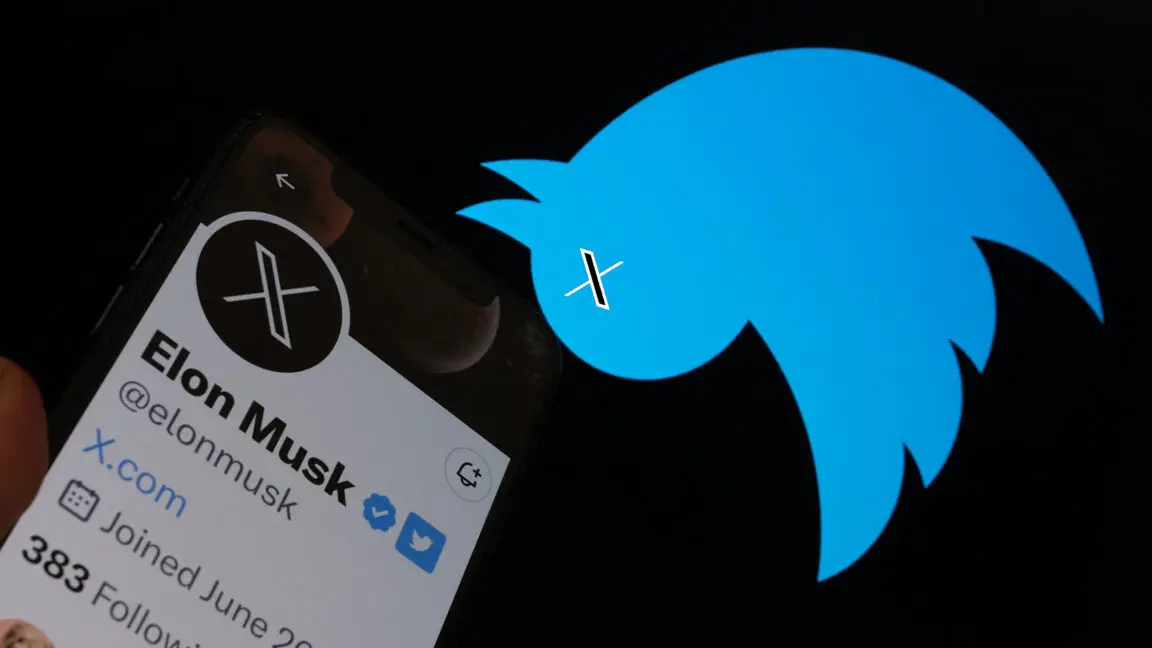
However, the courtroom win came with a significant caveat. While X successfully defended the commercial equity tied to its former moniker, the company failed to convince the court that it retains exclusive rights to the iconic blue bird logo and the ubiquitous term "tweet." According to the court, public statements made by Musk himself, combined with a stark lack of active, bona fide commercial use, signaled an explicit corporate abandonment of those foundational visual and linguistic assets.
For Operation Bluebird, the ruling represents a tactical validation. Though barred from naming its venture "Twitter," the startup quickly pivoted, rebranding its nascent project as "Tweet.App." This high-stakes legal clash underscores the fragile nature of intellectual property during aggressive corporate overhauls, exposing how swift, sweeping aesthetic pivots can inadvertently forfeit decades of accumulated brand equity.
Detailed Chronology and Legal Arguments
The legal showdown began when Operation Bluebird sought to establish a cooperative social network designed to counter billionaire-controlled platforms, eventually staking a claim on the domain twitter.new. In response, X Corp. filed a trademark infringement and dilution lawsuit, arguing that any external attempt to revive or utilize its historical brand identifiers would confuse consumers and misappropriate its enduring goodwill.
Saving "Twitter" Through the App Store
X’s path to victory regarding the "Twitter" name hinged on a surprisingly simple detail: a parenthetical clause tucked away in the metadata of Apple’s App Store.
In the initial app listing for X, the platform explicitly states: "Welcome to X (formerly known as Twitter)." During court proceedings, X’s legal director, Naser Baseer, testified that this phrasing was added deliberately. The strategy was designed to ensure that users searching for legacy terms across various app marketplaces would easily locate the platform and understand that X was the direct continuation of the original service.
Chief Judge Connolly noted that this single clause successfully thwarted Operation Bluebird’s primary defense: that X had entirely abandoned the Twitter name. Because the App Store listing continually reinforces the connection between the old brand and the new platform, X maintains an active commercial interest in the name. Consumer surveys further corroborated this finding, demonstrating that Twitter remains a globally recognized, commercially powerful brand. By associating X with Twitter in the App Store, the company continues to harvest the residual goodwill of its predecessor. Consequently, the court ruled that Operation Bluebird would be irreparably harmed if permitted to use the name, leading to the preliminary injunction.
The Abandonment of the Bird Logo and "Tweet"
While the App Store metadata rescued the "Twitter" name, X’s defense collapsed when it came to the blue bird logo and the word "tweet."
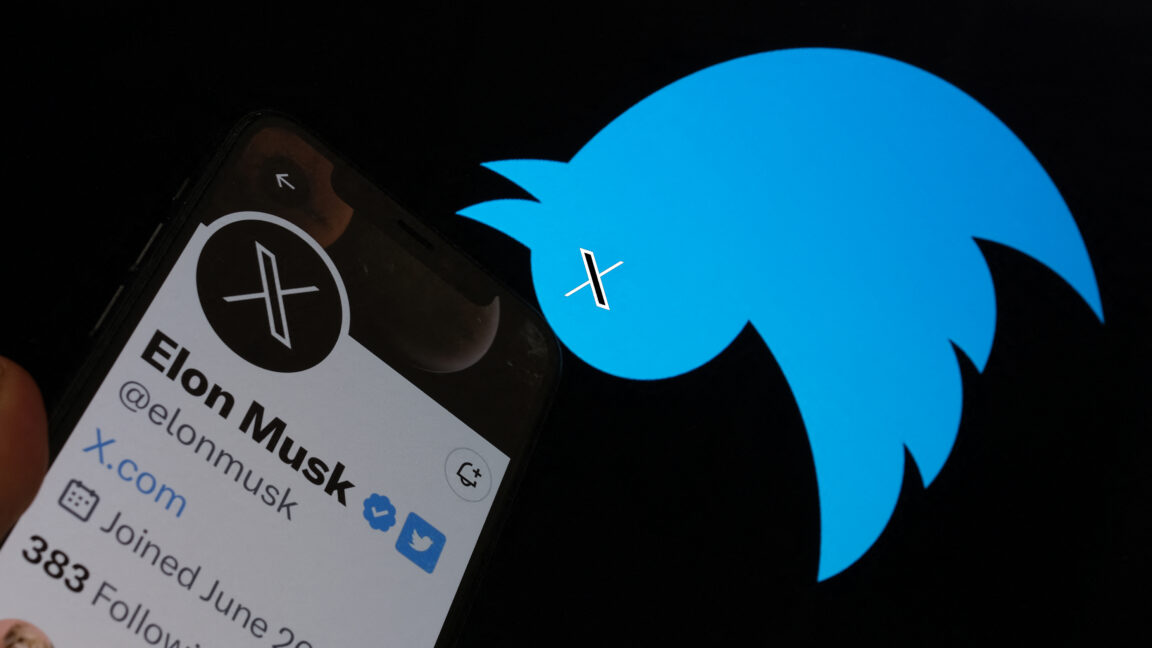
Operation Bluebird successfully argued that X had abandoned these marks through explicit corporate actions and public pronouncements. The startup pointed to numerous high-profile statements made by Elon Musk following his acquisition of the platform, including declarations that the company would soon "bid adieu to the Twitter brand and, gradually, all the birds" and that workers were literally "cutting the Twitter logo off the building with blow torches."
Faced with this overwhelming public record, X scrambled to present evidence of ongoing use. The company pointed to:
- Legacy Webpages: X uncovered 12 undated, forgotten webpages that still featured the bird logo or mentioned the word "tweet." However, the court determined these were merely remnants of prior ownership that had been inadvertently overlooked during the frantic 2023–2024 rebranding, rather than evidence of active, bona fide commercial use.
- Inactive Accounts: Legacy social media accounts, such as the deactivated
@twitterhandle which redirects users to@x, were similarly dismissed by the judge as "relics of the past." - Stale App Installations: In an unusual move, X’s legal counsel presented screenshots showing the legacy Twitter app installed on a lawyer’s personal device, claiming over 200,000 users still ran the legacy software. Judge Connolly swiftly rejected this, noting a total lack of substantiating evidence and pointing out that Baseer admitted he did not even know what a "push update" was.
- Vendor Onboarding Communications: X submitted a heavily redacted October 2025 email inviting a vendor to register as a Twitter supplier, featuring attachments with the bird logo. The court discarded this evidence, noting that the solicitation of vendors does not constitute advertising or selling services to the general public, thereby failing to establish trademark use.
Concluded Judge Connolly: "I find it likely that Bluebird will succeed in strictly proving that X Corp. has discontinued bona fide use of the Tweet mark and Bird logo."
Supporting Context & Metrics
The transition from Twitter to X remains one of the most abrupt and aggressively executed corporate rebrandings in technology history. Transitioning a platform with hundreds of millions of active monthly users away from a universally recognized cultural verb ("to tweet") and a globally famous logo was bound to create legal vulnerabilities.
| Trademark Asset | Legal Status Post-Ruling | Key Evidence Relied Upon |
|---|---|---|
| "Twitter" (Name) | Protected in favor of X Corp. | App Store parenthetical ("formerly known as Twitter") and ongoing domain redirects. |
| The Blue Bird Logo | Deemed abandoned; use permitted for Operation Bluebird. | Musk’s public statements ("cutting the logo off the building") and lack of active commercial deployment. |
| The Term "Tweet" | Deemed abandoned; use permitted for Operation Bluebird. | Absence of bona fide marketing usage and overlooked legacy web remnants. |
The financial and operational stakes of this ruling extend far beyond a single courtroom. For X, maintaining exclusive control over the "Twitter" name prevents direct consumer confusion and protects its unique position in app marketplaces. For Operation Bluebird—which has already captured the attention of over 172,000 users requesting handles on its alternative platform—winning the right to use "Tweet" provides an invaluable marketing foothold.
Official Statements and Industry Reactions
Following the release of the judicial opinion, representatives from both sides of the legal aisle voiced their perspectives on the outcome.

Stephen Coates, President of Operation Bluebird, celebrated the decision in a press statement provided to Ars Technica:
"They kept the word. They let go of the bird, and they let go of the tweet."
Durk Barnhill, Chief Marketing Officer for Operation Bluebird, echoed this sentiment, calling the ruling a "huge win" for the startup. Capitalizing on the legal clarity regarding the "tweet" mark, Operation Bluebird immediately initiated a formal rebrand, transitioning its public-facing identity from twitter.new to Tweet.App.
X Corp. representatives have yet to issue a formal corporate statement addressing the loss of the bird logo and tweet trademarks, though legal filings indicate the company intends to defend its remaining core intellectual property aggressively as the litigation proceeds toward a final resolution on the merits.
Future Outlook
The preliminary injunction is a temporary measure, and full litigation on the merits will continue to play out in the federal court system. However, the immediate practical consequences of Judge Connolly’s ruling are already reshaping the competitive landscape.
What Lies Ahead for Operation Bluebird?
Operation Bluebird faces minor operational hurdles as it completes its transition to Tweet.App. Early technical glitches—such as domain redirects temporarily reverting to legacy landing pages—are currently being ironed out by the startup’s engineering team. With the legal clearance to use "Tweet" secured, the platform plans to move forward with its member-owned model. Designed as an explicit ideological alternative to billionaire-controlled social networks, Tweet.App charges users a nominal $20 fee to join, promising a governance structure free from the turbulence and trust deficits that have plagued X under Musk’s leadership.
The Broader Lesson for Corporate Rebranding
For corporate legal teams and executives, the X-versus-Bluebird case serves as a cautionary tale. It demonstrates that a corporate rebrand cannot be executed merely through sweeping executive orders, public declarations, and dramatic physical changes at headquarters. Trademarks are living legal rights that require continuous, bona fide commercial use to survive. By leaving behind unintentional digital breadcrumbs while simultaneously declaring the old brand entirely dead, companies risk losing valuable historical assets to nimble competitors waiting in the wings.