In the modern digital economy, the chasm between a struggling online venture and a thriving enterprise rarely comes down to product quality or market timing. More often than not, it is decided by the written word. For entrepreneurs who have scaled their ventures past the elusive seven-figure mark, copywriting is not merely a creative endeavor—it is the foundational engine of customer acquisition. Nearly all significant revenue streams in high-growth digital businesses stem from deliberate, persuasive written channels: blog posts, social media distributions, and targeted email newsletters.
Yet, a persistent misconception plagues the industry: the belief that exceptional copywriting requires eloquent, flowery prose. In reality, market performance dictates precisely the opposite. The most lethal copywriters are those who prioritize absolute clarity, ruthless conciseness, and an unwavering focus on converting casual readers into paying customers.
This deep-dive analysis examines ten foundational strategies extracted from seasoned agency founders and partners at premier digital marketing institutions like Copyblogger. By pivoting the focus from abstract literary craftsmanship to measurable return on investment (ROI), aspiring marketers and business owners can transform words into a predictable growth asset.
Detailed Chronology: The Evolution of a High-Converting Copywriter
Mastering the art and science of persuasive writing is not an overnight transformation; it is a structured discipline that evolves through distinct operational phases. Understanding this evolutionary timeline helps practitioners bypass amateur mistakes and accelerate their path to profitability.
Phase 1: Immersion and Audience Empathy
The journey begins not with a blank document, but with intensive customer research. Novice writers stare at screens waiting for inspiration, while master copywriters immerse themselves in the psychological reality of their prospects.
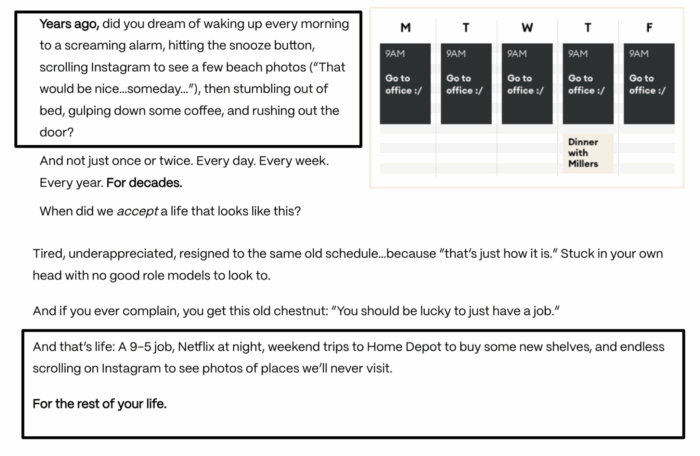
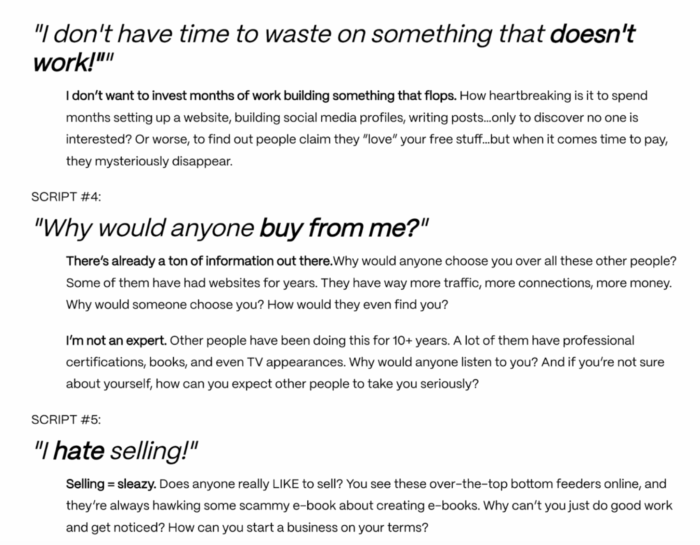
Deconstructing Realities: As demonstrated by industry veterans like Ramit Sethi on landing pages for high-ticket courses, effective copy does not merely pitch a solution—it mirrors the exact, mundane pain points of the target audience. By identifying the friction of a standard 9-to-5 routine, evening television habits, and weekend chores, copywriters prove an intimate understanding of the prospect’s world.
Tactical Data Gathering: When direct customer interviews are impossible due to tight project deadlines, professionals audit sales team transcripts, mine customer relationship management (CRM) records using AI tools to isolate objections, and analyze vibrant online communities like Reddit and niche Facebook groups. This uncovers the precise vernacular, emotional triggers, and vocabulary of the buyer persona.
Phase 2: Competitive Intelligence and Swipe Files
Reinventing the wheel is a luxury high-earning copywriters cannot afford. The second phase of development involves studying market leaders who have already deployed significant capital testing messaging variations.
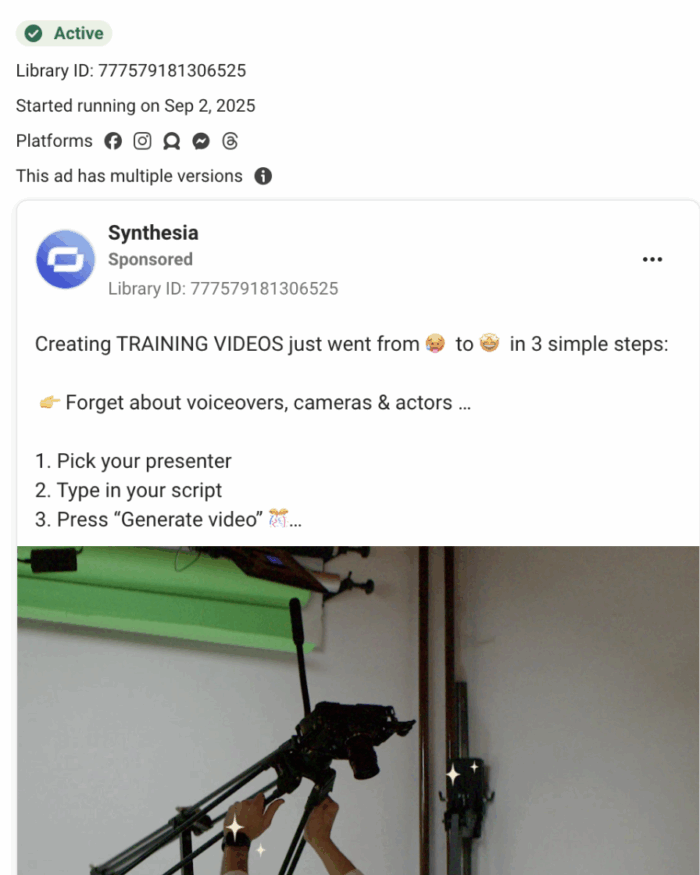
Leveraging Ad Libraries: By systematically reviewing LinkedIn and Meta ad libraries, analysts identify long-running campaigns. Advertisements that run uninterrupted for months indicate a validated, high-performing pain point.
Building Curated Archives: Establishing a personal swipe file—and cross-referencing industry standards like Neville Medhora’s SwipeFile.com—allows writers to dissect structural patterns, compelling hooks, and high-converting calls to action (CTAs) deployed by elite practitioners.
Phase 3: Process Standardization and AI Integration
As copywriting volume scales, survival depends on systematic workflows rather than erratic bursts of creativity.
The Blueprint Approach: A reliable writing process eliminates writer’s block. Breaking down content creation into sequential steps—such as outlining core objections, integrating strategic pain points, drafting body paragraphs, and refining CTAs—guarantees consistent quality across blog posts, sales funnels, and email sequences.
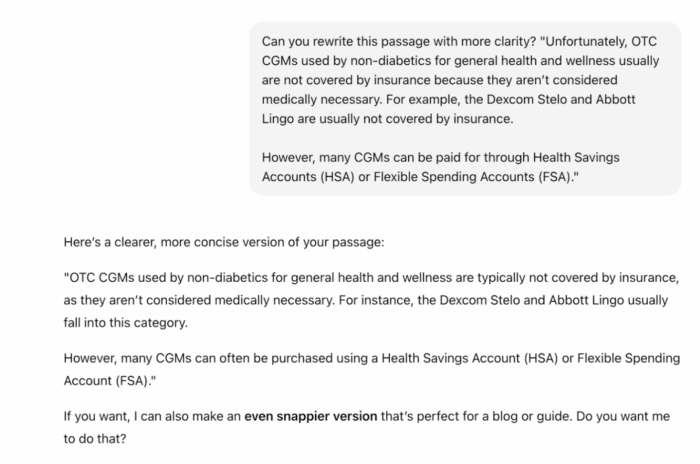
Ethical AI Utilization: Rather than using artificial intelligence to blindly generate generic copy, top-tier writers treat AI as a research and phrasing assistant. ChatGPT serves as a sounding board for mapping out target pain points, rewording dense passages for maximum clarity, and sourcing relevant expert commentary from industry leaders.
Supporting Context & Metrics: Tying Copy to Revenue
In the realm of digital marketing, subjective feedback is the enemy of progress. If a piece of copy is handed to ten different reviewers, it will return ten conflicting opinions. True professionals anchor their evaluations in hard metrics and verifiable return on investment.
Decoding Channel-Specific Analytics
1. LinkedIn and X (Twitter) Ghostwriting
Vanity metrics—such as likes, impressions, and general shares—often create a false sense of security. High-earning copywriters do not optimize for universal applause; they optimize for audience composition.
Evaluating Commenters: For B2B software sales, engagement from junior interns holds virtually zero commercial value. Success is measured by the caliber of the commenters—such as sales directors, C-suite executives, and decision-makers.
Attribution Tracking: Integrating explicit inquiry options on demo sign-up forms, asking "How did you hear about us?" with a specific citation for a founder’s social media channel, bridges the gap between social output and pipeline revenue.
2. Blog Content and Search Engine Optimization (SEO)
Traffic volume alone does not pay bills. A cybersecurity enterprise targeting Fortune 500 corporations gains nothing from thousands of website visits generated by students researching entry-level careers.
Conversion-Driven Analytics: By configuring advanced conversion tracking within platforms like Google Analytics 4 (GA4), marketing teams trace organic traffic directly down the funnel to closed-won deals.
Intent over Traffic: Content designed around purchase intent consistently outperforms broad, high-volume informational articles, directly justifying higher retainer fees for specialized copywriters.
3. Sales Pages and Email Funnels
Direct-response sales funnels offer the most transparent attribution metrics. Tracking click-through rates (CTR), average order value (AOV), and conversion rate optimization (CRO) benchmarks allows copywriters to demonstrate a direct mathematical multiplier on client ad spend.
Official Statements & Industry Insights
The transition from a solitary writer to a recognized authority requires strategic alignment with proven methodologies. Industry leaders consistently emphasize that commercial success in copywriting relies heavily on two foundational pillars: community-driven refinement and psychological endurance.
"Becoming a better copywriter doesn’t mean you write more eloquently. In fact, the opposite is often true. Great copywriters are clear, concise, and ultimately convert readers into customers."
— Digital Agency Founder & Course Partner
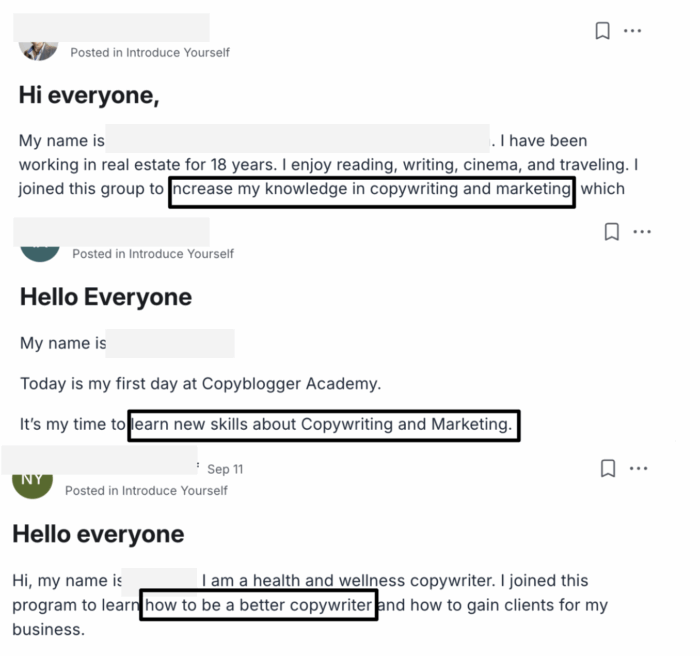
Furthermore, the solitary nature of freelance writing often stalls career progression. Engaging in specialized communities—such as the Copyblogger Academy ecosystem—provides the essential feedback loops required to elevate one’s craft. When veteran marketers with seven-figure track records personally critique structural frameworks, headline hooks, and objection-handling sequences, the learning curve flattens dramatically.
Regarding long-term career trajectory, seasoned investors and operators frequently cite the philosophy popularized by venture capitalist Naval Ravikant: "Be impatient with action and patient with results." Writers must ruthlessly push themselves to publish, test, and iterate daily, while maintaining the psychological fortitude to wait months before compounding returns manifest.
Future Outlook: The Modern Copywriter’s Mandate
As generative artificial intelligence continues to saturate the digital landscape with automated, homogenous content, the market value of truly authentic, psychologically tuned copywriting is skyrocketing. The future does not belong to those who can string together generic adjectives; it belongs to the strategic communicators who understand market mechanics, buyer psychology, and data-backed attribution.
Key Takeaways for Future-Proofing a Copywriting Career:
Specialize in One Platform: Whether mastering the nuances of Google’s search algorithms for organic blog growth or decoding thought-leadership frameworks for professional networks, deep platform expertise commands premium pricing.
Monetize Your Own Assets: The fastest way to build credibility—and protect against client volatility—is to apply copywriting principles to personal ventures, affiliate sites, or micro-software tools.
Embrace Accountability: Surround yourself with high-performing peers and experienced mentors who hold your execution to the highest commercial standards.
Ultimately, mastering copywriting is not about perfecting prose for literary praise; it is about engineering a predictable, scalable ecosystem that turns attention into cash.