







Executive Overview
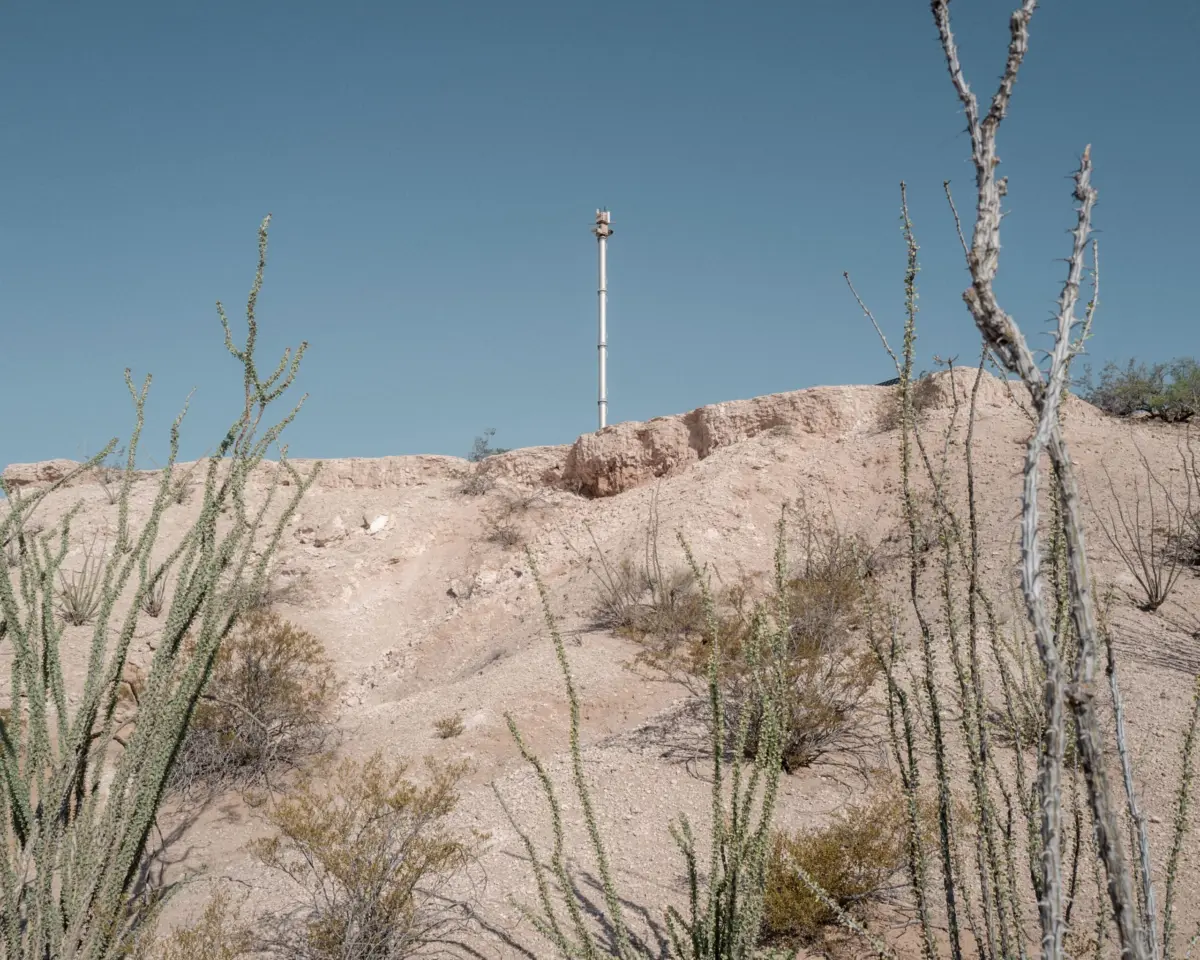
For years, the United States government has championed the expansion of a "virtual wall"—a high-tech network of autonomous surveillance towers, thermal-imaging cameras, and artificial intelligence algorithms designed to secure the southern frontier. Touted as a modern, humane alternative to physical fencing, this infrastructure spans hundreds of miles across harsh desert terrains.
However, a groundbreaking, yearlong investigation published by MIT Technology Review in collaboration with Times of San Diego reveals a grim and disturbing reality: people are dying in plain sight of these multi-million-dollar systems.
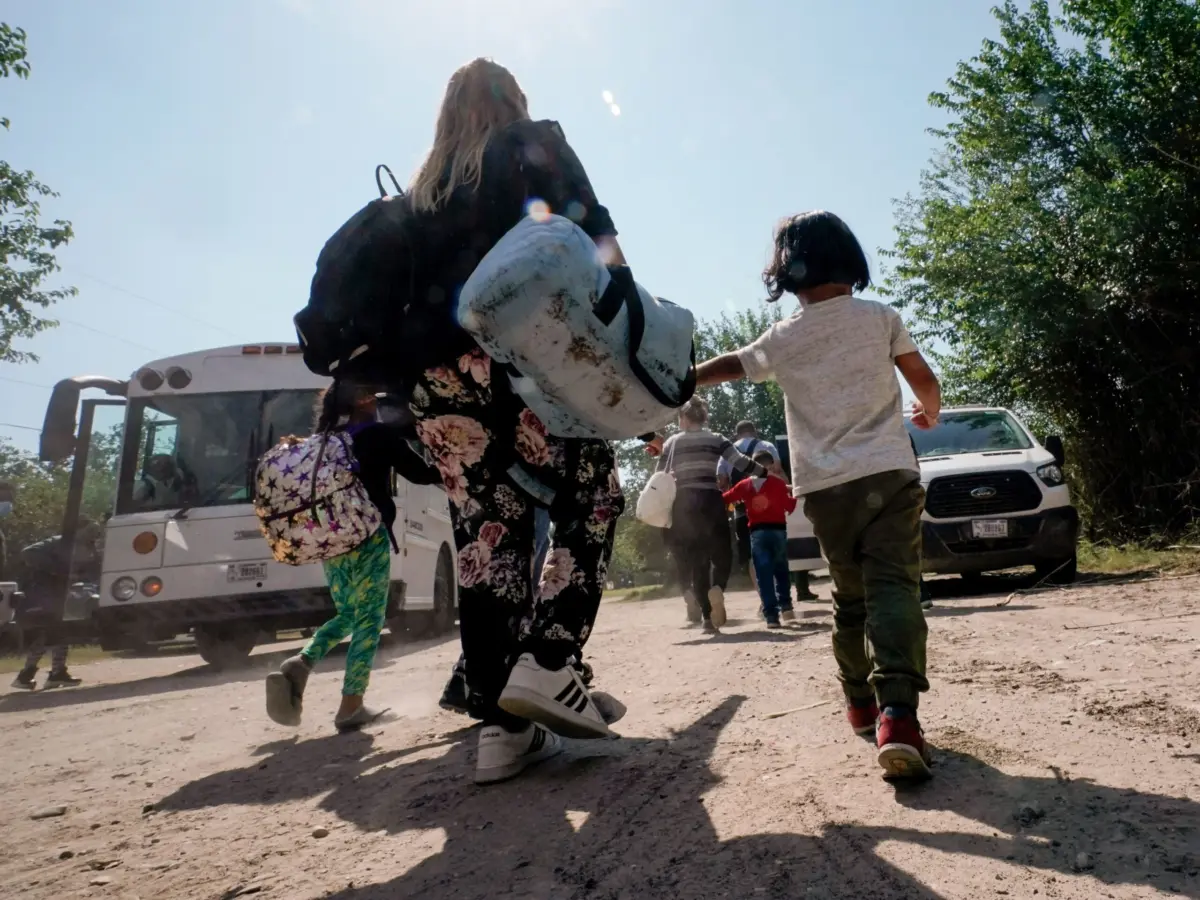
The investigation uncovered dozens of cases where individuals walked undetected through areas monitored by advanced, AI-enabled towers, only to succumb to the elements and perish nearby. In many instances, their bodies remained unnoticed for weeks or months, even though they rested within the theoretical visual or thermal range of state-of-the-art surveillance equipment. These tragedies are not isolated anomalies; rather, they reflect systemic flaws woven into the fabric of the virtual wall itself—ranging from hardware malfunctions and algorithmic blind spots to institutional apathy and a lack of responder accountability.
Despite these catastrophic failures, the federal government is doubling down. The United States is currently poised to spend $1 billion to triple the size of the virtual wall by 2034, with defense contractors like Anduril securing massive, recurring federal contracts. Yet, US Customs and Border Protection (CBP) has routinely failed to audit its own network, track its true efficacy, or investigate migrant deaths as potential technological failures.
As lawmakers, human rights advocates, and researchers demand answers, this report outlines four critical steps CBP must take immediately to address the lethal vulnerabilities of its border surveillance network.
Detailed Chronology: The Evolution and Oversight Failures of the Virtual Wall
To understand how the virtual wall became a site of hidden tragedies, it is necessary to examine the historical trajectory of border technology deployment and the persistent lack of regulatory oversight.
- 2007: CBP establishes the Border Safety Initiative Tracking System (BSITS) as an internal mechanism to record migrant deaths and distress calls, though compliance across different operational sectors remains voluntary and fragmented.
- 2014: The Government Accountability Office (GAO) issues a seminal report suggesting that Border Patrol agents systematically log every instance where surveillance technology contributes to the apprehension of an undocumented border crosser. CBP agrees to the mandate, hoping to quantify the return on investment for its burgeoning technological infrastructure.
- 2015: CBP begins installing the modern generation of mobile and fixed surveillance towers along the Southwest border, marking the true inception of the contemporary "virtual wall." Despite the high-stakes deployment of these systems, the agency initiates no internal audits to evaluate whether the technology prevents deaths or operates effectively in the field.
- 2017:
- The GAO reports that the apprehension data collected by agents is fundamentally inaccurate and unreliable. Investigators discover precincts in Texas crediting non-existent tower models for hundreds of apprehensions. Border Patrol promises retraining and better data hygiene.
- CBP launches the Missing Migrant Program to bolster rescue operations and locate missing persons, though it establishes no metrics to measure the program’s success.
- August 2021: More than seven years after its initial agreement with the GAO, CBP has still produced no comprehensive public analysis evaluating the operational effectiveness of its surveillance towers. Meanwhile, national guidelines are finally implemented to standardize BSITS entries across all Border Patrol sectors.
- 2022–2023: GAO audits reveal persistent undercounts in CBP’s mortality tracking, noting that deaths discovered by independent actors, local law enforcement, or nongovernmental organizations routinely bypass the agency’s internal metrics.
- April 2025: A GAO review finds that while the Missing Migrant Program has improved real-time data collection for 911 calls and rescues, it still lacks a foundational framework to determine whether these efforts are actually reducing overall migrant fatalities.
- September 2026: MIT Technology Review and Times of San Diego publish "Dying on Camera," exposing over 1,050 deaths near surveillance towers and prompting intense public scrutiny of defense contractors, federal oversight deficits, and the urgent need for structural reform within CBP.
Supporting Context & Metrics: Uncovering the Scale of the Invisible Crisis
Quantifying the true human toll of the virtual wall requires peeling back layers of bureaucratic obscurity. According to the investigative findings, more than 1,050 people have died near surveillance towers since their deployment began. However, researchers emphasize that this figure is almost certainly a severe undercount.
The Mapping Deficit
One of the primary challenges in assessing the safety risks of the virtual wall is the lack of transparency from the federal government. CBP does not publish a comprehensive, accessible map detailing the exact locations, operational statuses, or activation dates of its surveillance infrastructure.

To conduct their analysis, reporters had to rely on preliminary mapping efforts spearheaded by the Electronic Frontier Foundation (EFF), subsequently verifying tower locations using high-resolution satellite imagery. While the investigative team managed to analyze nearly 600 towers, this number falls significantly short of the approximately 800 towers the government claims are currently operational. Because the exact activation timelines of these systems remain opaque, correlating specific deaths with active surveillance windows is exceptionally difficult.
Localized Devastation
The human cost of these technological blind spots is concentrated in isolated stretches of the American Southwest. For instance, in a single small desert district in New Mexico, over 18 people died in 2024 alone within close proximity to advanced surveillance towers.
New Mexico State Representative Sarah Silva voiced profound concern upon reviewing the data, remarking, "If I were the federal government, I would do an audit, because this feels like it’s not working."
Despite these alarming local clusters, neither state nor federal law enforcement agencies routinely cross-reference geographic mortality data with the field of view of adjacent surveillance infrastructure.
Official Statements and Institutional Accountability
The expansion of the virtual wall is propelled by lucrative federal appropriations and defense industry lobbying, yet accountability for the system’s operational shortcomings remains virtually nonexistent.
Private defense contractor Anduril, renowned for its autonomous towers and AI-driven object-recognition software, continues to secure multi-million-dollar contracts. With the federal government set to inject $1 billion into tripling the virtual wall’s footprint by 2034, critics argue that corporate profits are scaling rapidly while oversight mechanisms remain frozen in place.
Within CBP and the broader Department of Homeland Security, systemic resistance to critical self-assessment has been institutionalized over successive administrations. Former border officials, speaking on the condition of anonymity, describe federal data mandates as performative exercises. One former official who served during the Biden administration bluntly characterized mandatory apprehension-tracking requirements as "spitting in the wind," explaining that the chaotic, high-stress reality of border enforcement operations rarely translates into clean, reliable bureaucratic metrics.
Furthermore, accountability is hampered by data silos. While local medical examiners, county sheriffs, and humanitarian volunteers recover human remains across the borderlands, their findings rarely integrate with CBP databases. This institutional disconnect ensures that systemic equipment failures—such as a thermal camera failing to distinguish a human heat signature from desert wildlife, or an agent ignoring an automated alert—are buried alongside the victims.

Future Outlook: Four Steps CBP Must Take to Address Systemic Failures
To restore integrity to border security operations and prevent further preventable tragedies, the federal government must radically reform how it evaluates technology and accounts for human life. Based on the findings of the investigative report, CBP should immediately implement the following four recommendations:
1. Conduct a Comprehensive Audit of Deaths Near the Virtual Wall
CBP must initiate an independent, comprehensive audit examining all recorded deaths occurring within the operational range of its surveillance network. By leveraging internal historical logs of tower activation dates, GPS tracking data, and local coroner records, the agency can establish a transparent baseline of how frequently individuals perish within sight of its technology. An internal audit would strip away the estimation errors plaguing independent researchers and pinpoint exactly which geographic corridors represent high-risk zones for technological failure.
2. Fix the Way the Agency Tracks Migrant Deaths and Remains
The current apparatus for recording and classifying migrant deaths across the United States is fragmented and profoundly broken. CBP must collaborate with local, state, and national public health agencies to establish a standardized, unified protocol for documenting border-crossing fatalities. Furthermore, the agency must overhaul its internal metrics—such as the Missing Migrant Program and the Border Safety Initiative Tracking System (BSITS)—to ensure they do not merely log raw numbers, but actively measure whether rescue interventions and tracking mechanisms are successfully reducing mortality rates over time.
3. Rigorously Track Apprehensions and Technological Efficacy
For over a decade, the GAO has recommended that Border Patrol agents accurately log when specific surveillance technologies directly result in apprehensions. CBP must enforce this mandate by integrating logging tools directly into frontline operational software, reducing administrative friction while emphasizing accountability. Congress cannot responsibly authorize billions of dollars in border tech expansions without rigorous, publicly verifiable data proving whether these AI-enabled towers are genuinely achieving their stated security objectives.
4. Investigate Every Migrant Death as a Potential Surveillance Failure
Perhaps most crucially, CBP must adopt a protocol requiring that every migrant body discovered near the border be automatically checked against internal surveillance databases. If a deceased individual is found within the visual or thermal range of a tower, the agency must initiate a formal review to answer two vital questions:
- Did the system’s AI and camera hardware detect the person?
- If the system issued an alert, why did frontline agents fail to respond?
Crucially, implementing this policy would protect vital evidence. Currently, CBP routinely deletes unflagged surveillance footage after 30 days unless an internal custodial review is initiated. Preserving this footage upon the discovery of nearby remains would provide grieving families, independent investigators, and human rights advocates with the truth they deserve.
Without such inquiries, the fundamental question raised by families, volunteers, and researchers remains unanswered: Did the cameras see them, and nobody came? Or did nobody see them at all?
Do you have professional experience with border surveillance technology or firsthand knowledge of CBP operations? The investigative teams at MIT Technology Review and Times of San Diego are actively seeking tips. Reporters can be reached securely on Signal at jamesodonnell.22 and eileenguo.15, or via email at [email protected].