









Executive Overview
In a decisive move that signals a profound structural shift for one of the gaming industry’s most recognizable publishers, Ubisoft has officially rebranded its internal developmental collective formerly known as "Creative House 2." Led by General Manager Christoph Hartmann—the former head of Amazon Games who recently transitioned to Ubisoft—the newly minted global label will operate under a name deeply rooted in the company’s European heritage: Massive Entertainment.
Effective immediately, this unification brings together several elite global development teams distributed across Montreal, Paris, Sweden, and Toronto. These studios will now rally under a singular banner, housing some of the industry’s most enduring tactical shooter and action franchises, including Tom Clancy’s The Division, Ghost Recon, and Splinter Cell. Additionally, the portfolio welcomes March of Giants, a multiplayer online battle arena (MOBA) game acquired from Amazon Games, where Hartmann and his development team originally conceptualized and cultivated the intellectual property.
This monumental realignment is not merely a cosmetic exercise in corporate nomenclature. It represents the ongoing execution of Ubisoft’s broader "Creative House-led operating model," a structural overhaul designed to decentralize creative authority, optimize inter-studio collaboration, and drive greater efficiency across a sprawling multinational enterprise. Coming on the heels of the October 2025 revelation of "Creative House 1" as Vantage Studios—the home of flagship franchises like Assassin’s Creed, Far Cry, and Rainbow Six—this latest naming convention underscores Ubisoft’s strategy to compartmentalize its massive portfolio into distinct, streamlined, and highly accountable global labels.
Yet, this transformation unfolds against a backdrop of severe economic pressure. Over the past year, Ubisoft has wrestled with significant market headwinds, prompting deep internal restructuring, multiple waves of layoffs, and aggressive cost-cutting measures. As the France-based publisher targets an additional €200 million in structural cost reductions throughout 2026, the consolidation of Creative House 2 into Massive Entertainment serves a dual purpose: streamlining administrative overhead and galvanizing creative talent to deliver high-impact, commercially viable titles in a hyper-competitive global market.
Detailed Chronology: From Creative House 2 to Massive Entertainment
To understand the weight of the Massive Entertainment rebrand, one must examine the evolution of Ubisoft’s internal architecture over the past eighteen months. Faced with changing consumer habits, skyrocketing game development budgets, and mounting pressure from investors to revitalize its core pipelines, Ubisoft’s leadership embarked on a radical decentralization strategy. The goal was to dismantle monolithic corporate pipelines in favor of agile, autonomous divisions capable of operating with the focus of independent publishers while leveraging the immense resources of a global AAA giant.
The Genesis of the Creative House Model
The blueprint for this transformation began taking shape in late 2024 and materialized publicly in October 2025, when Ubisoft formally introduced its "Creative House" operating model. Under this paradigm, the company divided its massive stable of intellectual properties and development houses into distinct strategic units, each overseen by seasoned executive leadership.
The first major milestone in this restructuring occurred with the naming of Creative House 1 as Vantage Studios. Tasked with managing Ubisoft’s crown-jewel blockbusters—including the historical stealth-action juggernaut Assassin’s Creed, the open-world survival shooter Far Cry, and the fiercely competitive tactical shooter Rainbow Six—Vantage Studios established the template for how Ubisoft intended to govern its creative assets moving forward.
Meanwhile, a secondary collective, internally designated as "Creative House 2," was quietly assembling a diverse portfolio of narrative-driven shooters, long-running tactical simulations, and nascent multiplayer properties. However, the division lacked a unified cultural identity. That changed with the strategic recruitment of Christoph Hartmann.
The Christoph Hartmann Factor
Hartmann’s arrival at Ubisoft marked a critical turning point for Creative House 2. As the former Vice President of Amazon Games and a veteran industry executive whose resume includes serving as the longtime president of 2K Games, Hartmann brought a wealth of experience in managing large-scale global studios, steering multi-studio pipelines, and navigating corporate turnarounds.
Upon taking the reins of Creative House 2, Hartmann recognized that the disparate development hubs in Montreal, Paris, Sweden, and Toronto needed a rallying point—a powerful brand identity that commanded immediate respect within the global gaming community. The solution lay within Ubisoft’s own family: Massive Entertainment.
Adopting the Massive Identity
Based in Malmö, Sweden, Massive Entertainment has been a crown jewel in Ubisoft’s studio network since its acquisition in 2008. Renowned for its cutting-edge proprietary technology (most notably the Snowdrop engine) and its pedigree in crafting deeply immersive, mechanically complex online worlds—such as The Division series and the critically acclaimed Star Wars Outlaws—the Massive name carries immense industry clout.
By bestowing the Massive Entertainment name upon the entirety of Creative House 2, Ubisoft is effectively elevating the Swedish studio’s ethos and operational philosophy to a global scale. Effective September 30, development teams across four countries and multiple time zones officially dropped their fragmented internal monikers to become part of the unified Massive Entertainment brand.
Crucially, this transition also facilitated a notable intellectual property acquisition. Earlier in 2025, Ubisoft acquired March of Giants from Amazon Games. The multiplayer online battle arena title, which was originally developed by Hartmann and his team during his tenure at Amazon, has now found a permanent home within the newly expanded Massive Entertainment ecosystem, cementing Hartmann’s imprint on the division’s future output.
Supporting Context & Metrics: Navigating Restructuring and Cost-Reductions
While the public-facing narrative focuses on creative synergy and brand unification, the structural reorganization of Ubisoft cannot be separated from the stark financial realities facing the publisher. The past twenty-four months have been a period of profound turbulence for the French games giant, characterized by shifting market dynamics, delayed project launches, and a pressing need to stabilize its financial foundation.
The Financial Imperative
Ubisoft’s pivot toward the Creative House model is, at its core, a direct response to ballooning development costs and extended production cycles that have squeezed profit margins across the AAA video game industry. Modern blockbuster titles routinely require five to seven years of development, thousands of personnel distributed across multiple continents, and hundreds of millions of dollars in investment.

For Ubisoft, coordinating these massive distributed workforces historically led to administrative bloat, communication silos, and strategic misalignments. By consolidating studios into distinct Creative Houses, the company aims to eliminate redundant layers of management, accelerate decision-making processes, and foster tighter collaboration between lead design directors and engineering teams.
Layoffs and the €200 Million Cost-Reduction Target
This administrative streamlining has come at a human cost. Over the past year, Ubisoft has implemented multiple rounds of workforce reductions, impacting hundreds of employees across its global offices. These restructuring efforts are part of a broader, aggressive financial recovery plan.
Company leadership has publicly committed to achieving an additional €200 million in cost reductions throughout 2026. This financial target relies heavily on operational efficiencies gained through the Creative House model, optimized resource allocation, and a stricter focus on high-probability, high-impact franchises rather than spreading resources too thin across speculative, unproven concepts.
Stability for Players and Partners
Despite the profound internal upheaval, Ubisoft has gone to great lengths to reassure external stakeholders—including retail partners, platform holders, and, most importantly, the gaming community—that the restructuring will not disrupt ongoing live-service ecosystems or upcoming product pipelines.
In official communications accompanying the Massive Entertainment rebrand, the publisher emphasized that there will be "no change to ongoing commitments for players or partners." Live-service titles like Tom Clancy’s The Division 2 will continue receiving scheduled updates and support, while teams currently hard at work on upcoming franchise entries can draw upon a deeper pool of shared technological resources and cross-studio expertise facilitated by the new organizational structure.
Official Statements and Industry Impact
The announcement of the expanded Massive Entertainment brand has generated significant commentary across the games industry, shining a spotlight on the evolving philosophy of AAA studio management.
Leadership Perspective
In an official statement released alongside the rebrand, General Manager Christoph Hartmann articulated the strategic vision driving the newly unified division:
"Massive Entertainment has always been defined by passion, ambition and incredible talent, and our focus now is on what comes next," Hartmann stated. "Bringing our teams together under one identity gives us the opportunity to combine the creative energy and expertise across Montréal, Paris, Sweden and Toronto to shape the next generation of these iconic franchises, create new games and IPs, and push our craft and technology forward."
Hartmann’s remarks highlight the primary operational advantage of the new model: synergy. By breaking down the geographic and institutional barriers that traditionally separated studios like Ubisoft Montreal, Ubisoft Paris, and Massive Sweden, leadership hopes to create a fluid exchange of talent and technical innovations. For instance, engineering breakthroughs achieved by the Snowdrop engine team in Malmö can now be more seamlessly integrated into projects originating in Toronto or Paris, reducing redundant research and development expenditures.
Industry Analysis: The Future of the Creative Houses
Market analysts have closely monitored Ubisoft’s structural experiment. The gaming industry at large has increasingly gravitated toward decentralized, agile studio models in the wake of widespread industry contractions. By dividing its vast workforce into specialized Creative Houses, Ubisoft is attempting to capture the cultural agility and creative focus of an independent developer while retaining the financial muscle required to market global blockbusters.
With Creative House 1 (Vantage Studios) governing the company’s open-world action and stealth flagships, and Creative House 2 (Massive Entertainment) now steering tactical shooters, long-standing espionage thrillers, and competitive multiplayer arenas, attention naturally turns to the remaining unannounced divisions. Ubisoft has confirmed that Creative Houses 3, 4, and 5 exist within its operational framework, though their specific portfolios, leadership teams, and brand identities have not yet been disclosed to the public. Industry insiders speculate that these remaining houses may house the publisher’s family-friendly properties, sports titles, and mobile gaming initiatives.
Future Outlook: What Lies Ahead for Massive Entertainment?
As the ink dries on the transition paperwork and the newly unified Massive Entertainment officially begins operations across its four international hubs, the division faces both immense opportunity and high-stakes expectations.
The Franchise Roadmap
The immediate future of Massive Entertainment rests on the stewardship of some of Ubisoft’s most cherished and commercially vital intellectual properties:
- Tom Clancy’s The Division: As a pillar of Ubisoft’s ongoing live-service strategy, the franchise remains a primary focus for the Malmö studio and its supporting international teams, with players eagerly anticipating future expansions and technological advancements.
- Ghost Recon & Splinter Cell: Bringing these legendary tactical and stealth franchises under the Massive Entertainment umbrella offers a unique opportunity for revitalization. Fans of Splinter Cell, in particular, have long clamored for a modern return of Sam Fisher, and the cross-pollination of talent from Montreal, Toronto, and Paris could provide the exact creative spark needed to deliver a next-generation espionage experience.
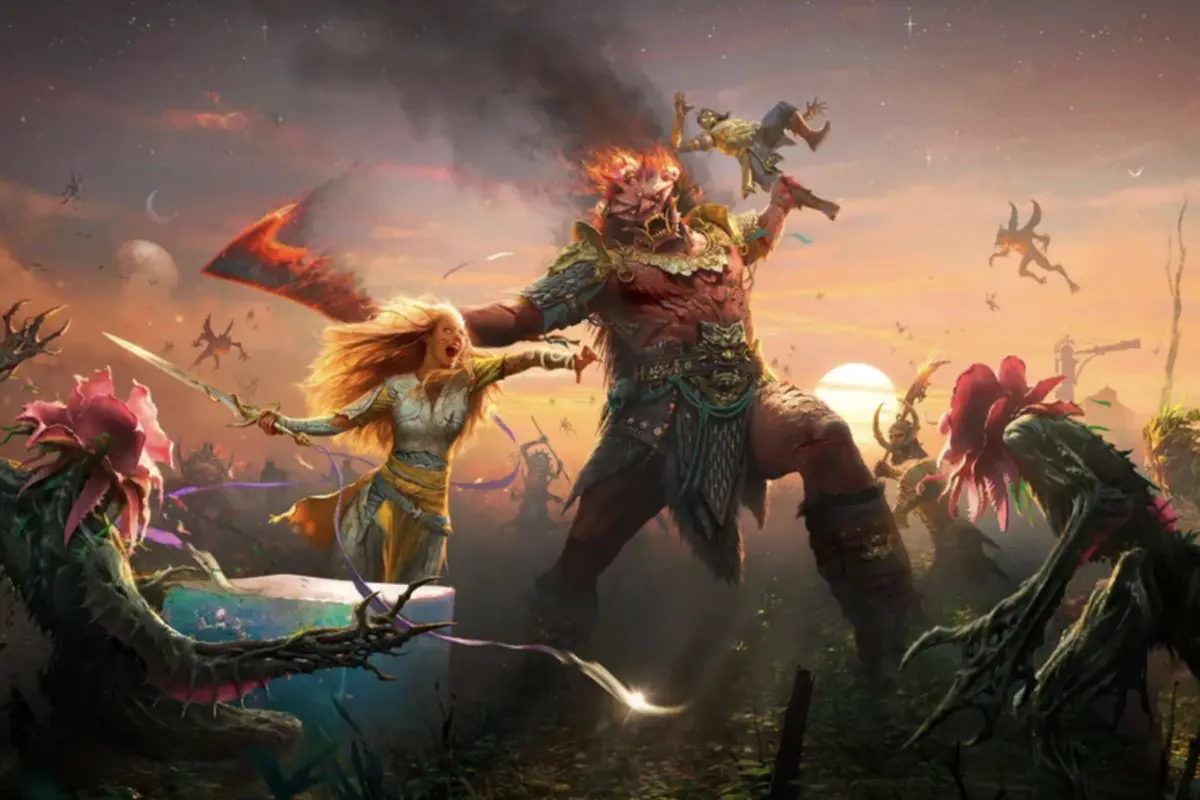
- March of Giants: As the division’s newest frontier, the acquired MOBA title represents an exciting diversification into competitive multiplayer arenas. Under Hartmann’s watchful eye, the project will serve as a key test case for how the newly expanded studio handles original intellectual property development outside of established Tom Clancy parameters.
Long-Term Viability
The ultimate success of the Massive Entertainment rebrand will not be measured by corporate announcements or press releases, but by the quality, stability, and commercial reception of the games it produces over the next several years.
For Ubisoft, the stakes could not be higher. The company is walking a tightrope: balancing the painful necessity of severe cost-reduction targets with the creative ambition required to recapture its status as an undisputed leader in the interactive entertainment sector. By empowering Christoph Hartmann and uniting its top-tier talent under the proud banner of Massive Entertainment, Ubisoft has placed a massive bet that unity, shared expertise, and focused leadership will pave the path to recovery and long-term prosperity.