







Executive Overview
In the modern architecture of the global internet, cloud computing, and artificial intelligence, two foundational pillars operate in such tight synchronization that they are frequently conflated by casual observers and enterprise decision-makers alike. These pillars are data centers and telecommunications (telco) providers.
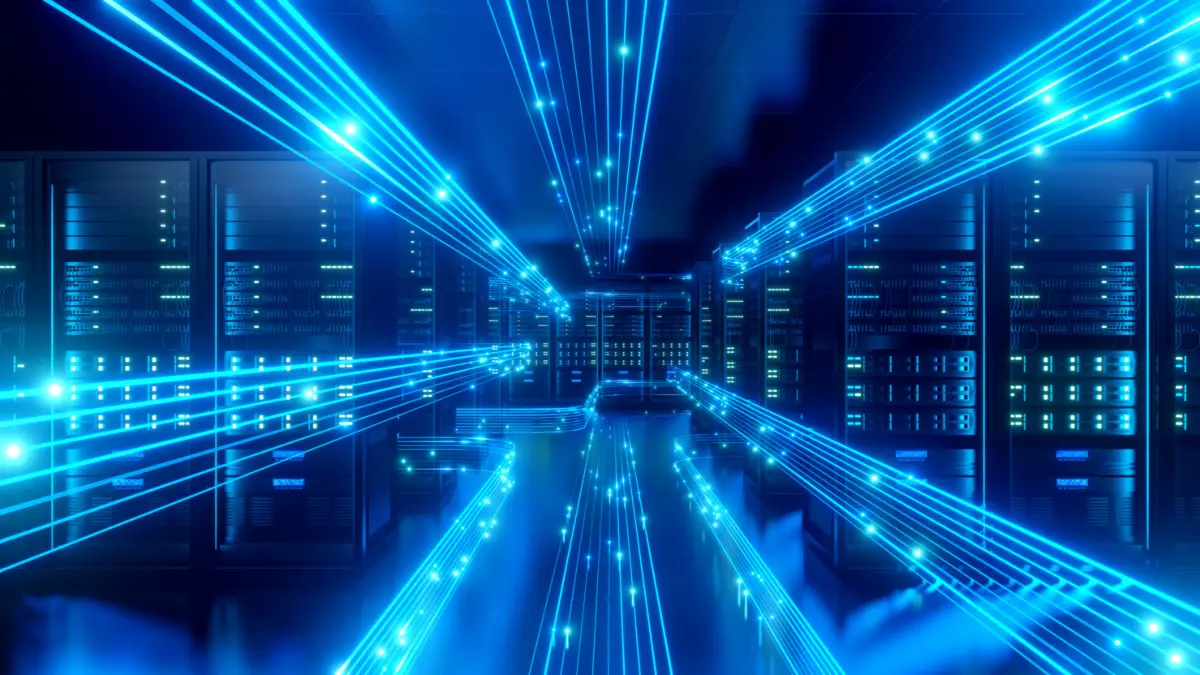
While both entities are indispensable to the flow of global digital information, they serve fundamentally distinct roles. Data centers function as the secure, climate-controlled, and highly fortified real estate where computing, storage, and networking hardware execute the heavy lifting of digital workloads. Conversely, telecommunications providers act as the circulatory system of the digital economy, building and maintaining the sprawling fiber-optic routes, wireless networks, and routing nodes required to transport data to, from, and between those computing environments.
As technologies like generative AI, massive cloud migrations, and edge computing drive unprecedented demands for bandwidth and processing power, understanding the precise division of labor—and the critical points of intersection—between data centers and telcos has never been more vital. Conflating these two sectors obscures the complex engineering, capital investments, and operational strategies required to scale digital infrastructure reliably. This report provides an authoritative examination of how modern data centers operate, how telcos deliver connectivity, where their business and operational models diverge, and why their future remains inextricably linked.
Detailed Chronology: The Evolution of Compute and Connectivity
To appreciate the distinct yet complementary nature of data centers and telecommunications providers today, it is helpful to examine how both industries evolved from disparate beginnings into tightly integrated nodes of a single digital ecosystem.
The Era of Siloed Infrastructure (Pre-1990s)
In the early decades of enterprise computing, mainframe environments and corporate server rooms were housed directly inside company-owned offices. Telecommunications were strictly the domain of legacy public switched telephone network (PSTN) operators. Data movement was slow, predominantly analog, and utilized copper wires designed primarily for voice transmission rather than high-speed data packets.
The Rise of Dedicated Facilities and Commercial ISPs (1990s – 2000s)
As the commercial internet expanded and businesses rushed to establish a digital presence, the limitations of corporate server closets became glaringly apparent. Organizations required facilities with specialized climate control, backup power, and physical security. This realization catalyzed the commercial data center industry, giving birth to early colocation providers and managed hosting facilities.
Simultaneously, telecommunications providers began massive capital expenditure programs to lay long-haul fiber-optic cables. The deregulation of the telecom sector fueled intense competition, drastically lowering bandwidth costs and enabling the first wave of global web applications. However, data centers and telcos largely operated in parallel silos: data centers stored and processed information locally, while telcos moved voice and primitive data packets across long distances.
The Hyperscale and Cloud Revolution (2010s)
The 2010s marked a profound transformation driven by the advent of cloud computing. Hyperscale operators—such as Amazon Web Services, Microsoft Azure, and Google Cloud—began building massive data center campuses containing tens of thousands of servers.
To connect these colossal facilities to enterprise users worldwide, data center operators and telcos had to forge deeper operational relationships. The concept of the "carrier-neutral" data center emerged as a standard industry model. In these facilities, multiple telecommunications providers terminated their fiber networks inside a specialized "meet-me room," allowing enterprise tenants to select and switch between network carriers with ease.
The AI and Edge Computing Era (Present Day)
Today, the rapid proliferation of artificial intelligence, machine learning training clusters, and low-latency edge computing has rewritten the rules of digital infrastructure. Modern AI workloads require unprecedented density, demanding power capacities measured in megawatts per rack and advanced liquid-cooling systems.
Concurrently, telecommunications providers are modernizing their infrastructure with 5G networks, software-defined wide-area networking (SD-WAN), and network function virtualization (NFV). Because software-defined networks require localized compute power to manage traffic routing and control planes, telcos are increasingly embedding their own computing infrastructure inside data centers. The boundary between hosting and transport has never been more porous, requiring unprecedented levels of architectural cooperation.
Supporting Context & Metrics: Inside the Modern Facility and Network
To fully grasp the mechanics of digital infrastructure, one must look closely at what happens inside both the modern data center and the telecom network architecture.
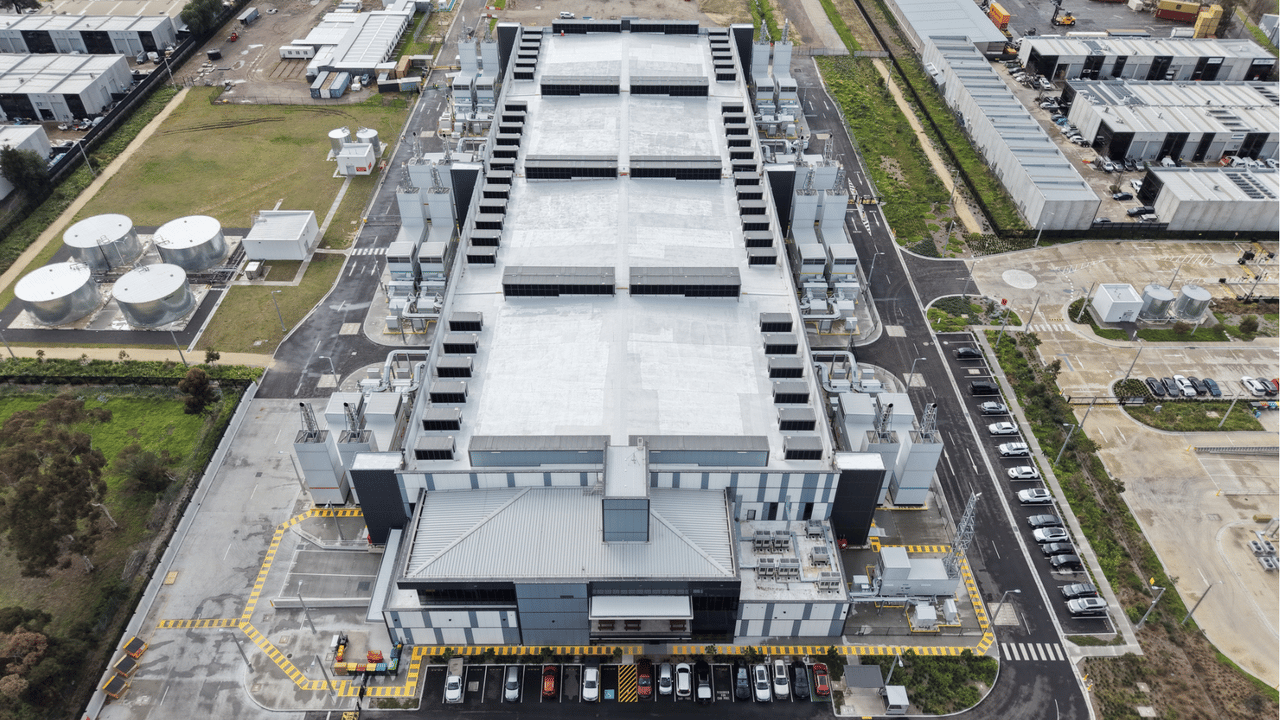
Anatomy of a Modern Data Center
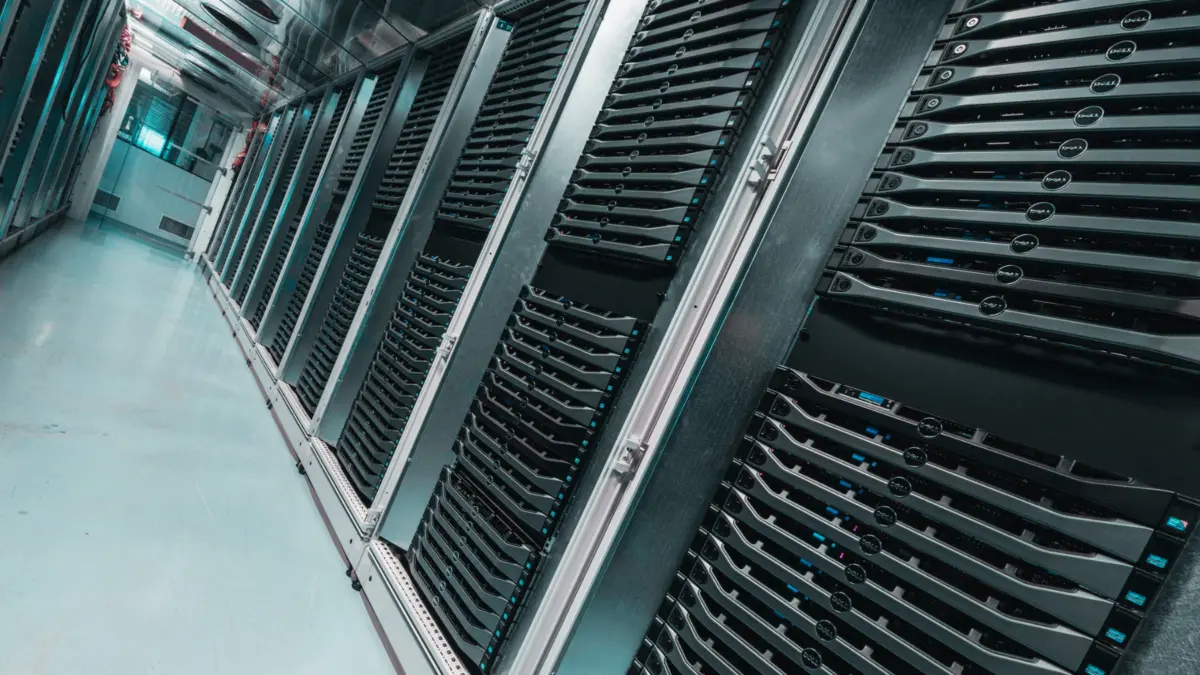
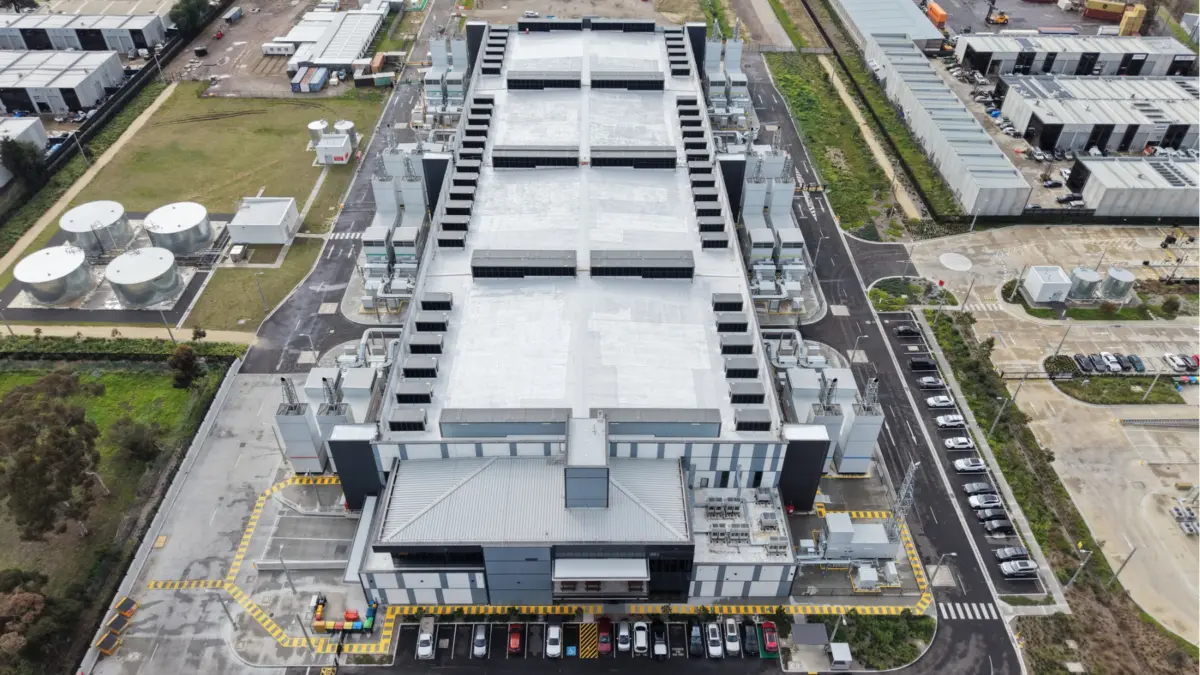
A data center is much more than a warehouse full of computers. It is an ultra-reliable, highly resilient facility engineered to eliminate single points of failure. Key components include:
- Continuous Power Architecture: Facilities utilize redundant utility power feeds backed by massive uninterruptible power supply (UPS) battery systems and banks of diesel generators capable of sustaining full-load operations for days during grid outages.
- Advanced Environmental Controls: Precision cooling systems—ranging from traditional computer room air conditioners (CRACs) to cutting-edge direct-to-chip liquid cooling—manage the immense heat generated by dense server configurations.
- Multi-Layered Security: Physical security protocols include biometric access controls, man-traps, 24/7 on-site security personnel, and continuous video surveillance, complemented by robust cybersecurity defenses against digital intrusion.
- Diverse Operating Models: Data centers operate across various business frameworks, including wholesale colocation (leasing entire halls or buildings to single tenants), retail colocation (leasing individual cabinets or cages), and hyperscale public cloud facilities operated by major technology conglomerates.
Anatomy of a Telecommunications Network
While data centers focus on stationary compute and storage, telcos specialize in motion. Their infrastructure includes:
- Fiber-Optic Backbone Networks: High-capacity glass fiber strands buried underground or laid across oceanic seabeds, capable of transmitting data at the speed of light across continents.
- Switching and Routing Infrastructure: High-performance hardware that directs data packets along the most efficient paths across local, metropolitan, and global networks.
- Wireless and Mobile Networks: Cell towers, small cells, and radio access networks (RAN) that bridge the gap between fixed-line infrastructure and mobile devices, Internet of Things (IoT) sensors, and remote enterprise locations.
- Diverse Service Offerings: Telcos monetize their networks by offering consumer broadband, enterprise multiprotocol label switching (MPLS) circuits, dedicated internet access (DIA), and software-defined networking services.
Core Differences at a Glance
| Metric / Dimension | Data Centers | Telecommunications Providers |
|---|---|---|
| Primary Mission | Secure hosting, compute processing, and data storage. | Reliable transport, routing, and delivery of data packets. |
| Primary Asset | Physical real estate, power distribution, cooling, and servers. | Fiber-optic cables, wireless spectrum, switches, and routers. |
| Metric of Success | Uptime availability (e.g., 99.999%), rack density, and PUE efficiency. | Latency, jitter, bandwidth throughput, and network resilience. |
| Primary Revenue Driver | Space, power, and cross-connect fees. | Data transit, subscription bandwidth, and connectivity services. |
Official Perspectives and Industry Insights
Industry analysts and engineering leaders emphasize that while data centers and telcos maintain distinct corporate identities, their operational destinies are intertwined.
Christopher Tozzi, a prominent technology analyst and university lecturer, notes: "Data centers and telecommunications providers work in tandem to power digital infrastructure. They operate so closely that it’s easy to conflate them, but they serve distinct roles… Understanding the key differences—and the points of overlap—helps explain how cloud, AI, and digital services scale reliably."
Infrastructure architects frequently highlight that a data center without robust network connectivity is merely an isolated island of processing power. Conversely, a telecommunications network without data centers to host content, application servers, and routing controllers lacks a destination for its traffic.
Furthermore, the rise of Network Function Virtualization (NFV) has blurred traditional organizational lines. Telecommunications carriers are no longer just pipe-layers; they are heavy consumers of data center real estate. Carriers require localized computing power to host virtual routers, firewalls, and 5G core network functions close to the network edge. Consequently, major telcos frequently lease cage space within carrier-neutral colocation facilities to house their proprietary network hardware adjacent to cloud and enterprise servers.
Future Outlook: The Next Frontier of Infrastructure Convergence
As we look toward the remainder of the decade, several transformative trends will redefine the relationship between data centers and telecommunications providers:
1. The AI Power and Bandwidth Crunch
The exponential growth of artificial intelligence models is reshaping infrastructure requirements. Training large language models requires thousands of specialized GPUs communicating with one another with ultra-low latency. This creates unprecedented demands not only for intra-facility networking—such as co-packaged optics—but also for wide-area telecom connectivity to transfer massive datasets between distributed data center clusters.
2. Edge Computing and the Decentralization of Compute
As autonomous vehicles, smart cities, and industrial IoT demand real-time data processing, traditional centralized data centers are being supplemented by micro-edge facilities. Telcos, by virtue of their existing real estate assets (such as central offices and cellular tower sites), are uniquely positioned to host small-scale data centers at the network edge, bringing compute power closer to the end-user than ever before.
3. Sustainability and Grid Integration
Both data center operators and telcos face intense scrutiny regarding their carbon footprints and energy consumption. Future infrastructure planning will require deep collaboration between facility operators and utility-grade telecom providers to integrate renewable energy sources, implement smart-grid balancing, and optimize power usage effectiveness (PUE) across integrated digital ecosystems.
The Bottom Line
Data centers and telecommunications providers cannot live without each other. While they serve fundamentally different needs—hosting versus connectivity—they form an interdependent symbiotic relationship that underpins the entire digital economy. Conflating the two obscures the immense engineering marvels required to build and scale modern digital infrastructure. By clearly distinguishing their roles and recognizing where they intersect through high-performance interconnection, enterprise planners, engineers, and architects can build more resilient, higher-performance digital services for the future.