







Executive Overview
The modern digital music economy has successfully democratized content distribution, allowing independent artists and bedroom producers to reach global audiences on streaming platforms with unprecedented ease. However, this frictionless infrastructure—designed to empower creators—has also created a lucrative and vulnerable loophole for bad actors.
In an aggressive move highlighting the dark side of digital music democratization, entertainment titan JYP Entertainment has launched a decisive legal offensive against independent music distributor Symphonic Distribution. The conflict stems from an audacious copyright infringement scheme involving Han, a member of the globally renowned K-pop powerhouse Stray Kids.
When Han released a solo track exclusively on YouTube, an unauthorized individual hijacked the audio, uploaded it through Symphonic under the pseudonym "New Vibs," and successfully flooded mainstream digital service providers (DSPs)—including Apple Music, TikTok, Instagram, and YouTube—weeks before the label officially commercialized the song.
Rather than merely chasing disappearing digital footprints across various social media platforms, JYP Entertainment has bypassed traditional intermediaries and filed a federal DMCA subpoena application. Represented by elite legal counsel at Arnold & Porter, the South Korean agency is demanding the complete identification of the perpetrator, seeking names, physical and IP addresses, phone numbers, email correspondence, and sensitive banking data.
This landmark case exposes structural vulnerabilities within the independent digital distribution pipeline, raising urgent questions about platform accountability, the weaponization of automated music distribution, and the lengths to which major labels will go to protect valuable intellectual property from modern bootleggers.
Detailed Chronology: From YouTube Exclusive to Federal Subpoena
The Genesis of the Leak: May 9
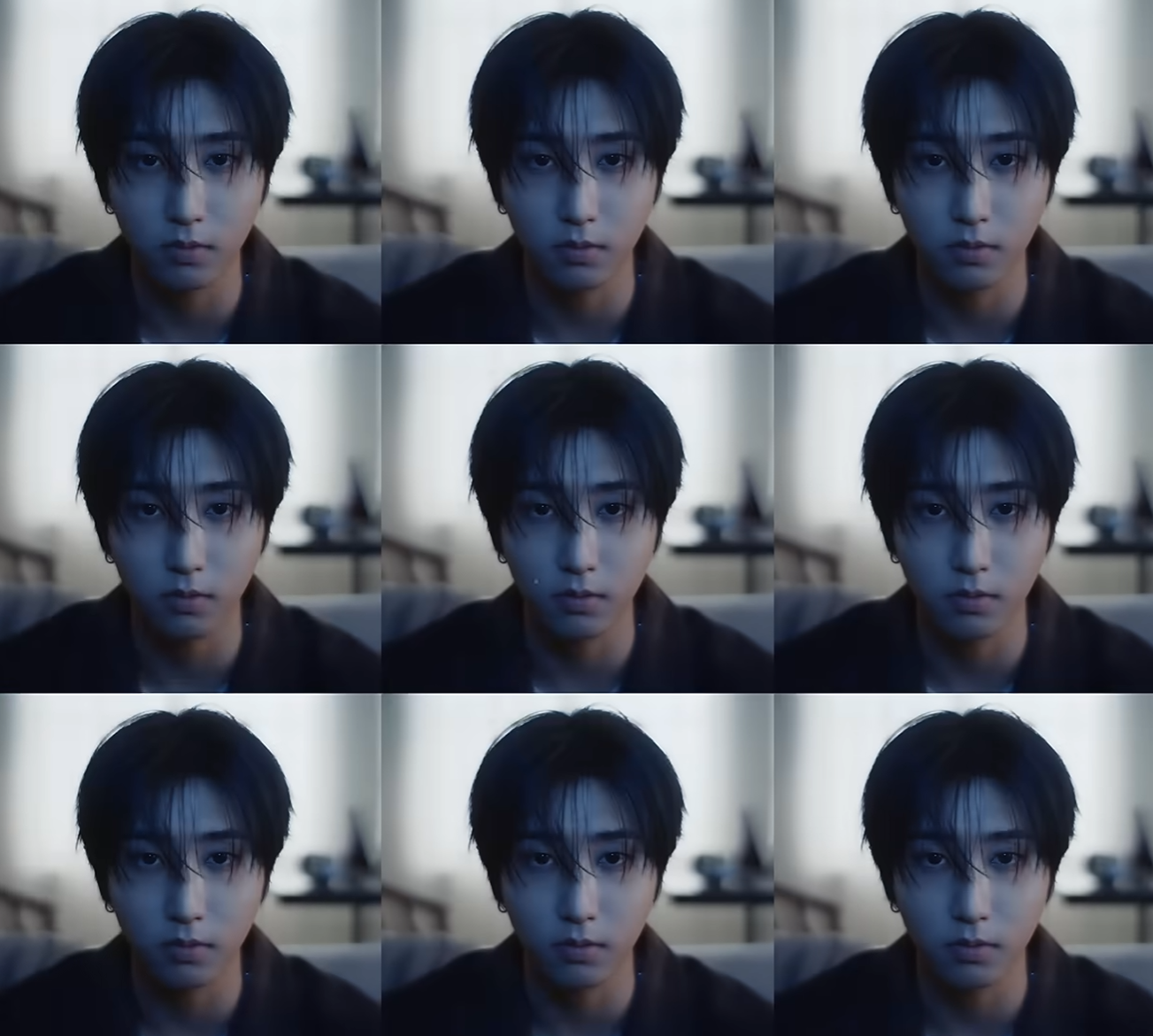
The controversy began on May 9, when JYP Entertainment released a new solo track titled "back to life" by Stray Kids member Han. The track debuted natively on the group’s official YouTube channel as part of the popular SKZ-PLAYER content series—a specialized platform dedicated to unreleased side projects, solo tracks, and creative experiments by group members.
In accordance with standard industry strategies for the SKZ-PLAYER series, JYP Entertainment deliberately withheld the track from major subscription-based streaming platforms such as Apple Music and Spotify at launch. Despite this restricted rollout, Han’s immense global following ensured that the song instantly went viral. Within hours of its YouTube premiere, digital audio rips began circulating across social media platforms, messaging applications, and underground pirate forums.
The Hijacking: "New Vibs" and Symphonic Distribution
While typical copyright piracy involves peer-to-peer file sharing or direct audio ripping, the perpetrator behind the Stray Kids leak utilized a far more sophisticated and brazen tactic. Taking advantage of the streamlined onboarding processes offered by independent digital music aggregators, the infringer registered under the generic alias "New Vibs."
For a modest annual subscription fee or revenue-sharing percentage, services like Symphonic Distribution allow independent creators to upload audio files, assign them standard industry identifiers such as ISRC (International Standard Recording Code) codes and UPC barcodes, and automatically syndicate them to major DSPs.
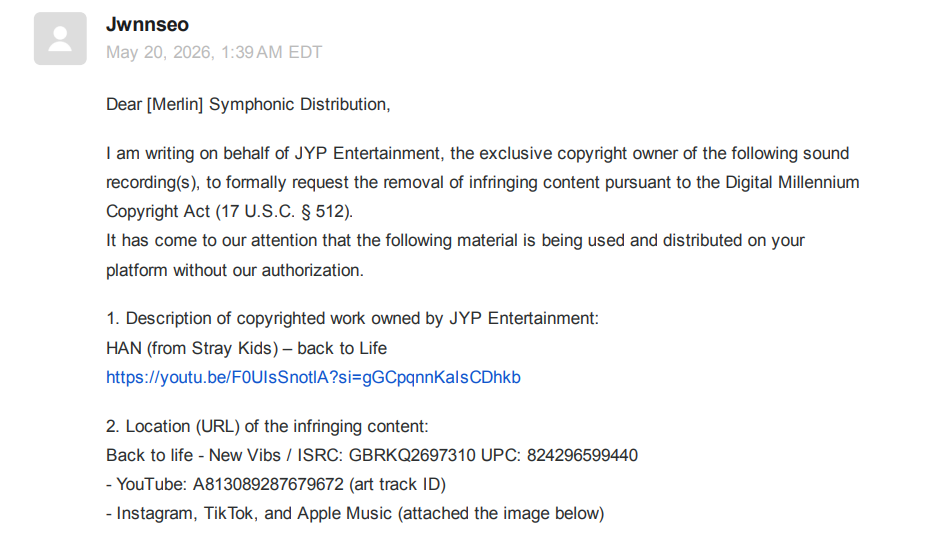
By exploiting this automated pipeline, "New Vibs" successfully injected the ripped audio of "back to life" into official storefronts on Apple Music, Instagram, TikTok, and YouTube. To casual consumers, the track appeared legitimate, sitting alongside records by the world’s biggest musical acts—complete with auto-generated art tracks and official metadata.
The Initial DMCA Takedown and Official Release
Realizing the scale of the unauthorized distribution, JYP Entertainment’s legal representatives swiftly issued a formal Digital Millennium Copyright Act (DMCA) takedown notice on May 20. Directed at Tampa-based Symphonic Distribution, the notice explicitly targeted the release titled "back to life" under the "New Vibs" moniker across Apple Music, YouTube, Instagram, and TikTok.
The warning left no room for ambiguity:
"If the infringing content is not taken down promptly, we will have no choice but to pursue legal action to protect our copyrighted material."
Symphonic’s legal team acknowledged receipt of the notice, assuring the label that the matter would be investigated. In response to the high consumer demand generated by the leak—and to reclaim control of their intellectual property—JYP Entertainment officially rushed out the legitimate commercial release of "back to life" on streaming services weeks ahead of their original schedule.
Escalation to Federal Court: The DMCA Subpoena
Although the infringing tracks were ultimately scrubbed from the digital ecosystem, JYP Entertainment refused to let the matter rest. Recognizing that simple content removal does not deter repeat offenders or uncover the financial beneficiaries of copyright theft, the label escalated the situation from administrative takedowns to active litigation.
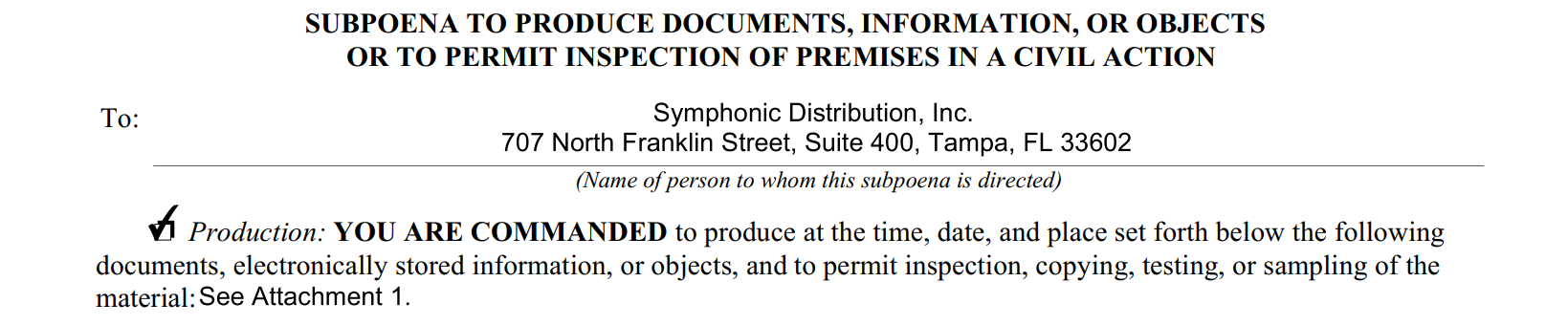
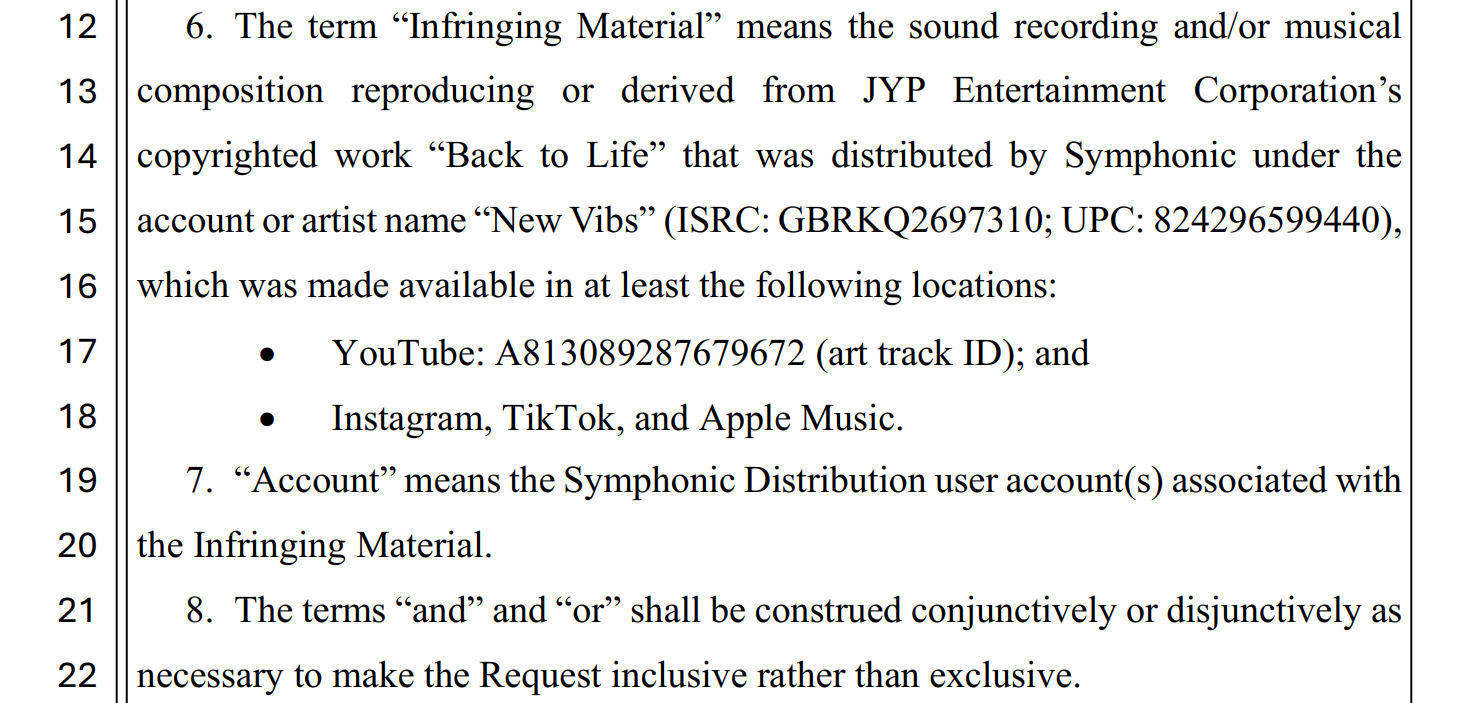
Last week, JYP’s legal team at Arnold & Porter filed a formal DMCA subpoena application in a California federal court. Utilizing Section 512(h) of the DMCA—a statutory mechanism that allows copyright holders to unmask anonymous infringers without filing a full-scale copyright infringement lawsuit—the label targeted Symphonic Distribution directly.
The application asks the court clerk to compel the independent distributor to hand over all proprietary records associated with the "New Vibs" account, marking a critical turning point in the battle against algorithmic and distributor-enabled piracy.
Supporting Context & Metrics: The Scale of Stray Kids and Distribution Loopholes
The Massive Commercial Reach of Stray Kids
To fully grasp the financial implications of this bootleg release, one must examine the staggering commercial footprint of Stray Kids. Managed by JYP Entertainment, the eight-member K-pop group has achieved unprecedented global dominance.
- Billboard Records: Stray Kids boasts an extraordinary streak of consecutive number-one albums on the US Billboard 200 chart, placing them in elite company alongside historic acts and modern pop superstars.
- Global Touring: The group routinely sells out multi-night stadium tours across North America, Europe, and Asia, drawing millions of dedicated fans known globally as STAY.
- Streaming Economics: Because every official release by Stray Kids translates into millions of streams, physical album sales, and lucrative merchandise revenue, unauthorized bootlegs intercept valuable market share. When an imposter like "New Vibs" uploads a viral track to streaming services before the official release, they potentially siphon streaming royalties, engagement metrics, and monetization revenue directly away from the creators and the record label.
The Democratization Paradox: Independent Music Distributors
The core vulnerability exposed by this incident lies in the operational model of independent music distributors (often referred to as aggregators). Platforms like Symphonic, DistroKid, TuneCore, and CD Baby revolutionized the music industry by breaking the gatekeeping monopoly previously held by major record labels.
Historically, getting music onto Apple Music or Spotify required signing with a major label or working through heavily vetted boutique distributors. Today, virtually anyone with a credit card and an internet connection can distribute music globally within 24 to 48 hours.
While this "democratization" has enabled thousands of independent artists to build sustainable careers without signing away their master rights, it has simultaneously created a gaping loophole for bad actors:
- Automated Vetting: Due to the sheer volume of daily uploads—numbering in the hundreds of thousands across the globe—aggregators rely heavily on automated content-matching algorithms rather than manual human review.
- Pseudonymous Accounts: Setting up a distributor account often requires minimal identity verification beyond a working email address, a funding source (such as a credit card or PayPal account), and a stage name.
- Exploiting Audio Rips: Sophisticated bad actors routinely monitor social media platforms, leaked audio teasers, and YouTube livestreams, rapidly extracting high-definition audio and rushing it to digital stores under fake artist names to collect early-window streaming royalties before rights holders can react.
Official Statements and Institutional Responses
JYP Entertainment’s Legal Stance
JYP Entertainment’s aggressive posture underscores a zero-tolerance policy toward intellectual property theft. By retaining the powerhouse legal firm Arnold & Porter, the entertainment conglomerate has signaled that the protection of its artists’ unreleased and released catalogs is a top priority.
The legal application requests a sweeping array of identifying data points from Symphonic Distribution to ensure the culprit can be found, held accountable, and potentially sued for civil damages. The specific data points demanded include:
- Full legal names and verified physical mailing addresses.
- Associated internet protocol (IP) logs and connection timestamps.
- Telephone numbers and primary email addresses.
- Complete payment and banking history, including bank routing numbers, account numbers, and associated billing addresses.
- Full account update logs and historical activity records.
By demanding banking and payment details, JYP Entertainment hopes to follow the money trail. Because digital distributors payout royalties via direct deposit, PayPal, or wire transfer, financial records represent the most reliable bridge connecting an anonymous digital pseudonym to a real-world identity.
Symphonic Distribution’s Defense
In the wake of the initial media reports surrounding the federal subpoena filing, Symphonic Distribution issued an official response to clarify its timeline, compliance efforts, and ongoing communication with the copyright holder. A representative for the Tampa-based distributor stated:
"As soon as we received the claim in May, the content was taken down from all DSPs, and the account that distributed the link was terminated. We have not received any further correspondence on this issue from JYP Entertainment since the initial notice."
Symphonic’s statement emphasizes that the company acted expeditiously upon receiving the initial May 20 DMCA notice, fulfilling its statutory safe harbor obligations under federal copyright law by removing the infringing material and terminating the offending user account.
However, the disconnect between Symphonic’s claim of silence and JYP’s decision to file a federal subpoena highlights the friction between content owners and intermediaries. While distributors believe that removing content and banning an account closes the book on an infringement incident, major rightsholders increasingly demand transparency, accountability, and the exposure of bad actors to deter future offenses.
Future Outlook: Industry Implications and Legal Precedents
The legal showdown between JYP Entertainment and Symphonic Distribution is much more than a routine copyright dispute over a K-pop B-side; it serves as a bellwether for the future of digital music distribution and anti-piracy enforcement.
1. Heightened Scrutiny on Independent Distributors
Following this high-profile incident, independent music aggregators across the industry will likely face mounting pressure from major and independent labels alike to tighten their onboarding protocols. To avoid being dragged into costly federal subpoena proceedings or potential contributory copyright lawsuits, distributors may be forced to implement more rigorous KYC (Know Your Customer) procedures, identity verification checks, and enhanced automated audio fingerprinting before allowing new users to distribute content to major DSPs.
2. The Weaponization of DMCA Section 512(h)
JYP Entertainment’s strategy of leveraging DMCA subpoenas to unmask music bootleggers signals a shift in how international labels police digital platforms. Traditionally reserved for identifying file-sharers on peer-to-peer networks like BitTorrent, the Section 512(h) subpoena is proving to be a potent weapon against commercial-scale impersonators operating within legitimate streaming infrastructure. If successful, this legal maneuver could encourage other major entertainment companies to systematically subpoena distributors whenever unauthorized tracks infiltrate official streaming ecosystems.
3. Protecting Artist Autonomy and Creative Workflows
For artists like Han and groups like Stray Kids, incidents like the "back to life" leak threaten the carefully orchestrated promotional rollouts that define modern music marketing. When unreleased creative works are leaked and commercialized by imposters, it disrupts artistic intent, dilutes streaming numbers, and creates confusion among consumers.
As federal courts review JYP Entertainment’s subpoena application, the outcome will send a clear message to digital bootleggers: the anonymity provided by independent distribution loopholes is rapidly shrinking. Whether Symphonic complies voluntarily or the federal court officially issues the subpoena, the digital music industry is moving toward a future where accountability and strict identity verification are no longer optional, but essential pillars of digital distribution.