







Executive Overview
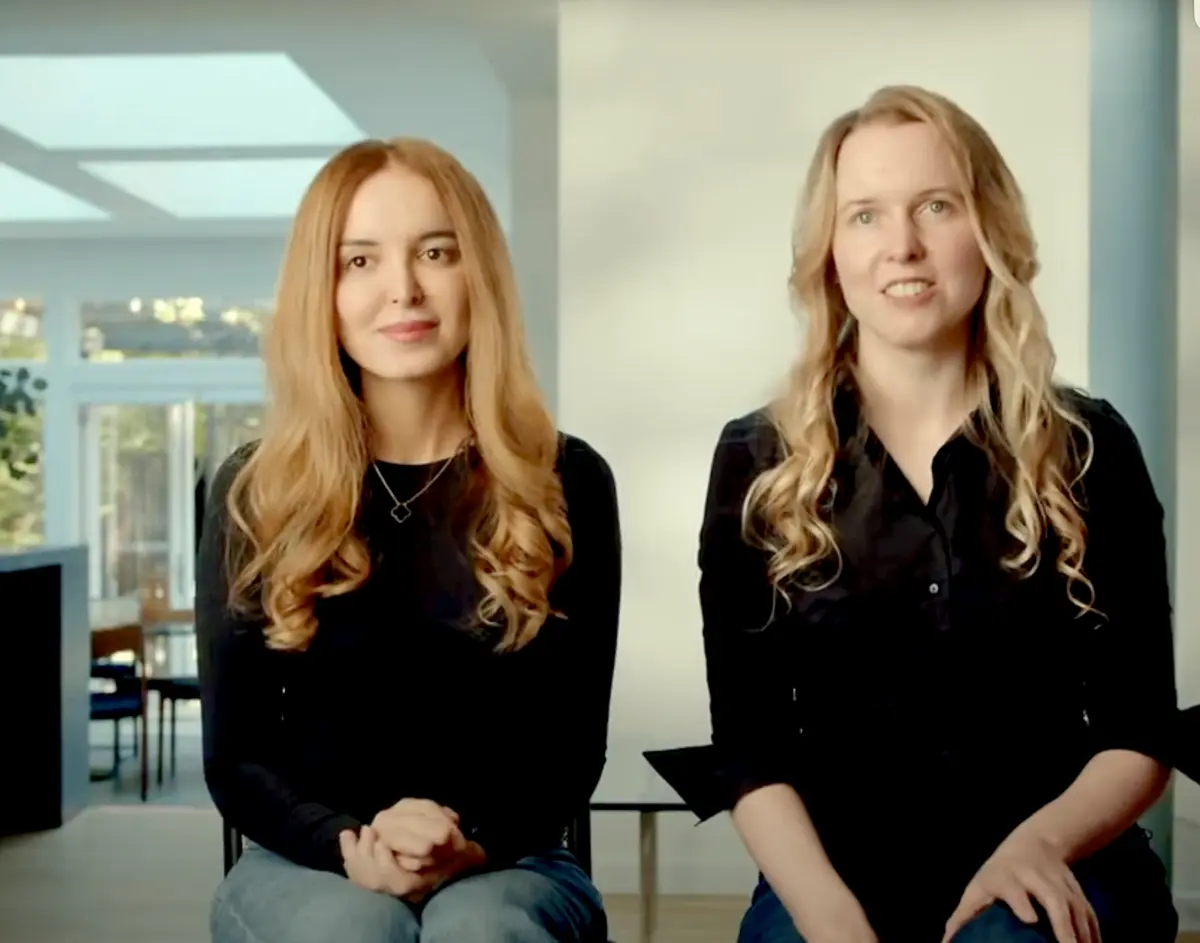
The intersection of artificial intelligence and digital identity has officially moved past theoretical debates and into the realm of tangible reality. When Alexandru Voica, head of corporate affairs at the burgeoning video-generation unicorn Synthesia, introduced me to his interactive virtual avatar this past summer, the implications were staggering. Trained autonomously to field standard press inquiries regarding the company’s operations and technological architecture, Voica’s digital twin represented a profound evolutionary leap. This was no longer merely about automated email responses or generative AI text scripts; this was the deployment of interactive, conversational likenesses acting as organizational proxies.
By September, during an exclusive visit to Synthesia’s newly minted New York corporate offices, I found myself stepping off the sidelines and directly into the experiment. Amid a booming market that has seen Synthesia skyrocket to a staggering $4-billion valuation—bolstered by crossing the $100 million annual recurring revenue (ARR) milestone—the company is spearheading a fundamental shift in how enterprises communicate. No longer restricted to static video generation where users type a script for an avatar to repeat, Synthesia has pivoted aggressively toward agentic platforms. Their newly launched "Roleplay Sessions" allow employees to conduct complex sales pitches and customer interactions with responsive, scoring AI avatars.
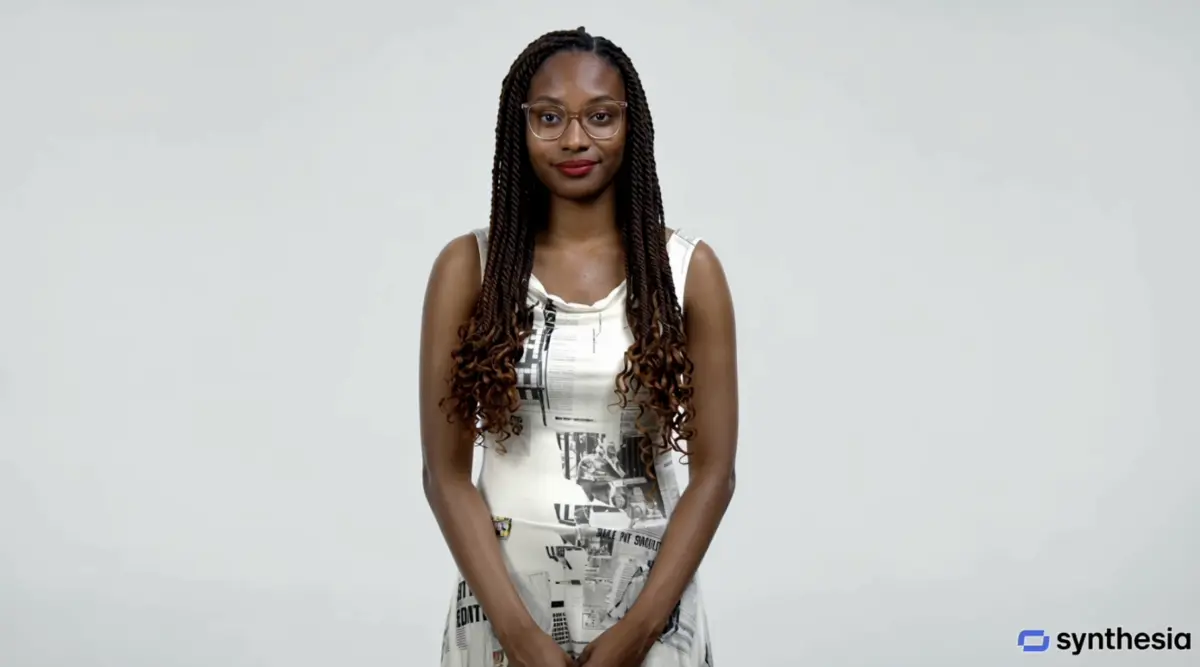
When offered the opportunity to create my own digital twin, I did not hesitate. What followed was a multi-day production process inside a mini film studio, resulting in a suite of personal and interactive avatars designed to answer questions strictly bound to my investigative reporting on venture capital-backed startup fraud. This deep dive explores the mechanics of digital cloning, the socio-psychological impact of interacting with deterministic AI models, and the looming existential questions facing journalism, corporate communications, and the modern workforce.
Detailed Chronology: From Concept to Digital Clone
The genesis of my transformation into a digital twin began during a routine corporate visit to Synthesia’s New York workspace. Having previously maintained an attitude of detached curiosity toward the proliferation of social media avatars—which creators increasingly use to automate content generation—the prospect of seeing my own likeness digitized proved irresistible.
The Production Process
Entering the company’s dedicated on-site capture studio, the process was remarkably streamlined yet clinical.
- Visual Capture: Technicians captured numerous high-resolution photographs of my face and frame, accounting for multiple stylistic variations.
- Vocal Sampling: A precise two-minute audio recording of my voice was harvested to train the text-to-voice neural networks.
- Consent and Configuration: Formal consent protocols were executed, ensuring explicit boundaries around the deployment of what would soon become "Digital Dom."
The engineering team generated four distinct versions of my likeness:
- Personal Avatars: Basic models designed to read verbatim scripts provided by the user, produced both with and without glasses.
- Interactive Avatars: Advanced agentic models capable of listening, processing, and responding to spoken queries within a strict, predefined thematic boundary, also produced with and without glasses.
Testing the Personal Avatar
My initial experimentation began with the personal avatars. To test the fidelity of the voice synthesis and visual rendering, I inputted a generic script detailing the arrival of autumn in New York City—my favorite season. The results were startlingly accurate. The voice model successfully captured my cadence while miraculously smoothing over a minor bout of vocal hoarseness present during the original recording.
Showing the output to non-tech-savvy friends elicited a mixture of fascination and palpable unease. The likeness was close enough to cross the uncanny valley, proving that basic video cloning has achieved consumer-grade accessibility.
Deploying the Interactive Twin
The more complex endeavor involved the interactive avatar. Because these models require deterministic parameters to prevent hallucinations or erratic behavior, we anchored my interactive twin exclusively to a specific piece of investigative journalism I authored regarding why venture-backed startups commit fraud at higher rates than non-VC-backed counterparts.
When subjected to testing by friends and family—including my parents, who peppered the model with personal questions only they would know—the system held its boundaries rigidly. It refused to divulge personal trivia, instead smoothly redirecting every stray inquiry back to the venture fraud research paper.
My mother’s reaction encapsulated the surreal nature of the experience: "I don’t remember giving birth to two of you," she joked, ultimately deeming the technology "amazing." Yet, peering closely at the avatar after it ceased speaking—waiting for a spontaneous blink, a micro-expression, or an independent cognitive cue—laid bare the underlying psychological friction of interacting with a deterministic machine.
Supporting Context & Metrics: The Rise of Synthesia and Avatar Tech
To understand the weight of this technological milestone, one must examine the rapid financial and infrastructural ascent of Synthesia within the broader generative media ecosystem.
Market Valuation and Financial Milestones
Synthesia operates at the bleeding edge of enterprise digital video, rubbing shoulders with rival startups such as D-ID, HeyGen, and Colossyan. Key financial markers underscore the explosive market demand for synthetic media solutions:
- Valuation: Synthesia secured a massive valuation spike, hitting $4 billion, which has allowed early employees and stakeholders to strategically monetize their equity.
- Revenue Growth: The company officially surpassed $100 million in ARR (Annual Recurring Revenue), fueled by massive enterprise software-as-a-service (SaaS) adoption and strategic investments from tech heavyweights like Adobe.
The Technological Architecture
The creation of an interactive digital avatar is not driven by a single monolithic algorithm. Instead, it relies on a sophisticated multi-layered tech stack that harmonizes distinct artificial intelligence models:
- Voice-to-Text (ASR): Converts spoken human queries into processable text streams.
- Agentic Language Models (LLMs): Interprets the text, analyzes intent, and determines the appropriate response based on trained parameters (such as the venture fraud dataset).
- Text-to-Voice (TTS): Translates the generated response back into natural-sounding audio matching the cloned vocal profile. Synthesia natively utilizes its proprietary voice models while granting enterprise clients the flexibility to integrate third-party labs like Cartesia, ElevenLabs, Google, or OpenAI.
- Video Generation Models: Synthesia’s core proprietary engine animates the avatar’s facial movements, blinking patterns, and lip-syncing to match the generated audio stream in real-time.
Enterprises can deploy these avatars via flexible hosting architectures, choosing either Synthesia’s managed cloud infrastructure or private corporate servers to maintain absolute data sovereignty.
Official Statements and Industry Perspectives
The integration of AI avatars into professional workflows—particularly in high-stakes fields like journalism and corporate communications—has sparked intense debate across the tech sector.
The Corporate Perspective: Scaling Presence
From Synthesia’s vantage point, virtual avatars represent the logical evolution of enterprise efficiency. Alexandru Voica’s deployment of a public-facing PR avatar demonstrates how organizations plan to handle high-frequency, repetitive informational queries. By offloading standard press questions to an interactive digital twin, corporate communications teams can scale their availability infinitely without burning out human personnel.
The Journalistic and Investor Divide
Reactions from financial analysts and media veterans regarding the use of avatars in journalism remain deeply polarized:
- The Skeptics: When queried about the viability of AI-presented news broadcasts, traditional venture capitalists and media traditionalists offered immediate pushback. The modern media landscape is already grappling with an influx of unvetted "AI slop" saturating social feeds and news-sharing platforms, leading to strict regulatory pushbacks from companies like Instagram and Pinterest. Critics argue that journalism relies fundamentally on human empathy, investigative grit, and moral accountability—traits that cannot be synthesized.
- The Pragmatists: Other industry insiders suggest a more nuanced future. While complete replacement is unlikely, avatars could serve as powerful augmentation tools. The pressing question remains: Will corporate executives eventually prefer communicating with an AI avatar of a journalist rather than scheduling interviews with human reporters?
Furthermore, generational divides are becoming increasingly apparent. As one investor noted during discussions about digital clones, younger cohorts—particularly Gen Z—may find digital twins inherently sci-fi and jarring, yet paradoxically less threatening than physical humanoids. As the author notes: "At least with an avatar, if stuff gets weird, I can always log off."
Future Outlook: Navigating the Era of Digital Twins
As we look toward the horizon of corporate America and digital media, the normalization of digital twins introduces profound philosophical, professional, and psychological considerations.
Redefining Productivity and Presence
Outside of journalism, the appeal of self-cloning is undeniable. The prospect of bypassing the crushing backlog of emails and meetings following a vacation—delegating routine check-ins to an active, responsive digital twin—will undoubtedly attract heavy adoption among busy executives, academics, and public figures.
The Psychological Frontier
However, society must grapple with the psychological toll of widespread synthetic identity. While deterministic models—like my research-bound avatar—prevent unhinged hallucinations, the proliferation of non-deterministic, open-ended chatbot avatars risks plunging users into new forms of digital alienation. The strange sensation of examining a silent, motionless avatar waiting for cues forces a confrontation with the boundary between organic consciousness and algorithmic simulation.
Trust as the Ultimate Currency
Ultimately, the future of media and professional communication hinges on a singular, un-automatable metric: trust. While Synthesia and its competitors have successfully democratized high-fidelity video production and interactive agentic roleplay, they cannot synthesize genuine lived experience, moral courage, or ethical responsibility.
Whether digital twins become a permanent fixture of everyday online life or remain an avant-garde novelty, one thing is certain: the boundary between the physical self and the digital proxy has been irrevocably erased. Until the next technological leap, my personal avatar will remain safely embedded in the cloud, ready to deliver this week’s top headlines—leaving me to ponder whether my digital twin is working harder than I am.