







Executive Overview
In a strategic move that bridges the gap between modern social media aesthetics and early-internet nostalgia, Meta’s text-based conversational platform, Threads, has officially rolled out a brand-new profile customization feature. Users can now seamlessly integrate both static and animated digital stickers directly into their profile bio sections. This newly minted feature aims to elevate user self-expression, offering individuals and creators a dynamic visual toolkit to make their digital storefronts stand out in an increasingly crowded social media landscape.
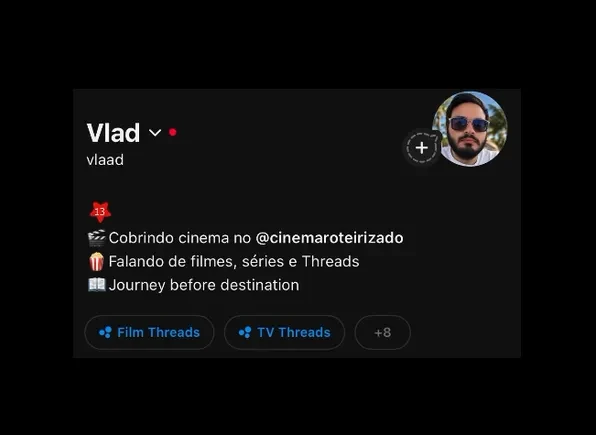
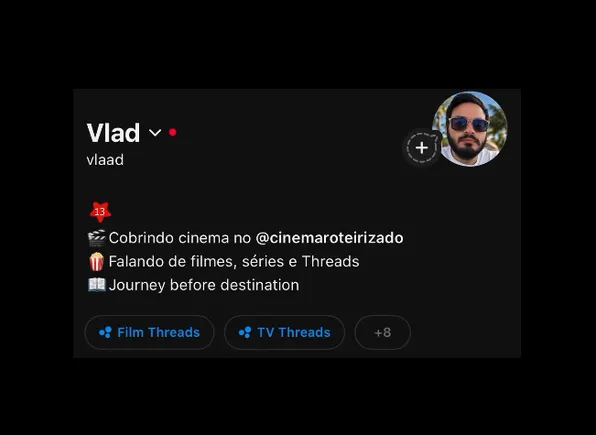
First brought to light through early user implementations—such as a widely circulated demonstration by Threads user @vlaad—the functionality allows accounts to curate their introductory spaces with interactive, moving, and colorful elements. Rather than relying solely on traditional plaintext and hyperlinks, Threads users can now inject motion, personality, and striking visual branding into the most prominent real estate on their profile pages.
While the feature introduces an undeniable wave of playful creativity, it arrives amid broader industry questions regarding user engagement lifecycles. This update builds directly upon Meta’s experimental introduction of animated stickers for standard in-feed posts earlier this year—a feature that enjoyed a dramatic, albeit brief, spike in popularity before plateauing. However, industry analysts suggest that because bios serve as semi-permanent digital calling cards rather than fleeting conversational posts, the sticker integration could achieve much higher retention and long-term utility.
This comprehensive report explores the mechanics of the new Threads bio stickers, examines their historical parallels to the golden age of social networking like MySpace, analyzes platform metrics and engagement patterns, and provides an authoritative outlook on what this means for the future of digital identity.
Detailed Chronology of the Update
From In-Feed Experiments to Permanent Profile Real Estate
The journey toward interactive bio stickers did not happen in a vacuum. To fully understand the scope of the current rollout, one must trace Meta’s iterative development process over the past year.
- Early 2024 (The In-Feed Experiment): Meta began testing the waters of dynamic visual engagement by introducing animated stickers to regular Threads posts. This feature allowed users to embed moving graphics, text blocks, and decorative elements directly into their text-and-image timelines.
- The Initial Hype Cycle: Upon launch, the feature sparked an immediate wave of creativity. Users across the platform flooded timelines with typographic art made from animated letter stickers, spelling out words, phrases, and aesthetic catchphrases. The novelty factor drove high initial engagement, showcasing a clear appetite for playful, retro-style customization tools among the platform’s user base.
- The Post-Hype Normalization: Much like similar formatting trends on rival platforms, the initial fervor surrounding animated post stickers eventually cooled. While creators and brands utilized them for campaign pushes, the average daily user settled back into more traditional posting habits, viewing animated stickers as a novelty rather than an everyday communication essential.
- Late 2024 / Q1 2025 (The Pivot to Bios): Recognizing the persistent demand for deeper profile personalization—yet understanding the fleeting nature of feed-based gimmicks—Meta’s product engineering teams pivoted the technology toward a more permanent home: the user bio. By restricting or encouraging sticker placement within the profile introduction, Meta found a way to marry the high-engagement appeal of dynamic graphics with a low-churn environment.
The Mechanics of Profile Customization
Implementing the new feature is designed to be frictionless, aligning with Threads’ broader philosophy of clean, accessible user interface (UI) design. When users navigate to the "Edit Profile" screen, they are now greeted with an option to access a comprehensive sticker library.
Within this library, individuals can select from an expanding catalog of assets ranging from whimsical floating icons and glowing badges to kinetic typography. Once selected, these stickers can be positioned within the bio text block. Because the system supports both static graphics and high-frame-rate animations, profiles instantly transform from static blocks of text into lively, visually engaging landing pages.
Supporting Context & Metrics: The MySpace Renaissance and Digital Identity
The Nostalgia Factor: Echoes of the Early 2000s
For digital natives who grew up navigating the nascent social web of the early 2000s, the introduction of Threads bio stickers will feel profoundly familiar. The feature serves as a direct spiritual successor to the customization culture pioneered by platforms like MySpace, Xanga, and early blog networks.
During the peak MySpace era, profile customization was an art form. Users leveraged rudimentary HTML and CSS coding to construct elaborate, personalized digital bedrooms. Marquees text, custom background wallpapers, blinking graphics, and animated glitter text were standard markers of individual taste. This hyper-personalized approach allowed users to project their exact subcultural allegiances, musical tastes, and emotional states onto their public-facing profiles.
As social media matured into the 2010s—largely standardized by platforms like Facebook, Twitter (now X), and Instagram—design philosophies shifted dramatically. Platforms forced users into rigid, uniform templates. Profiles were stripped of custom backgrounds, custom fonts, and flashy graphics in favor of minimalist, highly institutional UI designs optimized for mobile readability and advertising architecture.
With Threads reintroducing animated, kinetic stickers to the profile bio, Meta is consciously tapping into a profound cultural yearning for anti-minimalism. Gen Z and younger millennial users, in particular, have shown a strong preference for "maximalist" digital aesthetics—characterized by chaotic digital scrapbooking, pixel art, nostalgic 90s/00s tech tropes, and personalized chaos. By allowing users to inject a bit of unpolished, moving art into their bios, Threads is providing a pressure valve for digital conformity.
[Evolution of Profile Customization]
  ├── Early 2000s (MySpace): Hyper-customized, HTML/CSS, Animated & Chaotic
  ├── 2010s Era (Standardization): Minimalist, Uniform, Rigid Templates
  └── Present Day (Threads Bios): Curated Maximalism, Moving Stickers, Nostalgia-Driven
Analyzing User Engagement and Retention Metrics
While the aesthetic appeal is undeniable, product strategists and digital marketers must evaluate the quantitative implications of this update.
- The "Set-and-Forget" Advantage: Unlike in-feed posts, which require constant generation of fresh content to maintain visibility, profile bios are inherently static. Users update their bios infrequently—typically only when their professional titles change, major life events occur, or specific campaigns launch. Because of this, the integration of animated stickers into bios bypasses the "novelty fatigue" that plagued in-feed stickers. A user might select an animated sticker that matches their brand identity or aesthetic mood and leave it active for months.
- Profile Differentiation in a Crowded Ecosystem: As Threads continues to scale, battling X, Bluesky, and Mastodon for conversational dominance, user differentiation has become a critical product challenge. When millions of accounts share identical typographic layouts, standing out visually is difficult. Bio stickers offer a low-friction method for micro-branding. Creators, independent journalists, and digital artists can use specific sticker combinations as visual watermarks or signatures.
- Brand Safety and Platform Guidelines: The introduction of user-generated and platform-provided visual elements in prominent profile spaces inevitably raises questions regarding moderation. Meta’s automated safety filters and community guidelines will need to monitor how stickers interact with bio text to prevent misleading claims, impersonation, or visual spam that violates terms of service. Early platform observation indicates that Meta is relying on an approved, curated library of stickers rather than allowing open-ended graphic uploads, thereby mitigating major brand-safety risks.
Official Statements and Industry Perspectives
While Meta has rolled out the feature organically via user discovery and minor product release notes rather than a massive, CEO-led keynote presentation, product insiders have hinted at the broader strategy driving the update.
According to platform product teams, the overarching goal of Threads is to strike a delicate balance between the fast-paced, real-time nature of public text conversations and the deep, individualized identity expression found on more visual social networks.
"Threads is built around conversation, but identity is the anchor of community," noted an independent product analyst specializing in Meta’s ecosystem. "When you look at why people stay on a platform, it’s rarely just the feed—it’s how they are perceived within that community. By giving users the tools to inject motion and idiosyncratic art back into their profiles, Meta is leaning into the psychological ownership that made early social media so sticky."
Meanwhile, early adopter reactions across the platform have been overwhelmingly enthusiastic, though laced with humorous self-awareness.
Popular Threads creator @vlaad, whose profile served as the proof-of-concept for the viral spread of the feature, noted in a follow-up post: "We are officially one step closer to bringing back the chaotic energy of custom MySpace layouts, and I am entirely here for it. Expect every tech bio to look like a digital sticker book by the end of the week."
Digital marketing agencies have also begun advising clients on how to approach the update. Initial consensus suggests that while playful brands can leverage animated stickers to project approachability and cultural literacy, corporate entities operating in highly regulated sectors (such as finance, healthcare, and legal services) may choose to stick with static, minimalist formatting to maintain institutional trust.
Future Outlook: What the Sticker Integration Signals for Meta’s Ecosystem
The rollout of bio stickers on Threads is more than just a minor cosmetic upgrade; it is a window into Meta’s broader product philosophy for its next-generation social platforms. As digital spaces become increasingly automated, AI-driven, and homogenized, the human desire for micro-customization and digital self-expression is growing stronger.
1. Cross-Platform Feature Parity and Integration
Given that Threads is deeply integrated with the Instagram ecosystem—utilizing shared account infrastructures, follower graphs, and cross-posting mechanisms—industry watchers are already speculating whether animated profile stickers will eventually make their way to Instagram proper. While Instagram maintains a notoriously strict adherence to clean, highly curated visual grids, the rising popularity of notes, avatar animations, and profile song integrations suggests that Instagram’s design philosophy is softening toward playful interactivity. Bringing sticker technology to Instagram bios could represent the next logical frontier.
2. Monetization and Creator Economy Opportunities
As the sticker library expands, monetization potential looms on the horizon. Could Meta introduce creator-designed sticker packs? Similar to how messaging platforms like Telegram, LINE, and Discord monetize digital stickers, Threads could theoretically open up a marketplace where independent artists, animators, and global brands design exclusive sticker packs for the platform. Users could purchase, unlock, or earn these limited-edition stickers to display in their bios, creating a brand-new digital micro-economy centered around profile identity.
3. The Return of Expressive Personalization
Ultimately, the success of Threads bio stickers highlights a cyclical truth about human-computer interaction: we grow tired of sterile perfection. The shift from the hyper-curated, flawless aesthetic of the late 2010s Instagram grid to the messy, dynamic, sticker-laden profiles of today proves that digital spaces are once again becoming canvases for individual personality.
Whether animated bio stickers become a permanent cultural mainstay of the Threads experience or remain a beloved, nostalgic quirk of the mid-2020s social web, they have undeniably succeeded in one primary objective: they have made the internet a little bit more colorful, a little bit more animated, and a lot more human.