







Executive Overview
The architectural and technological identity of Europe’s digital backbone is undergoing a profound structural pivot. As of early 2026, Amsterdam—historically entrenched as one of the premier data center hubs on the continent—finds itself navigating a complex intersection of surging artificial intelligence (AI) workloads, stringent regulatory constraints, and a critical electrical grid bottleneck.
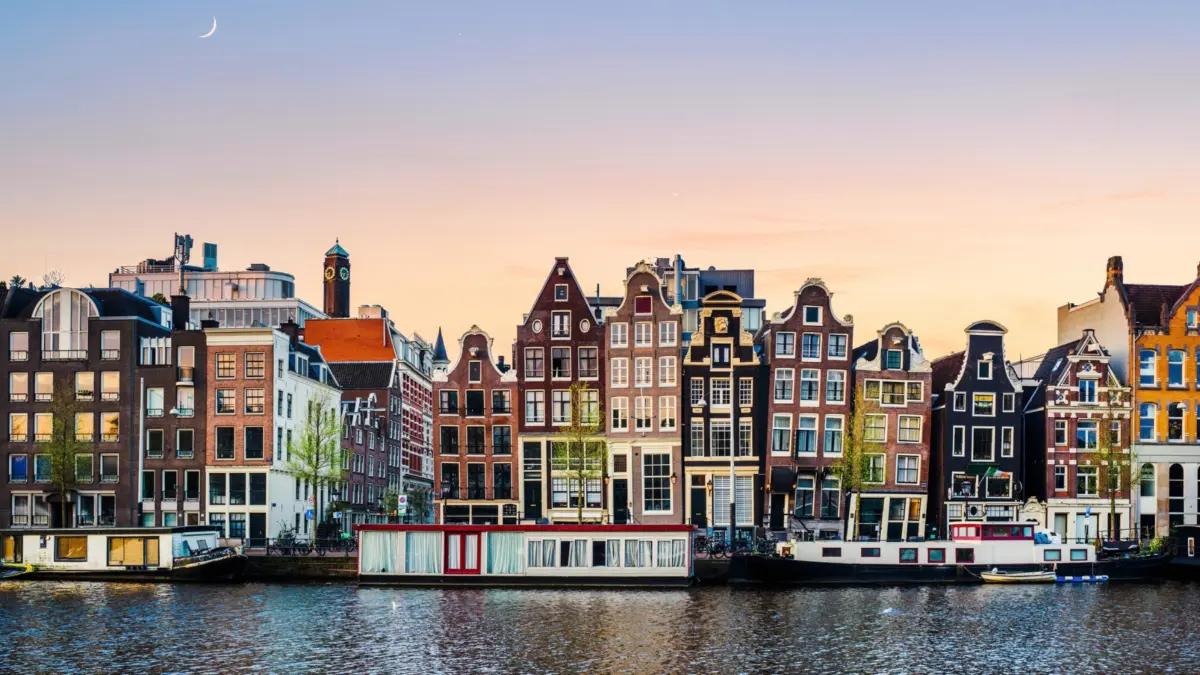
According to market data from CBRE’s 2026 review, Amsterdam remains Europe’s fourth-largest data center market. The city’s total inventory expanded by 11% year over year, adding 64.3 MW of capacity to bring vacancy rates down to a tight 9.4%. Yet, despite this robust demand, the fundamental arithmetic of site selection has shifted dramatically. Land availability, financial incentives, and fiber-optic density have been unseated by a single, overriding metric: deliverable power.
In an era where a single AI workload requirement can skyrocket from traditional footprints of 30–60 MW up to massive 300 MW campus demands, the timeline and predictability of utility grid connections dictate the feasibility of modern digital infrastructure. Compounded by municipal halts on large-scale builds within Amsterdam proper and strict national caps on hyperscale footprints, the Dutch market is moving into a new phase of geographic decentralization. Capital, operators, and enterprise workloads are spilling outward from the capital into regional power-rich corridors like Rotterdam, Groningen, and Eindhoven.
This in-depth report explores the forces shaping the Dutch digital infrastructure landscape in 2026, analyzing how power constraints, aging subsea cables, and evolving government policies are redefining the future of European colocation and cloud architecture.
Detailed Chronology of the 2026 Dutch Infrastructure Shift
The pressures currently transforming the Netherlands into a decentralized data center ecosystem are the culmination of regulatory changes, grid bottlenecks, and shifting energy paradigms that have accelerated over recent years.
- The 2023 National Policy Framework: Seeking to curb runaway land consumption and grid stress, the Dutch national government formalized strict zoning laws for hyperscale facilities. Under these regulations, hyperscale developments (defined as sites covering at least 10 hectares and drawing 70 MW or more) were restricted primarily to designated zones in Hollands Kroon (including Middenmeer) and Het Hogeland (home to Eemshaven).
- The 2025 Municipal Clampdown: In June 2025, the city of Amsterdam enacted a decisive policy pivot, effectively halting the authorization and construction of new large-scale data centers within municipal boundaries. While designed to spare the local electrical grid from unsustainable expansion costs, this measure compressed supply within the city limits.
- The 2025 Interconnection Peak: Despite planning hurdles, the underlying network ecosystem continued to scale aggressively. By the close of 2025, the Amsterdam Internet Exchange (AMS-IX) hit a monumental milestone, handling 35.66 exabytes of traffic—a staggering fourfold increase over its 2015 volume—and cementing its status with 902 connected parties.
- Q1/H1 2026 Realities: CBRE and JLL market reports for early 2026 revealed a stark divergence in regional growth. While Paris added 72.5 MW in H1 2026, Amsterdam delivered a modest 16.3 MW due to strict power limits. Simultaneously, Rotterdam reinforced its connectivity credentials by welcoming an official AMS-IX point of presence in April 2026, signaling the acceleration of regional hub adoption.
Supporting Context & Metrics: The Anatomy of a Power-Constrained Market
To understand why Amsterdam remains an essential yet constrained hub, one must examine the metrics defining its status within the elite FLAP-D ecosystem (Frankfurt, London, Amsterdam, Paris, and Dublin).
The Interconnection and Network Advantage
Amsterdam’s legacy as a premier digital intersection is built upon decades of continuous investment in carrier-neutral colocation and international connectivity. The city benefits from a high density of subsea cable landings connecting the UK, North America, and mainland Europe, alongside world-class colocation facilities operated by industry giants like Equinix and Digital Realty.
Furthermore, the Netherlands boasts a mature, greening energy market characterized by robust offshore wind development. This positions the region as a premier destination for corporate Power Purchase Agreements (PPAs), allowing enterprises to match heavy data center loads with sustainable energy portfolios.
The Mathematics of Modern AI Workloads
However, these systemic advantages are currently colliding with unprecedented hardware lead times and grid capacities. According to industry experts, transformer lead times can stretch up to three years. When paired with the immense power densification required by modern accelerated computing clusters, developers face an unforgiving operational reality:
$$textProject Viability = f(textDeliverable Megawatts, textGrid Connection Timeline) gg textLand & Fiber$$
Where historical site selection prioritized low-latency fiber paths and cheap real estate, contemporary data center development requires multi-year advanced planning for utility queue positions, export rights, exit terms, and backup service agreements.
Official Statements and Industry Insights
Key voices across the European real estate, cloud, and consulting sectors highlight the gravity of the current transition:
-
Assad Noori, Executive Director and EMEA Head of Data Centers at JLL:
"Site selection in 2026 is driven primarily by deliverable power. If developers cannot secure megawatts on a predictable timeline, incentives, land costs, and fiber connectivity become secondary. Cost and delivery timeline are now co-equal with availability in site decisions."
Noori emphasizes that with single-site requirements scaling up to 300 MW, long-lead equipment orders and power commitments must precede construction by years, necessitating meticulous planning around behind-the-meter generation and grid queue strategies.
-
Luis Fernandes, Senior Research Manager for Cloud, Data Centres, and Enterprise Infrastructure at IDC:
"Amsterdam is characterized by the availability of skilled labor and an established infrastructure by large colocation service providers… One obvious choice [for spillover growth] would be Rotterdam. It is the largest port in Europe."
Fernandes also issues a warning regarding the broader Dutch network advantage, noting that aging maritime infrastructure could erode the country’s historic connectivity edge.
-
Alex Mariage, Head of Regional Operations at Global Data Center Consultancy BCS:
"Add to this a favorable energy mix with a large component of offshore wind farms, as well as a prime market for sustainable PPAs. This continues to make Amsterdam a very attractive and traditional opportunity for global investments. However, grid congestion is the key challenge here. Every investor will confirm that this aspect is the top constraint slowing down projects and investments at the moment."
Future Outlook: Decentralization, Subsea Vulnerabilities, and Policy Imperatives
As the Dutch data center market charts its path toward 2030, stakeholders face a dual imperative: managing domestic expansion through regional decentralization and safeguarding the nation’s intercontinental connectivity.
The Rise of Regional Secondary Hubs
Because Amsterdam proper can no longer accommodate boundless physical and electrical growth, development is radiating across provincial lines:
- Rotterdam: Leveraging its massive port economy, reclaimed industrial land, vertical construction capabilities, and newly integrated AMS-IX connectivity, Rotterdam is increasingly absorbing complex workloads.
- Groningen and Eindhoven: Groningen builds upon its existing data center and green energy footprint, while Eindhoven leverages its dynamic technology and research cluster.
- The Eastern Provinces: Regions like Overijssel, Gelderland, and Limburg are positioning themselves to capture cross-border enterprise overflow originating from Germany’s North Rhine-Westphalia.
The Subsea Cable Challenge
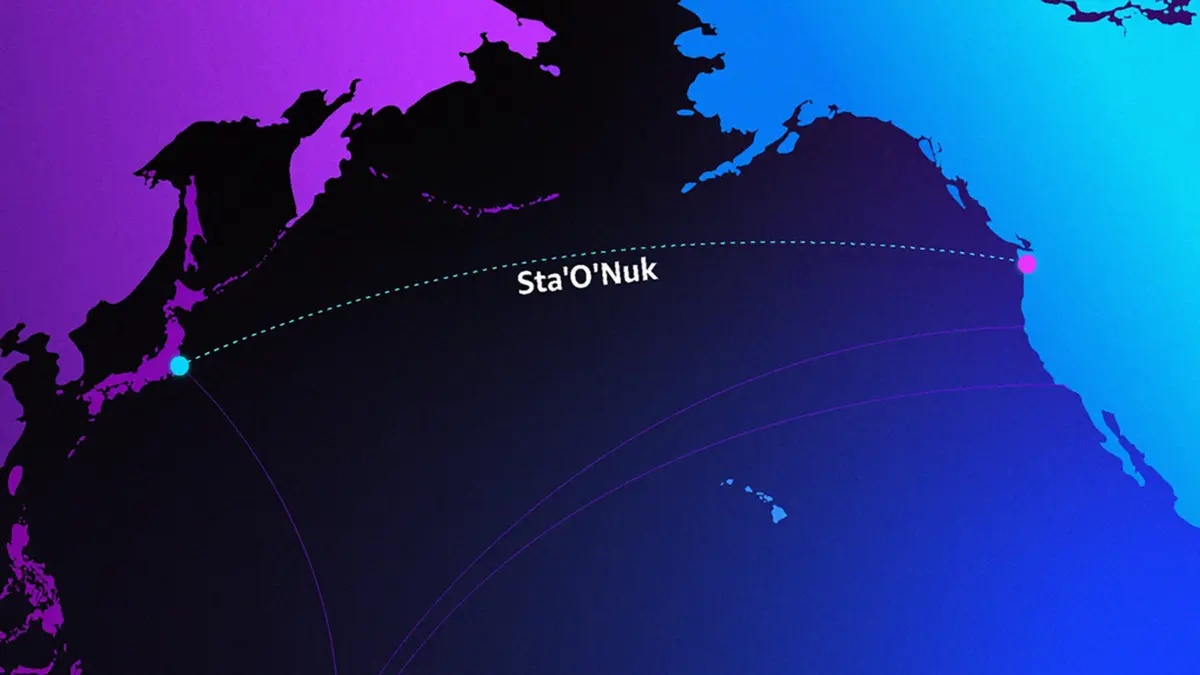
Beyond interior grid constraints, a looming threat to the Dutch digital economy lies beneath the waves. The Dutch Subsea Cable Coalition has sounded alarms indicating that the vast majority of the nation’s submarine cables are over 25 years old. Active intercontinental systems are projected to drop significantly unless immediate investments are made in new open subsea routes. Without these upgrades, emerging European markets risk bypassing the Netherlands entirely on global traffic routes.
The Path Forward: Proactive Community Engagement
Ultimately, the longevity of the Dutch data center sector depends on proactive collaboration between industry leaders, utility providers, and municipal regulators. Operators can no longer afford to treat regulatory compliance as an afterthought. By pioneering practical innovations—such as advanced waste-heat reuse systems for district heating, transparent resource reporting, and flexible grid integration strategies—the industry must demonstrate tangible value to local communities.
Until developers take the lead in solving municipal concerns, projects will continue to face friction. But for those capable of navigating the complex matrix of deliverable power, regional decentralization, and sustainable engineering, the Netherlands will remain a cornerstone of Europe’s digital future.